
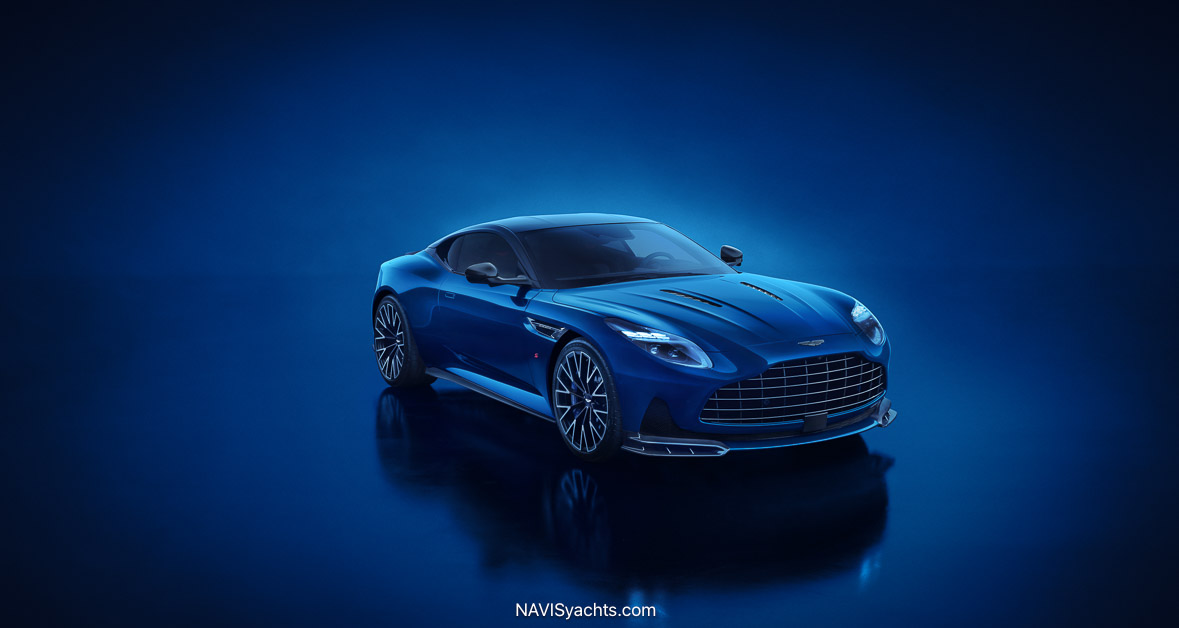
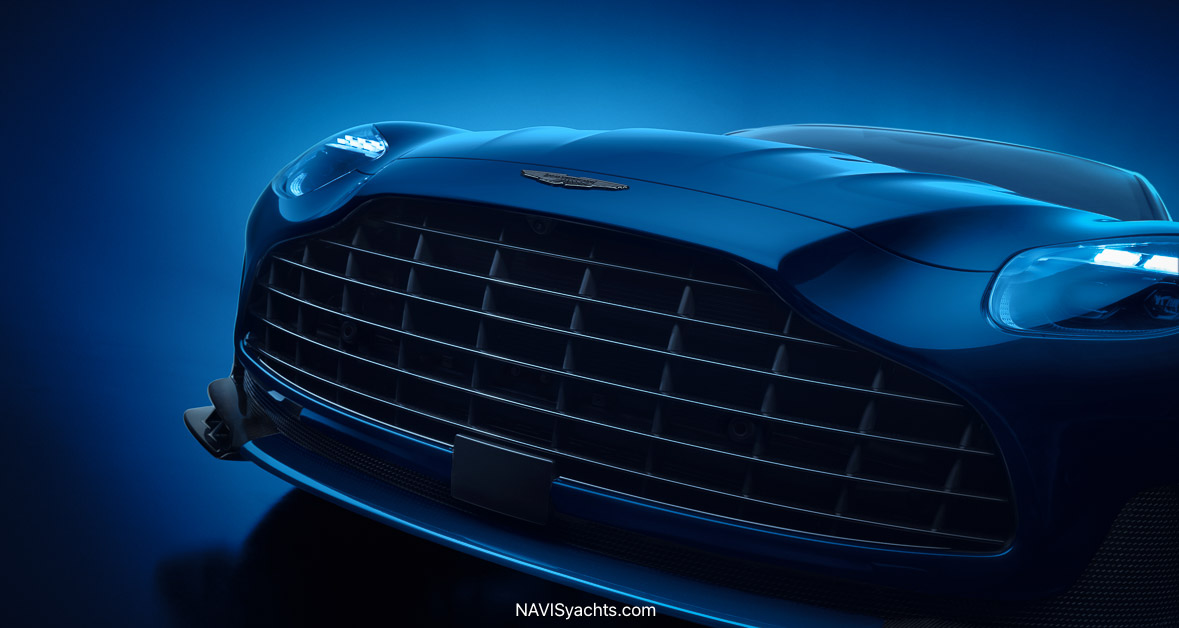
The moment you see the Aston Martin DB12 head-on, something subtle happens to your body before your mind gets involved. You stop walking. Your shoulders square. Your eyes fix on the width of the grille and trace its edges almost involuntarily, as if confirming the car is as planted as it appears. That reaction is no accident. This is design doing its quiet work on a human nervous system.
The grille is larger because the engine behind it breathes harder, but what you feel is reassurance. Its mass sits low, visually tethering the car to the ground, telling your brain this object is stable, confident, resolved. The hood creases guide your gaze upward and back, creating a sense of forward momentum even while standing still. Nothing shouts for attention, yet everything holds it. The DB12 simply behaves in a way that makes you trust it. And trust, more than beauty, is the emotion that draws you closer.
What Kind of Object Is the DB12?
The DB12 matters because it represents a moment of clarity for Aston Martin. This is the first modern DB that feels designed from the inside out, rather than styled from the outside in. Every major visual decision, the width of the front end, the tension in the shoulder, the calm geometry of the cabin, appears to have been filtered through a single question: how should this car make a human feel when they approach it, sit in it, and live with it?
That philosophy separates the DB12 from the grand tourers that rely on nostalgia or spectacle. Its proportions communicate stability. Its surfaces avoid ornamentation in favor of clarity, allowing the car to be read quickly and intuitively. Inside, the architecture prioritizes orientation and muscle memory over novelty, reducing friction between driver and machine. The result is a car that feels immediately legible. In a segment crowded with visual noise, that sense of instant understanding becomes its most modern luxury.
Design That Teaches You How to Feel About It
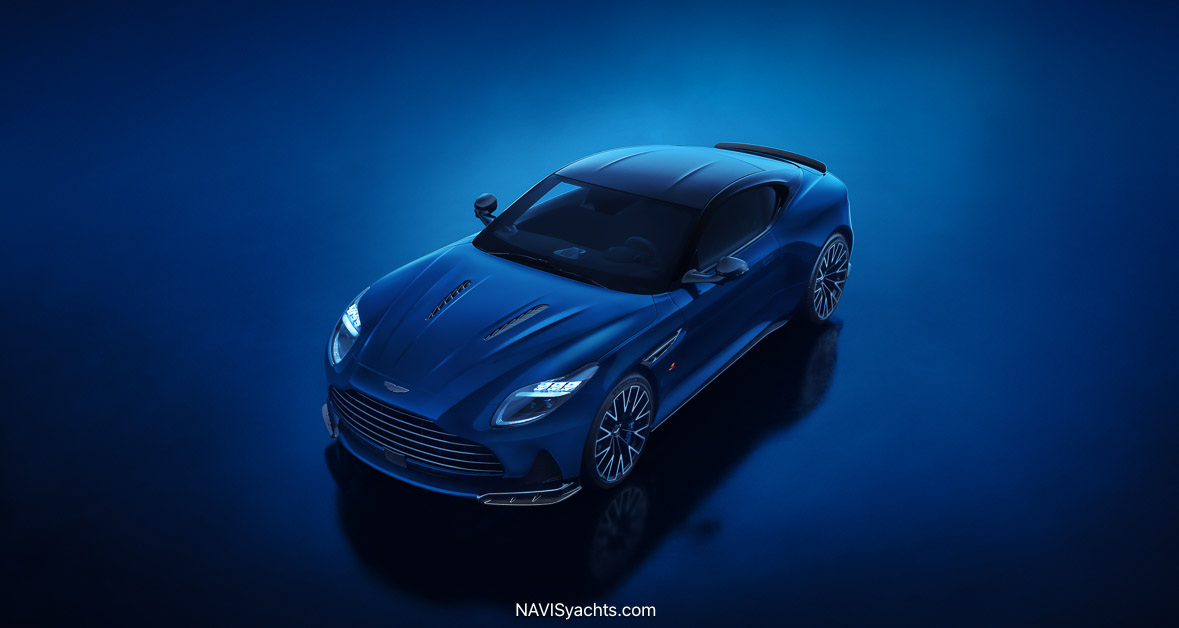
Spend a few minutes with the DB12 and you realize its exterior design works the way good human communication does: it explains itself without raising its voice. The proportions do most of the labor. The long hood and rearward cabin instantly establish hierarchy, engine first, human second, everything else subordinate. Your eye reads the car in one pass, left to right, without getting snagged on decorative noise. That clarity is intentional. It’s what makes the DB12 feel trustworthy before it ever moves.
The front end is where this philosophy becomes most obvious. The grille is wide and vertically disciplined, its geometry anchored low so the car appears planted rather than predatory. There’s no attempt to exaggerate aggression through slashes or false intakes. Instead, airflow requirements are translated into mass and stance. The hood’s creases guide your vision rearward, subtly lengthening the car while giving the driver a clear visual reference from behind the wheel. That matters at speed, but it matters just as much when threading the car through a narrow street. Design here is doing ergonomic work.
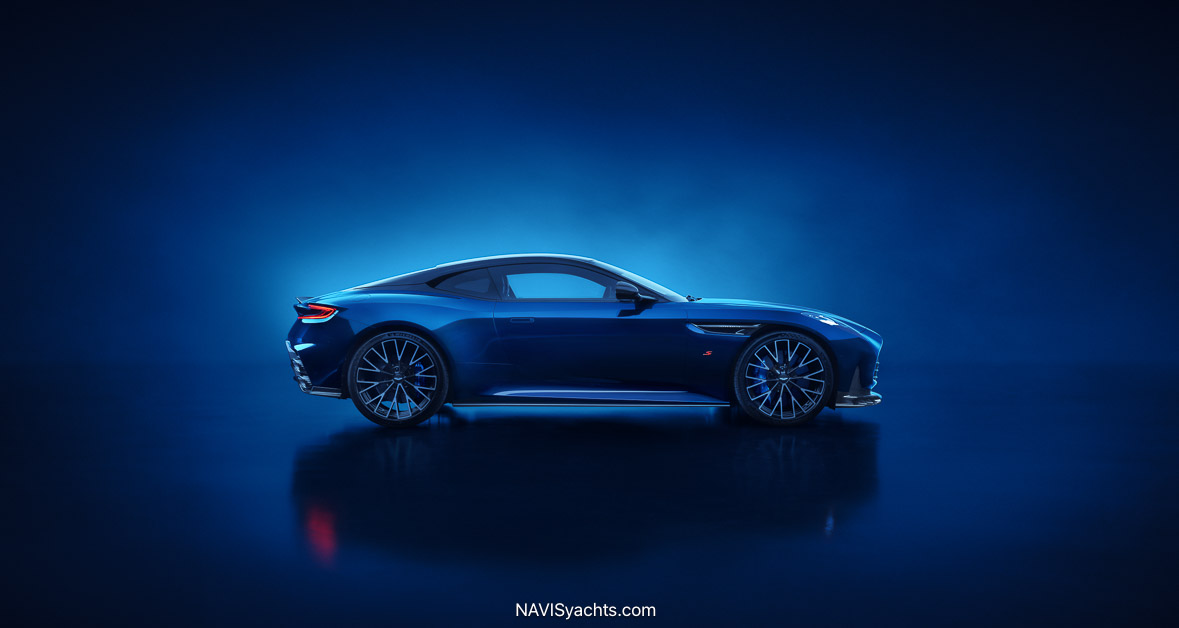
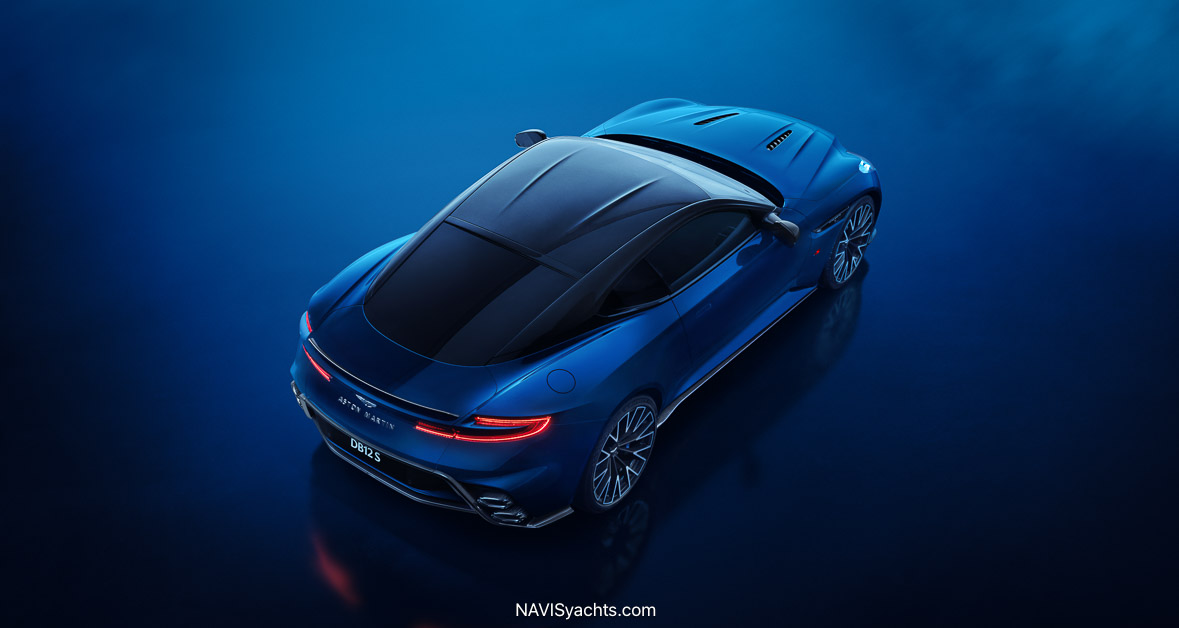
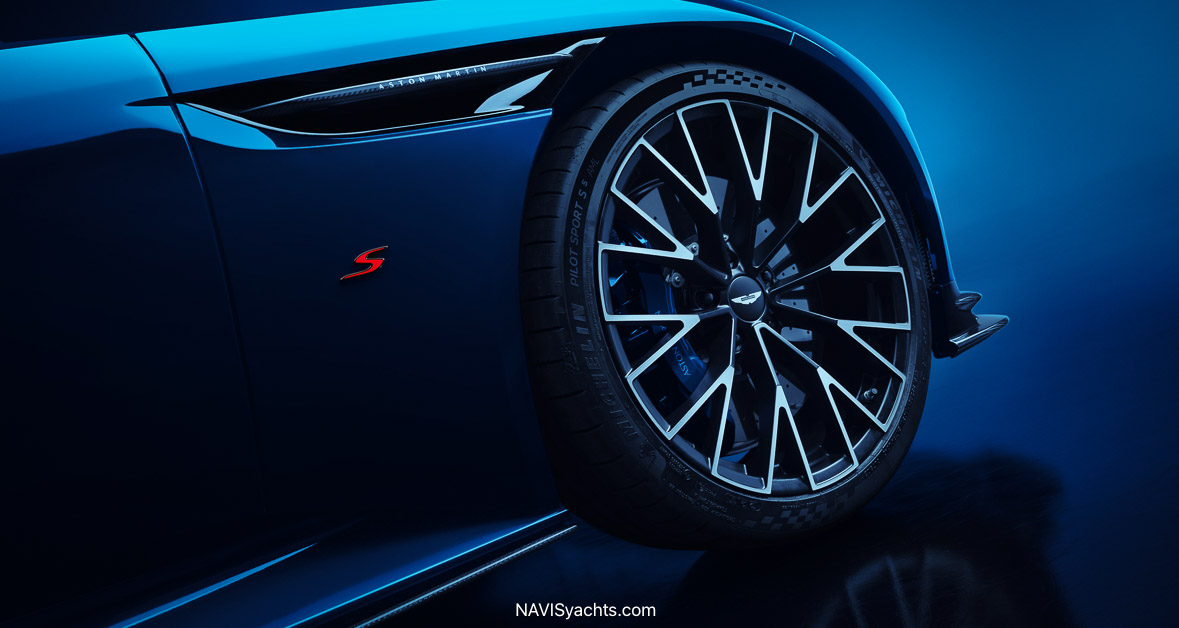
From the side, the DB12 reveals its real sophistication. The dash-to-axle ratio is generous, yet the car never feels stretched. That’s because the shoulder line carries tension cleanly from the front wheel arch to the rear haunch, compressing the visual mass into a single, confident gesture. The rocker panel and sill treatment sit low and straight, visually lowering the center of gravity and reinforcing the sense that the car is keyed into the road.
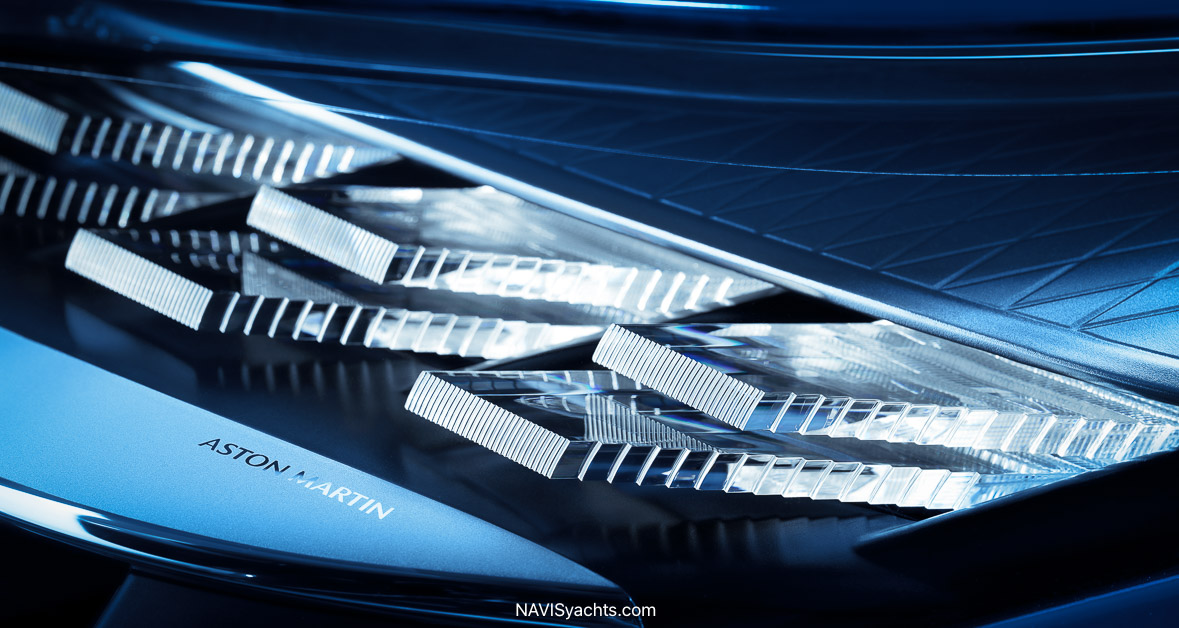
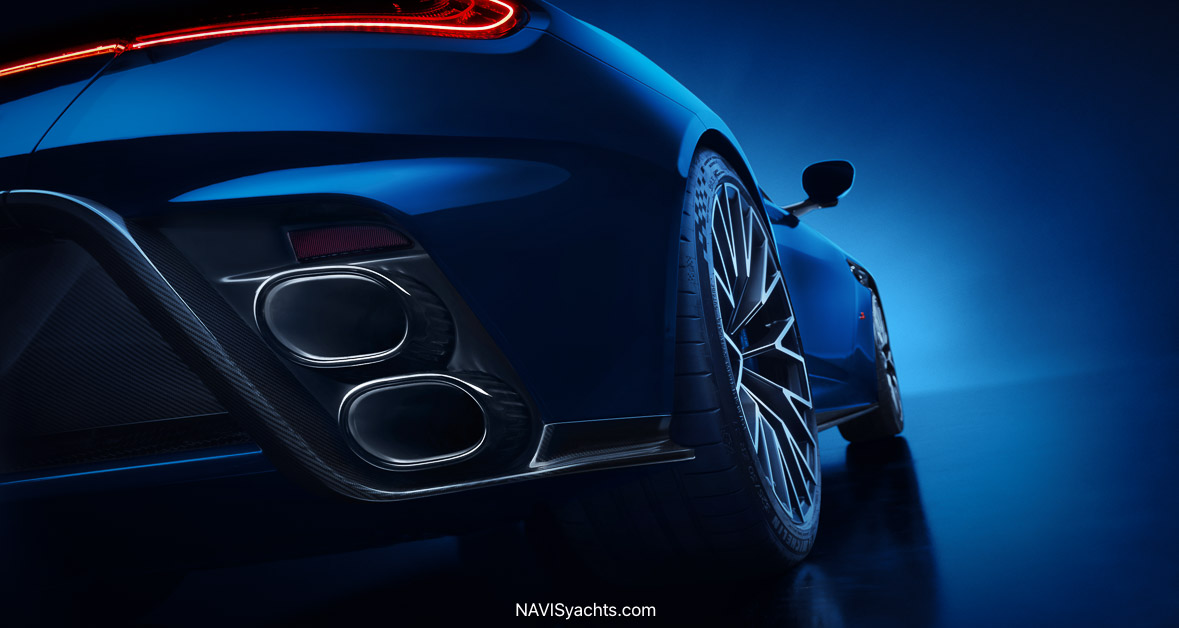
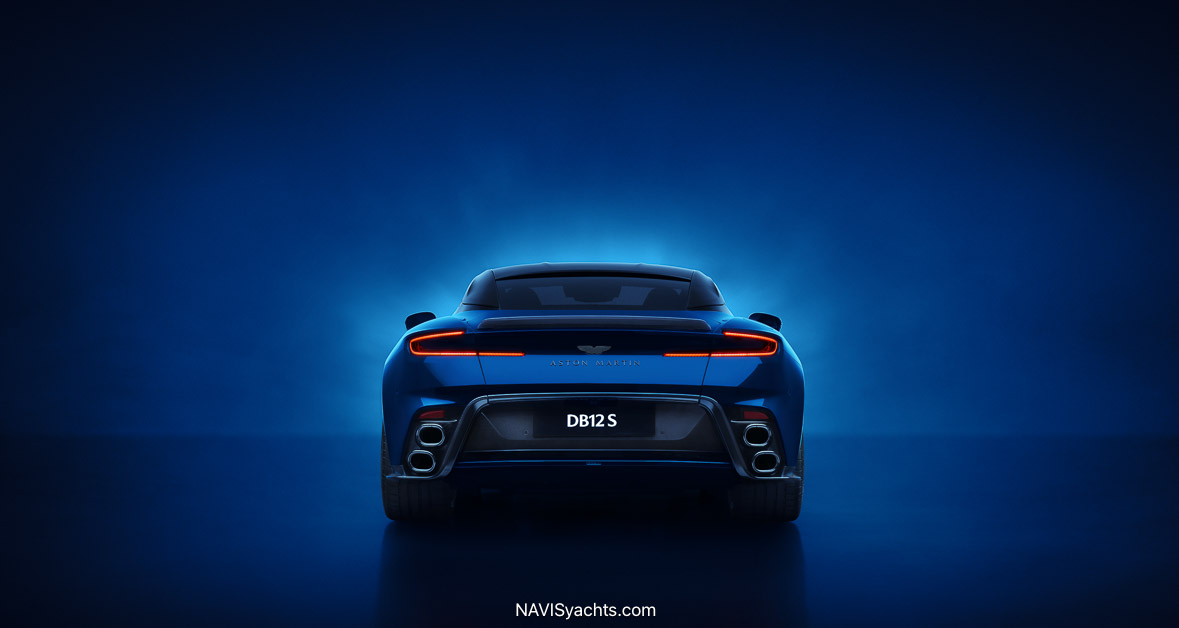
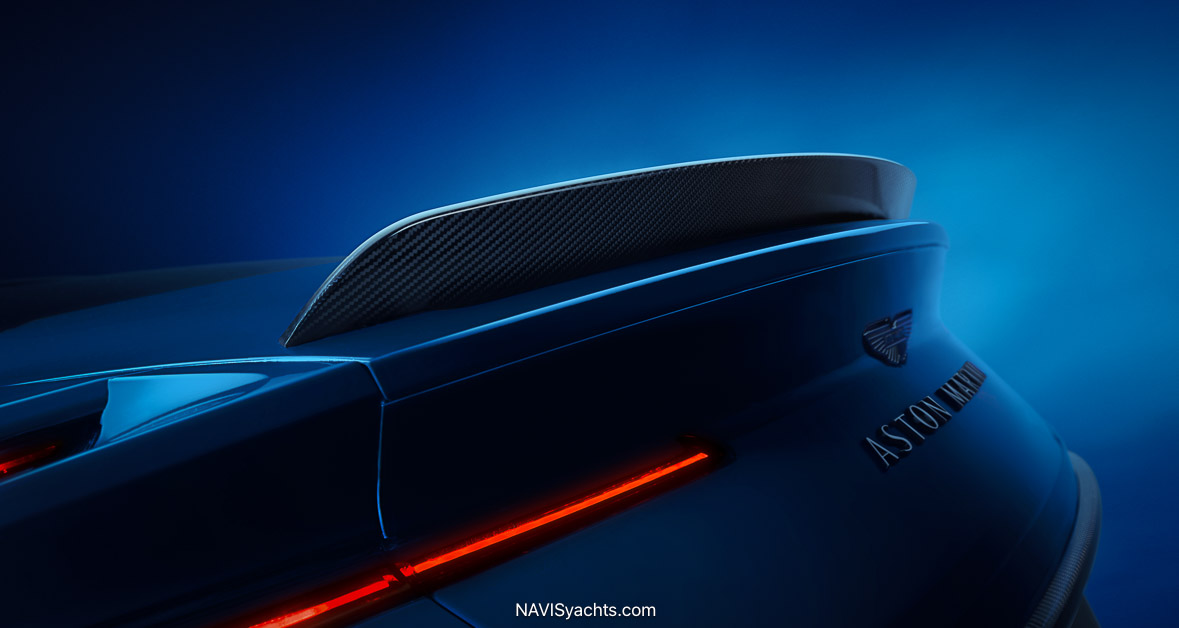
The rear design completes the story without theatrics. The taillights form a precise horizontal signature, emphasizing width and calm rather than drama. Below them, the diffuser and quad exhausts read as structural elements, not accessories. Their placement communicates purpose; this is where air exits; this is where sound lives. The rear spoiler integrates cleanly into the deck, adding visual pressure over the rear axle without breaking the car’s silhouette.
The longer you look, the more coherent it feels. Every surface appears drawn with an understanding of how humans judge objects instinctively, by balance, by tension, by how confidently a form occupies space. The DB12 earns confidence by behaving like a well-considered object, one that knows exactly what it’s meant to be and communicates that immediately.
Interior: Design That Meets the Human Hand
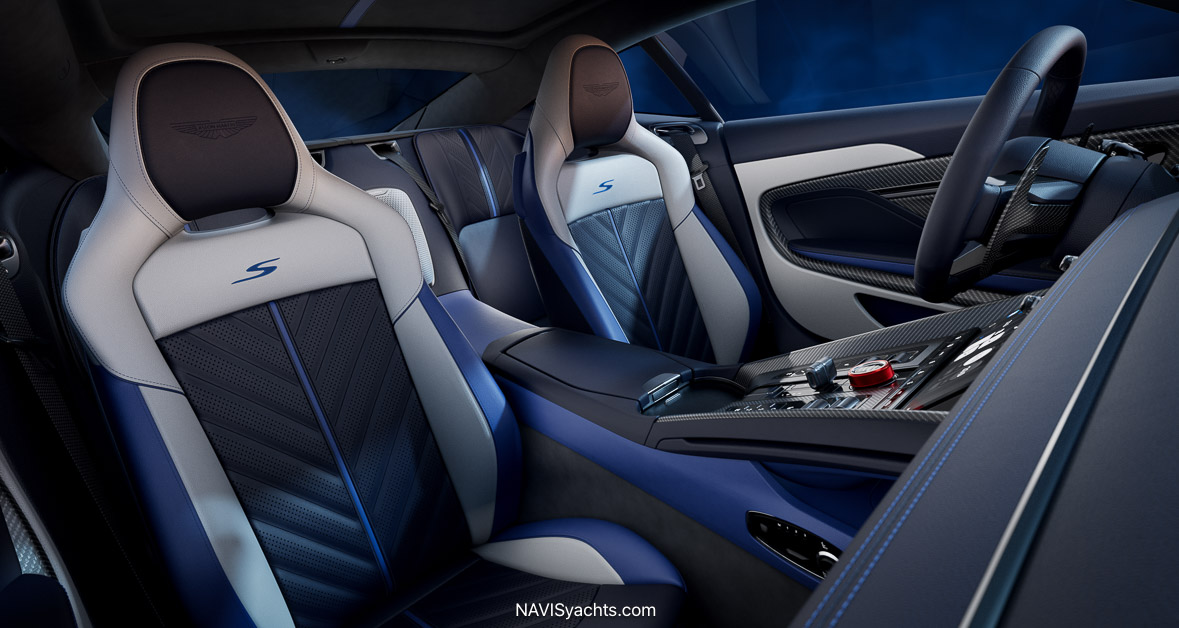
Inside, the DB12 confirms that the exterior’s calm confidence wasn’t a performance. This is a cabin designed around how people actually sit, reach, focus, and relax, an interior that feels resolved the moment you settle into it. The driving position is low but natural, with a steering wheel that meets your hands at the right height and distance, and pedals aligned to encourage fine control. Your body relaxes before your brain has time to analyze why.
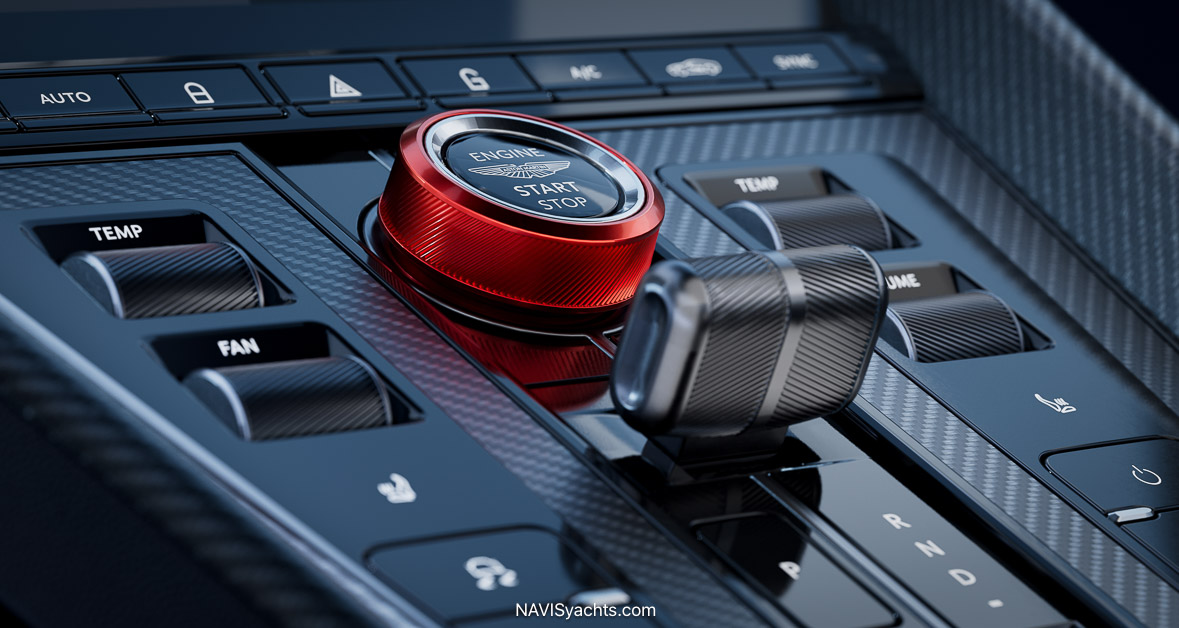
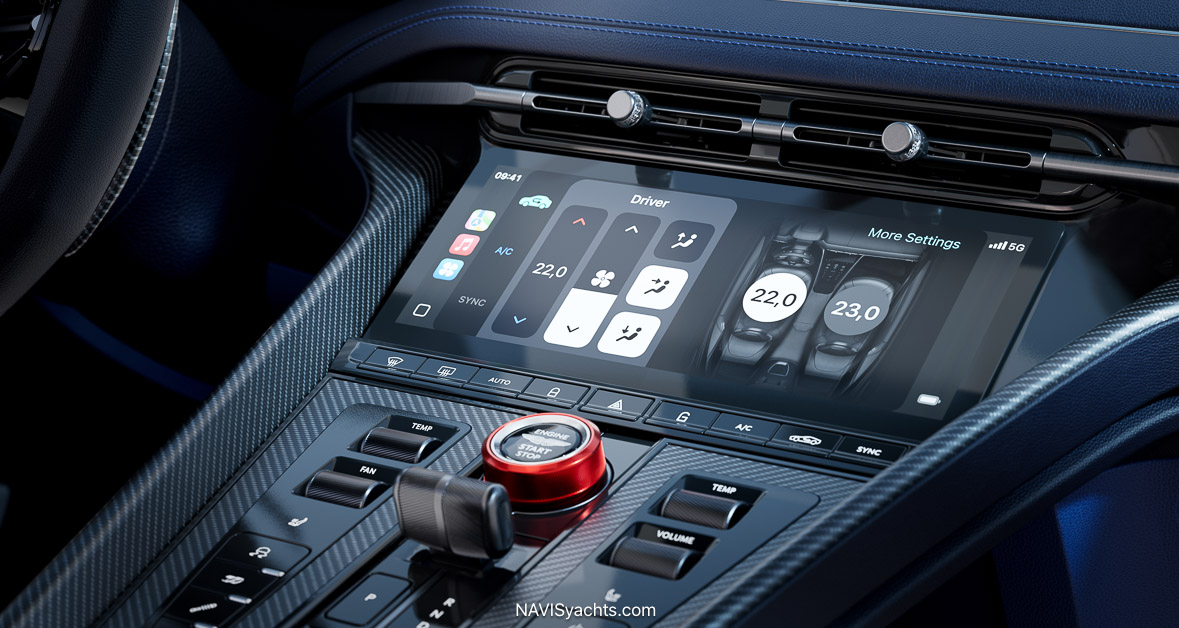
The layout prioritizes orientation. The digital cluster sits clearly in your line of sight, framed rather than floating, while the central screen is angled just enough to acknowledge the driver without demanding attention. Crucially, the most-used functions remain physical. The knurled rotary drive-mode controller—finished in red on the S—acts as a tactile anchor, something your fingers find without looking. That matters when you’re driving quickly, but it matters just as much when you’re tired at the end of a long day.
Materials do the rest of the talking. The leather feels supple, the stitching precise. Carbon fiber appears where structure and intent make sense, not as visual noise. Even the seats communicate purpose: firm where support matters, forgiving where comfort counts.
Engineering That Serves the Design and the Human
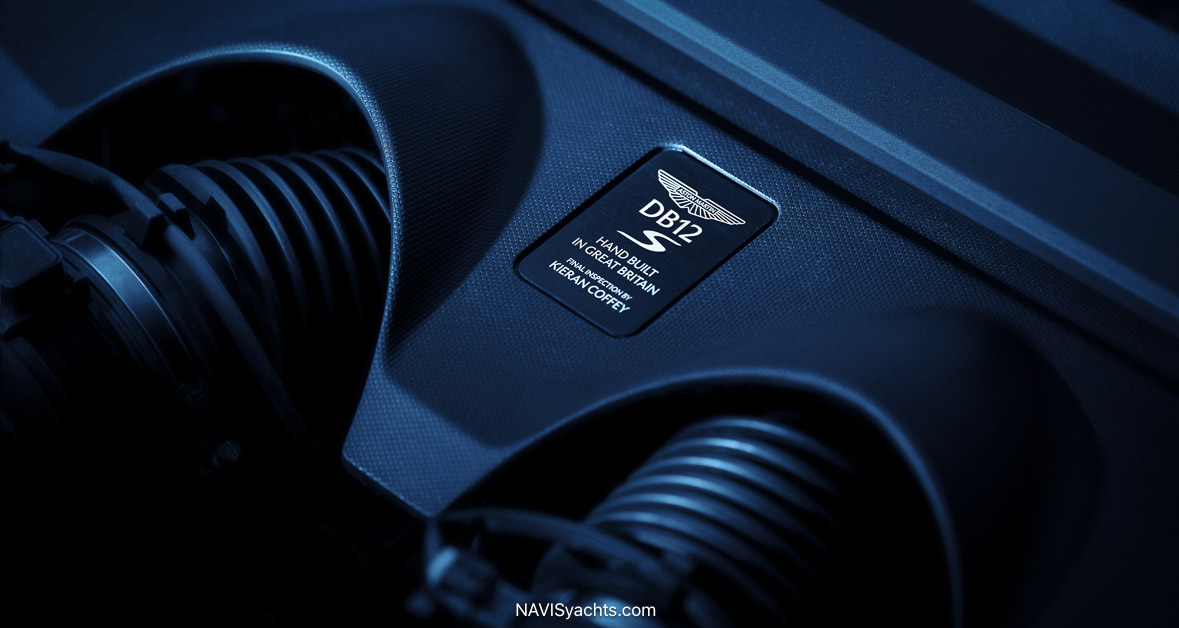
The DB12’s engineering matters because it behaves exactly the way its design suggests it should. Under the hood sits a 4.0-liter twin-turbocharged V8 producing 700 PS and 800 Nm of torque, delivered across a broad plateau rather than in a dramatic spike. The result is response that feels immediate but never nervous.
That consistency continues beneath the skin. The aluminum architecture is paired with revised suspension tuning and adaptive dampers calibrated to control mass rather than mask it. Steering calibration has been sharpened for clarity, allowing the front axle to communicate grip progressively instead of demanding attention. The effect is a car that responds the same way every time, regardless of speed or load.
Braking reinforces the message. Carbon-ceramic discs reduce unsprung mass while delivering firm, repeatable pedal feel. You don’t need to recalibrate your foot after the first stop; the response remains the same whether you’re slowing from highway speed or trimming pace on a fast road. Everything works toward stability: mechanical, thermal and emotional.
What stands out is how seamlessly these systems cooperate. Powertrain, steering, suspension, and brakes feel tuned as a single organism.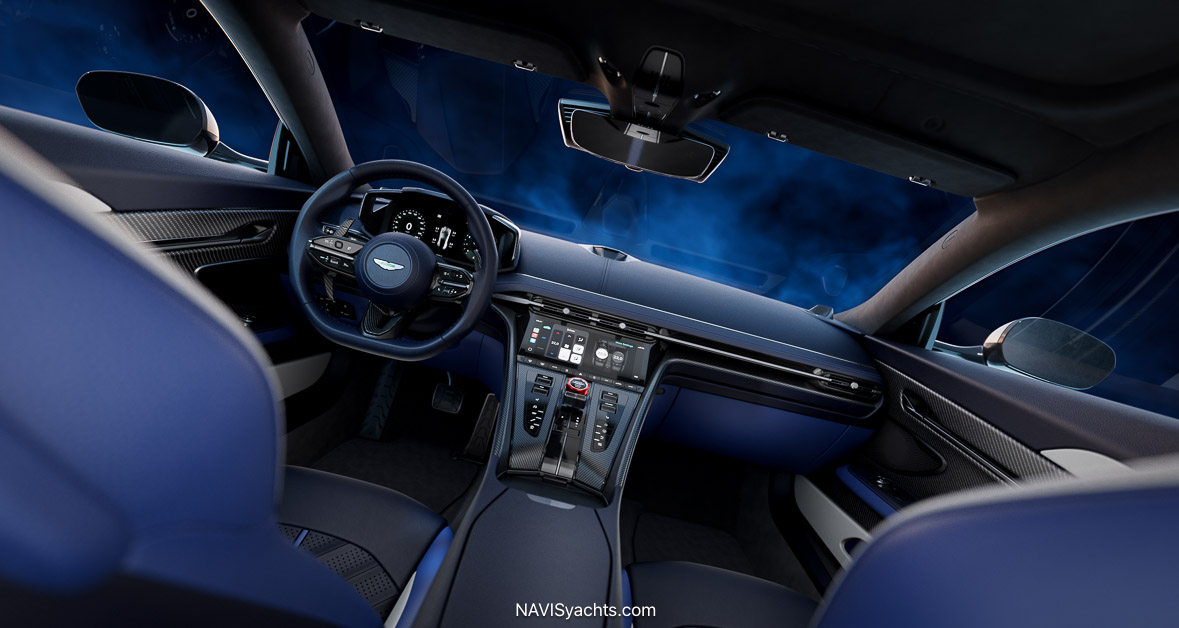
A Car That Explains Itself
In the end, the DB12 succeeds because it understands something fundamental about people: confidence is contagious. When an object appears resolved, when its proportions make sense, its surfaces communicate intent, and its controls fall naturally to hand, we trust it instinctively. The Aston Martin DB12 is built around that idea.
This is a grand tourer designed to be understood instantly and appreciated over time. It doesn’t rely on nostalgia, excess, or spectacle. It relies on clarity. Every line, every surface, every interaction reinforces the same message: this car knows what it is, and it wants you to feel that certainty the moment you meet it. That quiet assurance is its most powerful luxury, and the reason the DB12 leaves such a lasting impression.
Photos: Philip Prupprecht | Words: Pablo Ferrero