
The Maserati MC20 was already operating in the rarefied space of physics and art, and the new MCPURA sharpens both sides of that knife. The numbers are familiar: 621 horsepower, sub-three-second sprints, carbon monocoque, but this is a car that does more than translate spec sheets into motion. On the long layout of The Concours Club, I found myself reaching for more throttle earlier, carrying more speed into late apexes, and trusting the brakes like they were coded into my DNA. Every lap was an acceleration of understanding.
And the setting couldn’t have been more surgical. The Concours Club in Miami feels like a modern design museum. Precision-poured concrete, carefully combed turf, architectural pit suites. But out on track, none of that matters. What matters is the space between throttle and apex, and whether the car you’re in is a co-conspirator or a nervous stranger.
The MCPURA? It’s fluent. In every language you can speak at speed.
The Design: Skin Tight, Air Sharp
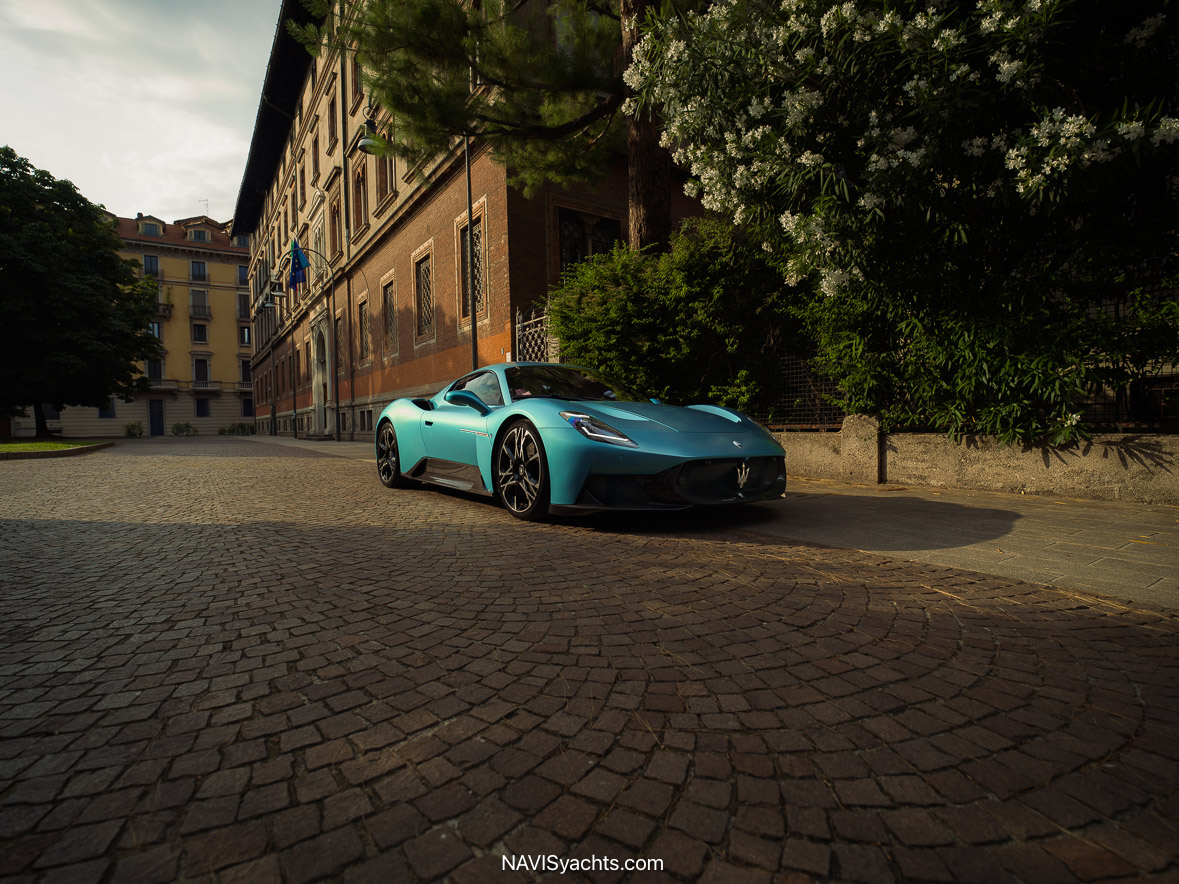
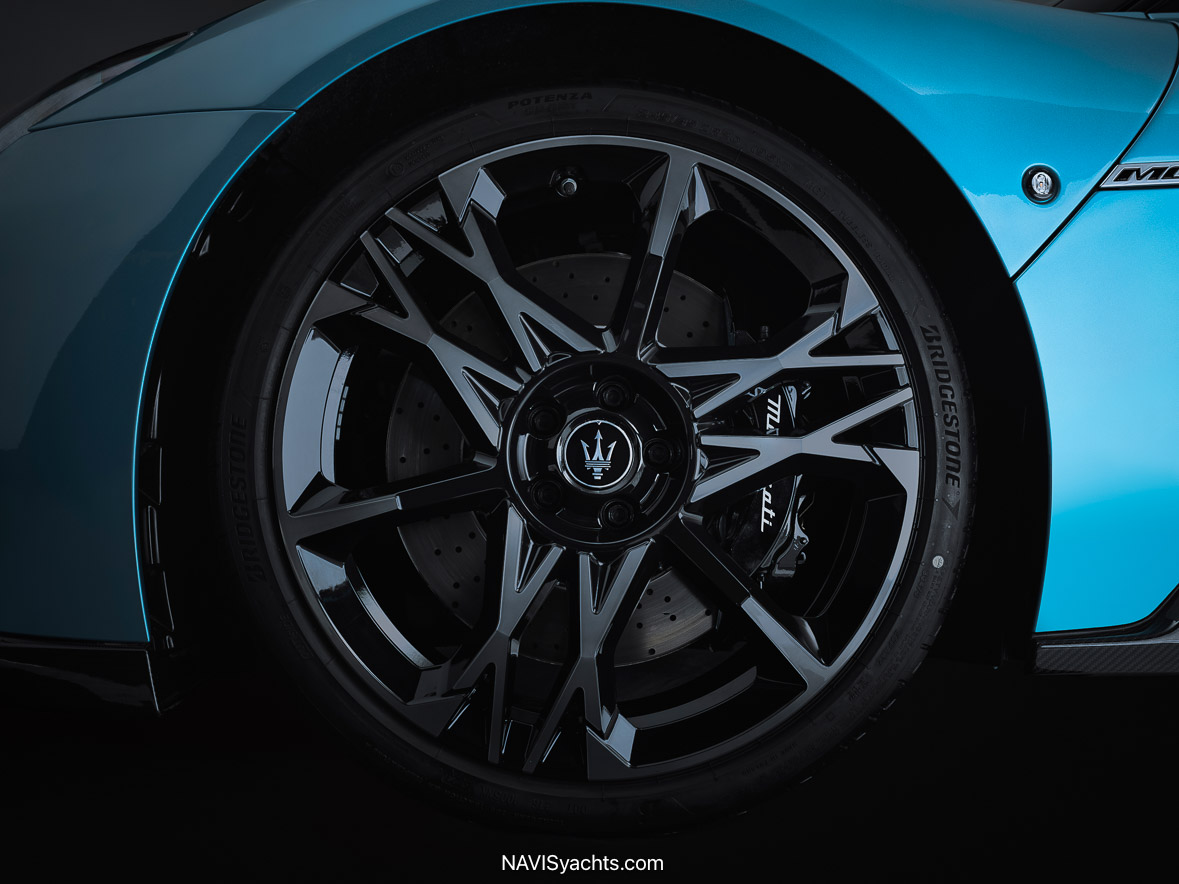
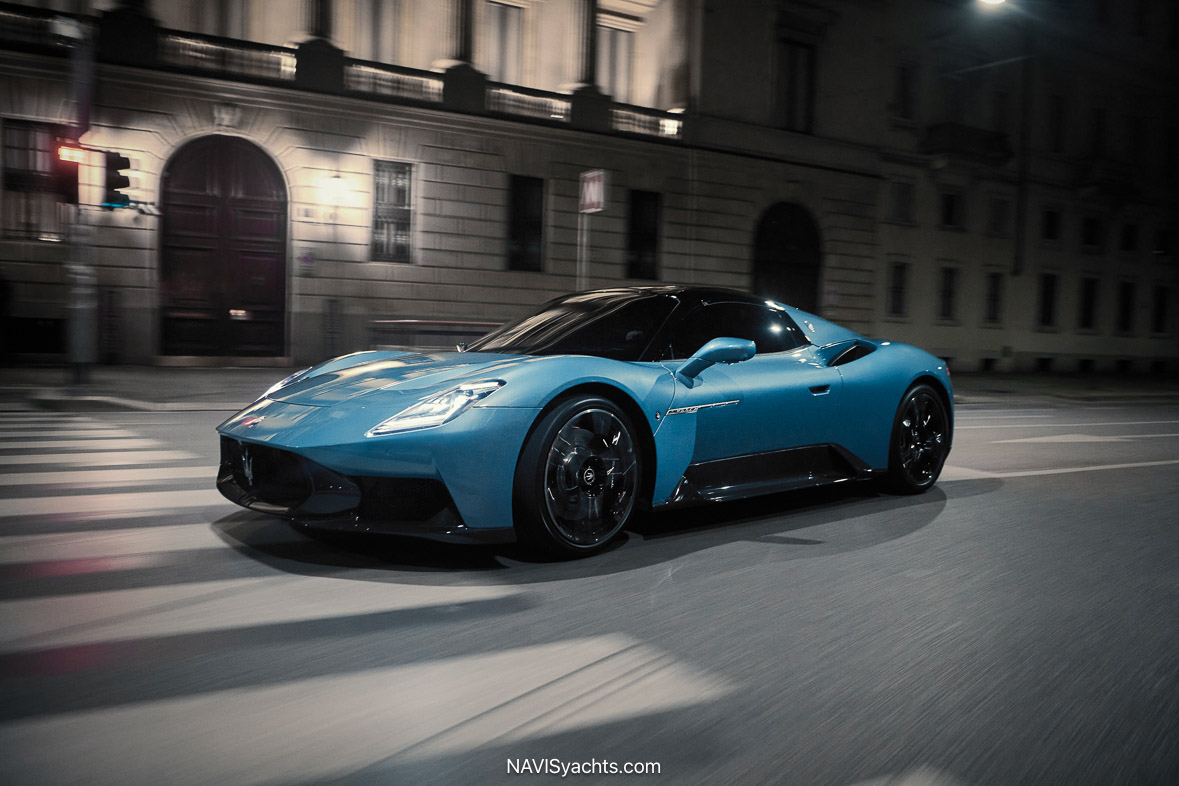
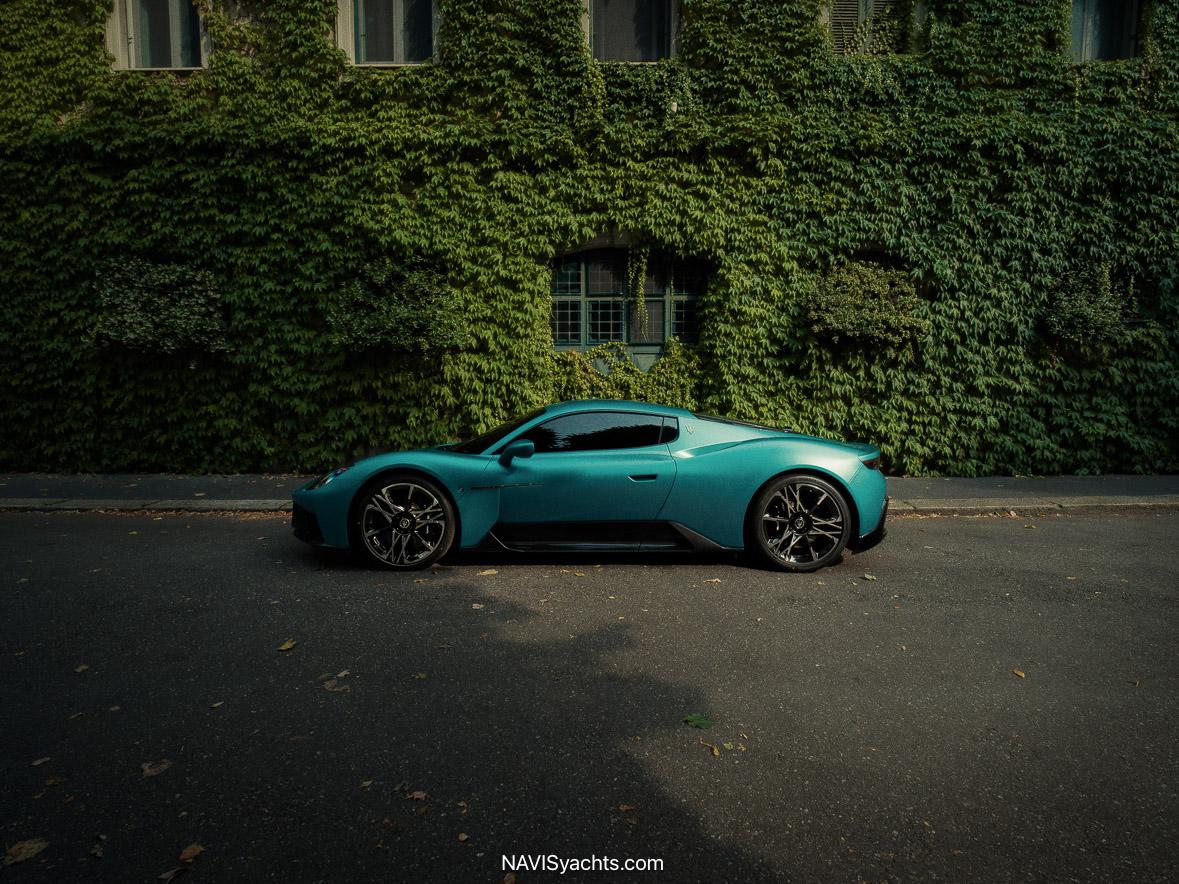
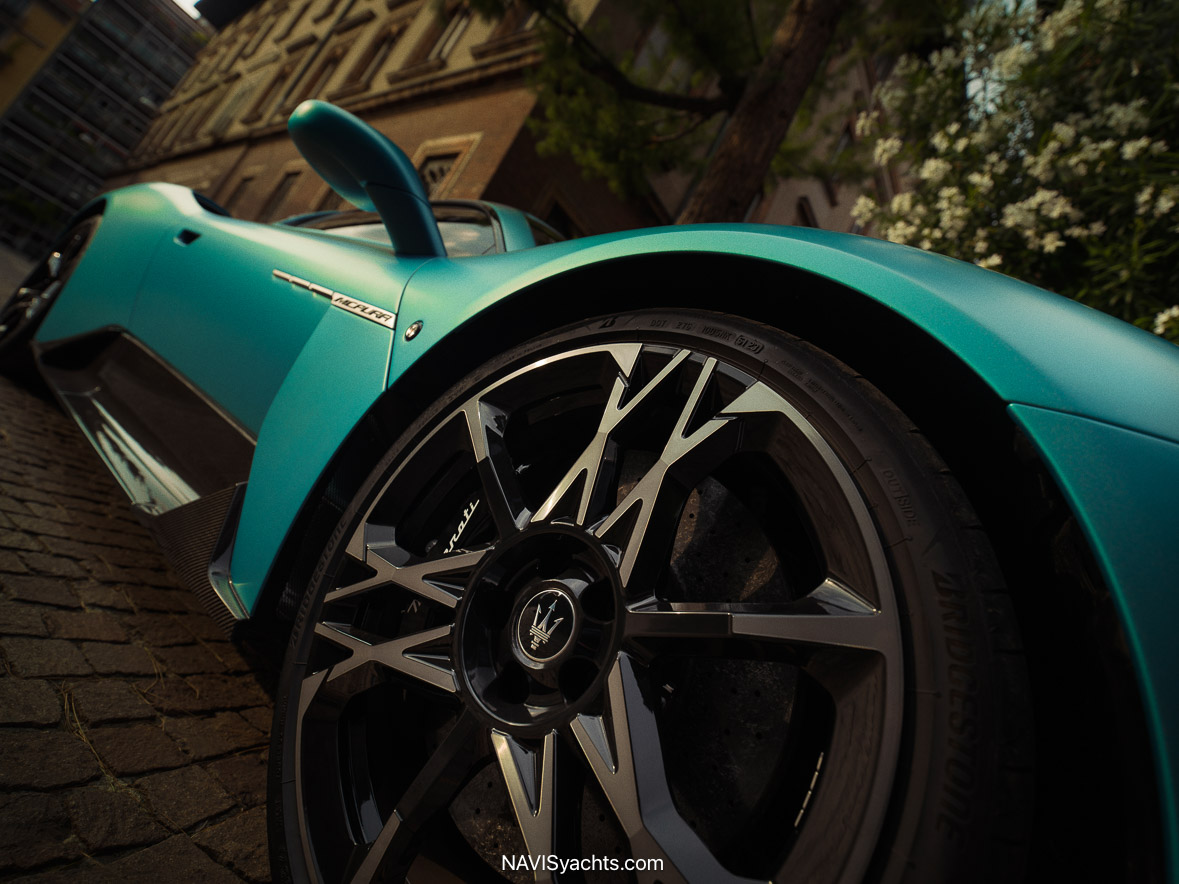
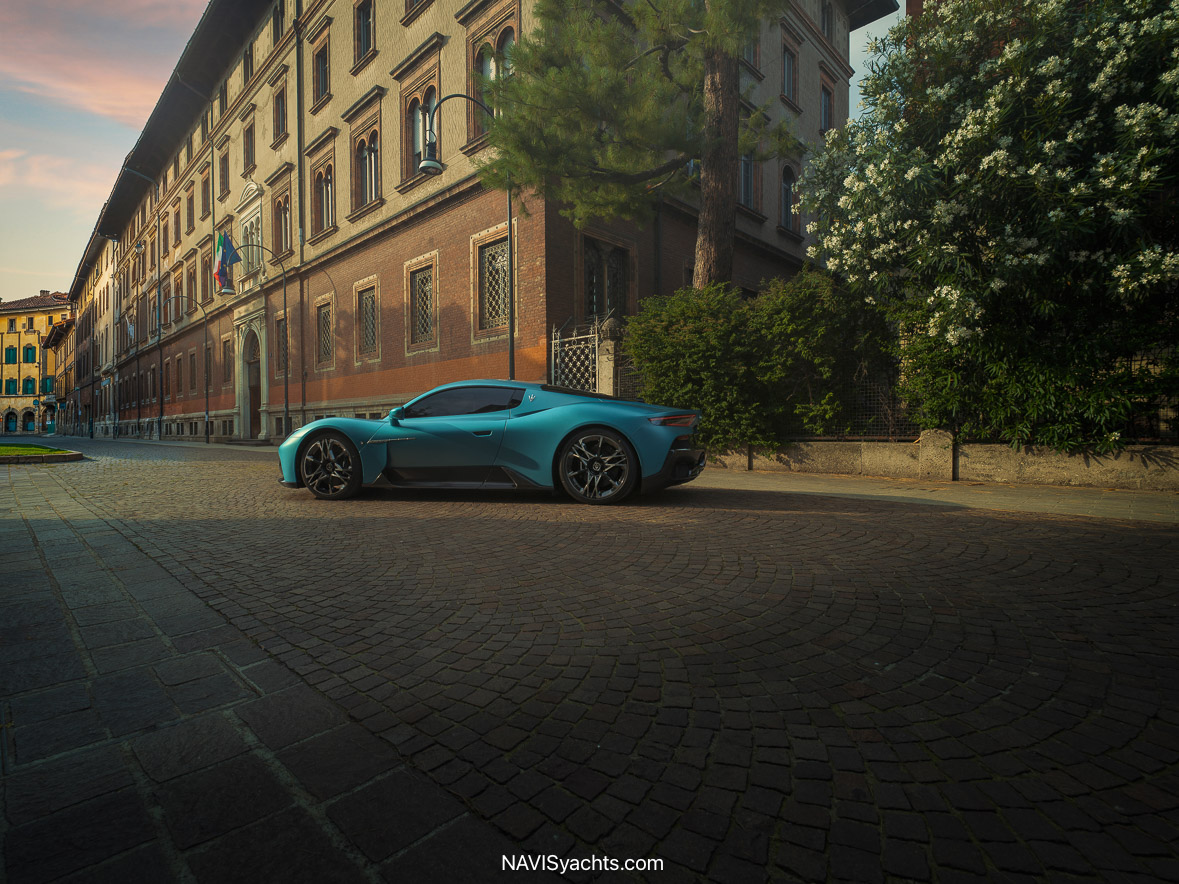
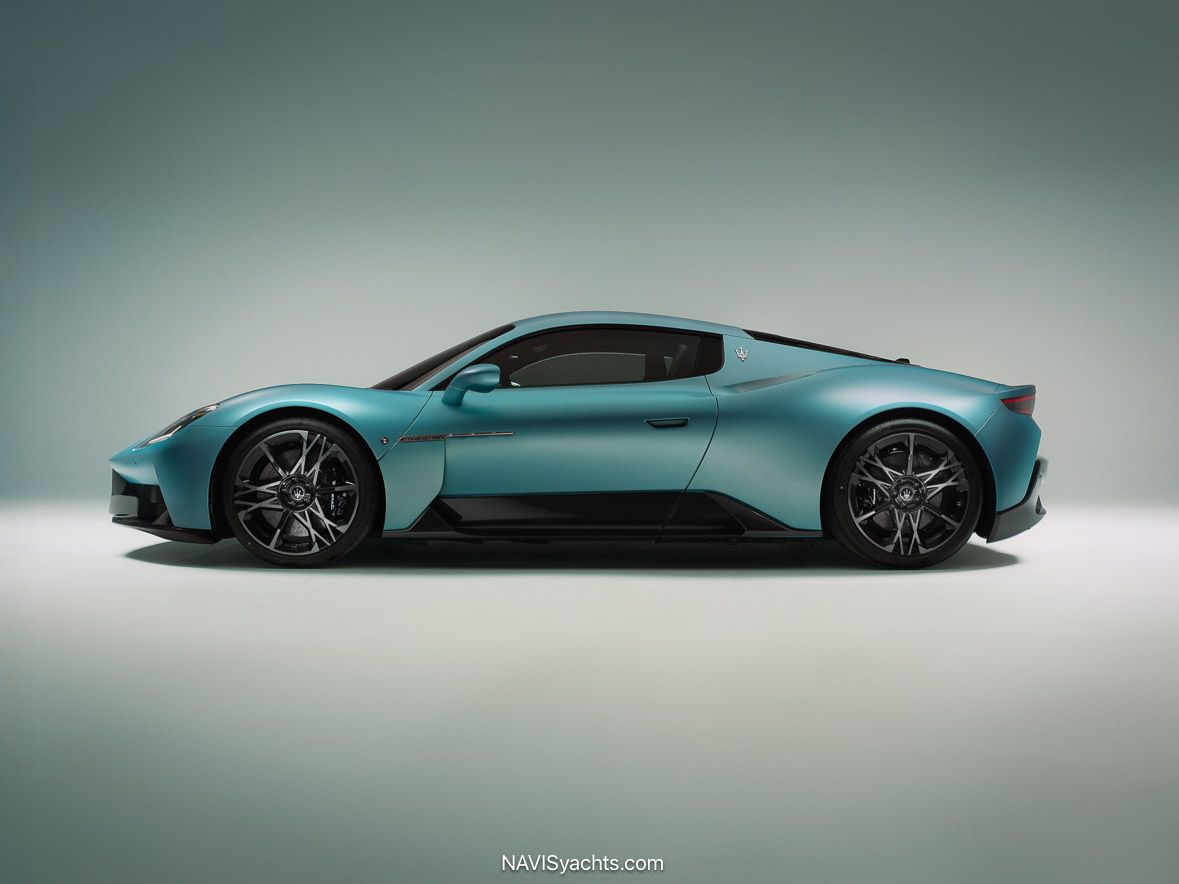
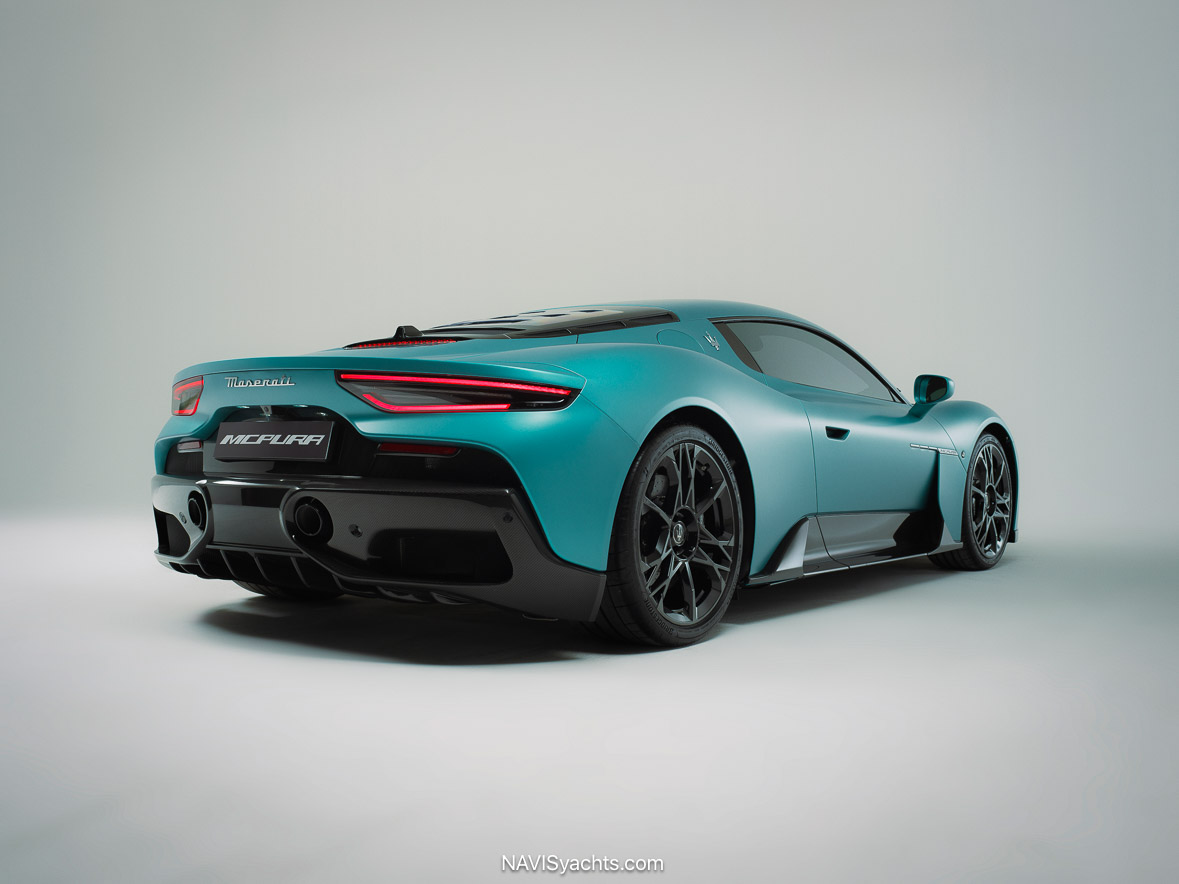
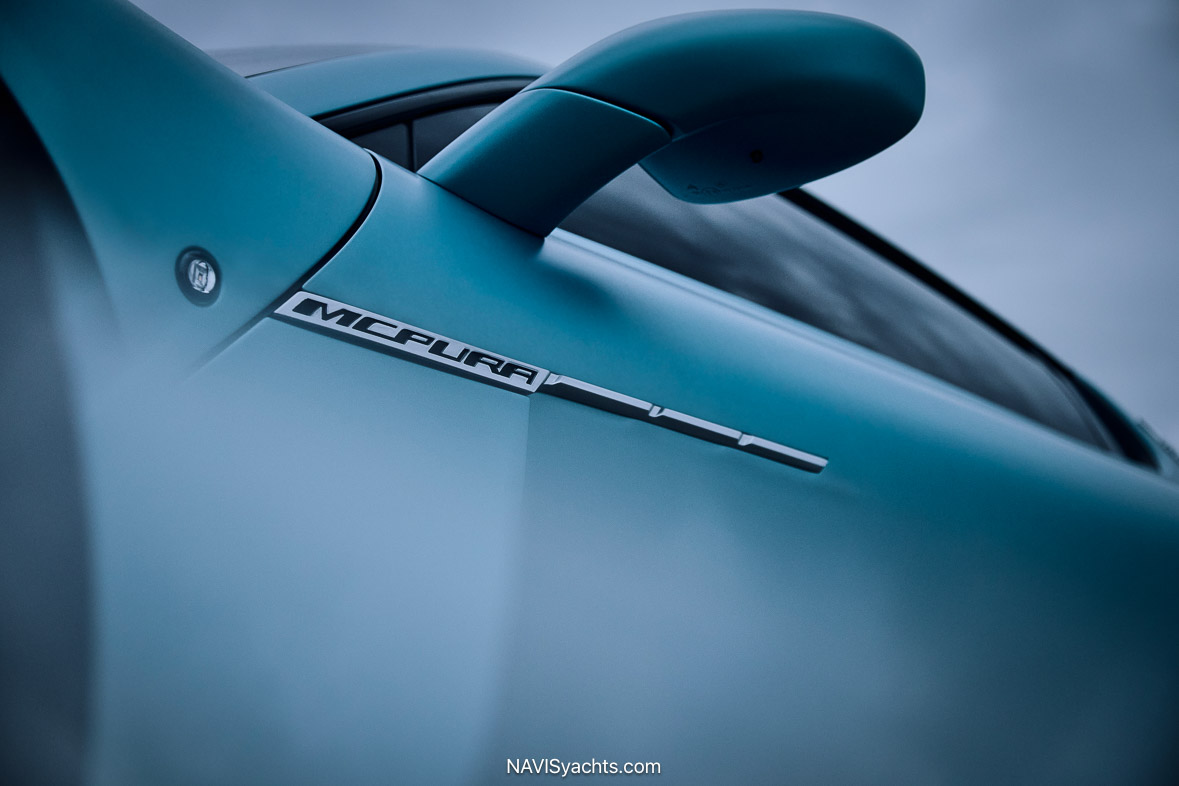
Visually, the MCPURA is still unmistakably MC20, but everywhere your eyes stop, something is more honed. The front fascia has been reshaped, its aero channels and lower splitter cribbed from Maserati’s GT2 race car, but refined, not just for cooling, but for visual velocity. The side skirts are gloss black now, not to hide them, but to refract light along their edges. At rest, the car looks like it’s holding its breath.
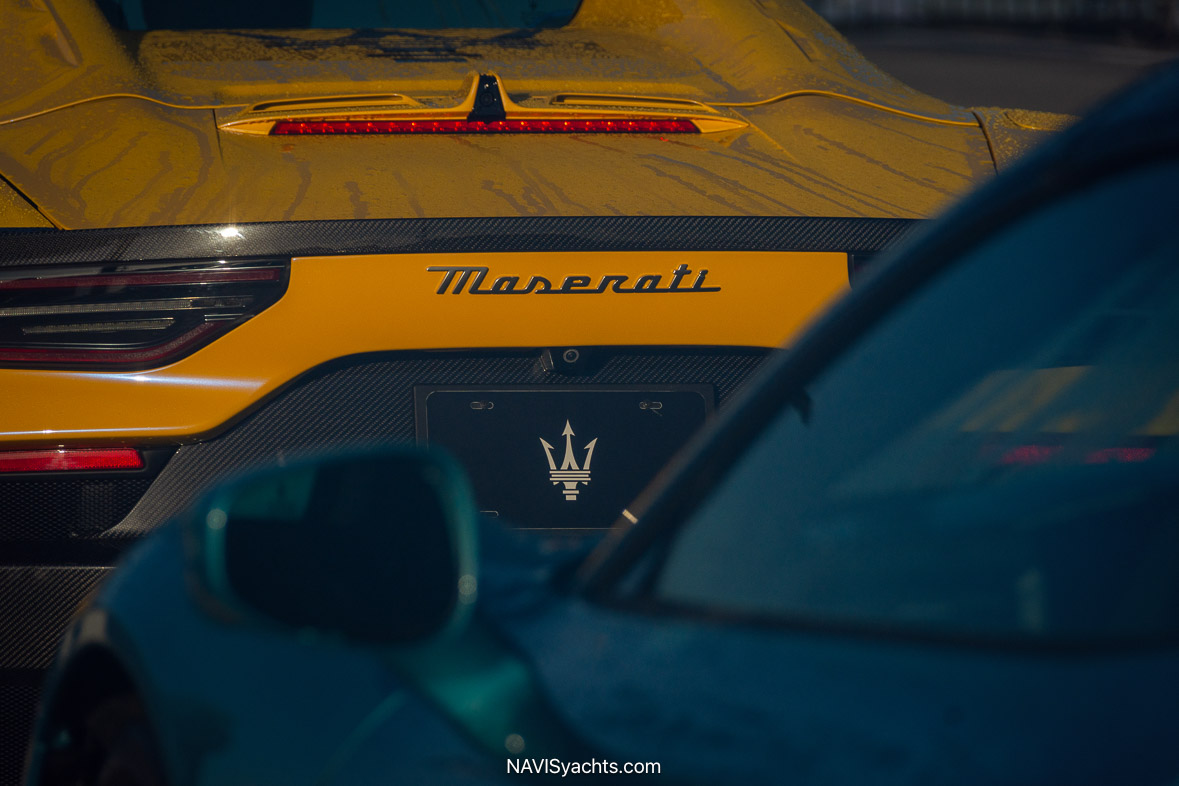
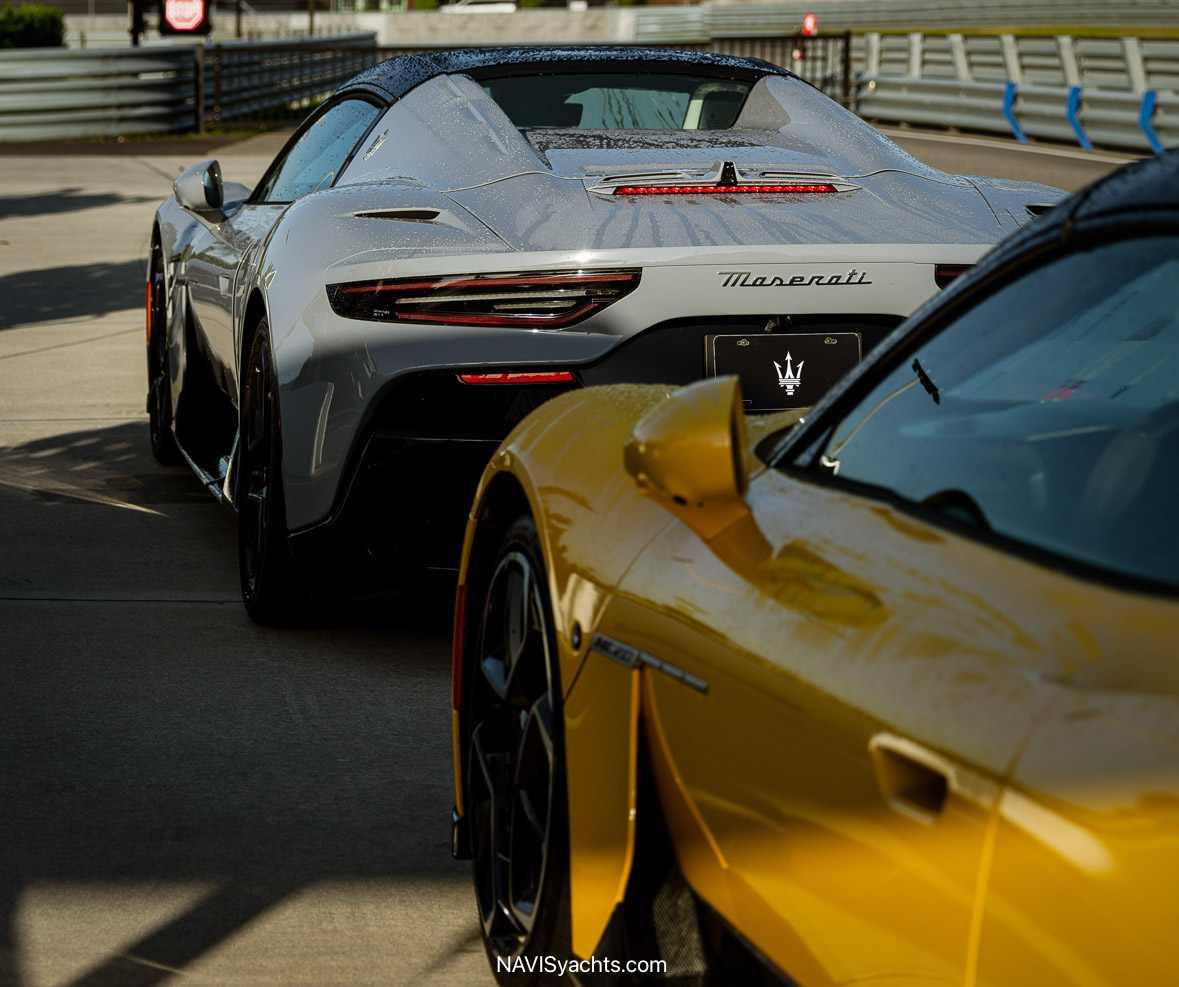
This particular example, one of the limited early builds for North America, wore Giallo Genio, a saturated, high-contrast yellow that radiated like kinetic energy waiting to be released. The shade is loaded with history, nodding to Maria Teresa de Filippis, Maserati’s original F1 heroine. But on this car, under Florida’s laser-cut sunlight, it just looked fast.
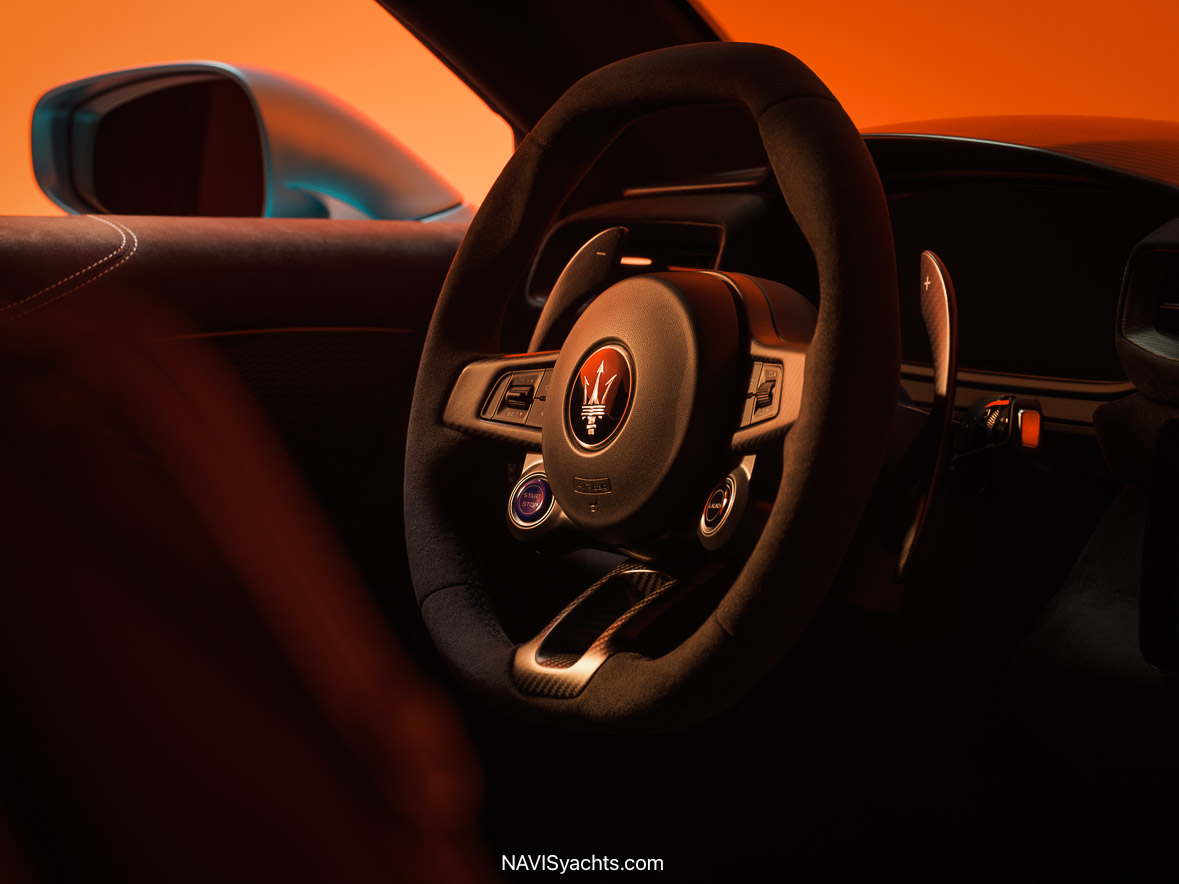
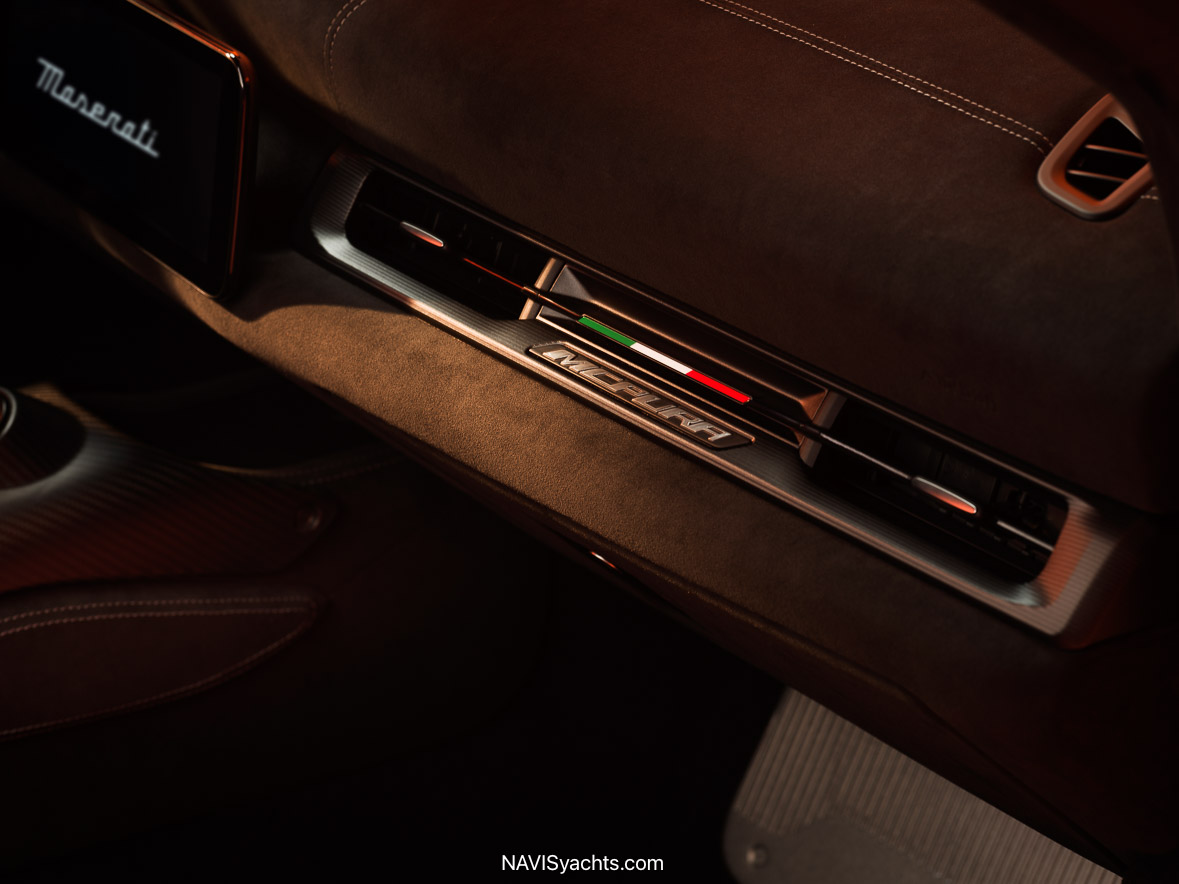
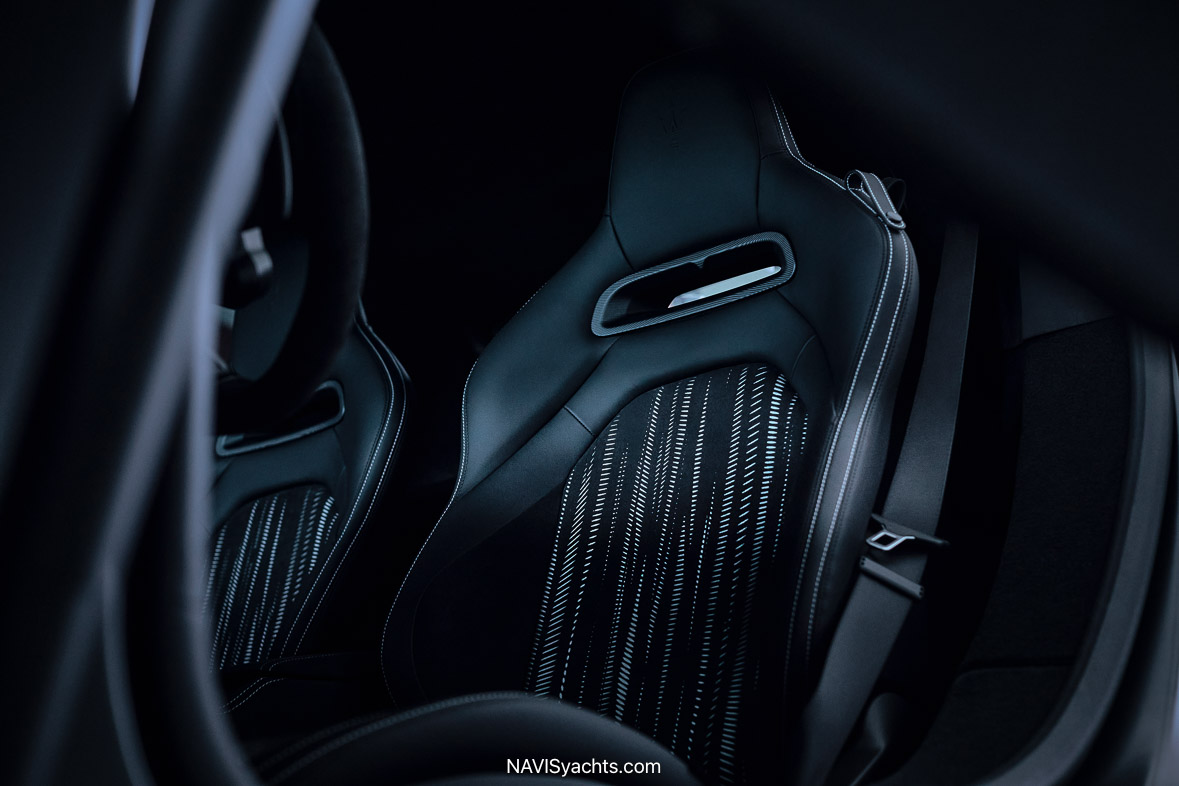
Butterfly doors swing up to reveal an interior re-trimmed in Alcantara and carbon. It feels like the cockpit of something serious. The steering wheel is flat-topped and Alcantara-wrapped, with just two buttons: Start and Launch. The paddle shifters are column-mounted metal slabs, perfectly sized. The center console, thankfully, remains uncluttered. A mechanical drive-mode selector, milled like a luxury dive watch, is your one physical interaction before velocity takes over.
Underneath, it’s still the same Nettuno heart: a 3.0L twin-turbo V6 with Formula 1-derived pre-chamber ignition tech, breathing through an active exhaust system and funneling its fury through an 8-speed dual-clutch transmission. The result? 621 hp. 538 lb-ft. A power-to-weight ratio of 5.21 lbs per horsepower. And a top speed over 202 mph.
But that’s just table setting. The meal happens at speed.
The Track Drive: Concours Club, Nov. 8
The first thing I noticed wasn’t the speed. It was the steering. The MCPURA’s rack is hyper-direct, but not twitchy. The inputs feel surgical. Every degree of wheel movement yields proportional results. There’s no guessing. No delay. Just intent, immediately translated.
We began in CORSA mode, bypassing the more domesticated GT and Sport settings. Throttle mapping in CORSA is aggressive. Exhaust valves are open. Gear shifts hit with force. Suspension stiffens. Stability control backs off to the point of being more suggestion than enforcement.
And so, with a professional coach in the passenger seat, I dropped the hammer onto The Concours Club’s long main straight.
There’s a moment, maybe a second, when the car feels like it’s assessing your commitment. You’re flat on the gas, and it’s moving, yes, but not exploding. Then the boost arrives. The twin turbos light up, and you’re no longer pressing the accelerator so much as holding on to it. The sound goes from throat to scream. The scenery stops approaching and starts warping. The speedometer sweeps past 130 mph before the next braking zone.
“Brake! Brake! Brake!” the coach shouts.
I already was. Just… later than he wanted.
He was patient, but surgical, showing me lines through The Concours Club’s technical sections, where late apexes outnumber early ones and you’re punished for ambition. For the first two laps, I was a half-step behind the car. It was faster than I expected. More capable. But not intimidating. More like it was inviting me to catch up.
Then it clicked.
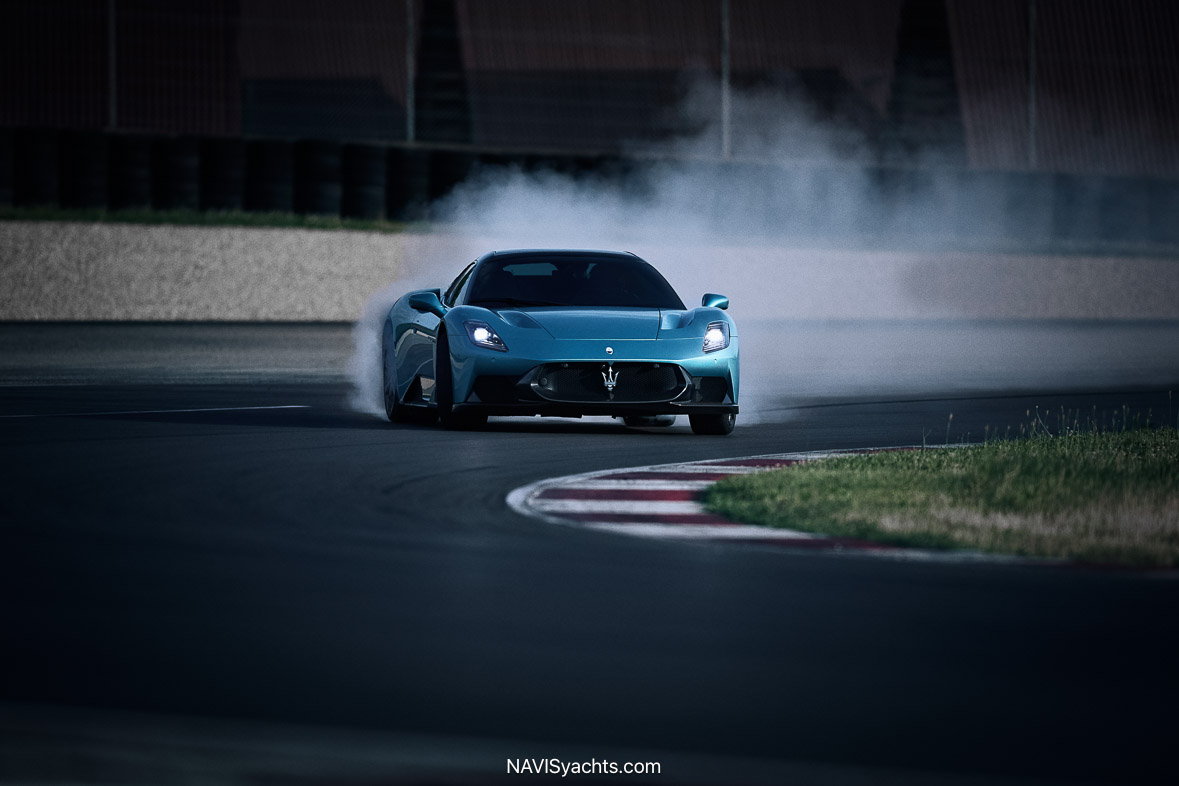
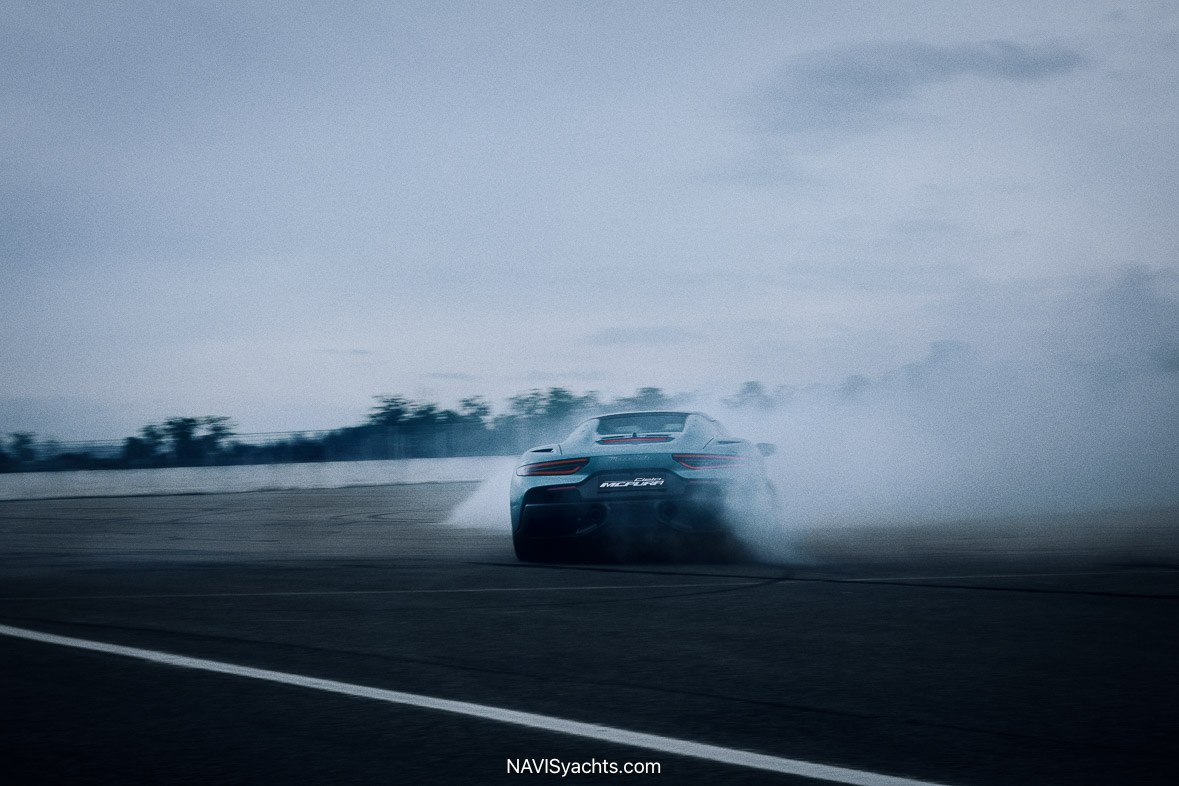
Lap three, exiting a decreasing-radius right-hander into a long pull, the car and I reached sync. Brake. Downshift. Apex. Roll into throttle. The tires spoke, a low hiss of scrub, and then the rear stayed planted as the chassis rotated, neutrally, predictably. The car wasn’t leaning. It wasn’t squatting. It just was. Perfectly composed. Like the track surface and the tires had come to an agreement and left me to execute the dance.
The brakes deserve a chapter of their own. Massive carbon ceramics, with a pedal feel that stays linear lap after lap. There’s no guesswork. No sponge. You commit, and the car scrubs speed with brutal consistency. From 130 to 40 in less than two seconds, and then, back to throttle.
The coach stopped shouting. He started pointing. “Good. That’s it. Let it run out wide. Trust it.”
The Conversation After
When I finally climbed out, the butterfly door arcing above me, I just smiled. Couldn’t speak for a few minutes. The adrenaline leaves a residue, a kind of fizz under the skin. It was pure satisfaction.
Around us, the paddock echoed with idling V6s and low murmurs from other drivers coming off their sessions. No music. Just the pulse of performance machinery waiting for its next turn. I caught sight of the car again, still ticking as it cooled, still radiating that violent yellow like heat shimmer, and walked a slow circle around it.
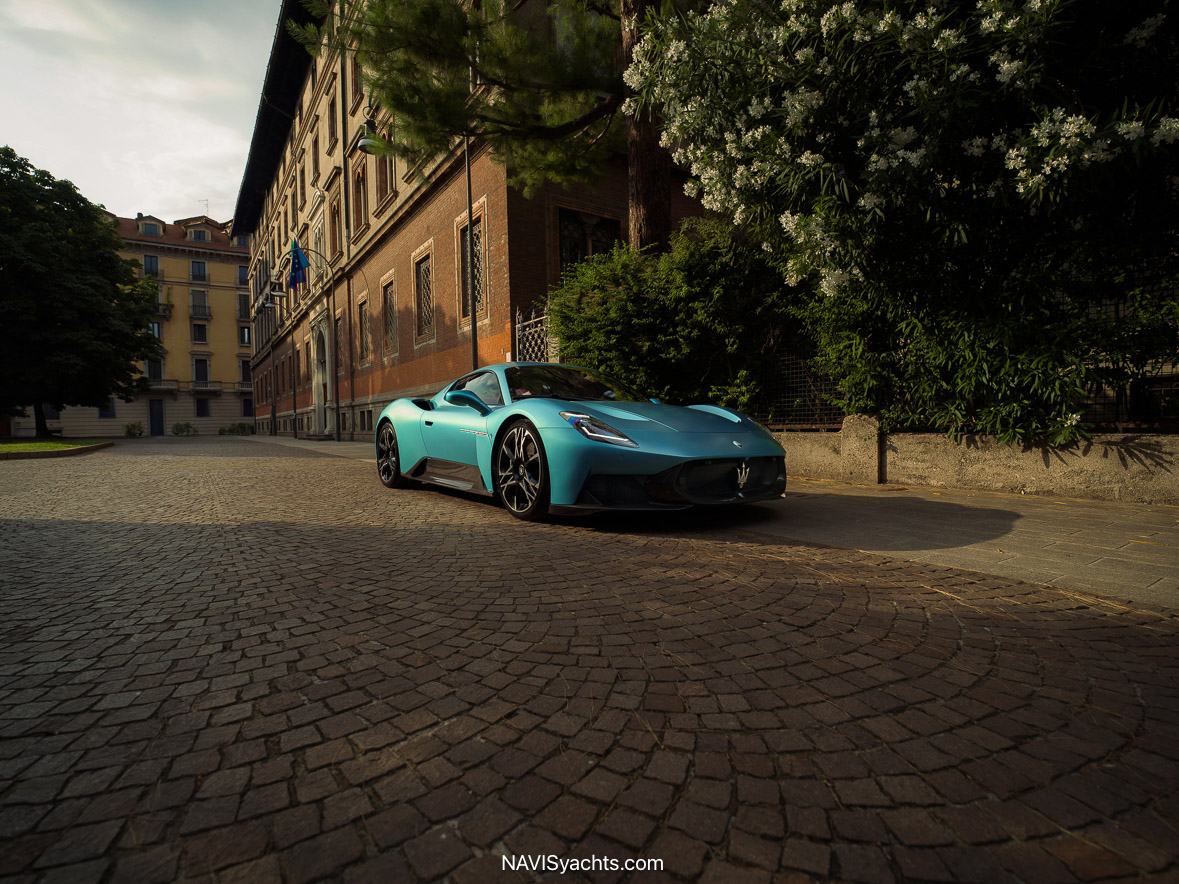
From the outside, you wouldn’t know the violence it can unleash. It’s beautiful in the classic Italian way, symmetrical, low-slung, almost delicate. But inside, and at speed, it’s a weapon. A fluent, balanced, precise instrument that can read your inputs faster than you can second-guess them.
Where It Lands
Sharper aero, tauter dampers, richer cabin. The MCPURA is not a complete reinvention of the MC20. That was the car that announced Maserati’s return to form. This is the evolution. The finessed, optimized, slightly angrier version. The aerodynamic tweaks matter. The suspension feels more resolved. And the interior, while still minimalist, feels more considered, especially with the new Alcantara details and racing-inspired additions from the GT2 Stradale lineage.
It’s rare to get into a supercar that makes you feel something beyond awe. Fear, maybe. Respect, for sure. But the MCPURA makes you feel trusted. It doesn’t nag or save you from yourself until you’re reckless. It lets you explore, right up to the edge of grip, and only complains when you get sloppy. That’s a dialogue worth having.
In a world where performance is increasingly abstracted through screens and software, the MCPURA reintroduces sensation. It doesn’t just let you go fast. It lets you feel fast. You learn it. It learns you. And when the two sync up, somewhere around Lap Four, it doesn’t feel like you’re driving a car. It feels like you’ve finally met a machine that speaks your language.
Maserati MCPURA Coupe
- Engine: 3.0L Twin-Turbo V6 “Nettuno”
- Power: 621 hp @ 7,500 rpm
- Torque: 730 Nm (538 lb-ft) @ 3,000–5,500 rpm
- Transmission: 8-speed DCT
- Drive: Rear-wheel drive
- Weight: 3,307 lbs
- 0–60 mph: <2.9 seconds
- Top Speed: >202 mph
- Price: $246,000 (U.S.)
Photos: Luciano Consolini, NAVIS Media | Words: Pablo Ferrero