
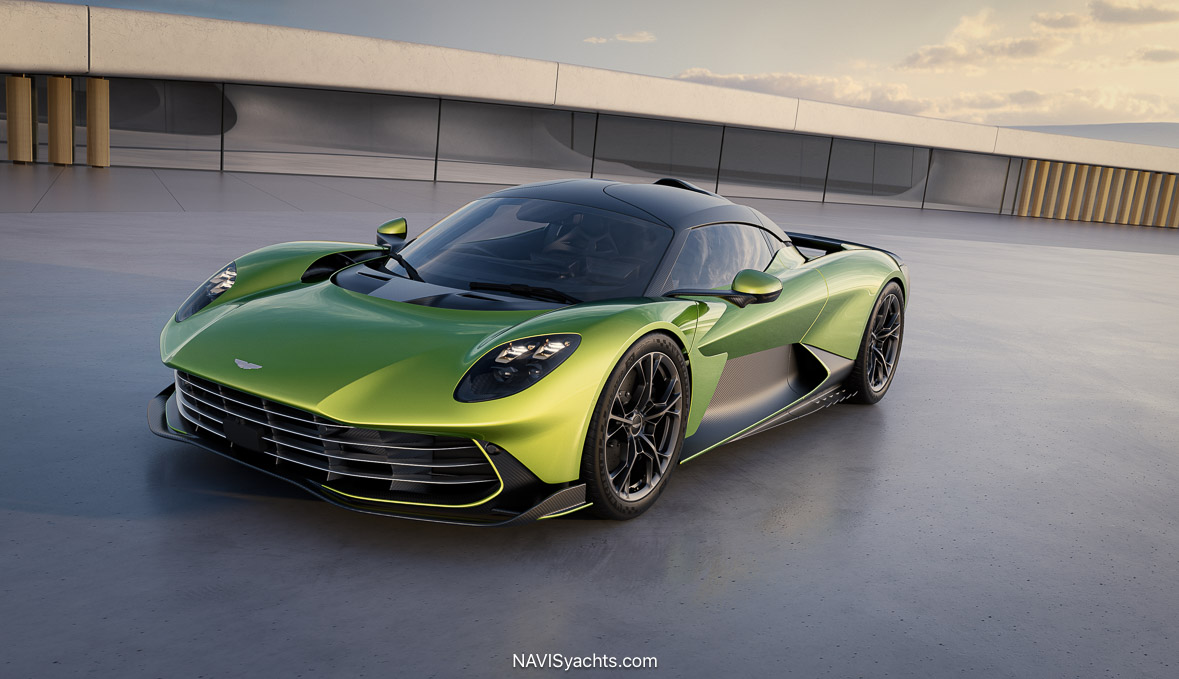
Let’s take a moment to appreciate where we are. The year is 2025, Aston Martin has its own Formula 1 team, a lineup of turbocharged grand tourers, and now, finally, a proper mid-engined supercar that doesn’t exist solely to adorn a billionaire’s garage but is actually being built for the road. Valhalla, a car whose name implies heavenly reward for those slain in battle. If that sounds like overkill for a plug-in hybrid, it probably is. But Aston Martin, now in full transformation mode under Lawrence Stroll’s regime, is less concerned with subtlety than with making noise, in every sense of the word.
Valhalla is a statement. A carbon-bodied declaration that Aston Martin will no longer be relegated to pretty GTs and soft-shod tourers. This one snarls through a flat-plane V8, pivots through pushrod suspension, and can be driven in pure EV mode, at least until the batteries run out and all hell breaks loose.
Still, for all its engineering theater, Valhalla matters not because of what it is, but because of where it sits. Between Valkyrie’s track-bound lunacy and the still-distant electric future, this is the car Aston hopes will cement its legitimacy with the clientele who buy Koenigseggs on Thursday and yachts by the weekend.
The Shape of a Statement
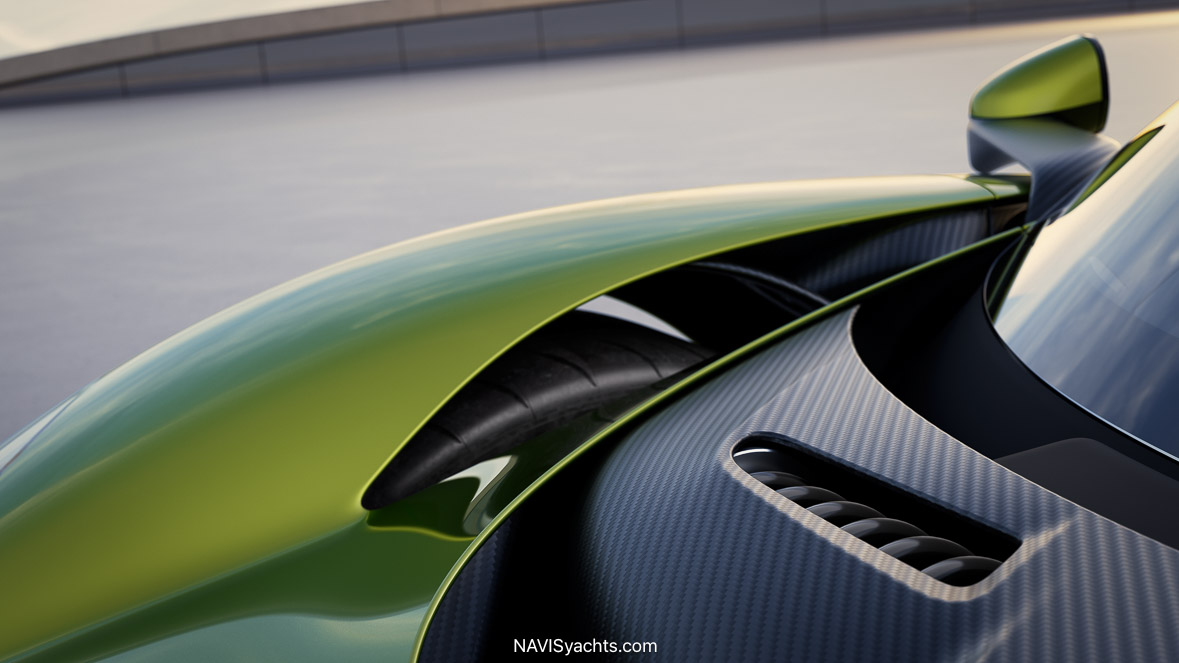
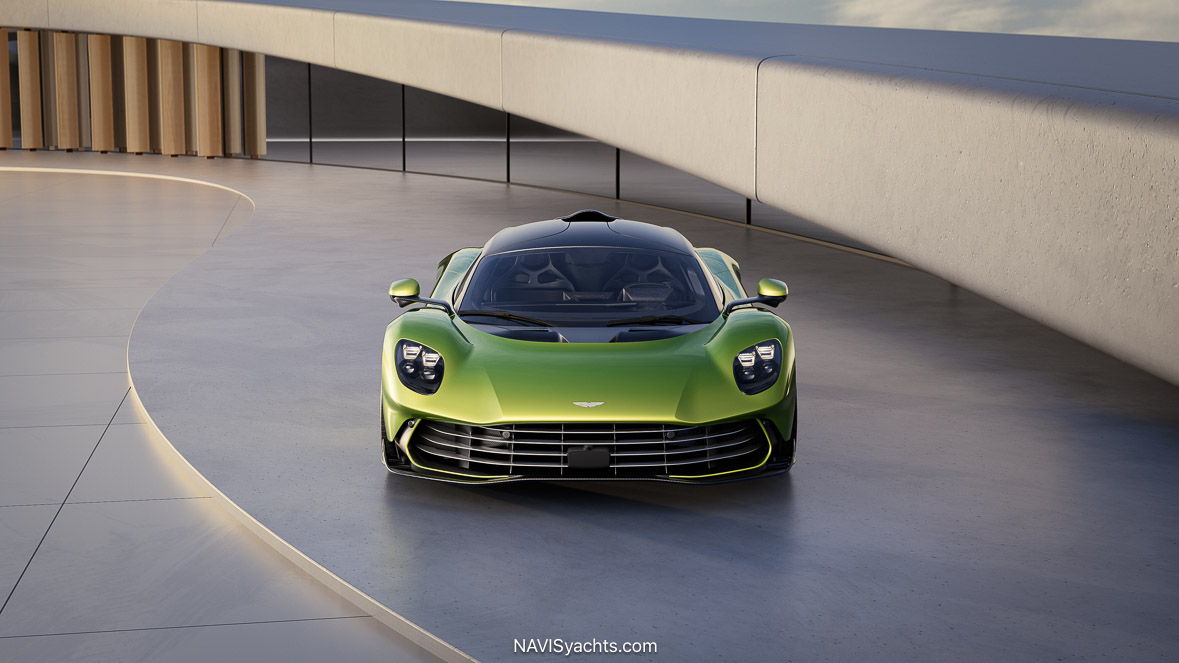
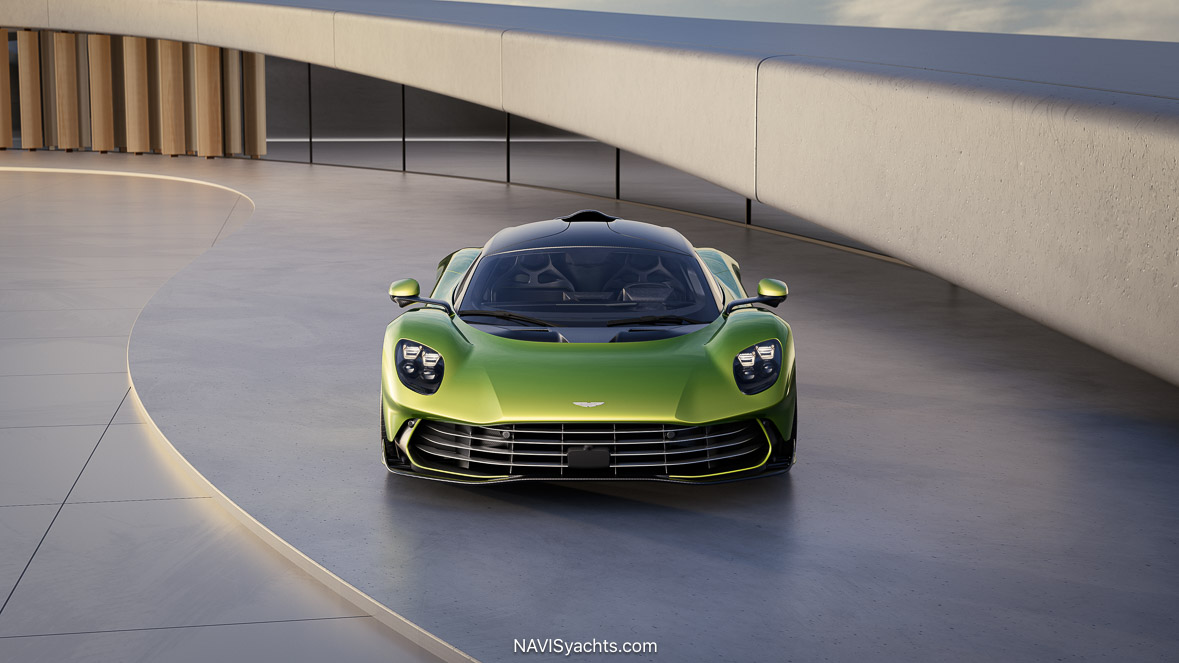
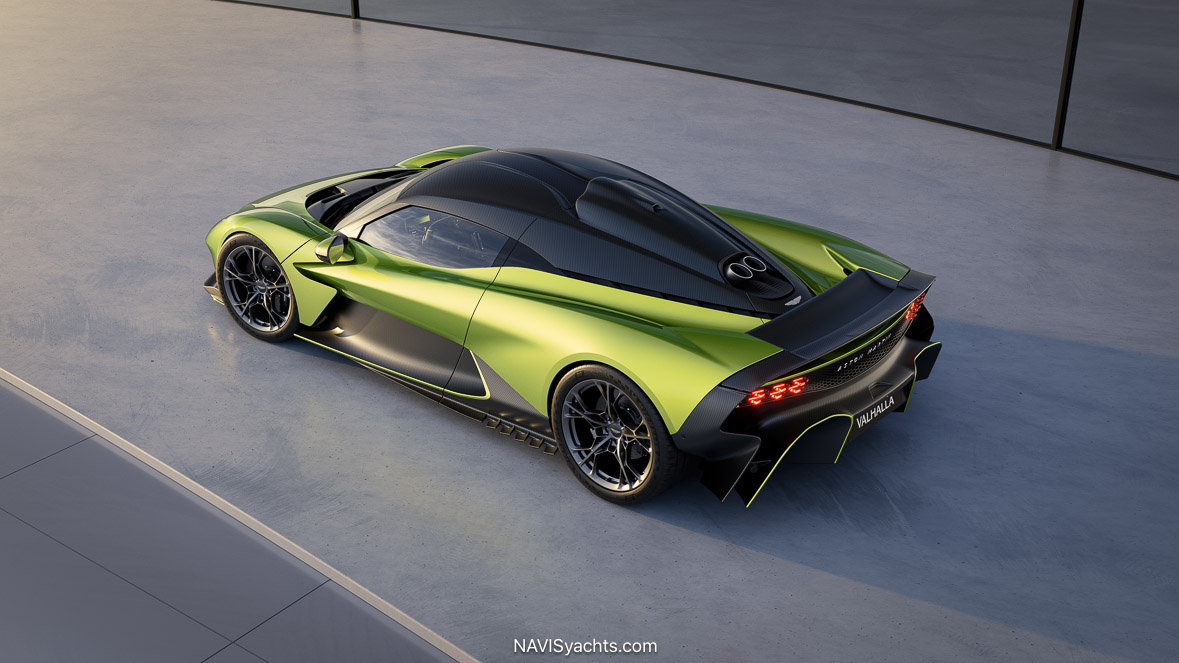
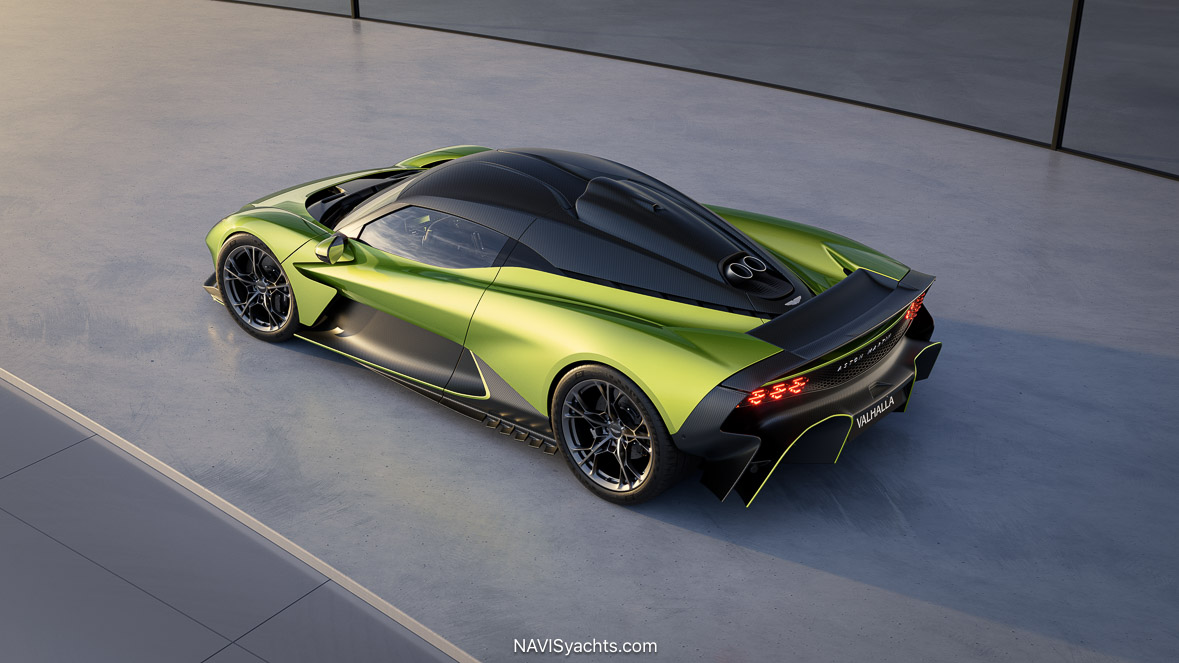
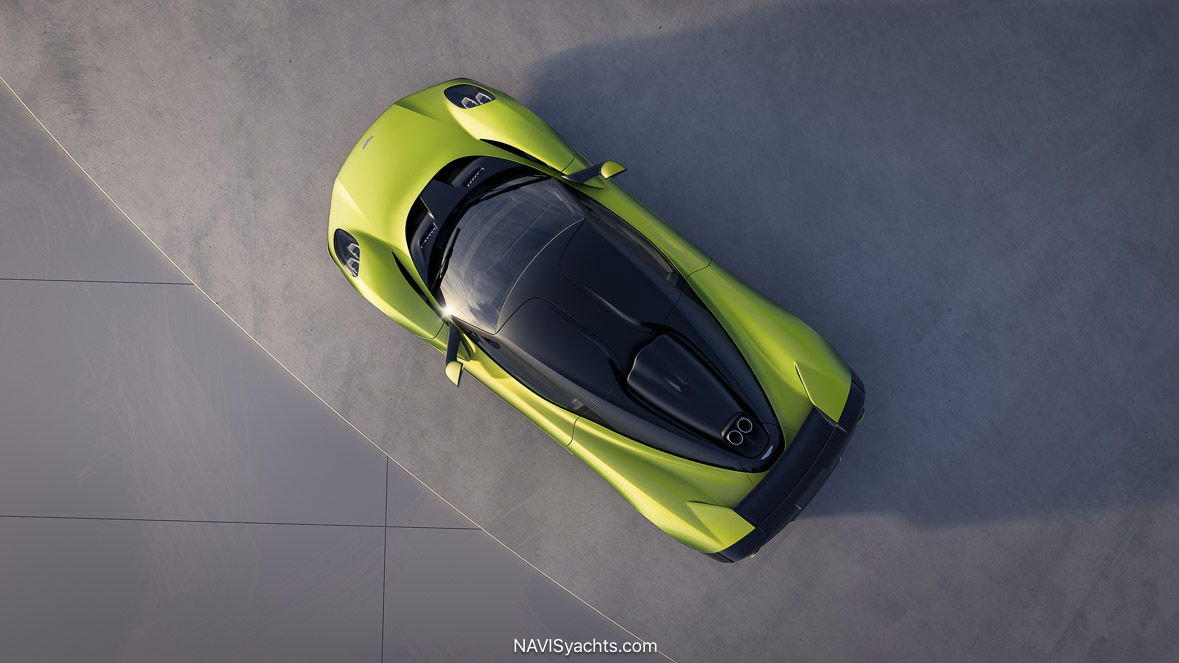
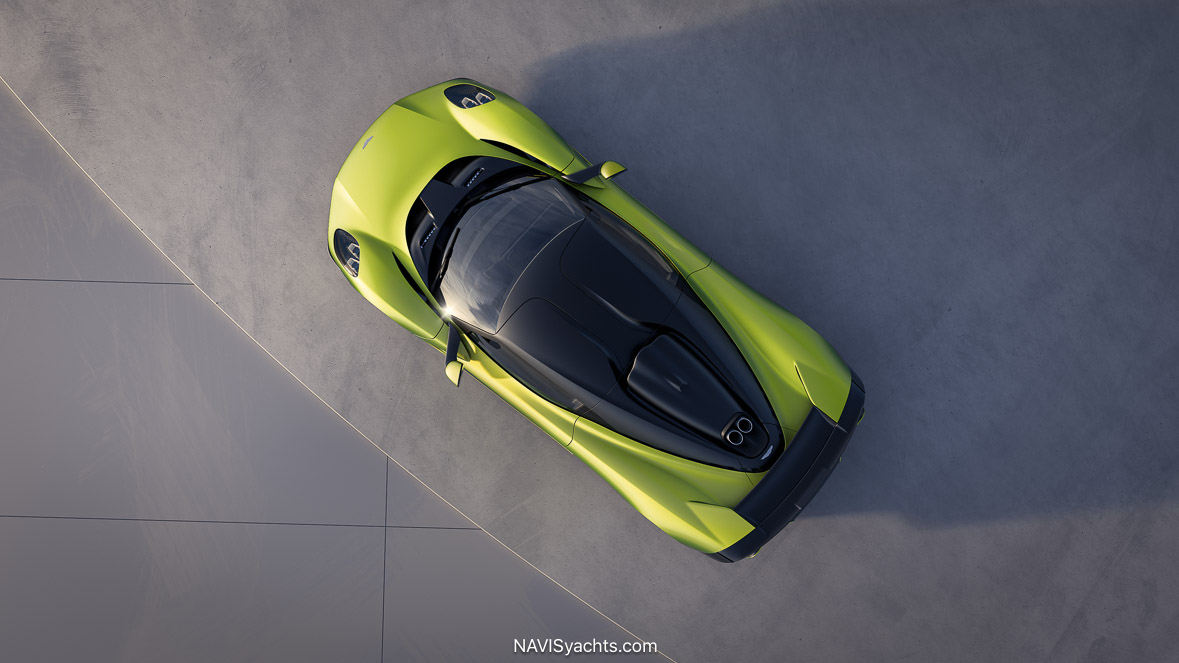
If Valkyrie was a spacecraft disguised as a car, Valhalla is the sculpture that followed. The proportions are dramatic but balanced, measured with a designer’s eye rather than a wind tunnel’s brute logic. This is Aston Martin’s first production mid-engined supercar, and it shows. The cabin is pushed forward, the hips are swollen with intent, and the body is draped in carbon fiber like a Savile Row suit molded over a sprinter’s physique.
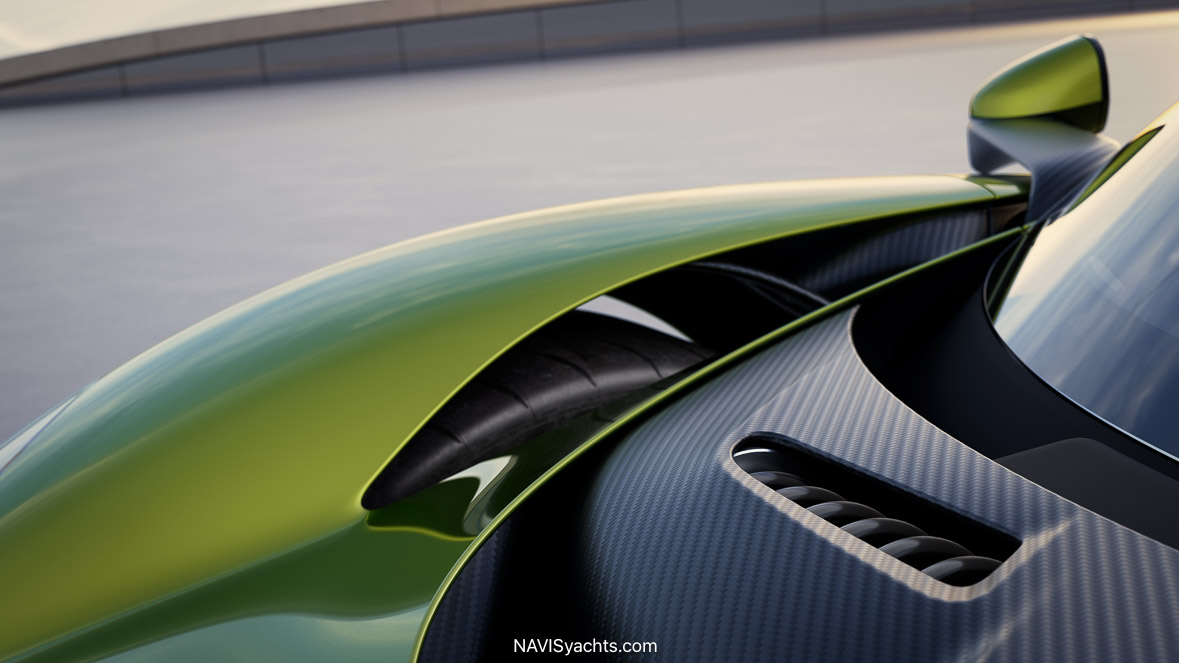
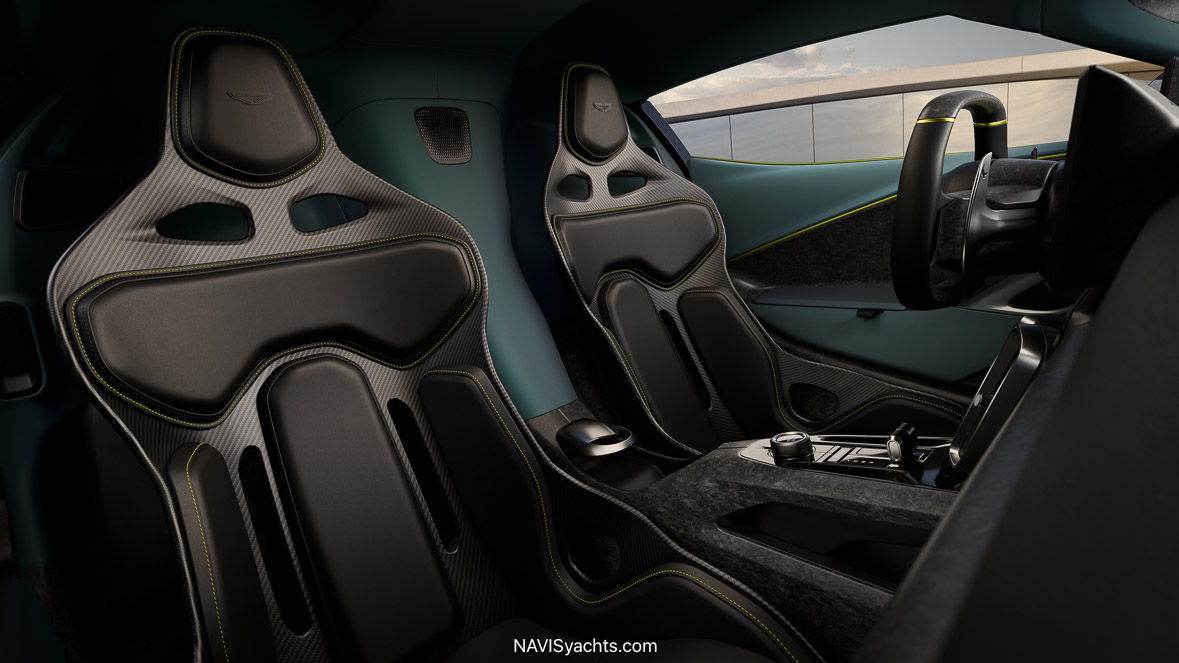
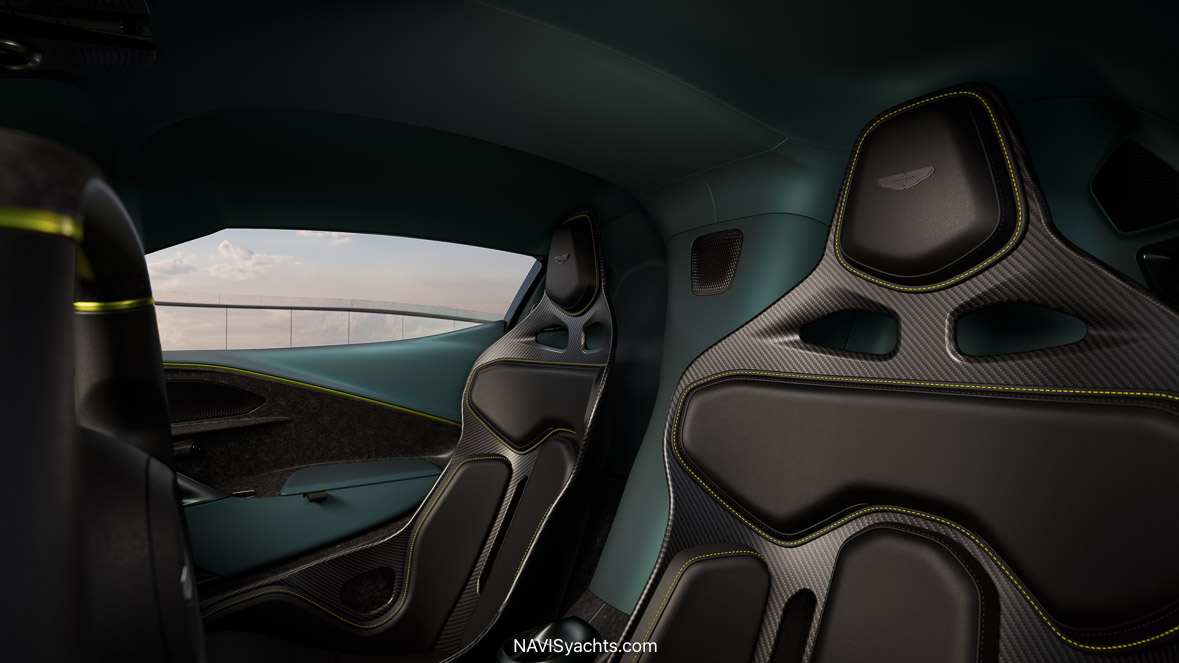
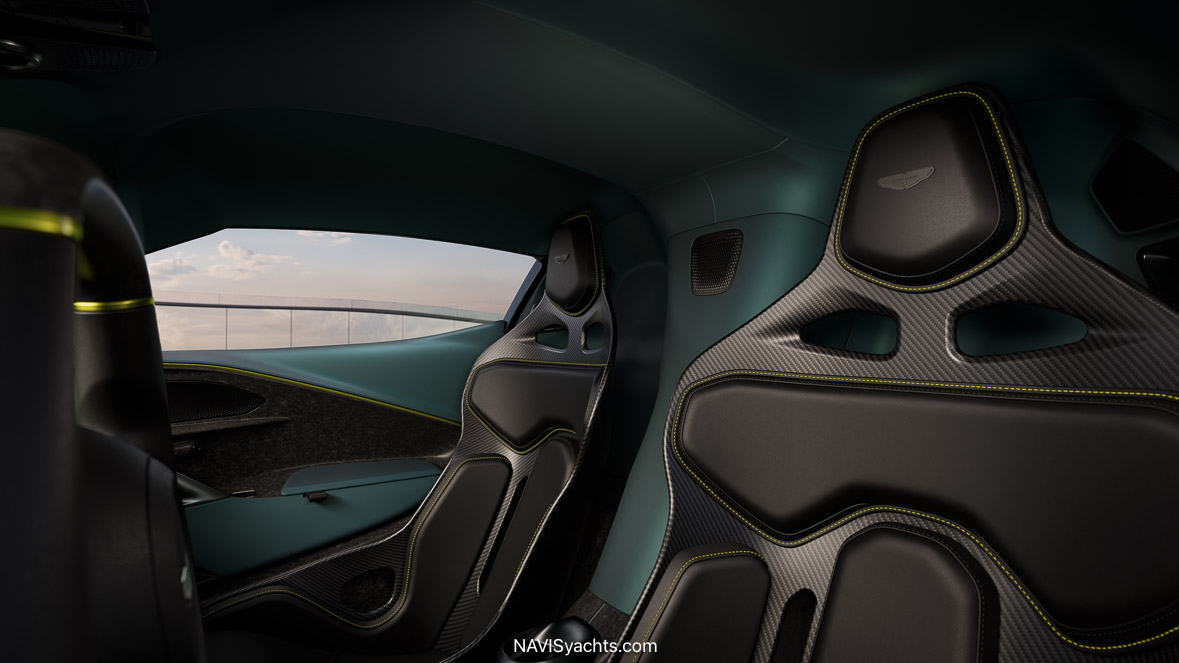
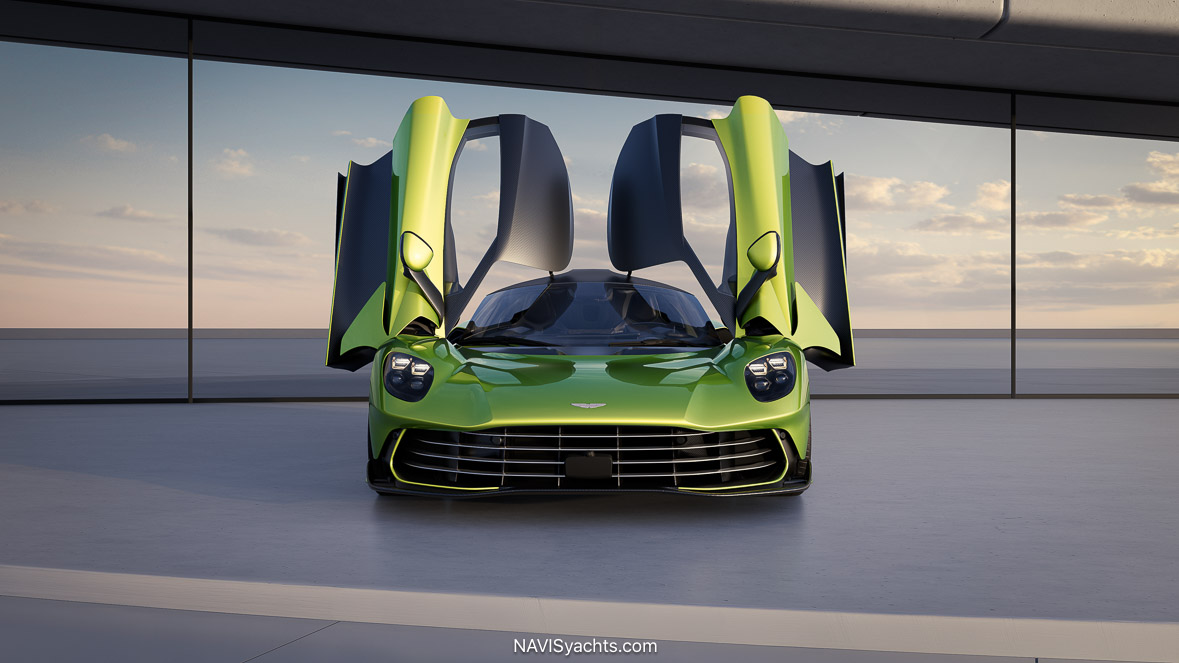
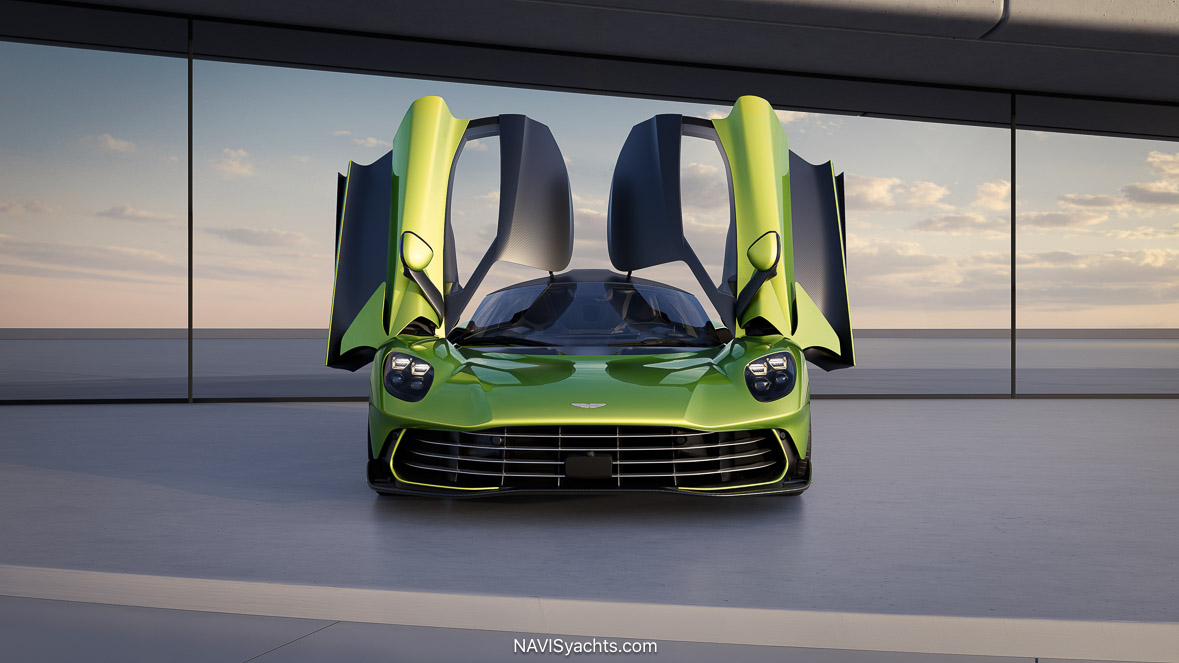
There are dihedral doors, naturally, and they rise like wings to reveal a cockpit framed by a carbon monocoque tub. But there’s more substance than theatre here. Cutouts in the roof make ingress surprisingly elegant. The sills are low enough that you don’t need yoga to get in or out. Even the door inner surfaces serve aerodynamic purposes, channeling airflow to hidden radiators that cool the V8 and transmission more effectively than traditional scoops.
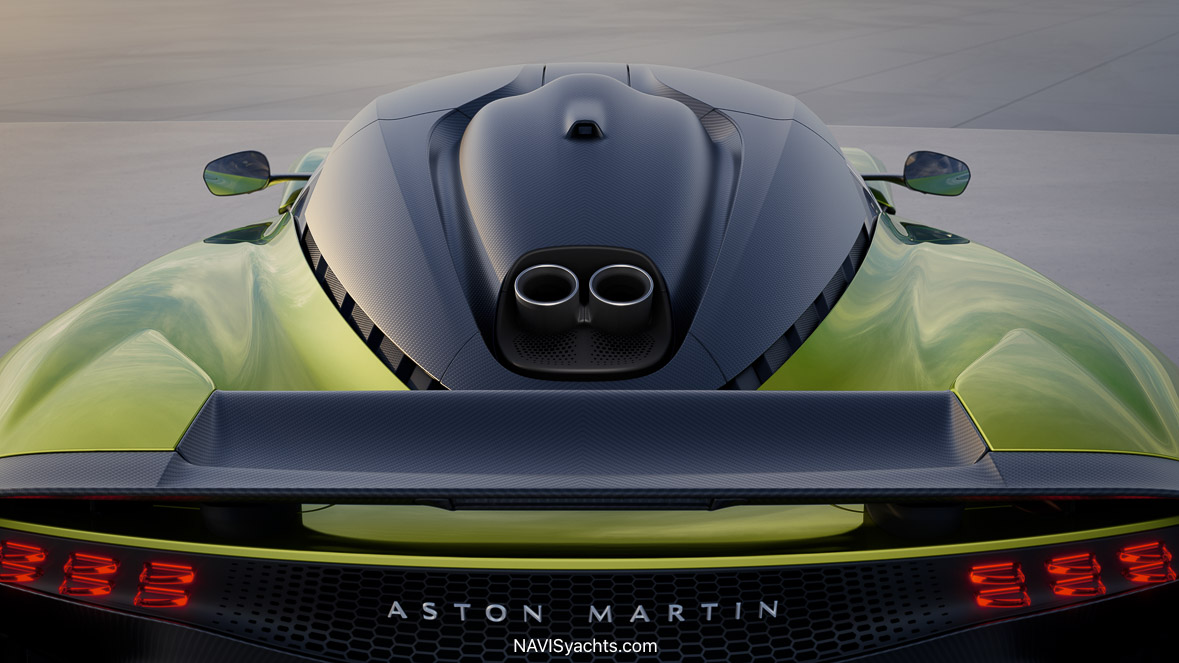
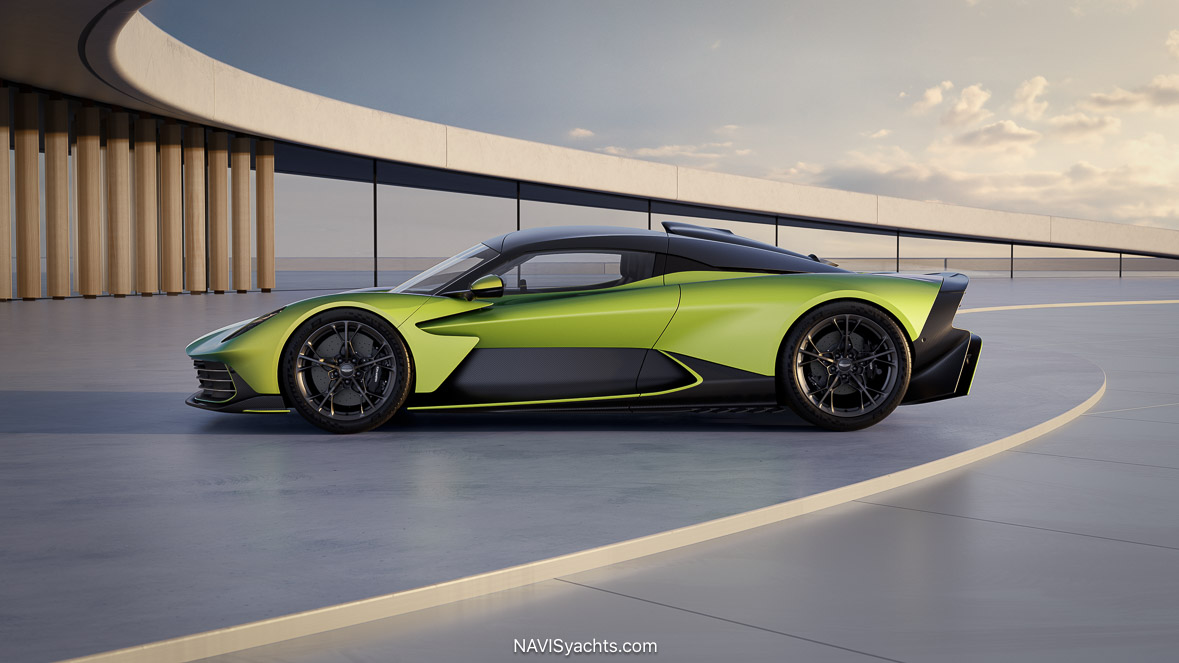
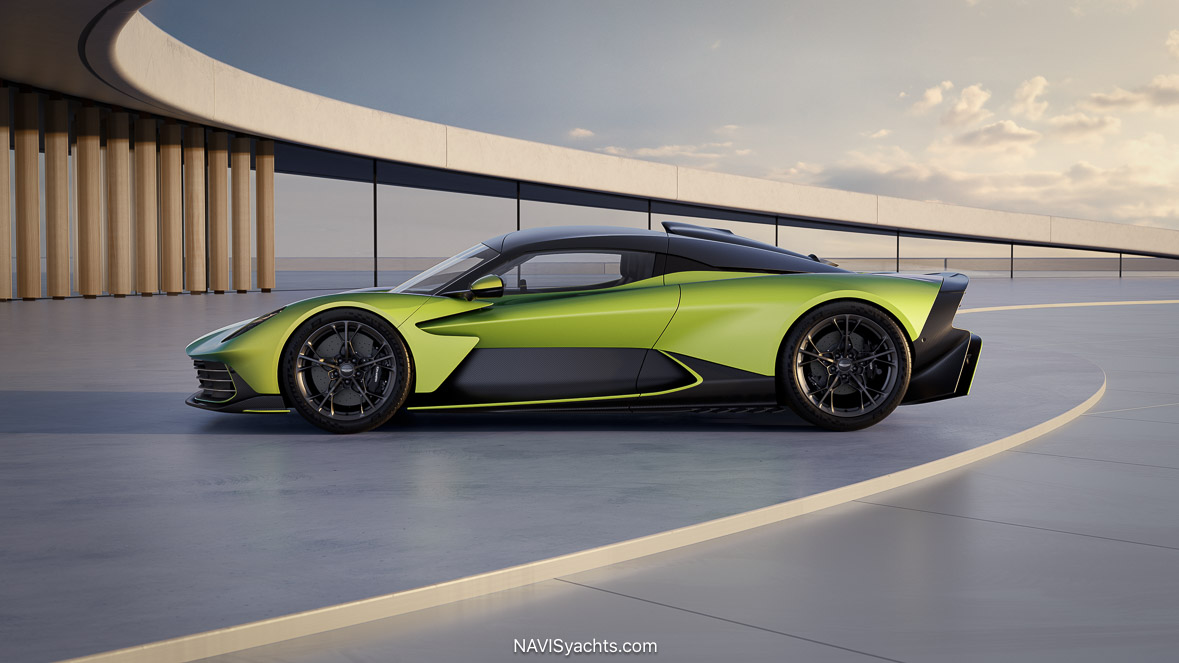
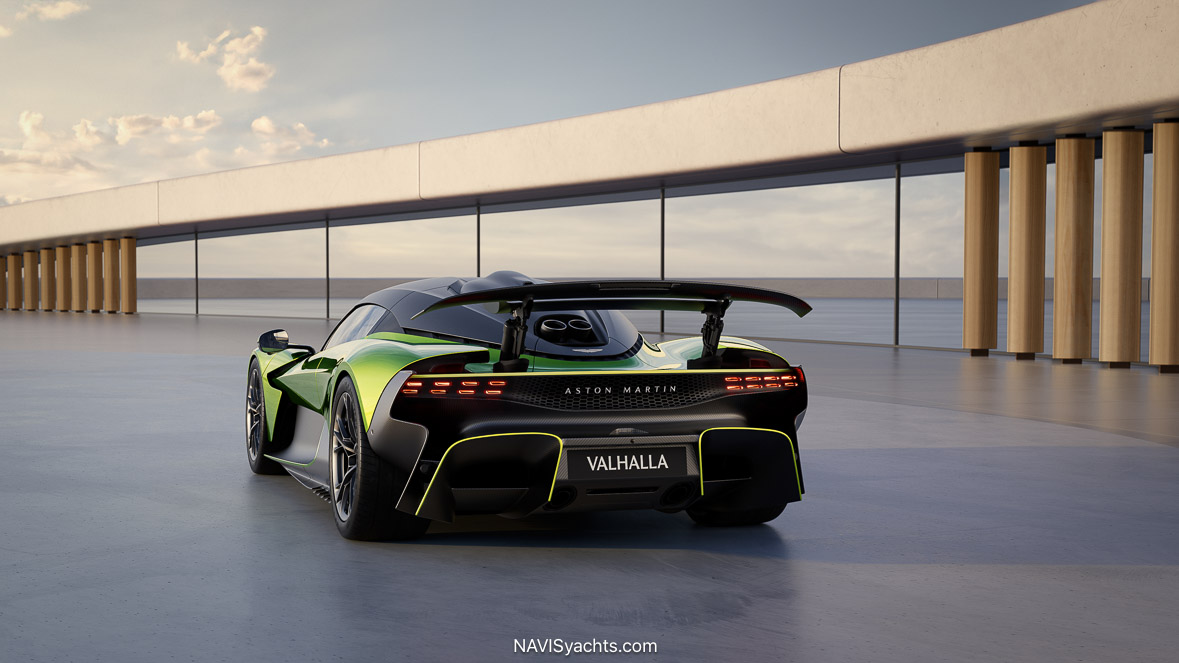
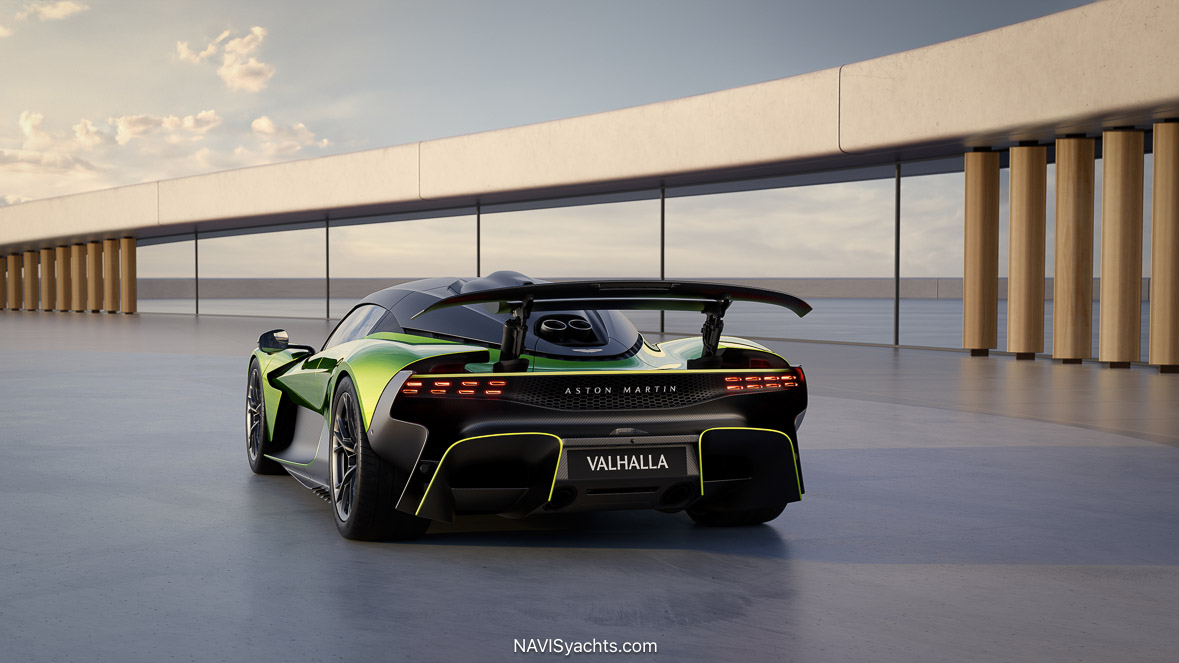
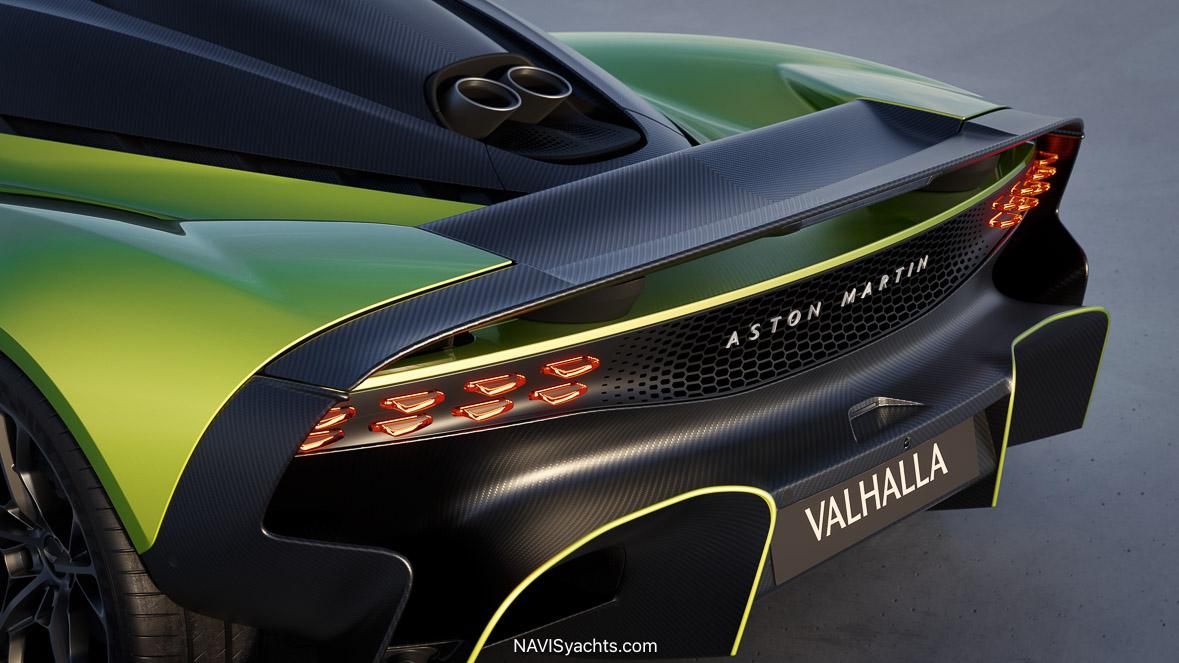
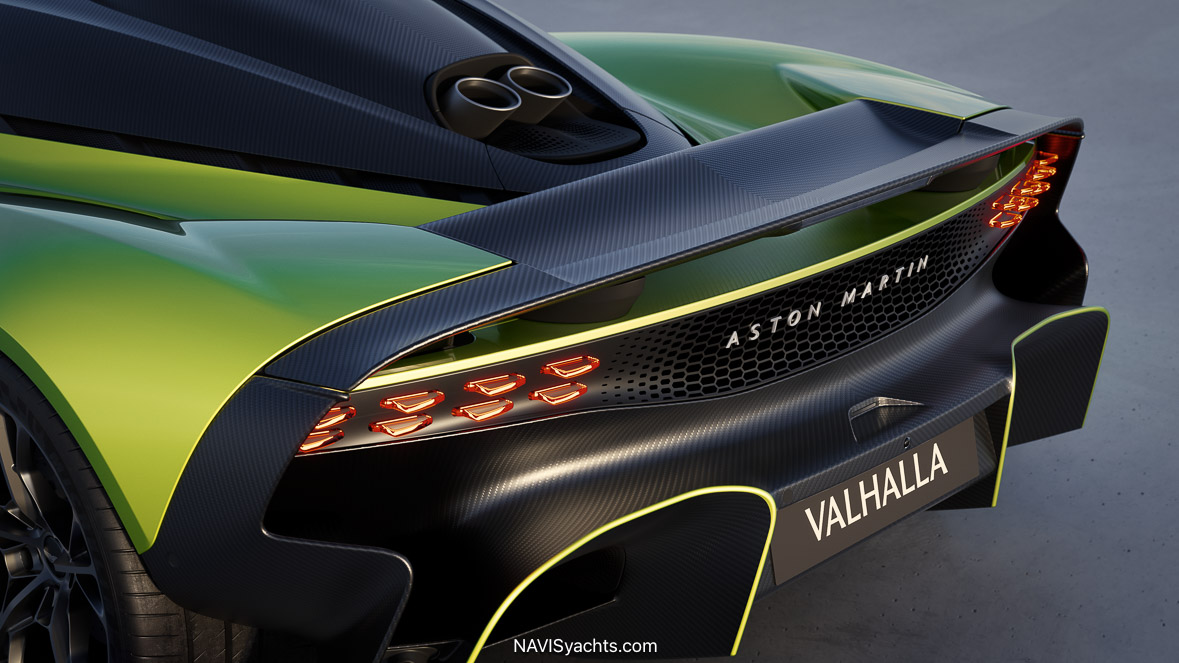
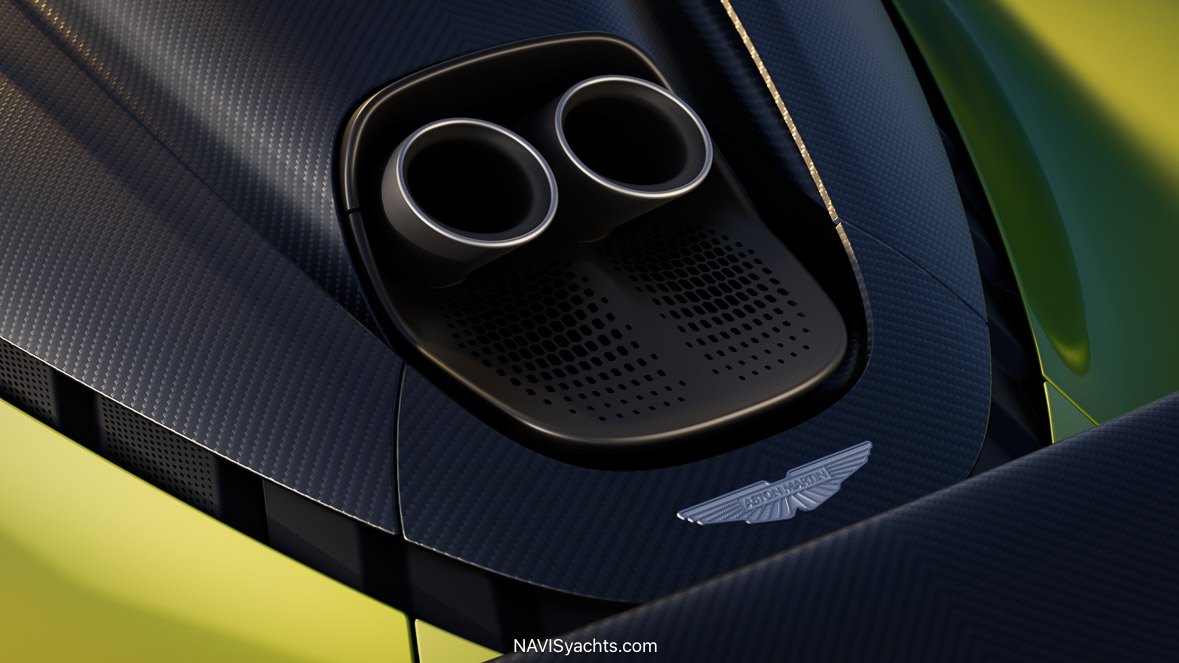
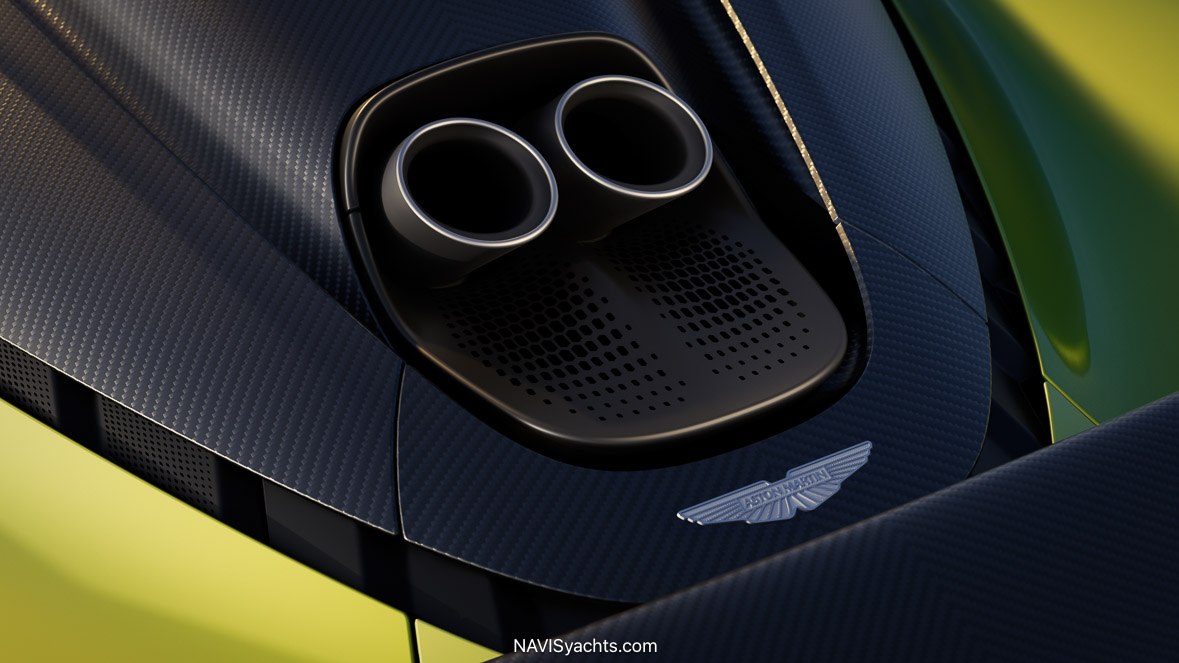
From the side, the car reads like a continuous gesture. There are no extraneous lines, no ornamental clutter. Every element is working, every crease speaks the language of airflow and pressure. The rear is a mechanical cathedral, its quad exhausts perched atop twin venturi tunnels that extract air like they’re pulling it from the vacuum of space. The rear wing, a two-element active T-profile, lies flat at rest and lifts only when commanded. The active front wing hides just ahead of the axle, completely invisible until Race mode brings it to life. This interplay of hidden force and restrained aggression is what elevates Valhalla beyond mere performance and into the realm of collectible design.
This car was shaped to survive at 217 miles per hour while carrying 600 kilograms of downforce with a poise few road cars have achieved. And yet, despite all this function, it remains unmistakably Aston. Not just in its curves, but in its posture and restraint. It looks expensive because it is, but also because it understands that elegance is the product of everything left out.
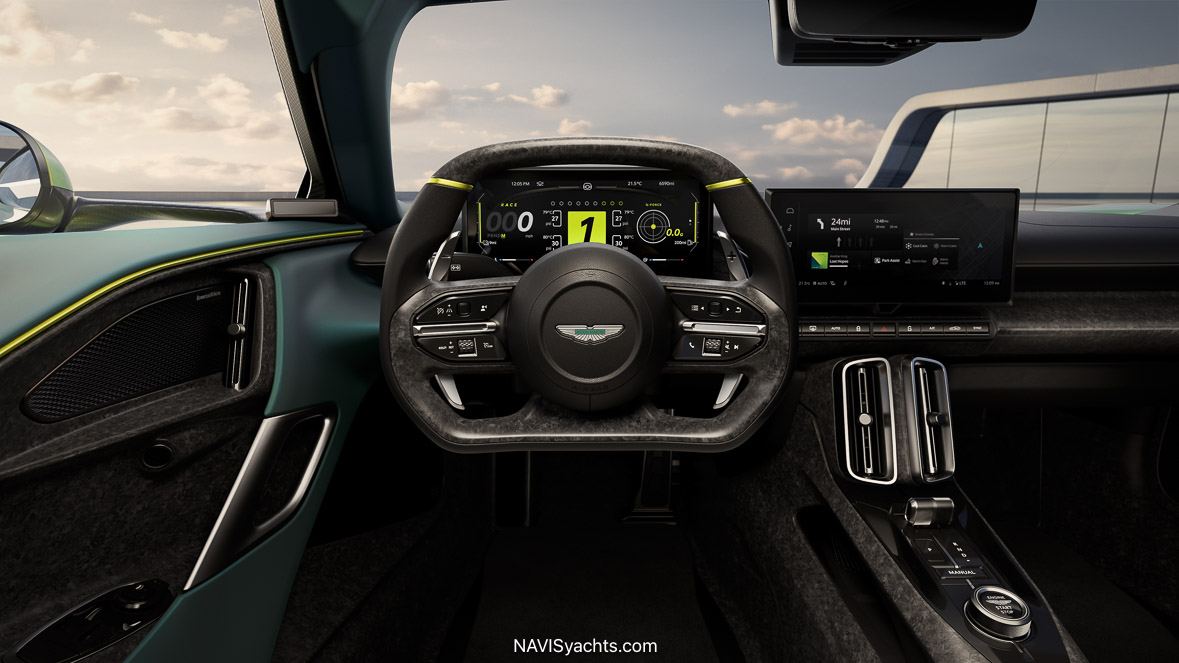
Heart, Brain, and Voice
At the center of Valhalla sits an engine that feels more like an act of vengeance than propulsion. Built exclusively for this car, the 4.0-liter twin-turbo V8 is flat-plane crank, dry-sumped, and completely unfiltered. It delivers 828 PS and revs to 7,000 rpm with an urgency that suggests it’s still angry about emissions regulations. But this isn’t just a combustion play. The V8 is surrounded by three electric motors, two up front and one at the rear, pushing total system output to a frankly ludicrous 1,079 PS.
This arrangement allows the car to operate as a front-wheel drive EV, a full-bore hybrid, or a torque-vectoring monster depending on your drive mode and throttle position. There is no reverse gear. Instead, the front motors rotate backward.
That tells you everything about the car’s intent. Even reversing is dictated by packaging efficiency and control, not convention.
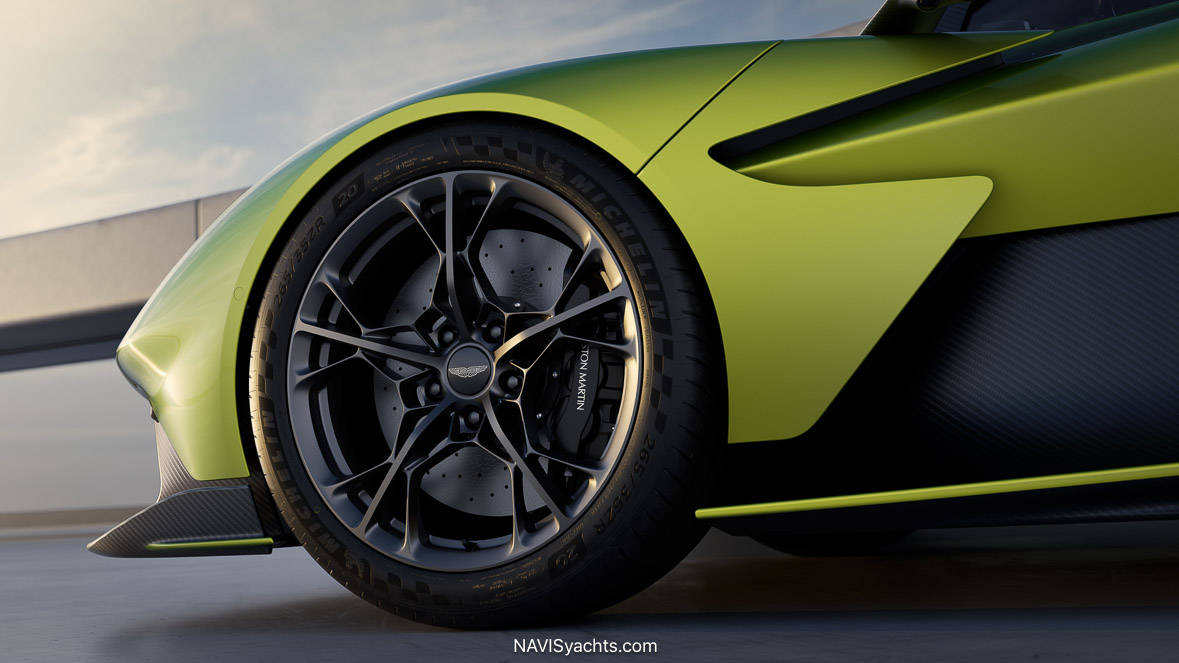
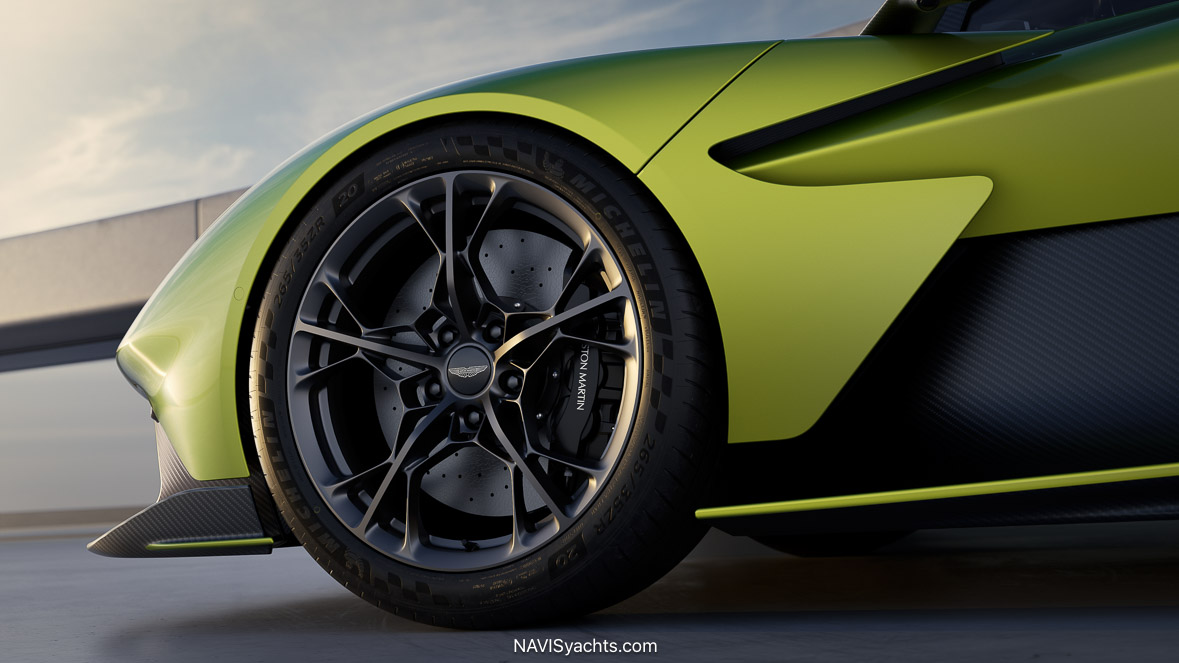
The rear motor lives inside the eight-speed dual-clutch transmission, another bespoke piece. Shifts are hydraulic, aggressive, and tuned to support load balancing between electric and mechanical systems. When the batteries are depleted or you’re in full attack mode, the system uses e-boost and torque-fill to mask turbo lag, responding with immediacy that would embarrass naturally aspirated rivals. The brakes, too, are hybrids in their own right. Carbon ceramics sit behind the wheels, but regenerative systems on both axles feed a 400-volt battery with energy otherwise wasted.
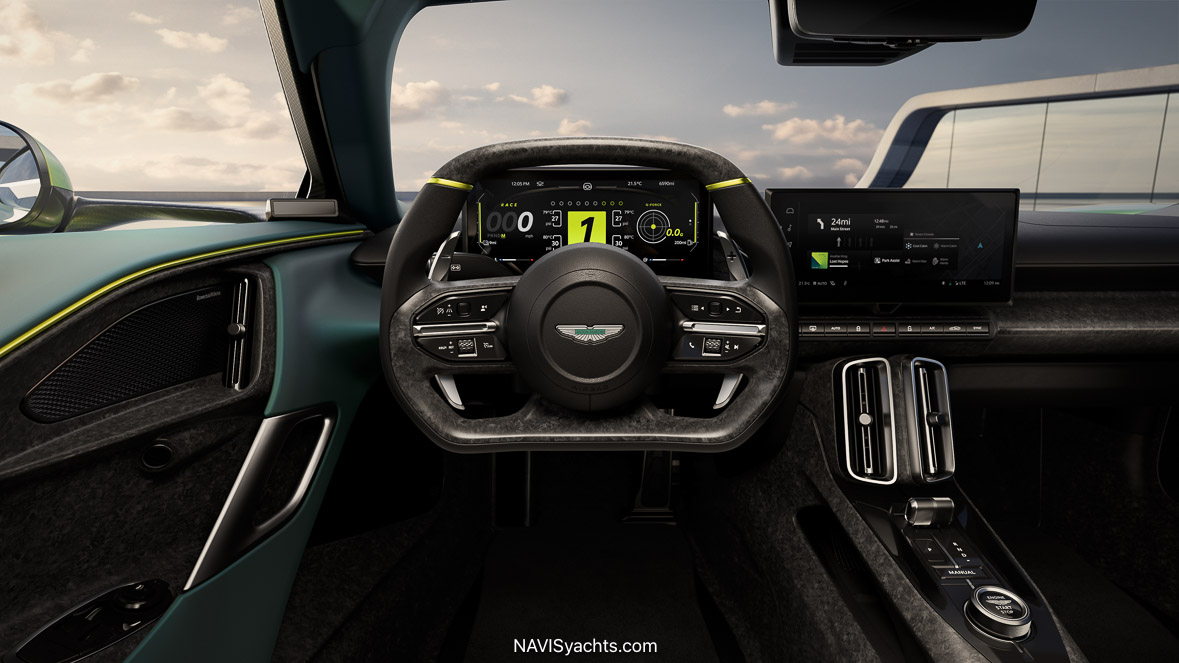
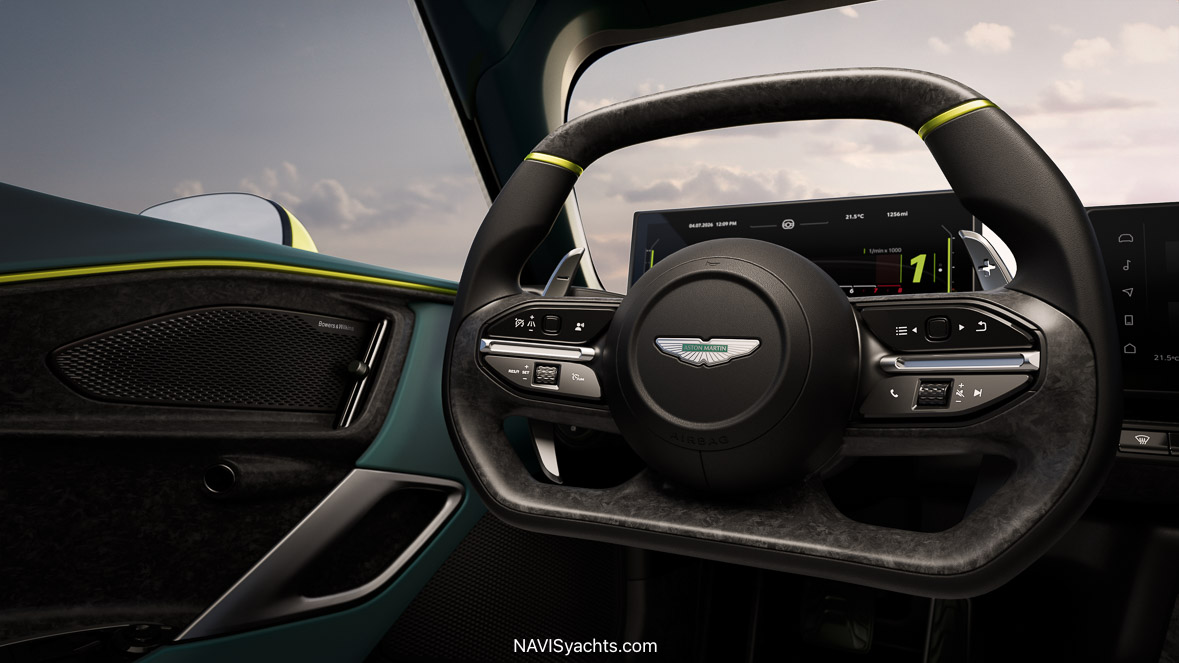
From the helm, all of this complexity fades. You don’t feel the battery managing its cooling circuit or the front motors adjusting torque vectoring thresholds. What you feel is clarity. Aston’s engineers have taken a powertrain that should require a white coat and made it respond like an instinct. The result is a car that, even at low speed, feels coiled and precise, never vague, never casual.
It is this powertrain, more than any other element, that underpins Valhalla’s claim to be the most advanced Aston Martin ever built. But it also represents a shift in philosophy. No longer content to borrow V12s and leather their way into relevance, Aston Martin is building cars that operate on the same level of engineering seriousness as any other elite manufacturer. Valhalla is proof of that seriousness.
Photos: Max Earey, Aston Matin Media | Words: Pablo Ferrero