
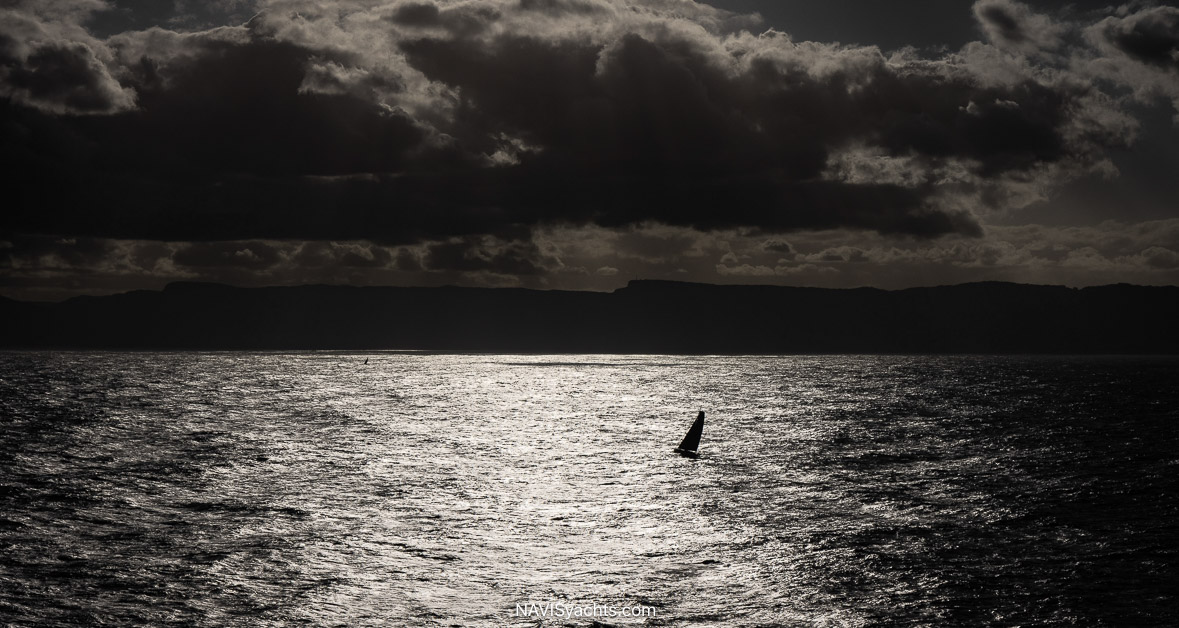
The 2025-26 Rolex Sydney Hobart Yacht Race arrived as a definitive cross-section of modern naval architecture and offshore endurance. Marking eight decades since its inception, the 80th edition transitioned from a celebration of heritage into a rigorous exhibition of fleet resilience. The entry list exceeded 100 yachts, ranging from 100-foot carbon-fiber supermaxis to 30-foot IRC-optimized designs.
While the departure from Sydney Harbour provided the customary high-visibility start for the spectator fleet, the race was ultimately dictated by a volatile weather system in the Bass Strait. This weather event served as a primary filter, recalibrating the standings across all divisions and shifting the focus from pure boat speed to technical durability. The 2025-26 edition proved that despite 80 years of data, the Tasman Sea remains an unpredictable variable that defies even the most advanced meteorological modeling.
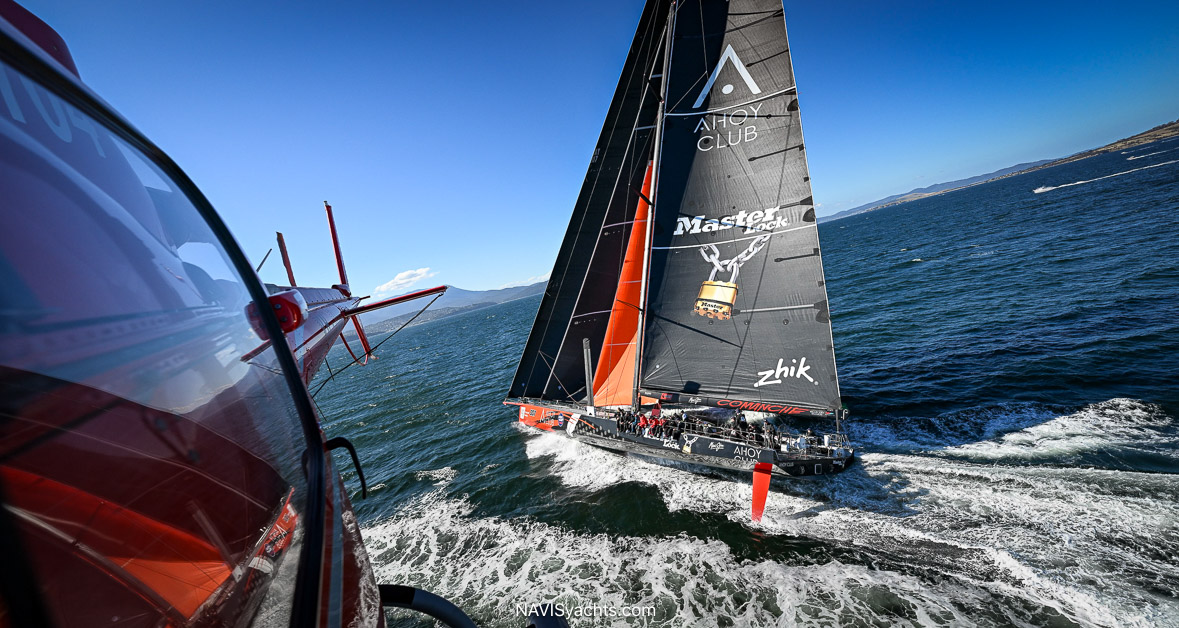
The Heavyweight Duel: Master Lock Comanche’s Line Honours
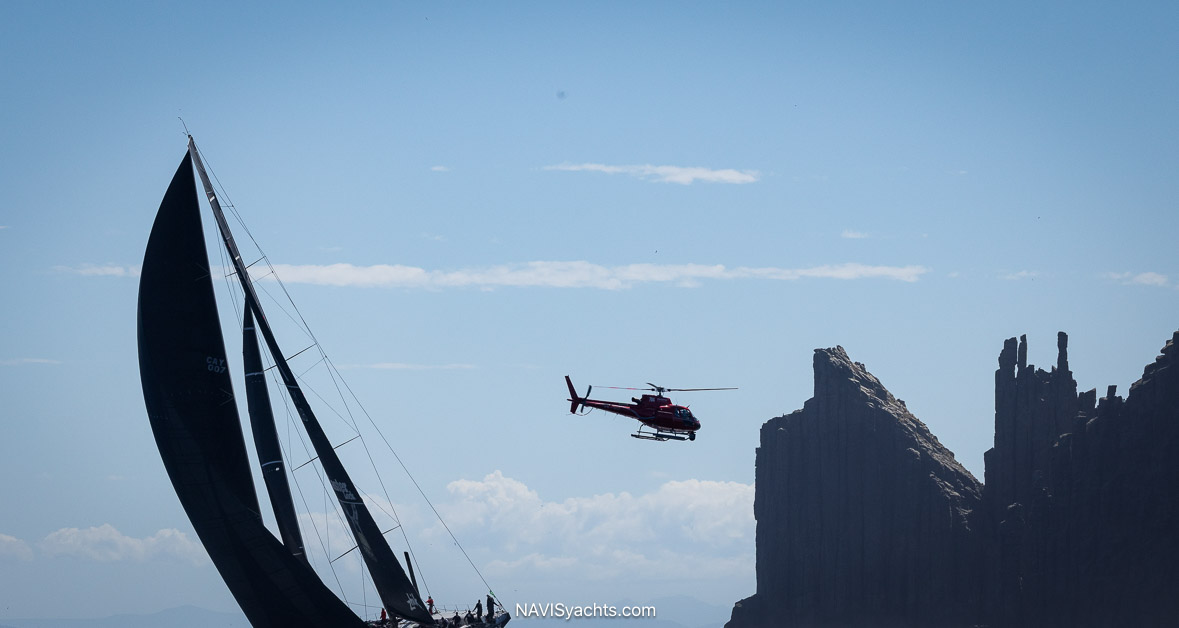
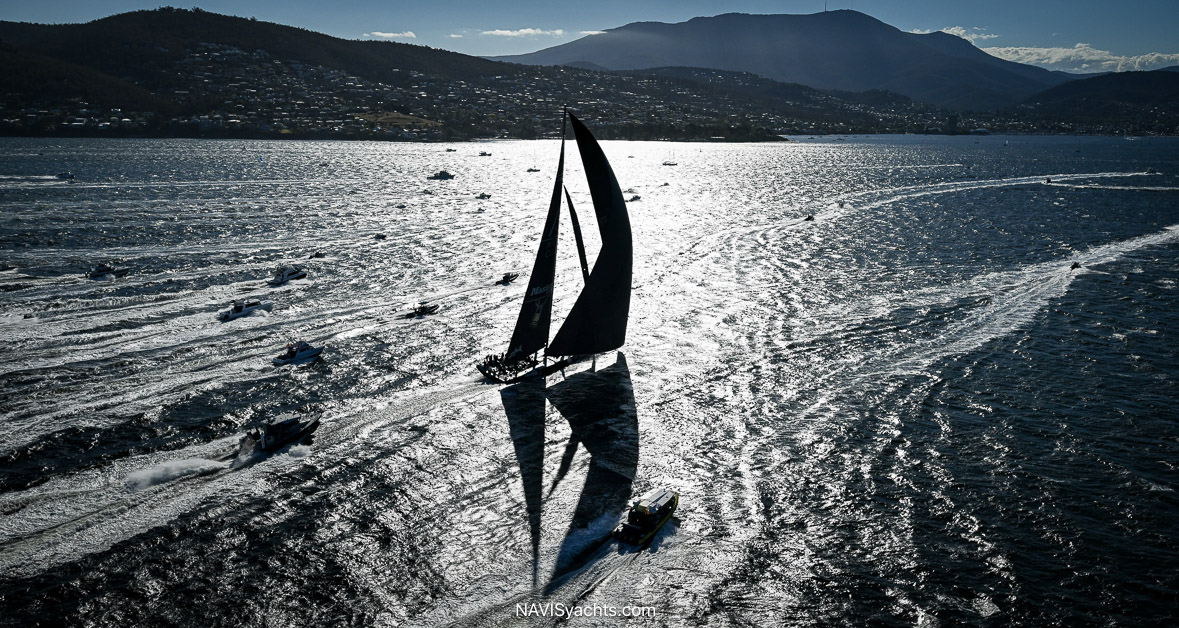
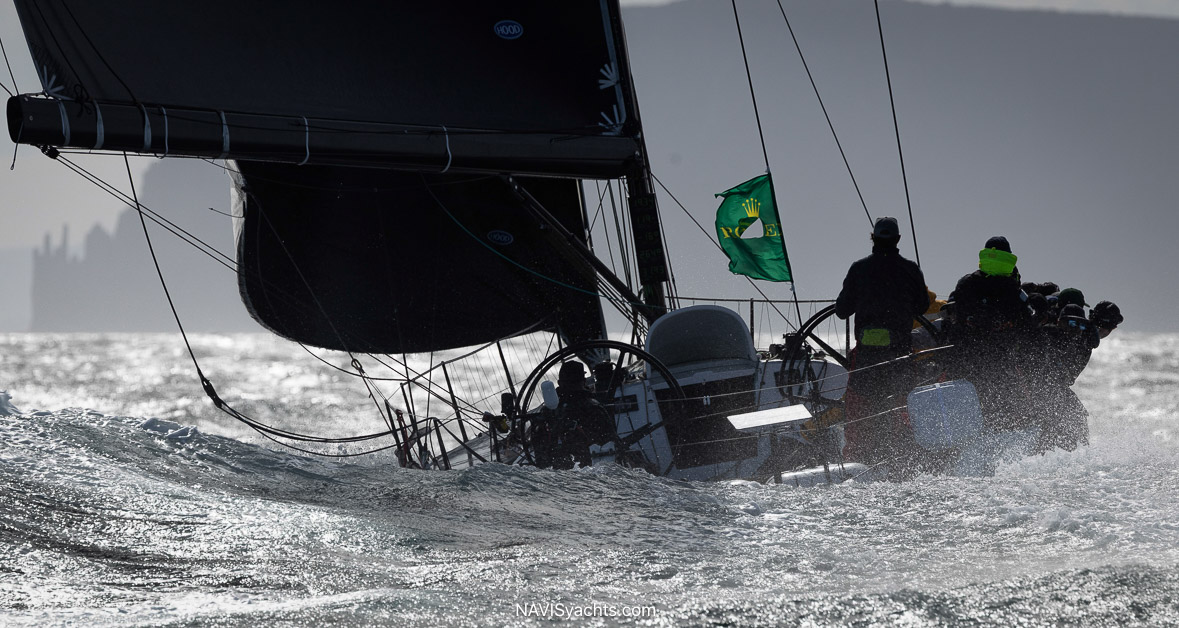
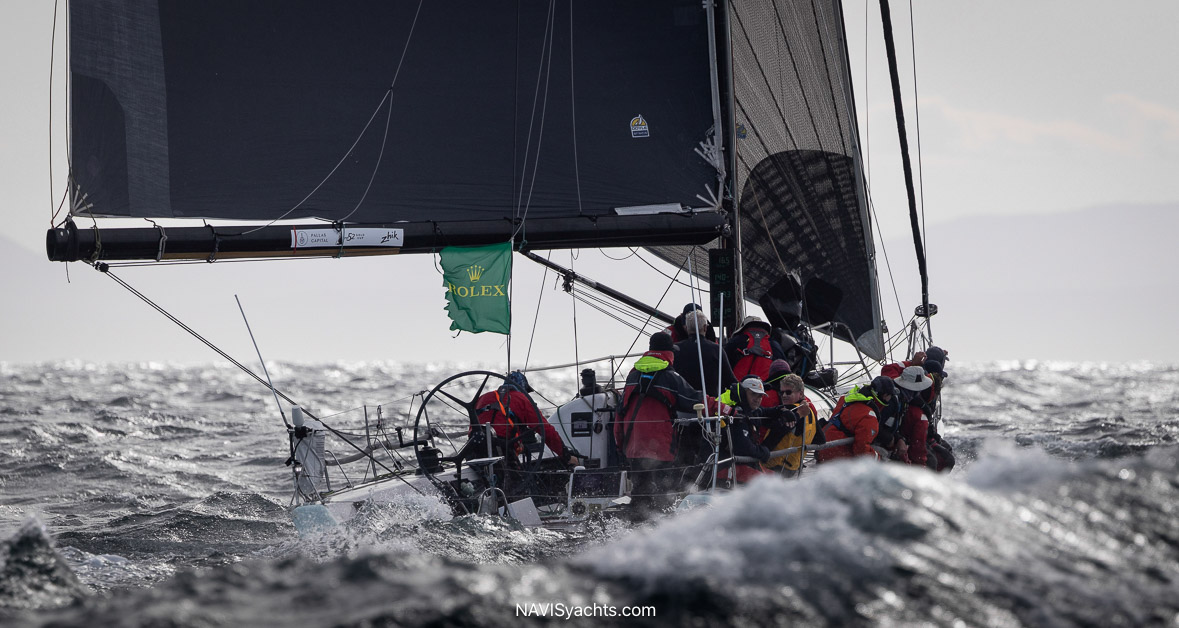
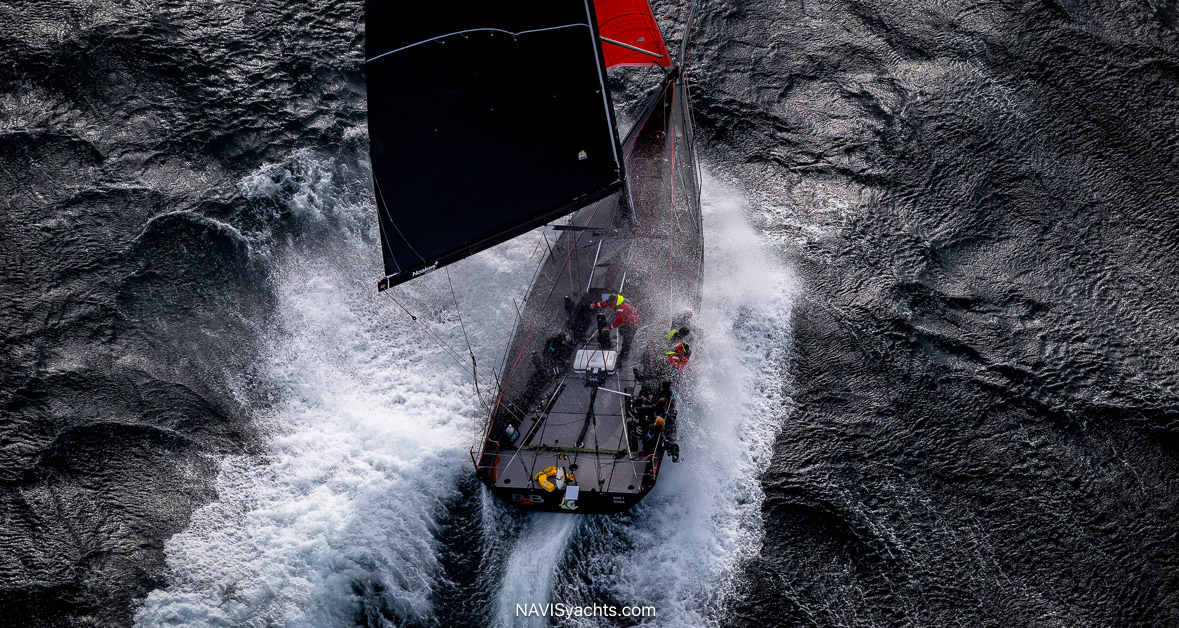
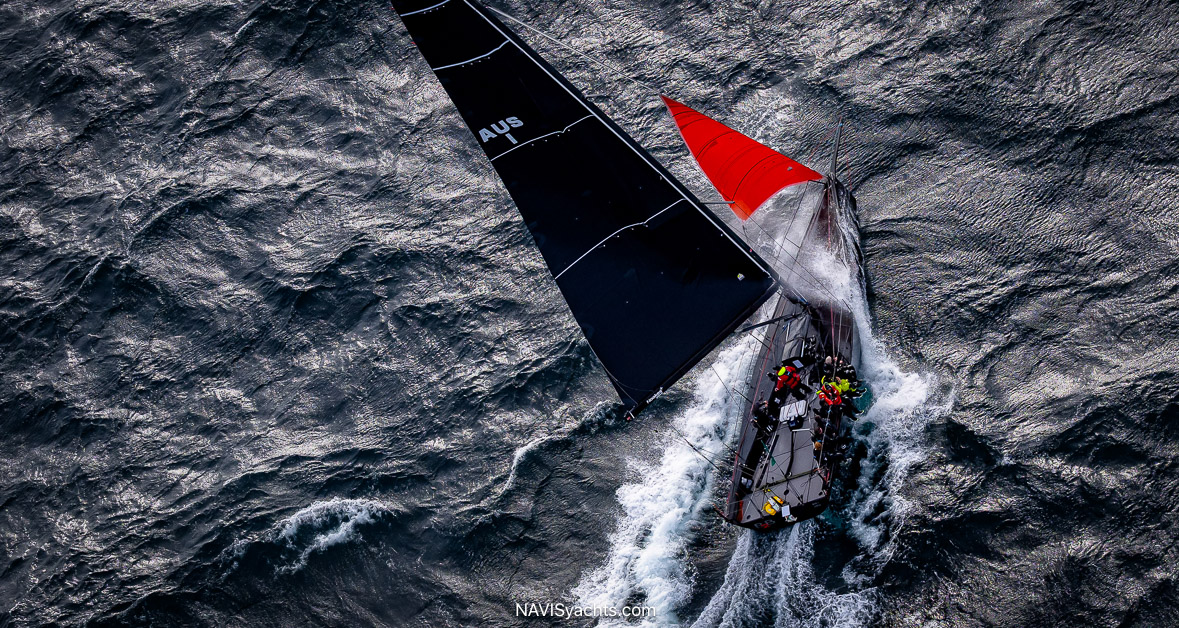
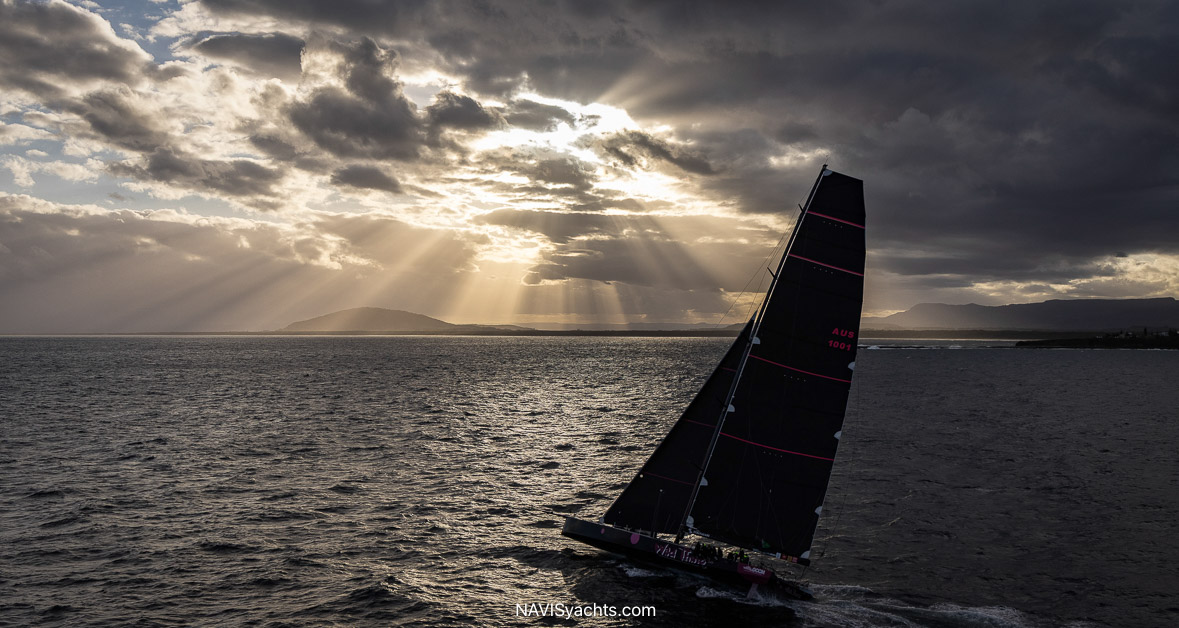
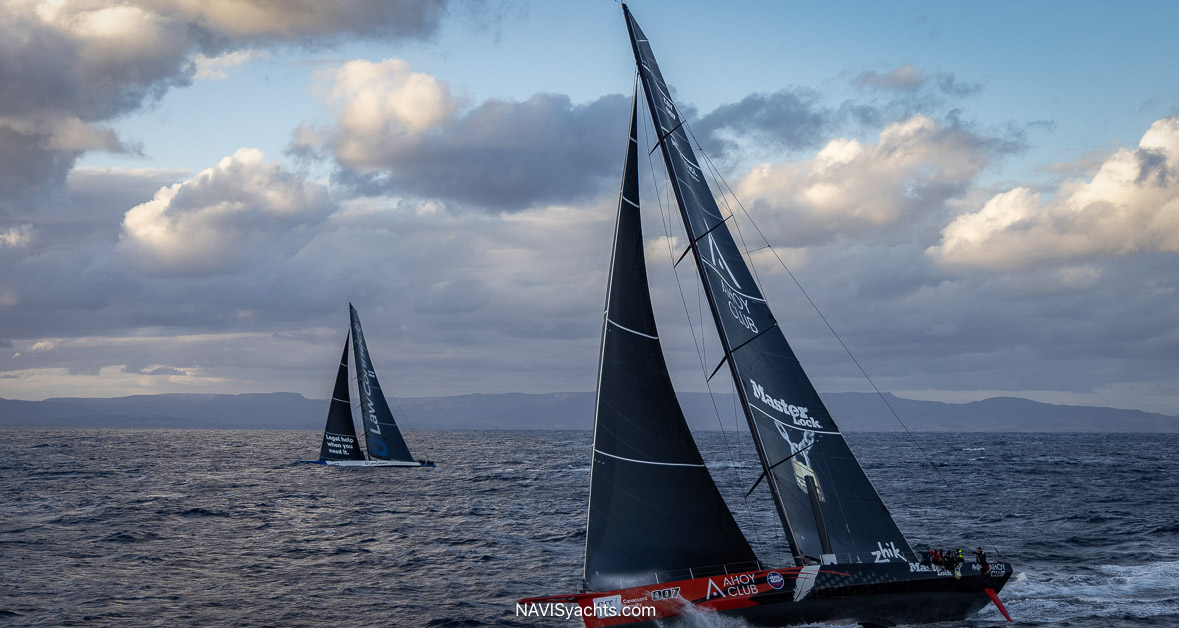
In the contest for Line Honours, Master Lock Comanche demonstrated the superiority of its high-beam, high-stability hull form. Skippered by James Mayo, the VPLP-Verdier design maintained high velocity through a 40-knot southerly front that forced significant attrition within the maxi fleet. The boat’s ability to maintain high average speeds in power-reaching conditions allowed it to build a buffer that its narrower rivals could not bridge.
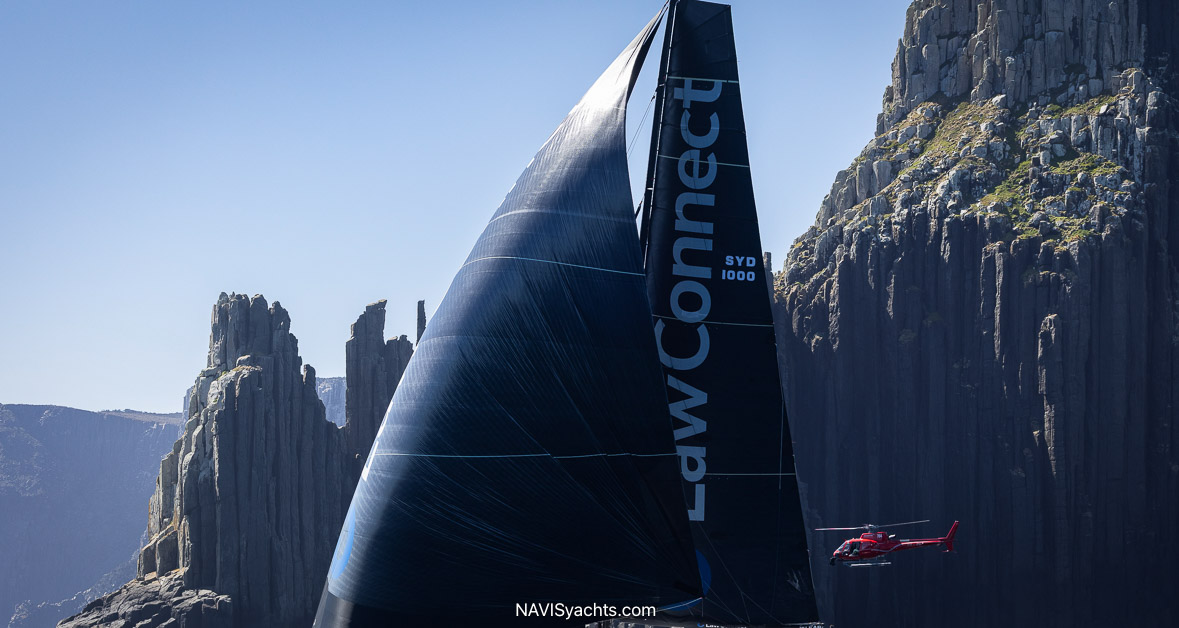
The tactical execution in the final stages of the race was equally critical. The “Master of the Derwent,” Hamilton Island Wild Oats, and a tenacious LawConnect kept the pressure high throughout the passage. However, Comanche’s victory was secured through a precise navigation of the pressure pockets in the Derwent River. While rivals sat becalmed in the final 11 miles, the Comanche crew identified subtle lanes of air, leveraging their massive sail area to maintain momentum in sub-5-knot breezes.
Christian Beck’s LawConnect delivered a consistent performance to finish second, followed by Hamilton Island Wild Oats. The results underscored a recurring theme in the 80th edition: structural integrity is the prerequisite for victory. High-profile retirements, including the 100-foot Wild Thing 100 due to rigging failure, served as a stark reminder of the forces at play when a 30-ton yacht meets vertical sea states.
The Disruption: Min River’s Historic IRC Conquest
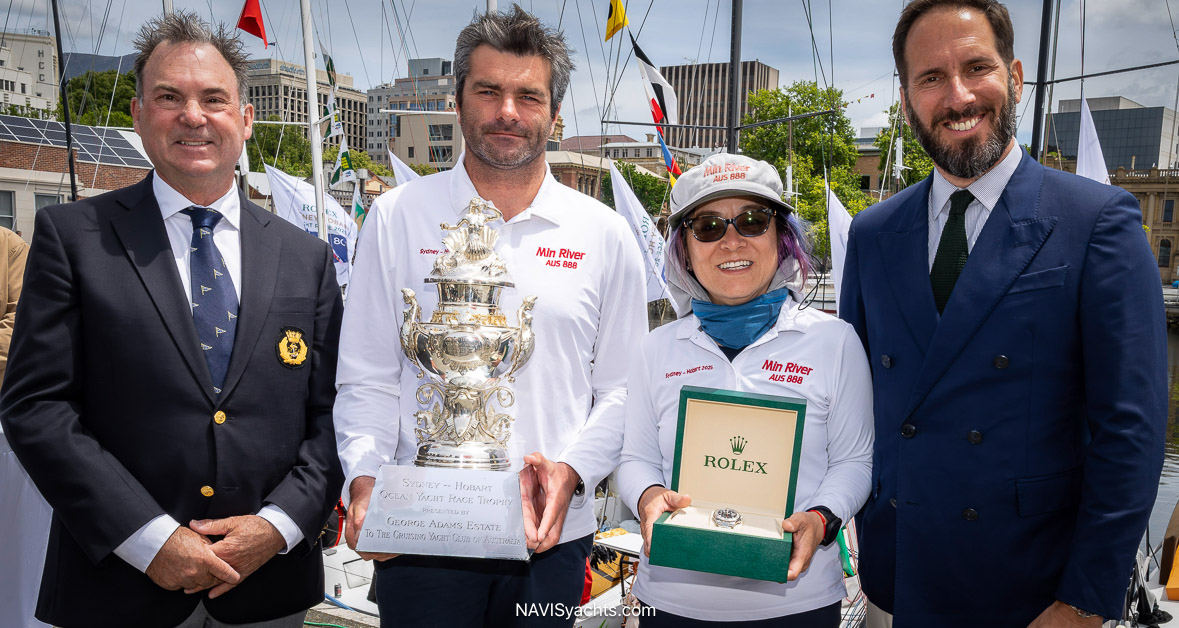
The defining narrative of the 80th title occurred within the IRC standings. Min River, a JPK 10.30 campaigned by the double-handed duo of Jianghui and Jean-Pierre Rigal, secured the Tattersall Cup. This result represents the first time in the history of the race—80 years of competition—that a two-person crew has achieved an overall victory.
The path to this victory was a study in efficiency. Unlike the supermaxis, which carry crews of 20 or more, Min River relied on automated systems and the extreme endurance of its two sailors. The JPK 10.30 design is specifically optimized for short-handed offshore racing, featuring a cockpit layout where all controls are within reach of the helm. This allowed Jianghui and Rigal to maintain optimal trim during the 40-knot punches of the Bass Strait without the benefit of a grinding team.
The win followed a formal protest process involving BNC MyNet Leon. The Race Committee’s eventual ruling confirmed Min River’s corrected time as the fleet benchmark, granting them the overall win. This victory validates the IRC rating system’s ability to level the field, proving that a well-sailed 33-foot yacht can compete against the multi-million dollar budgets of the grand-prix fleet.
Bass Strait: The Technical Breaking Point
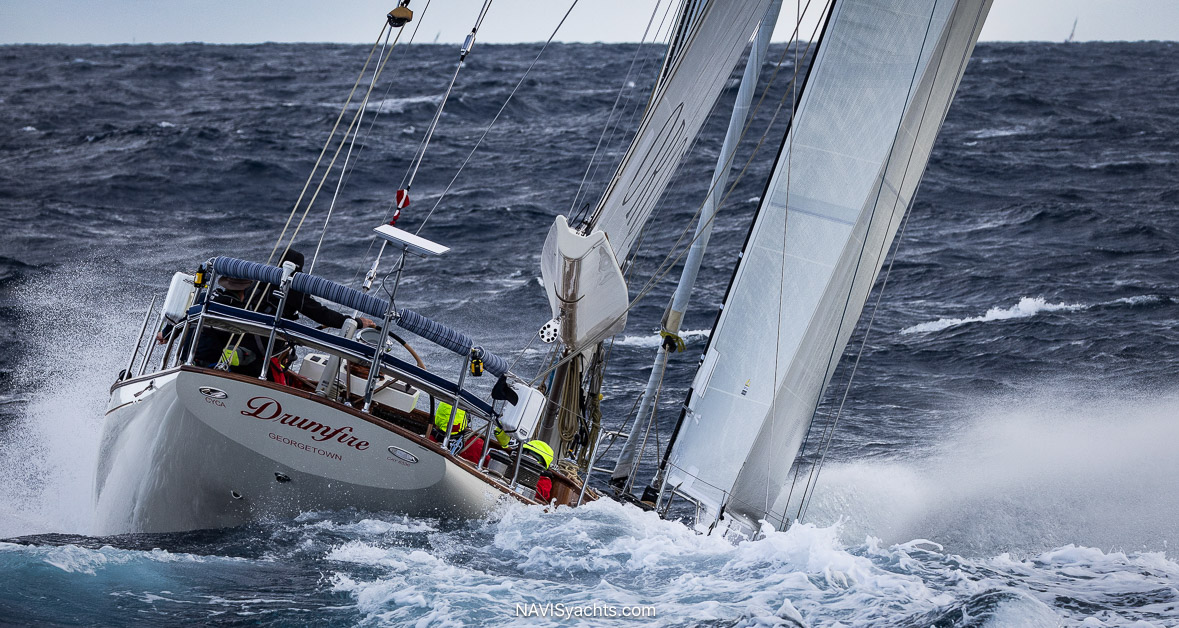
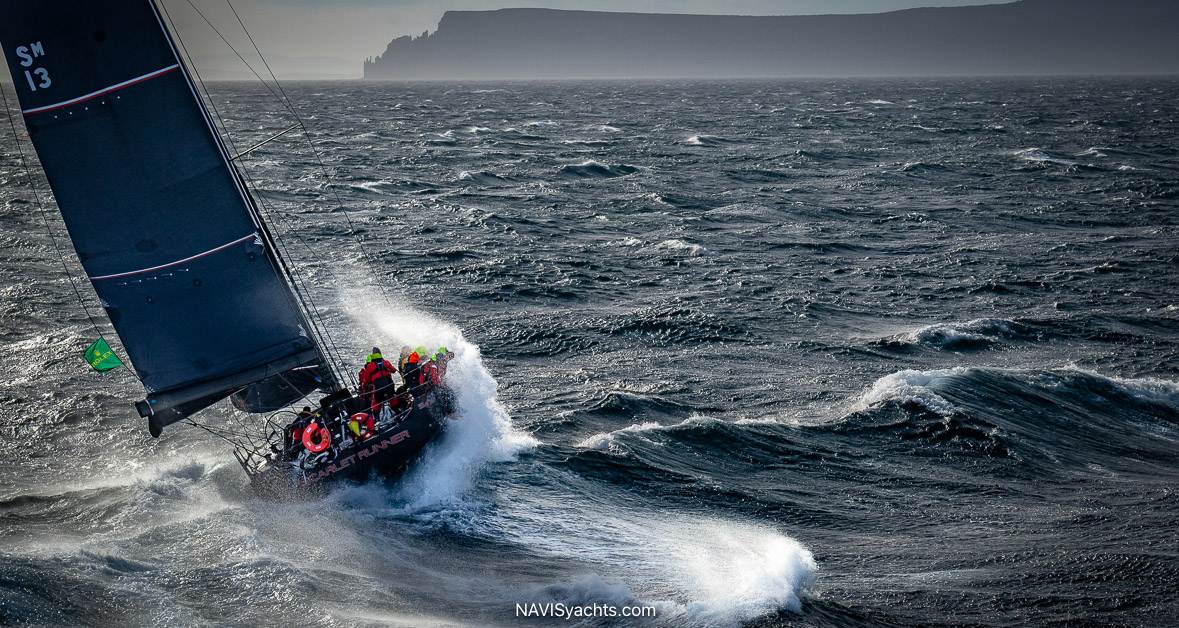
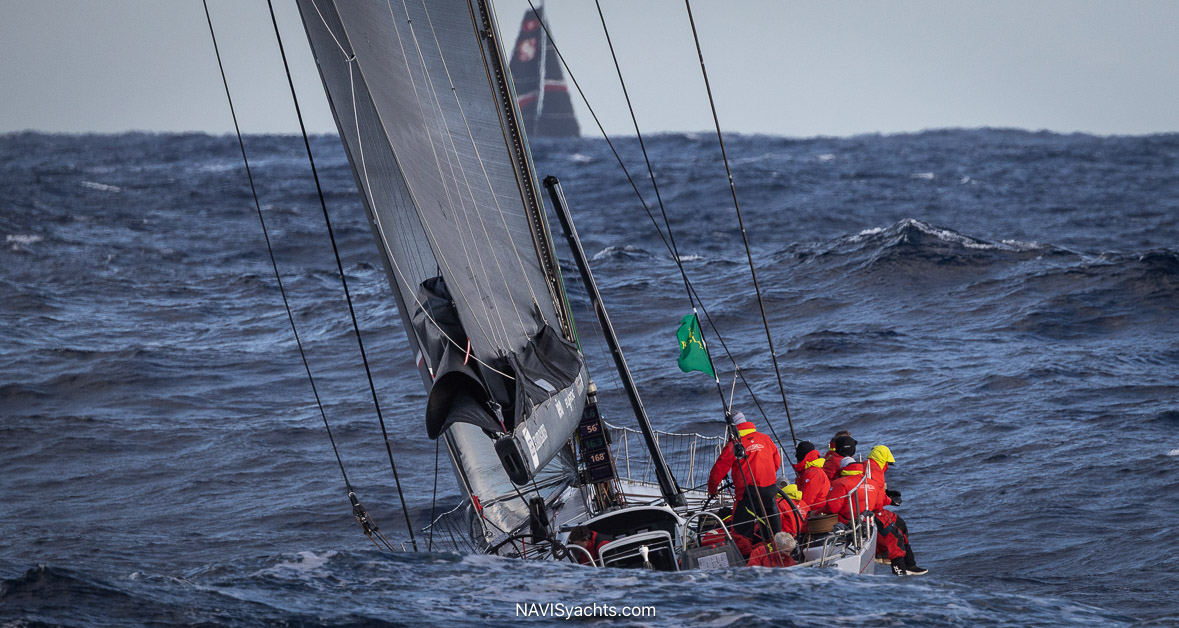
The 80th edition was characterized by a “Southerly Buster” that transformed the Bass Strait into a laboratory of structural stress. For the mid-sized fleet, the challenge was not speed, but survival. Yachts like Aragon and Callisto reported bruising conditions where the vertical drop-off waves exceeded four meters.
Nearly 20% of the fleet retired within the first 48 hours. The damage reports included delaminated hulls, snapped spreaders, and catastrophic mainsail tears. Despite the heavy weather, smaller yachts like Happy Wanderer and Bacchanal demonstrated remarkable resilience. By the time they reached the southern coast of Tasmania, the conditions had eased into lighter winds, allowing them to make up significant time on corrected standings.
The performance of The XX Factor showcased the rising proficiency of mixed-gender and all-female crews in the offshore circuit, maintaining high-performance metrics throughout the most difficult segments of the race.
Longevity and the Human Element
The 80th anniversary was also a celebration of individual legacy. Tony Ellis recorded his 55th Sydney Hobart aboard Midnight Rambler, setting a world record for participation in a single offshore race. His career spans the transition from wooden hulls and sextants to carbon-fiber and satellite-derived weather data.
In the divisional tiers, the 2025-2026 race saw the return of Mondo, which secured the Sydney 38 division title. This victory followed the yacht’s retirement in the 2024 edition. Similarly, the crew of No Limit completed a hard-earned finish after days of managing mechanical issues, illustrating that for many in the 100-boat fleet, the primary objective remains the finish line in Hobart rather than the podium.
The Industry Shift: The Rise of Short-Handed Optimization
The success of Min River is not an isolated event; it is the culmination of a decade-long shift in offshore sailing. For the Ultra-High-Net-Worth Individual (UHNWI) owner, the 2025-2026 results confirm that investment in smaller, technologically advanced yachts can yield higher competitive returns than traditional large-crew programs.
The double-handed division, which was recently integrated into the overall standings for the Tattersall Cup, has matured rapidly. The technical requirements for Min River’s victory—sophisticated autopilot algorithms, high-modulus sail fabrics, and ergonomic hardware—are now the primary focus for naval architects. The ability of two sailors to manage a high-performance yacht in 40-knot winds for several days is a testament to the advancements in sail-handling technology and cockpit design.
Navigating the Derwent: The Tactical Lottery
While the Bass Strait provided the power, the Derwent River provided the tension. The final 11 nautical miles into Hobart are notorious for losing wind pressure at night, and the 80th edition was no exception. Comanche and LawConnect engaged in a low-speed tactical duel where every shift in pressure was analyzed by on-board sensors.
The Storm Bay segment also tested the fleet, with Aragon and Callisto finishing the final miles in variable pressure. This segment of the race remains the ultimate test of a navigator’s local knowledge, as the thermal currents of the Tasmanian coast often contradict the prevailing offshore winds.
The 80th Title: A Legacy of Salt and Carbon
The 2025-2026 Rolex Sydney Hobart has redefined the hierarchy of the Tasman Sea. It was a race of two extremes: the raw power of the 100-foot supermaxis and the surgical precision of the double-handed entrants. Master Lock Comanche solidified its status as the leader in raw speed, while Min River proved that the future of the sport lies in the efficiency of the short-handed specialist.
As the 80th edition enters the history books, the industry looks toward a new era where the traditional barriers of yacht size and crew numbers have been permanently dismantled. The Tattersall Cup now rests with a 33-foot yacht and two sailors, a result that would have been unimaginable to the founders of the race in 1945.
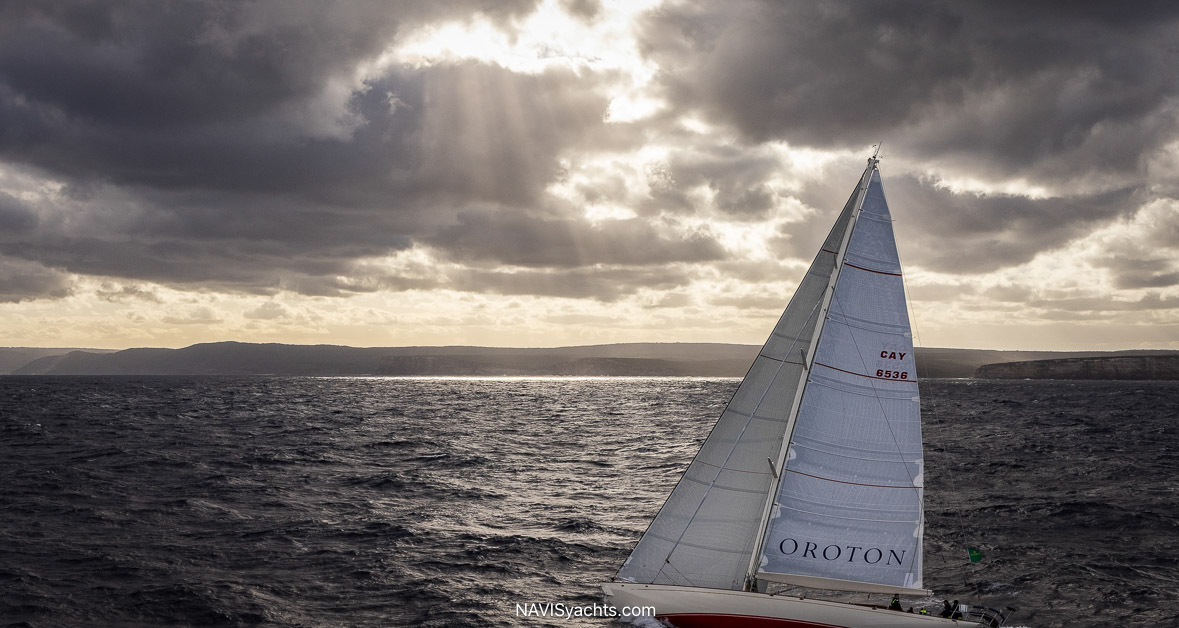
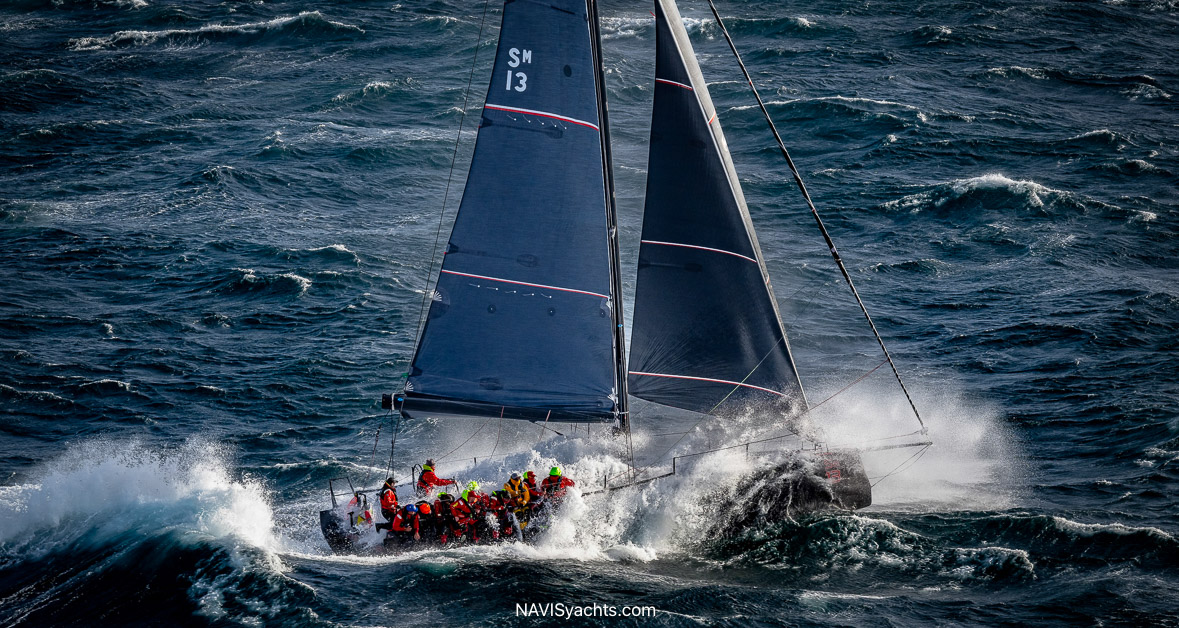
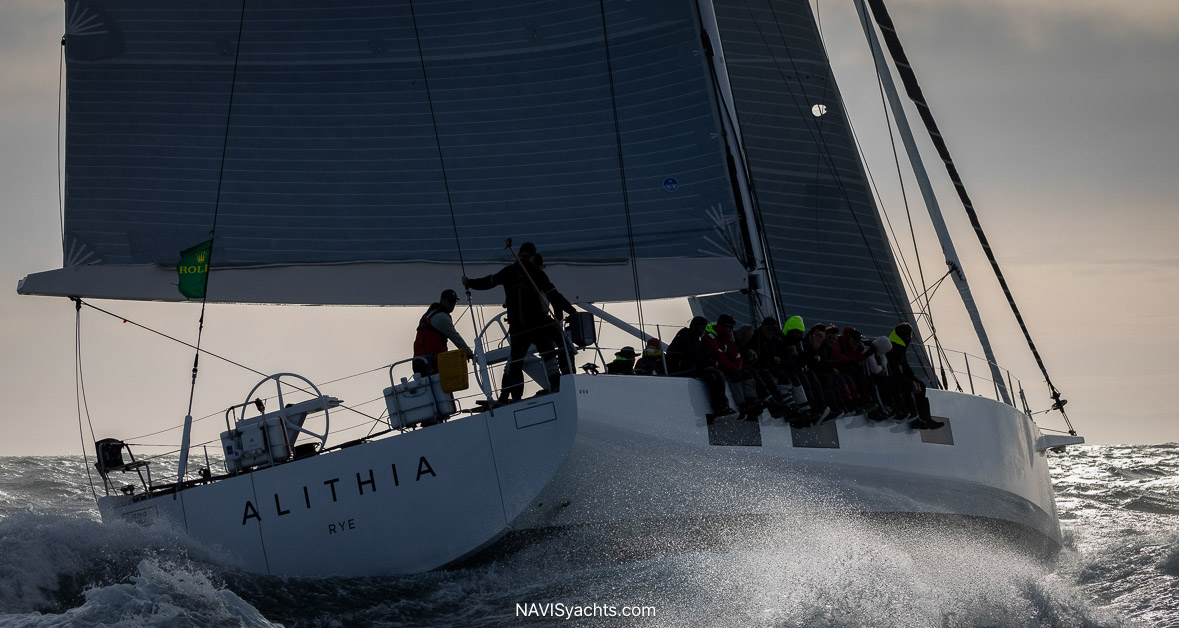
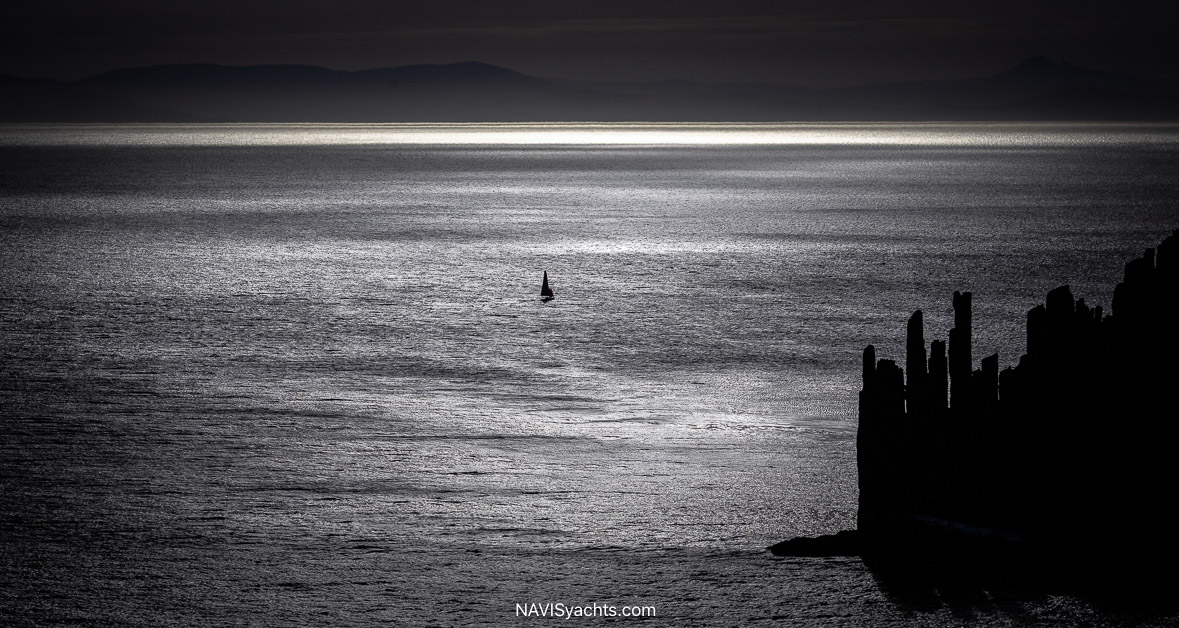
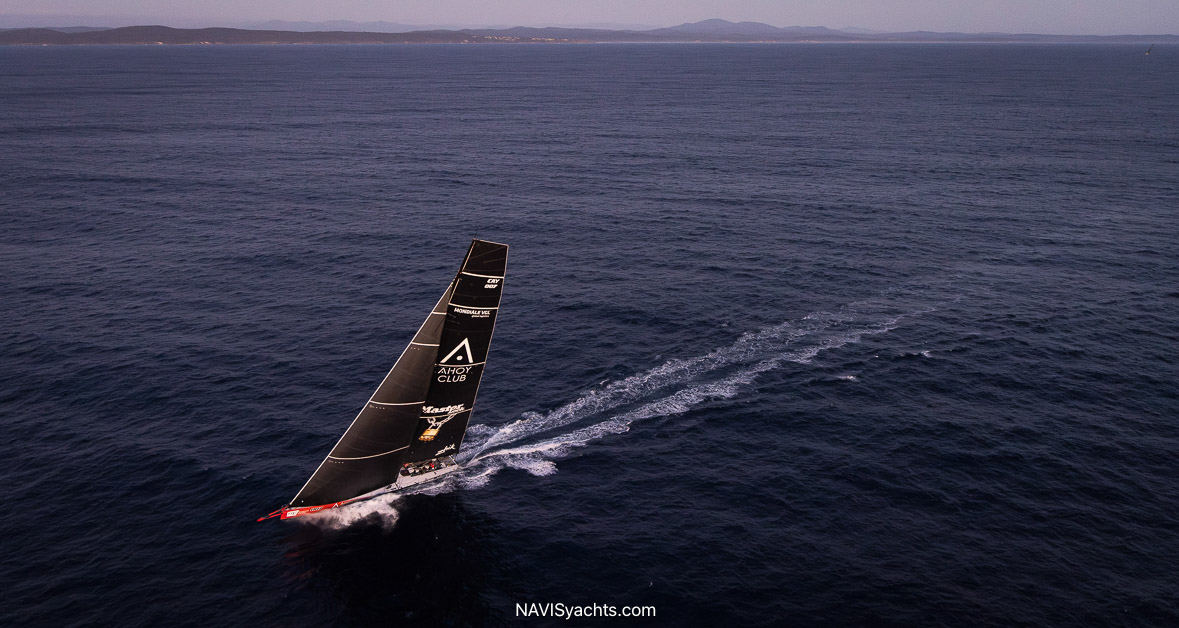
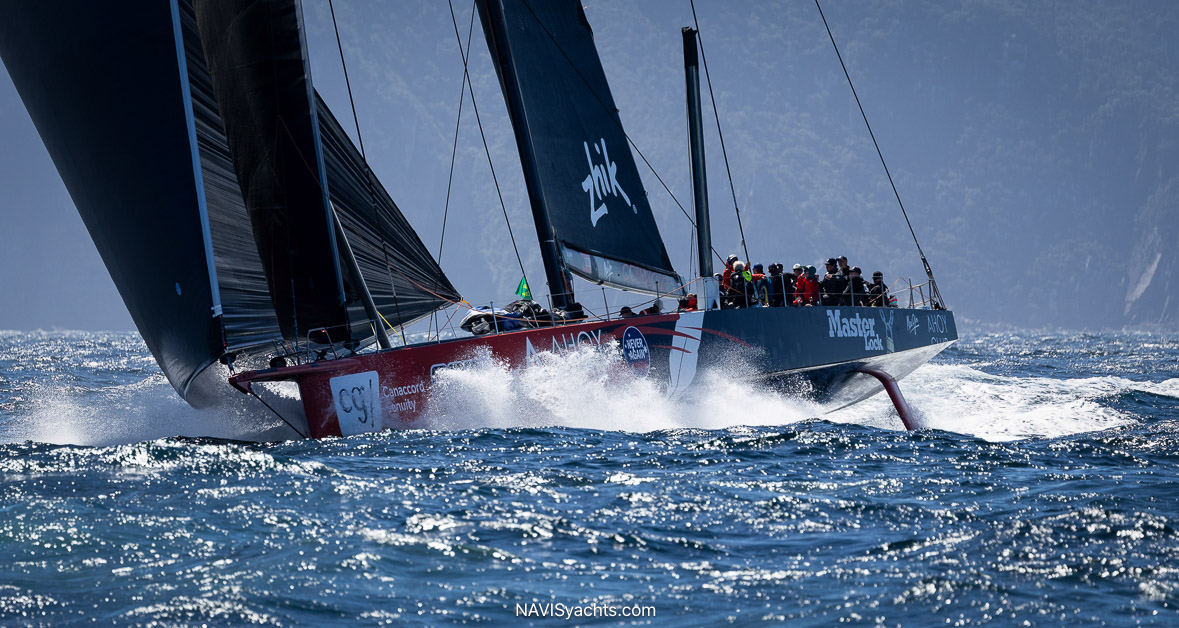
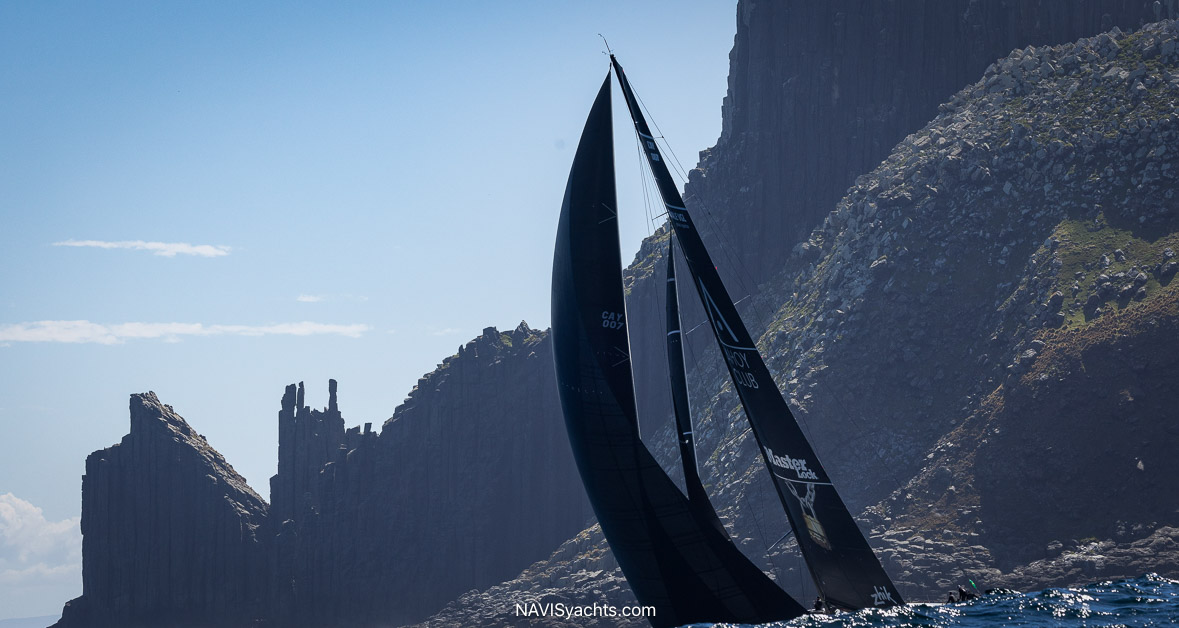
Photos: Kurt Arrigo, Andrea Francolini - Rolex Sydney Hobart Yacht Race Media | Words: Gabriel Parra