For a century, the Rolex Fastnet Race has been a formidable rite of passage in the world of offshore sailing. It is a contest where raw power often collides with the unforgiving forces of the Celtic Sea. Yet, the 51st edition, marking the 100th anniversary of its founding in 1925, unfolded differently. This legendary race became less a test of physical endurance and more a profound mental examination, rewarding tactical brilliance, strategic patience, and unwavering tenacity above all else.
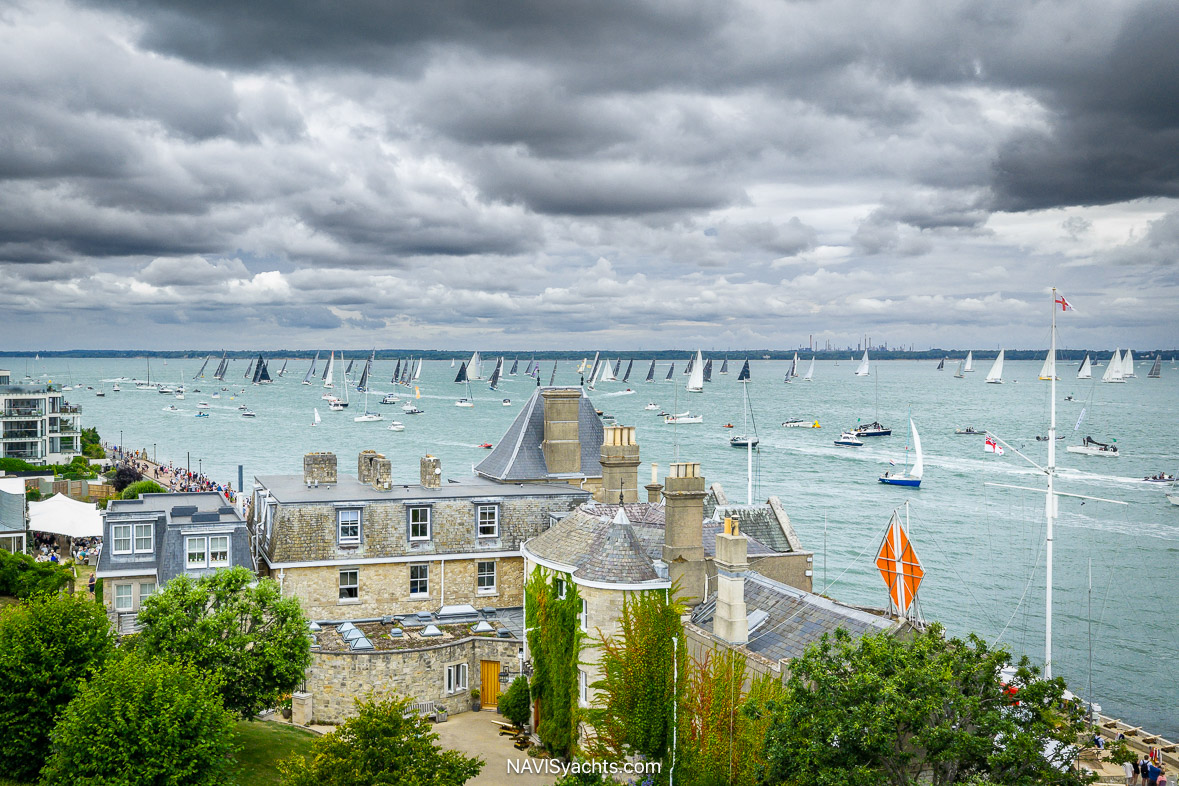
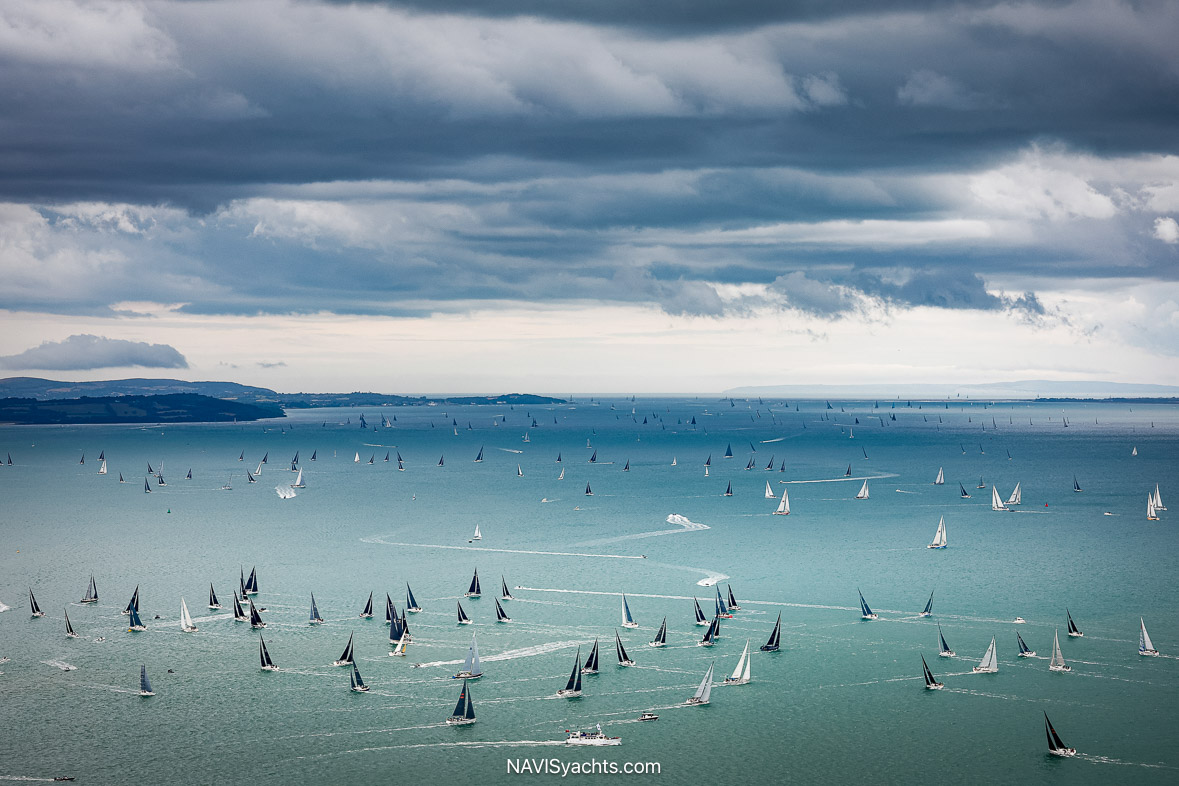
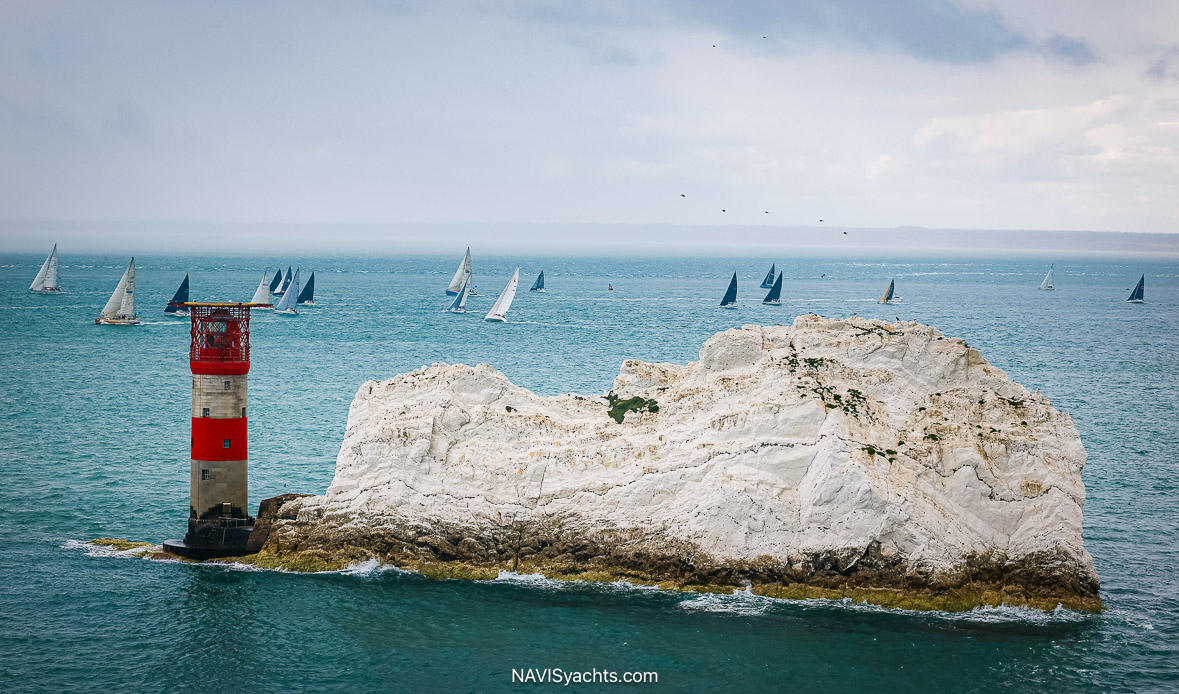
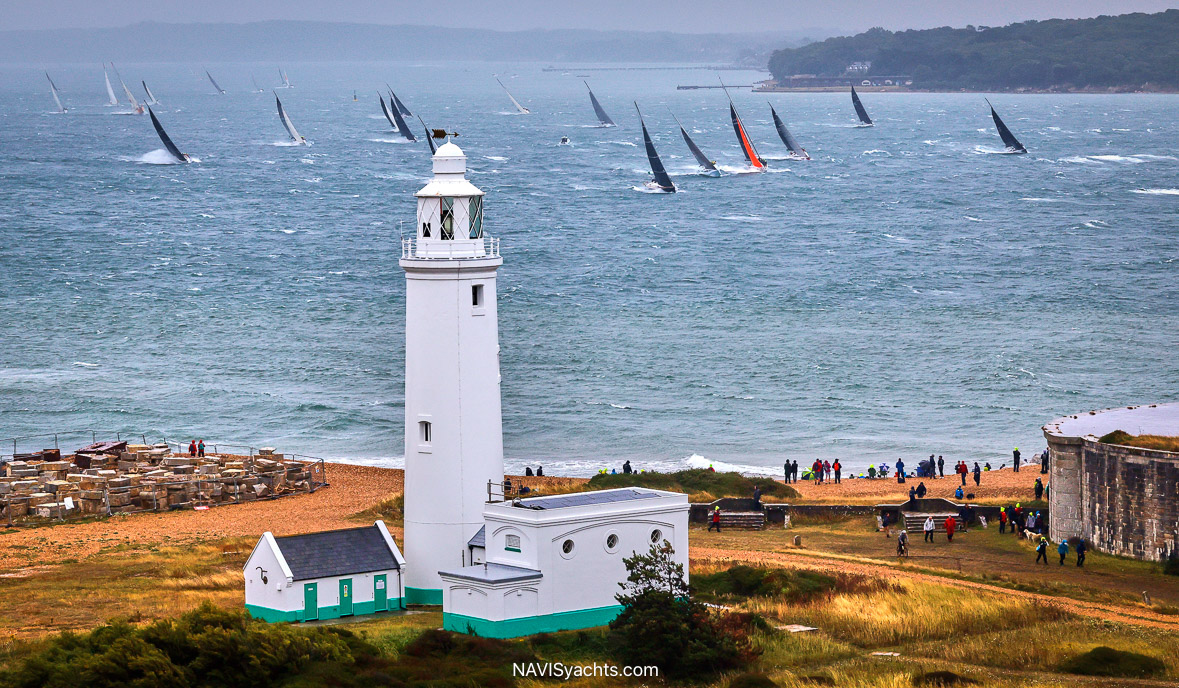
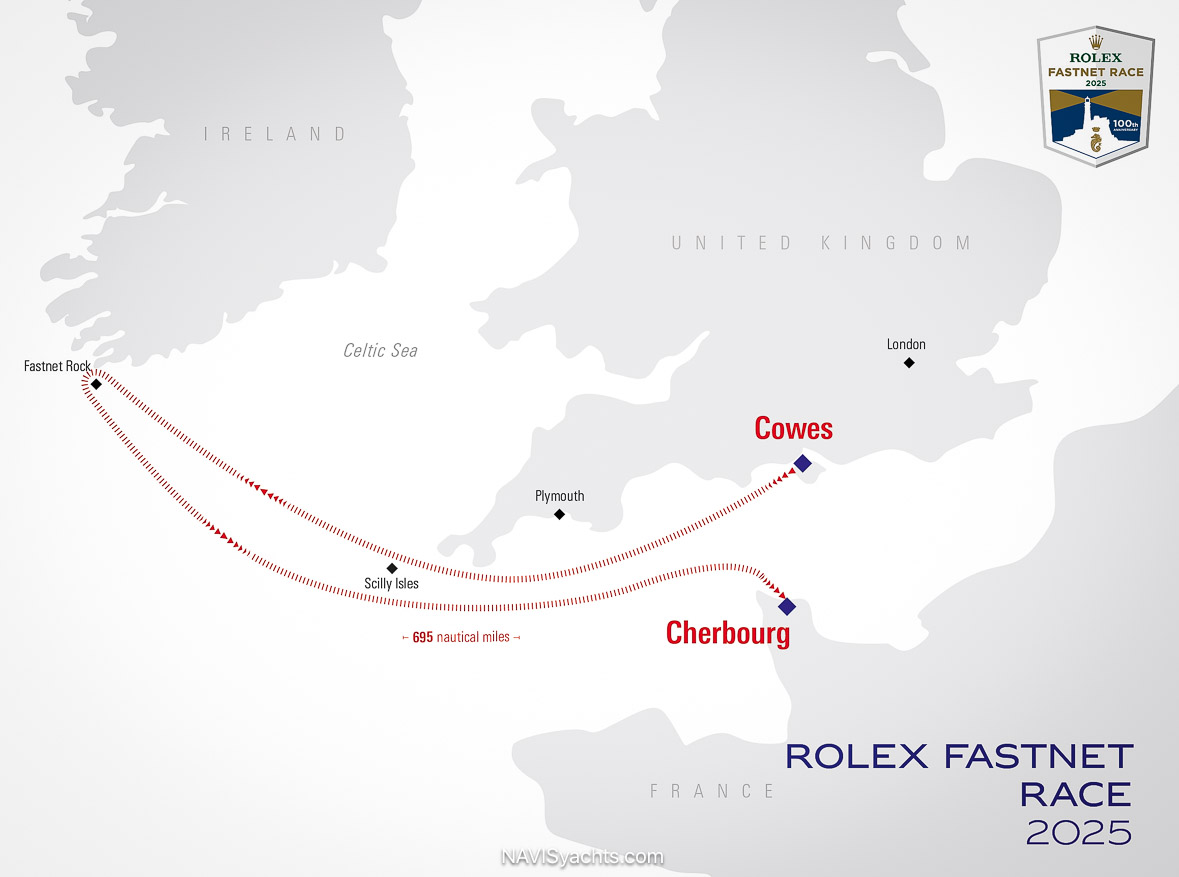
Organized by the Royal Ocean Racing Club and supported by Rolex since 2001, the race has always been a pillar of the international yachting calendar. The centenary edition saw a record fleet of 444 yachts start from Cowes, England, on July 26th, ready to tackle the iconic 695-nautical-mile course to the Fastnet Rock and back to Cherbourg, France. While past editions have been defined by ravaging winds, the 2025 forecast promised a more nuanced challenge, demanding constant focus from crews as they navigated complex tides and pressure systems.
A Century-Old Proving Ground
The Rolex Fastnet Race has long been regarded as one of offshore sailing’s most complete proving grounds, a place where ambitions are tested against harsh reality. Its appeal is truly global, attracting a diverse fleet from over 30 countries, with crews representing more than 40 nations. The 2025 roster was a testament to this legacy, featuring everything from cutting-edge 100-foot carbon fiber Maxis to classic yachts from the 1960s, like Stormvogel, a line honours winner on her 1961 debut.
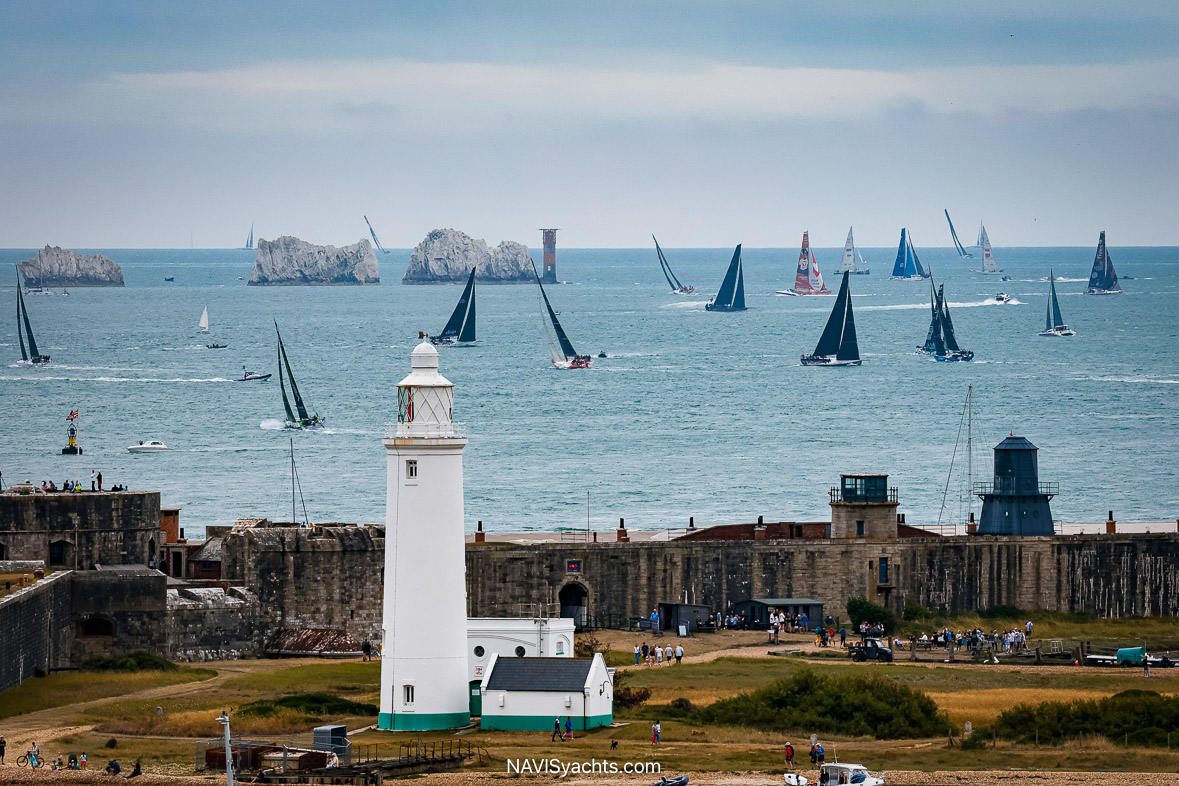
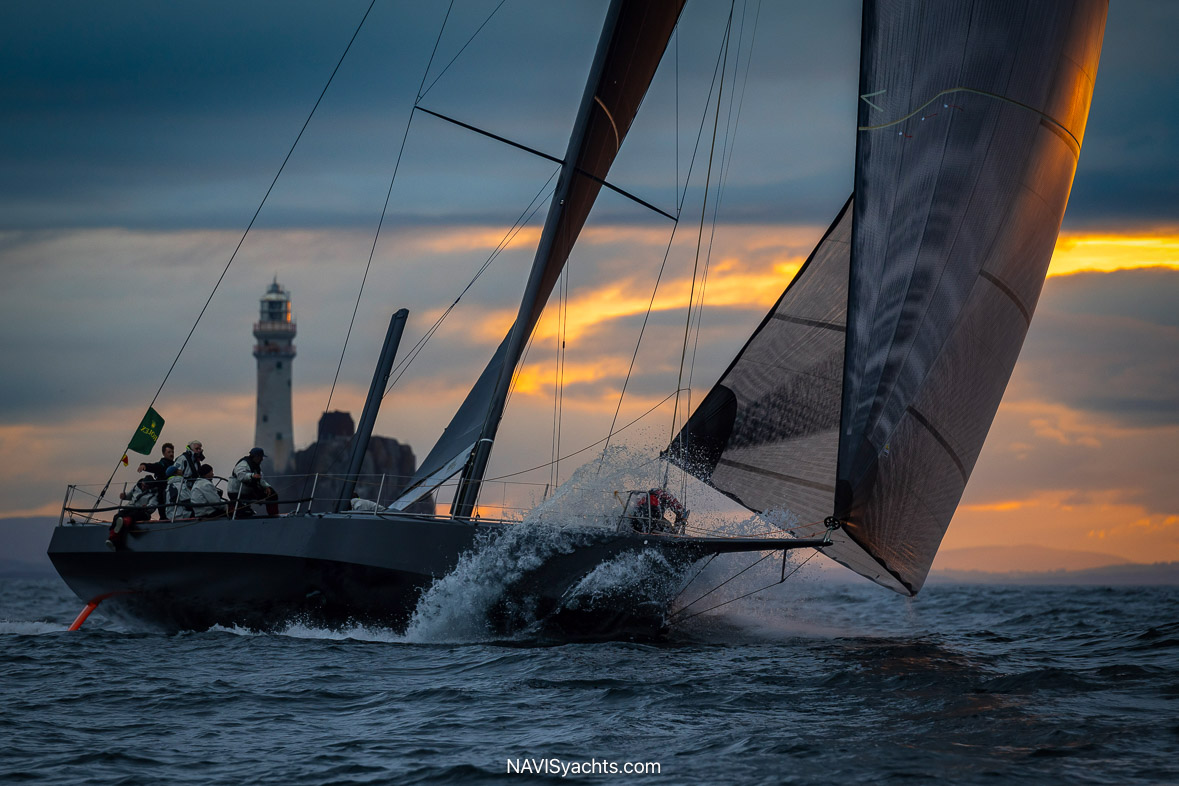
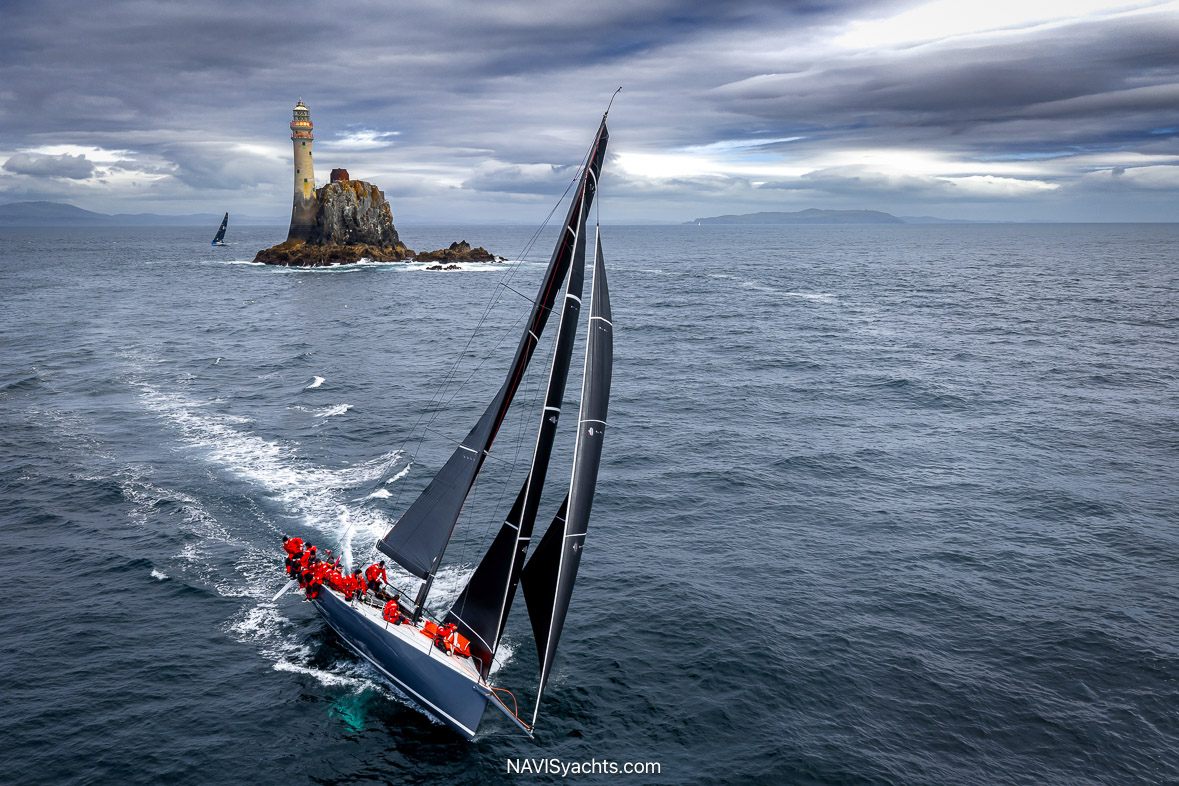
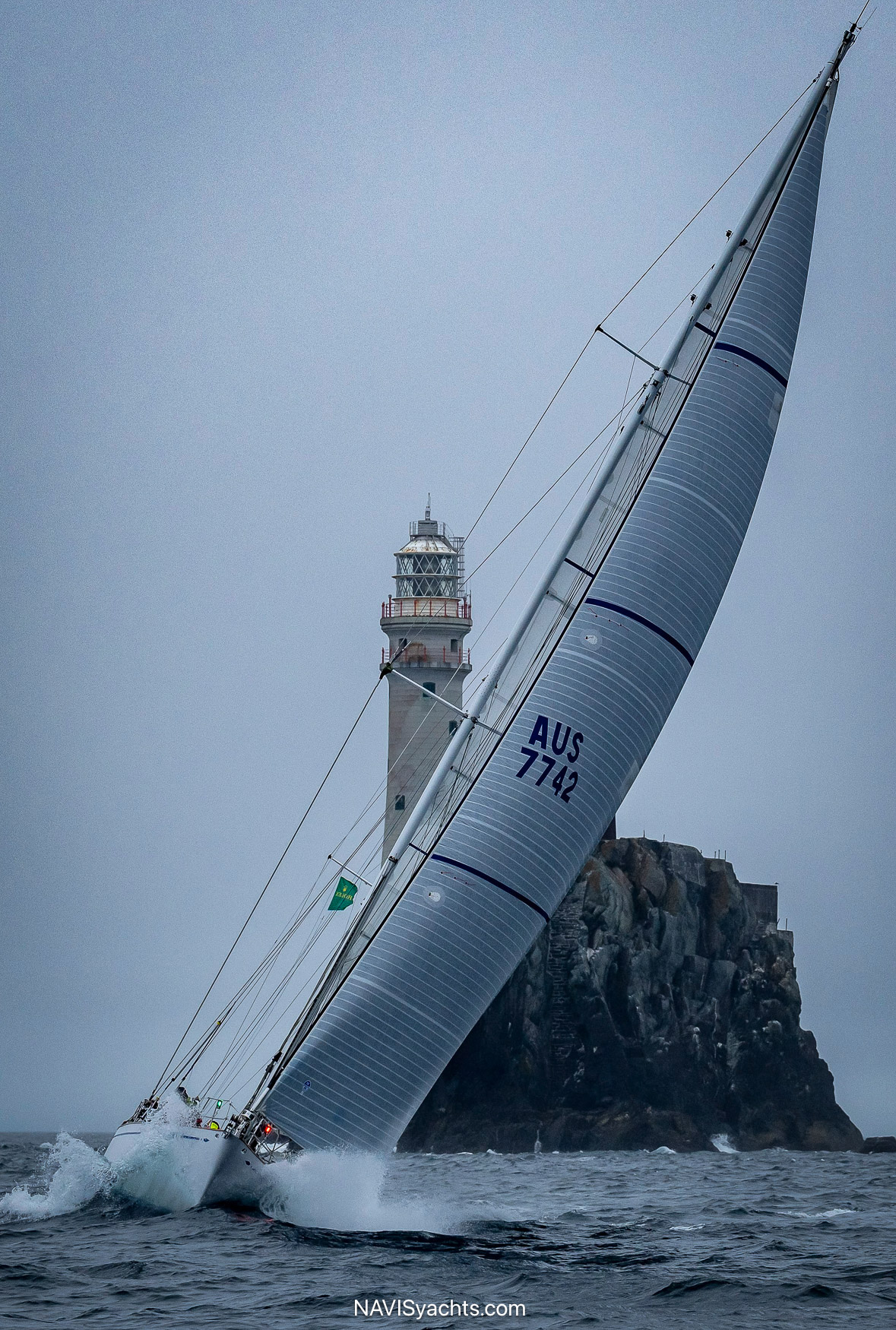
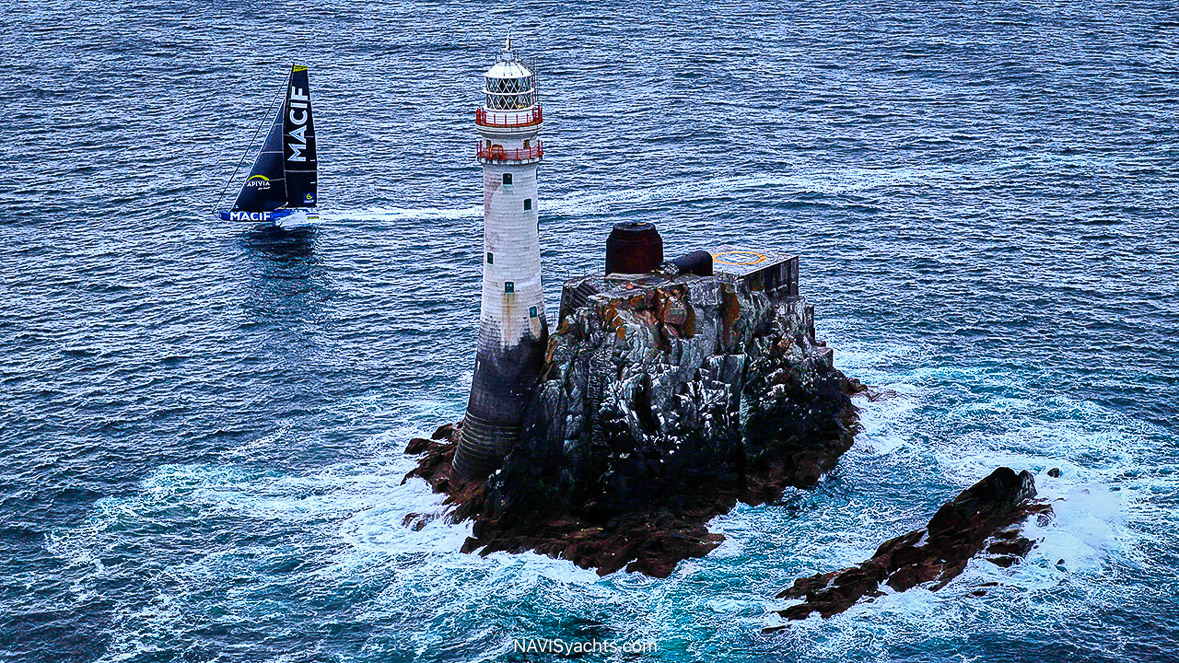
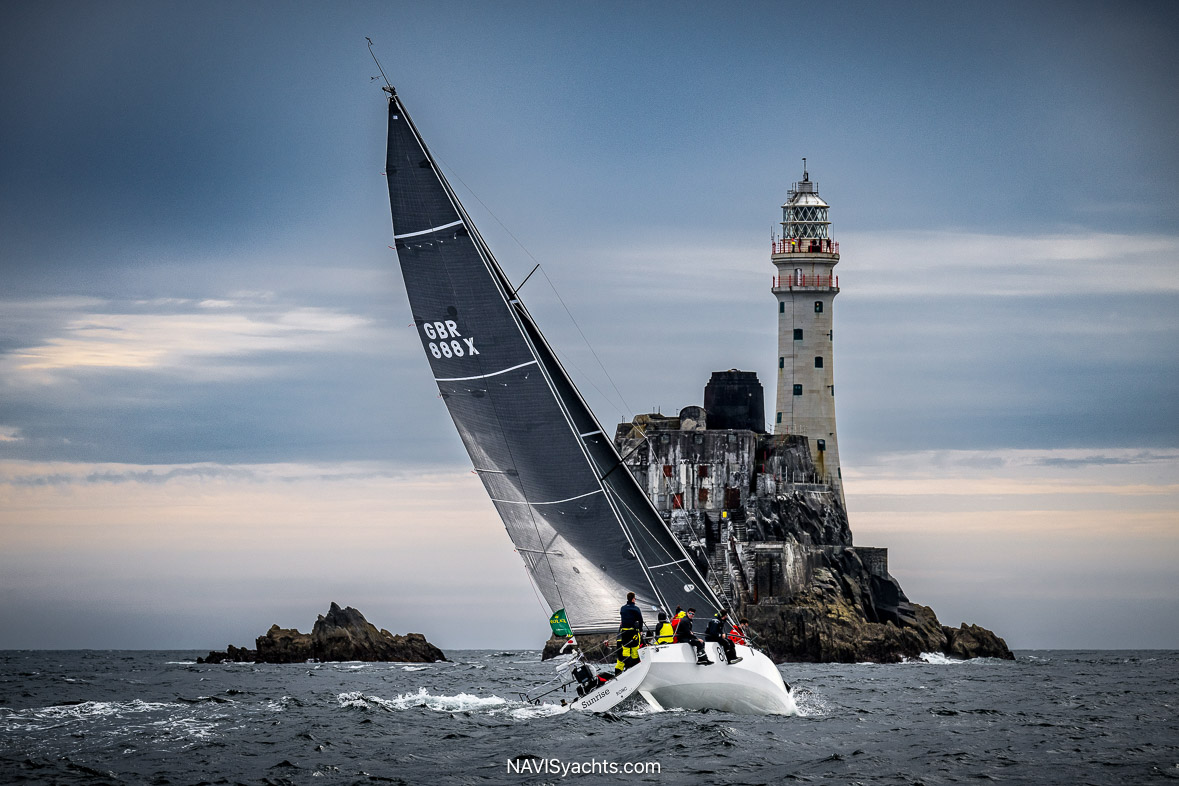
The course itself is a series of distinct and demanding stages. It begins in the congested waters of the Solent, moves into the English Channel with its powerful tides, and then opens into the Celtic Sea, where Atlantic weather systems often deliver brutal conditions. The emblematic turn at the Fastnet Rock off southern Ireland marks the halfway point before a challenging return leg to Cherbourg. This year, mastering each stage required more intellect than muscle.
Line Honours: A Contest of Giants
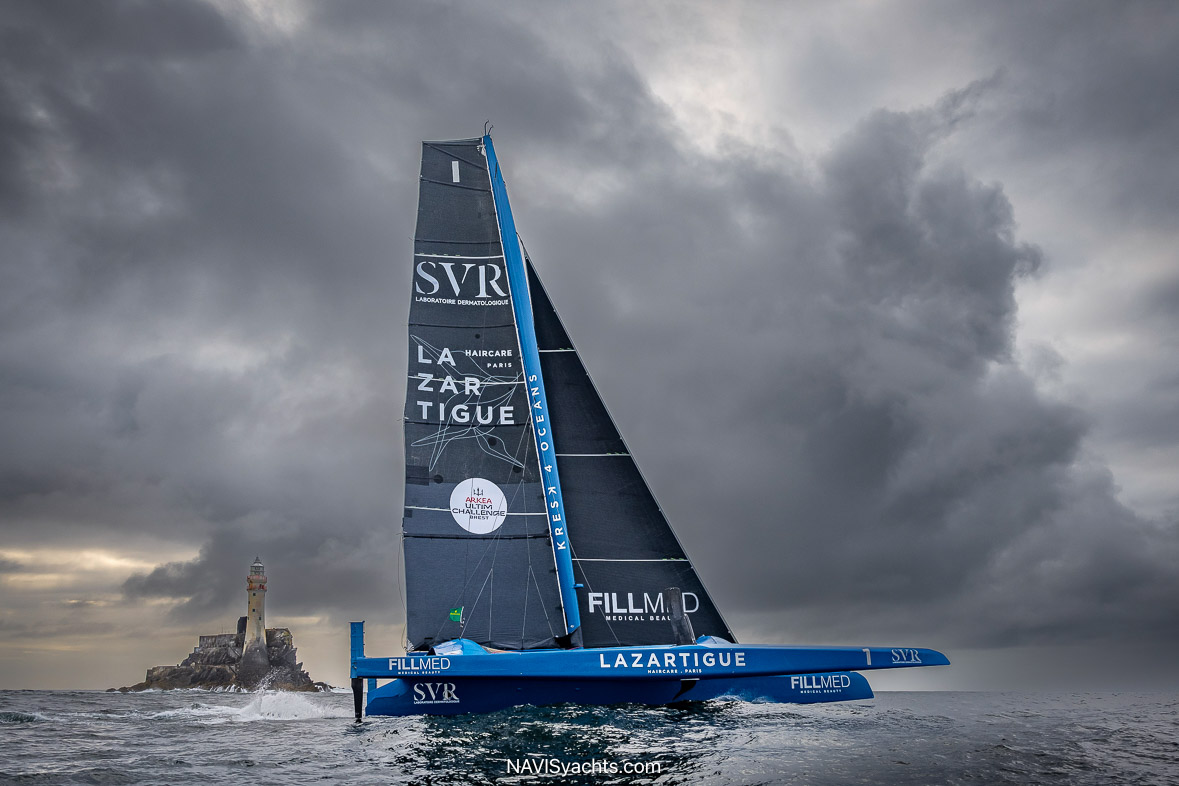
While strategy defined the overall leaderboard, the battle for line honours; to be the first boat to cross the finish line, was a captivating display of speed and power. In the multihull division, the French Ultim trimaran SVR Lazartigue established its dominance early. Hitting the start line at speed, the race record holder from 2023 quickly built a lead that proved unassailable, finishing in an elapsed time of 41 hours, 18 minutes, and four seconds.
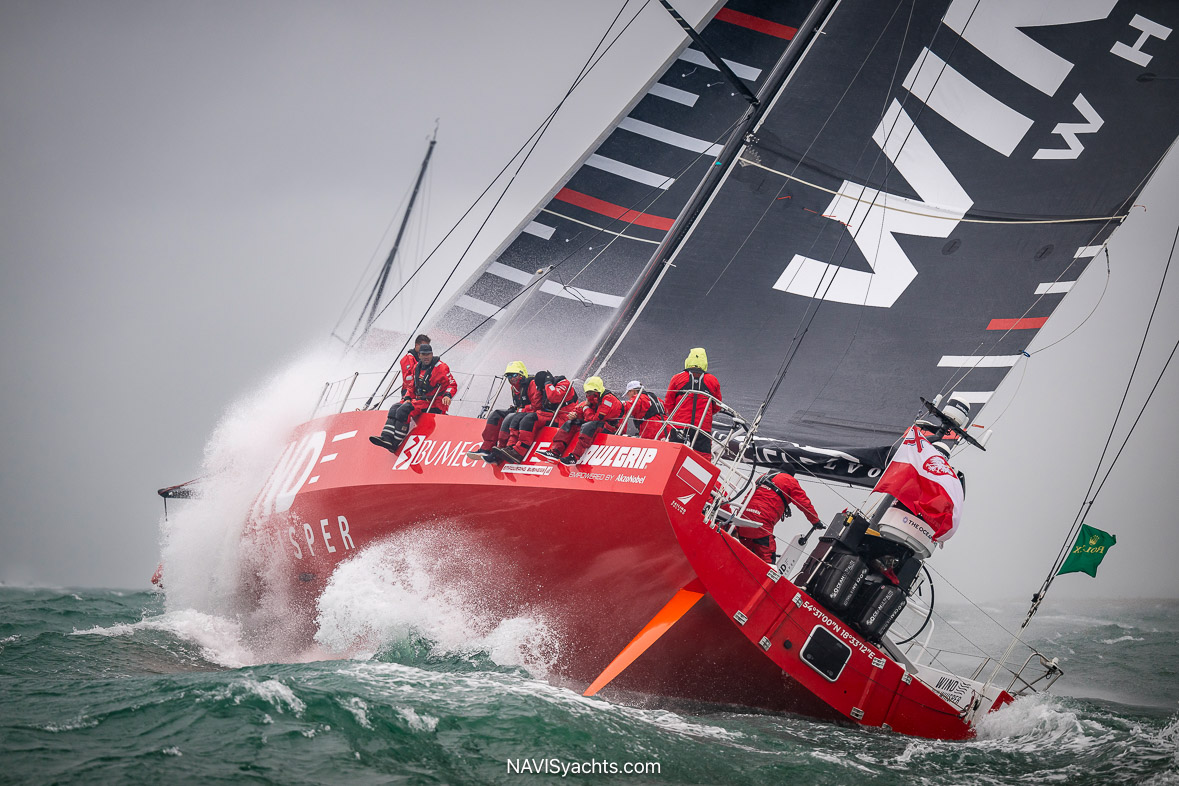
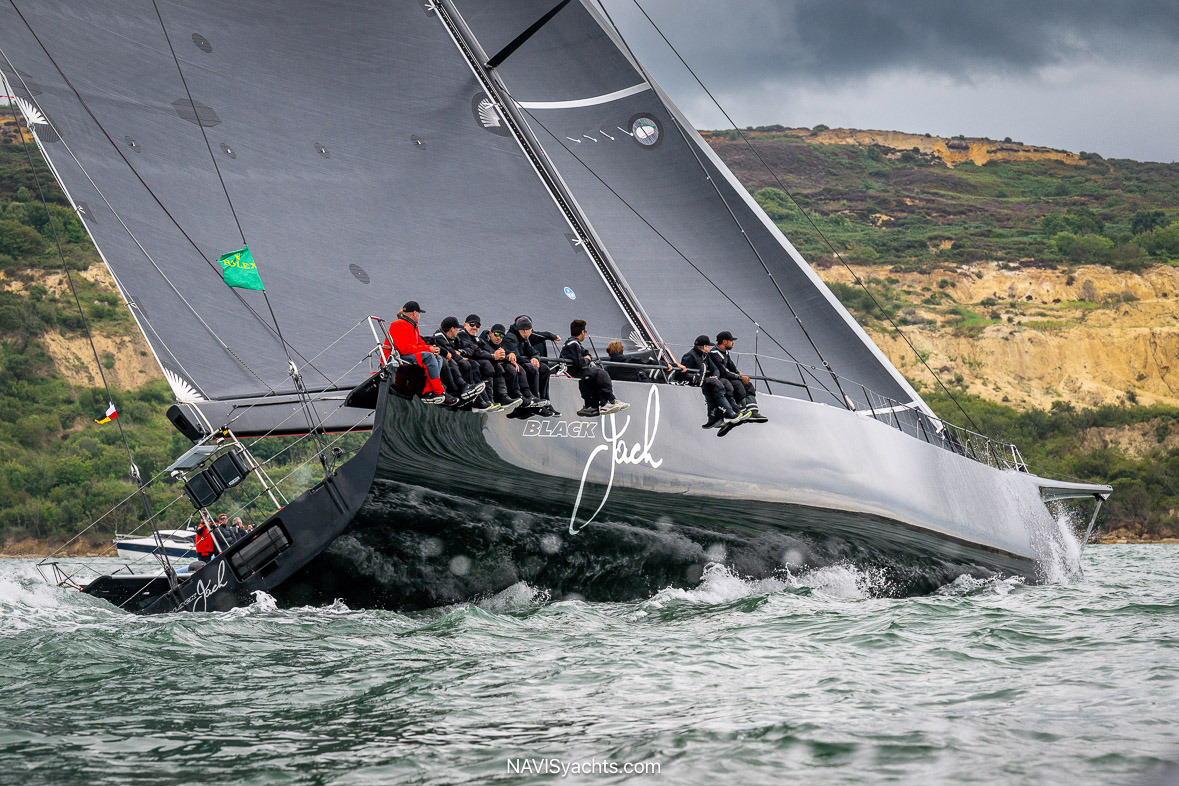
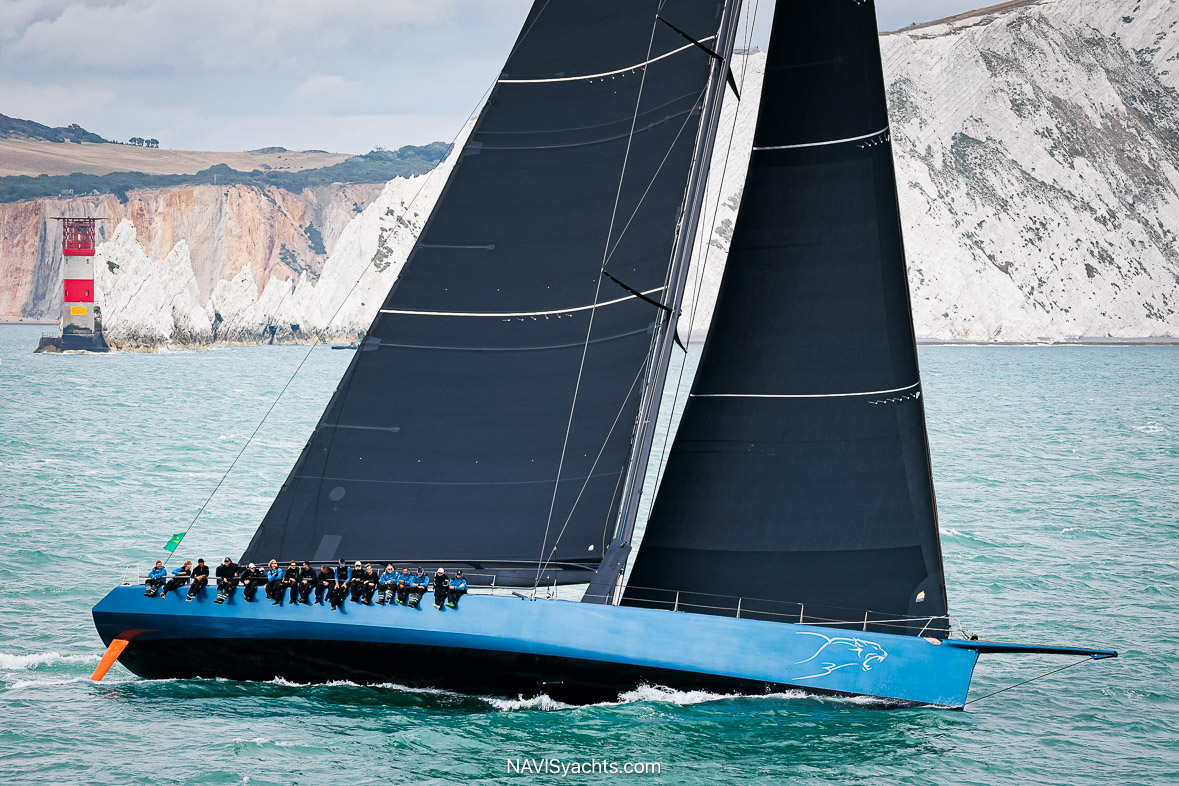
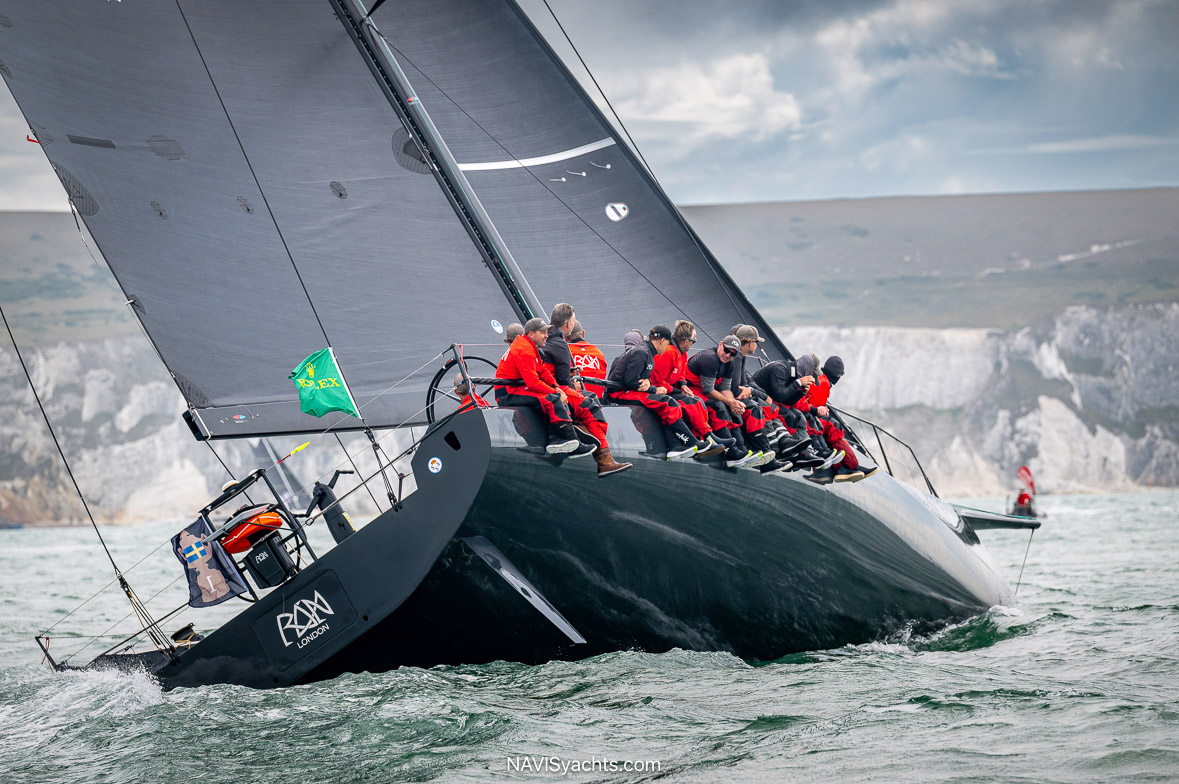
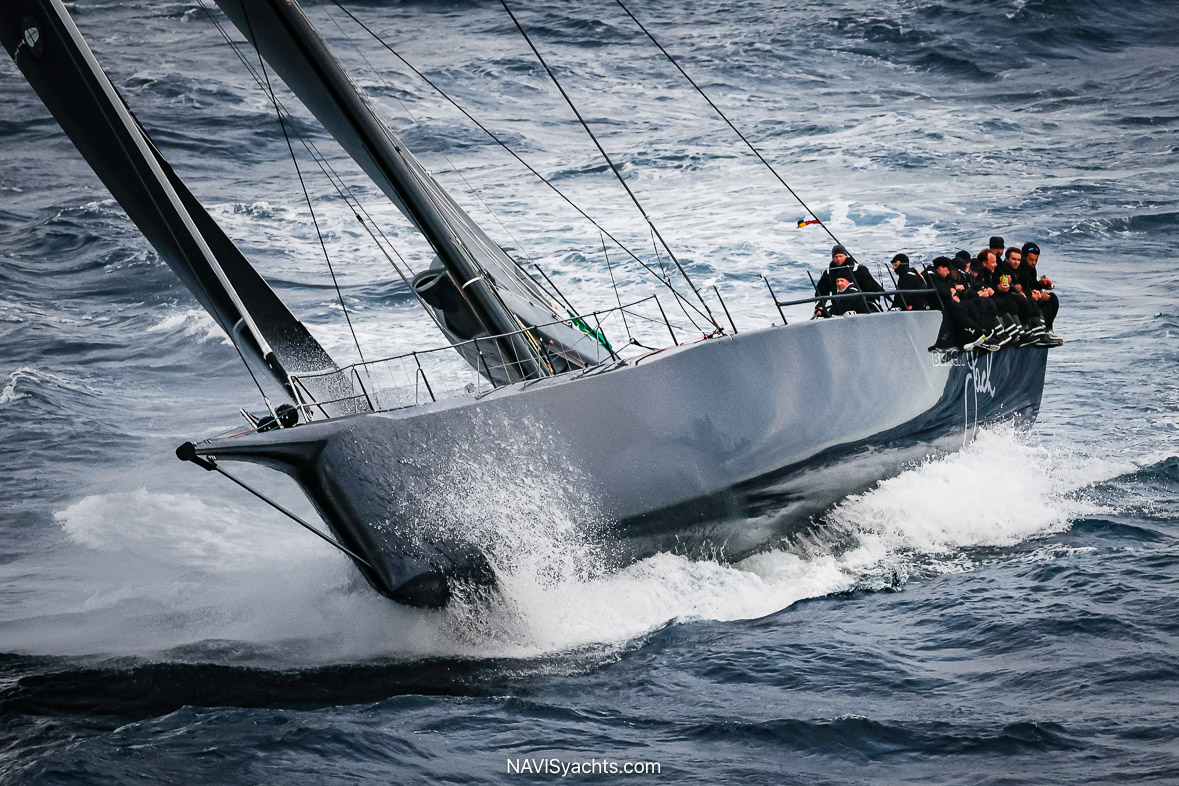
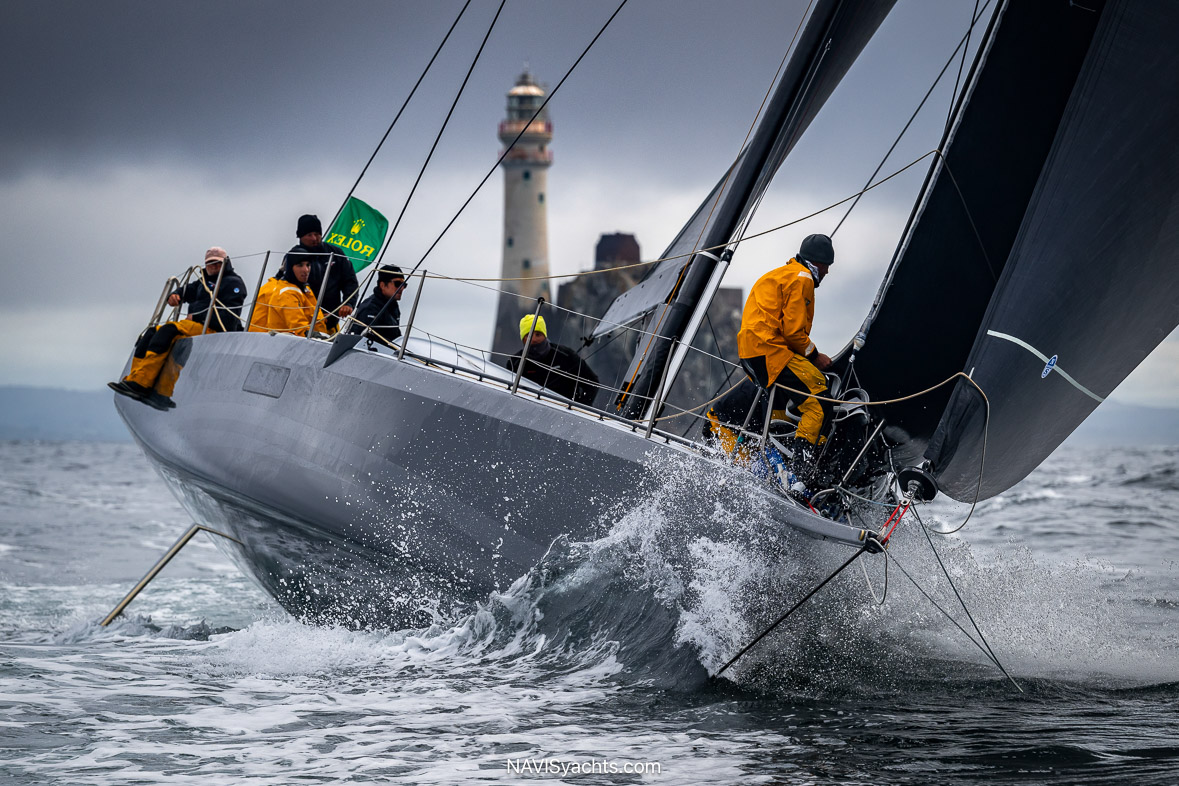
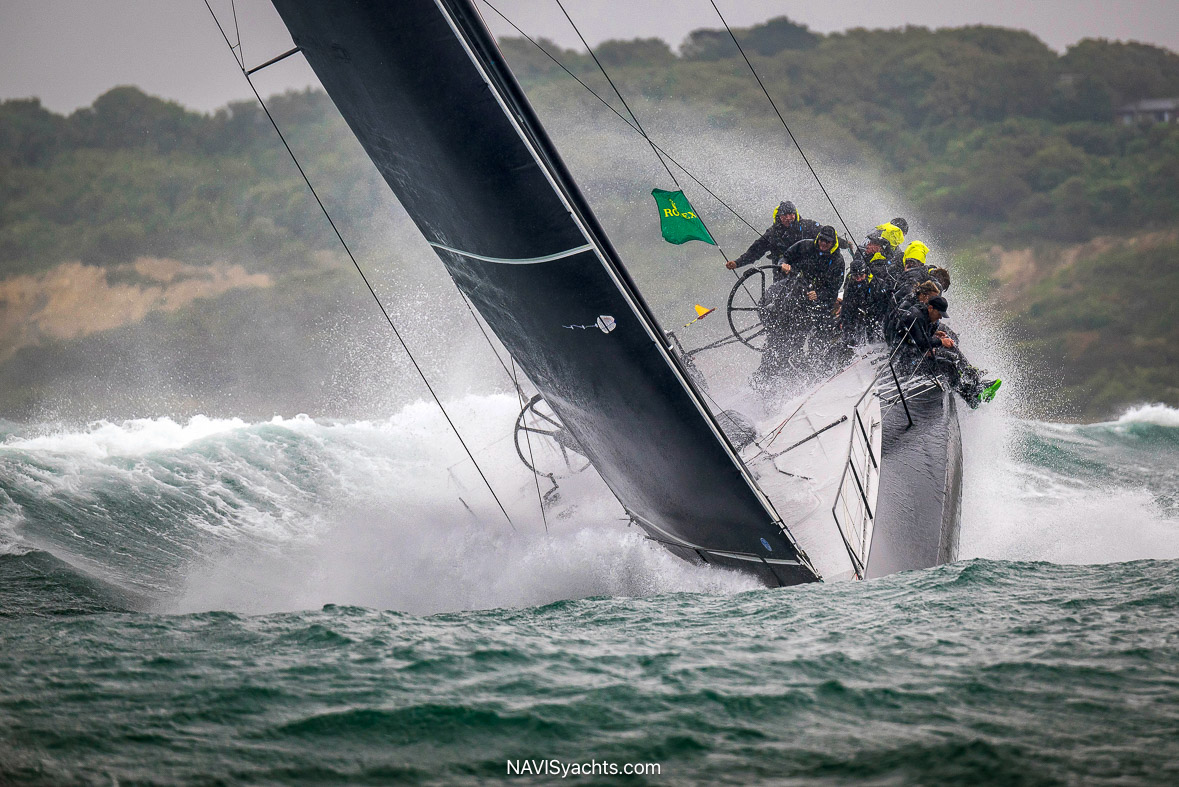
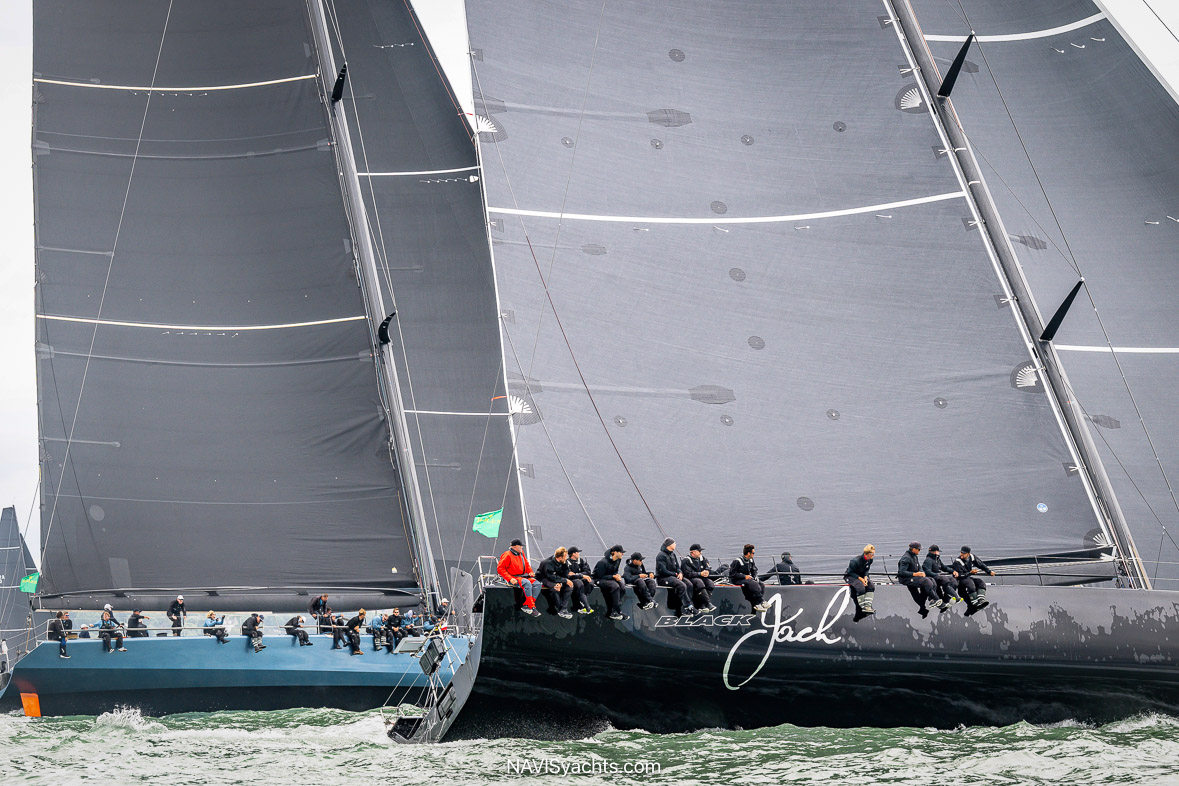
The monohull line honours contest was a closer and more dramatic affair among the 100-foot Maxis. For the first half of the race, SHK Scallywag from Hong Kong successfully held off Monaco’s Black Jack 100 and the formidable Leopard 3. However, the race transformed after rounding the Fastnet Rock. In the downwind conditions, Black Jack 100 made its move, squeezing into the lead and expertly navigating the wind and tide to finish in two days, 12 hours, 31 minutes, and 21 seconds.
For skipper Tristan Le Brun, the victory was a milestone moment. “Our goal was to stay with them to the Rock. We executed that plan very well,” he explained.
“Downwind we were fast, focussed and communication was good.”
The Unthinkable Upset: A Double-Handed Victory
While the giants battled for line honours, the most remarkable story of the centenary race was unfolding further back in the fleet. The ultimate prize, the Fastnet Challenge Cup for the overall winner under IRC time correction, was won not by a fully-crewed professional superyacht, but by Léon, a 10.43-metre (34-foot) French yacht sailed by a crew of just two.
Racing in the main monohull category of 380 entrants, Alexis Loison and Jean-Pierre Kelbert achieved what many thought was impossible. Their vessel, a JPK 10.43, is a compact racer optimized for short-handed crews, featuring a rounded scow bow and a light displacement planing hull. In the hands of Loison and Kelbert, it was a weapon.
Kelbert, the founder of the company that built the boat, was thrilled. “We had a super race. Alexis injected an intensity and rhythm that I worked hard to keep up with,” he said. “To win overall, I am so satisfied and proud of what we have achieved.”
For Loison, the victory was deeply personal and historic. He is the only person to have won the Rolex Fastnet Race overall on a double-handed entry, having first achieved the feat with his father, Pascal, in 2013. Finishing in his hometown of Cherbourg to the welcome of friends and family was an emotional homecoming. “It was special to see my father on the dock. He was my best teacher... when we had light wind at the end, I knew what to do,” Loison shared. The win was so emphatic that Léon topped the corrected time leaderboard by two hours.
A Legacy Redefined
The 100th-anniversary edition of the Rolex Fastnet Race will be remembered not for gale-force winds, but for the quiet intensity of its strategic challenges. It was a race that celebrated a century of human endeavour by rewarding the very skills that have defined offshore sailing from its inception: sharp tactics, flawless teamwork, and the resilience to push through when victory seems out of reach. The incredible achievement of Léon proved that in this ultimate test, the size of the crew matters less than the depth of their skill and strategy.
Photos: Carlo Borlenghi, Kurt Arrigo - Rolex Fastnet Race | Words: Gabriel Parra