
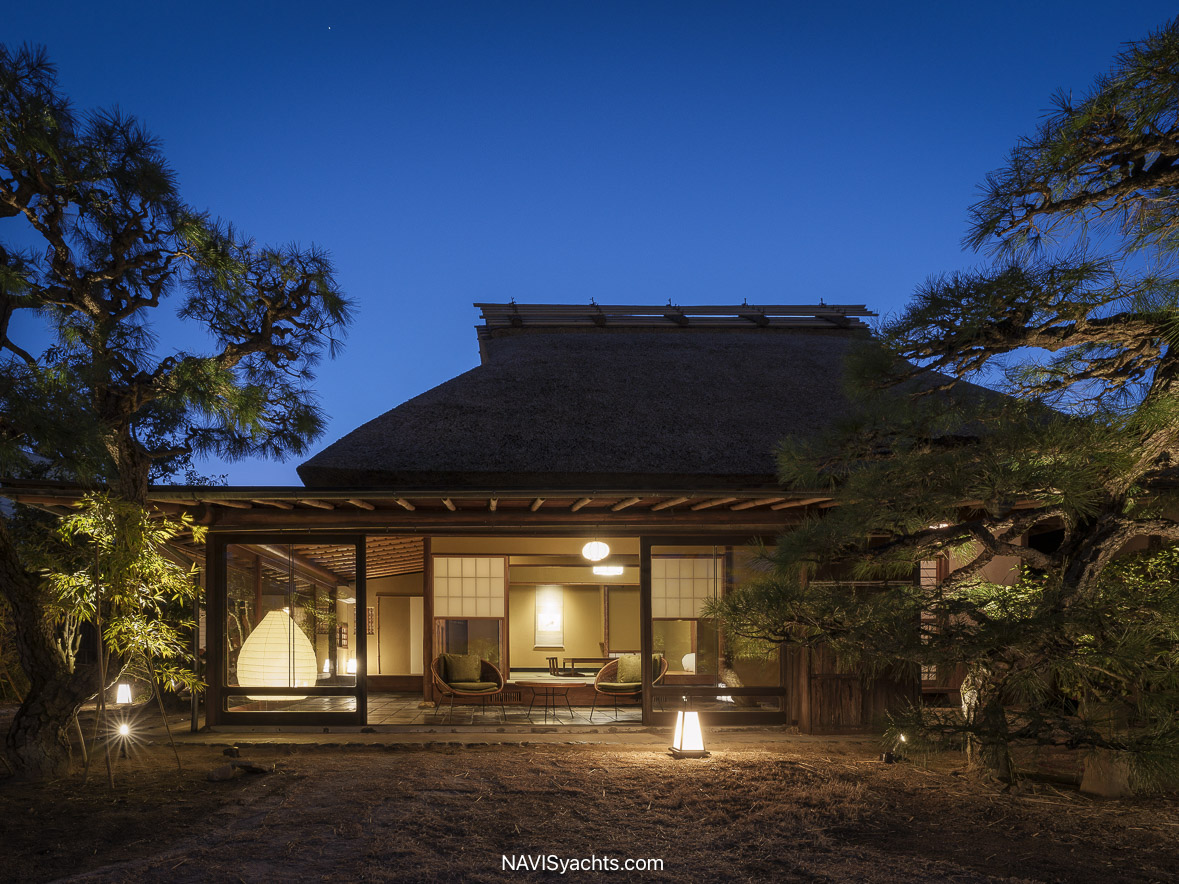
We live in an era where luxury hospitality often defaults to gleaming high rises promoting a near-surfeit of equally glossy, mostly insubstantial features described as “amenities.” In our recent journey to Onomichi, a port town in the Hiroshima Prefecture, the Ryokan Onomichi Nishiyama stands in quiet rebellion of this trend, embodying a meditation on what it means to truly honor the soul of a destination.
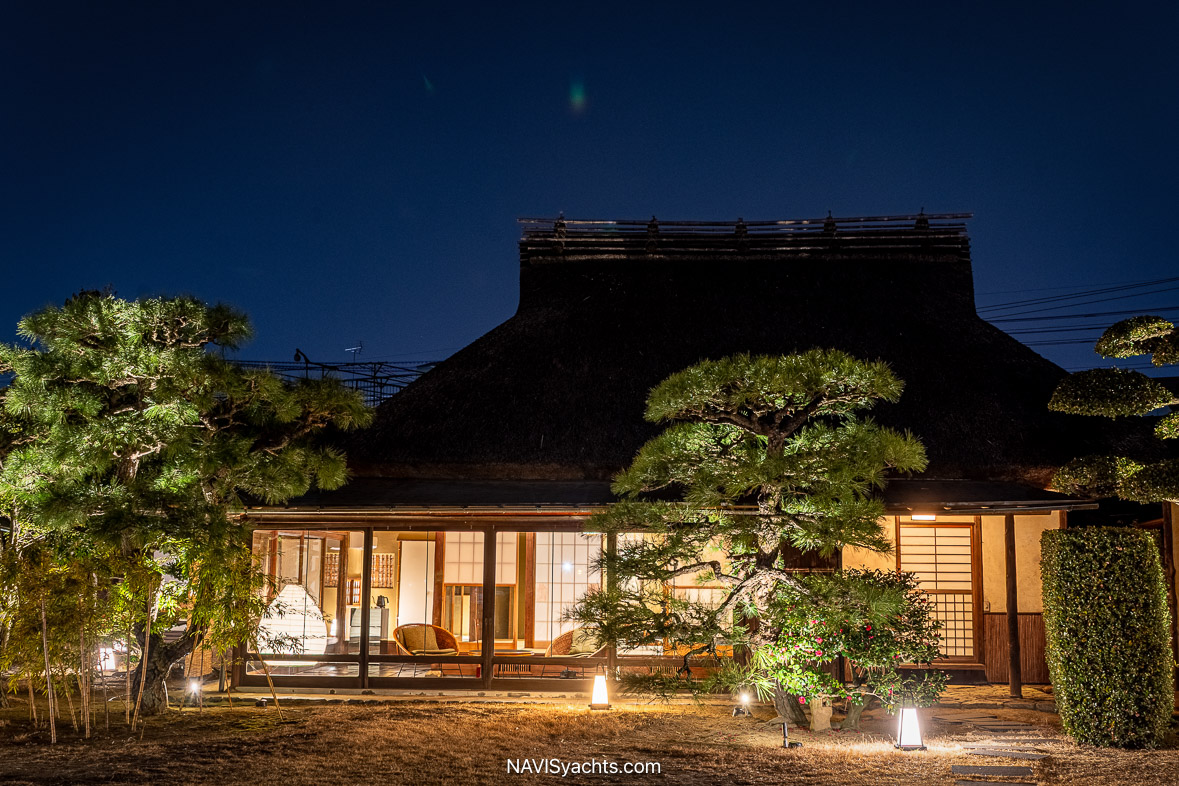
Onomichi itself holds centuries of trading importance yet still manages to retain a therapeutically relaxing atmosphere. Surrounded by mountains and facing the Seto Inland Sea, Onomichi is famous for its many unique stores housed in refurbished old private houses as well as exceptional examples of temples and shrines. This remarkable ryokan, which reopened in April 2023 after inheriting the culture of the 1943 original Nishiyama Bekkan teahouse, which once reigned as the city’s finest, catering to only the most distinguished guests. In its newly reimagined state, Ryokan Onomichi Nishiyama represents something increasingly rare: a thoughtful, authentic hospitality experience that treats the past not merely as décor, but as living memory.
Design Philosophy that Whispers
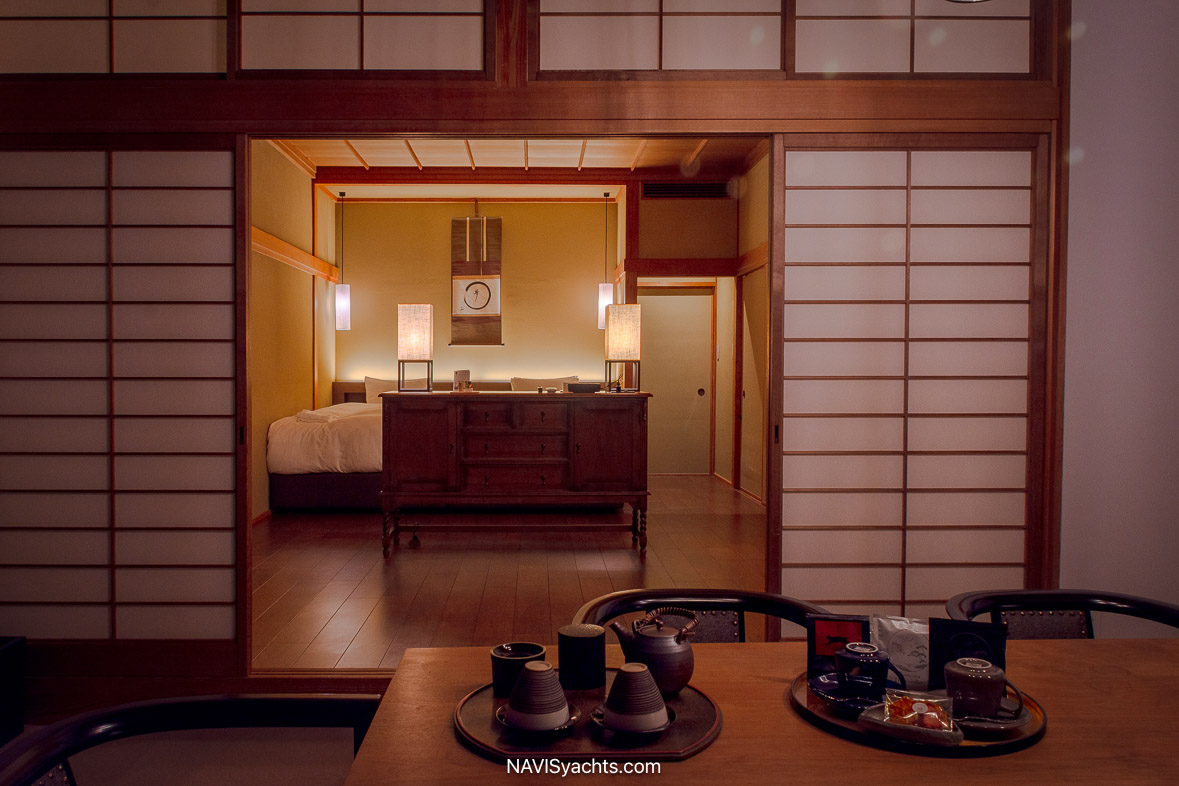
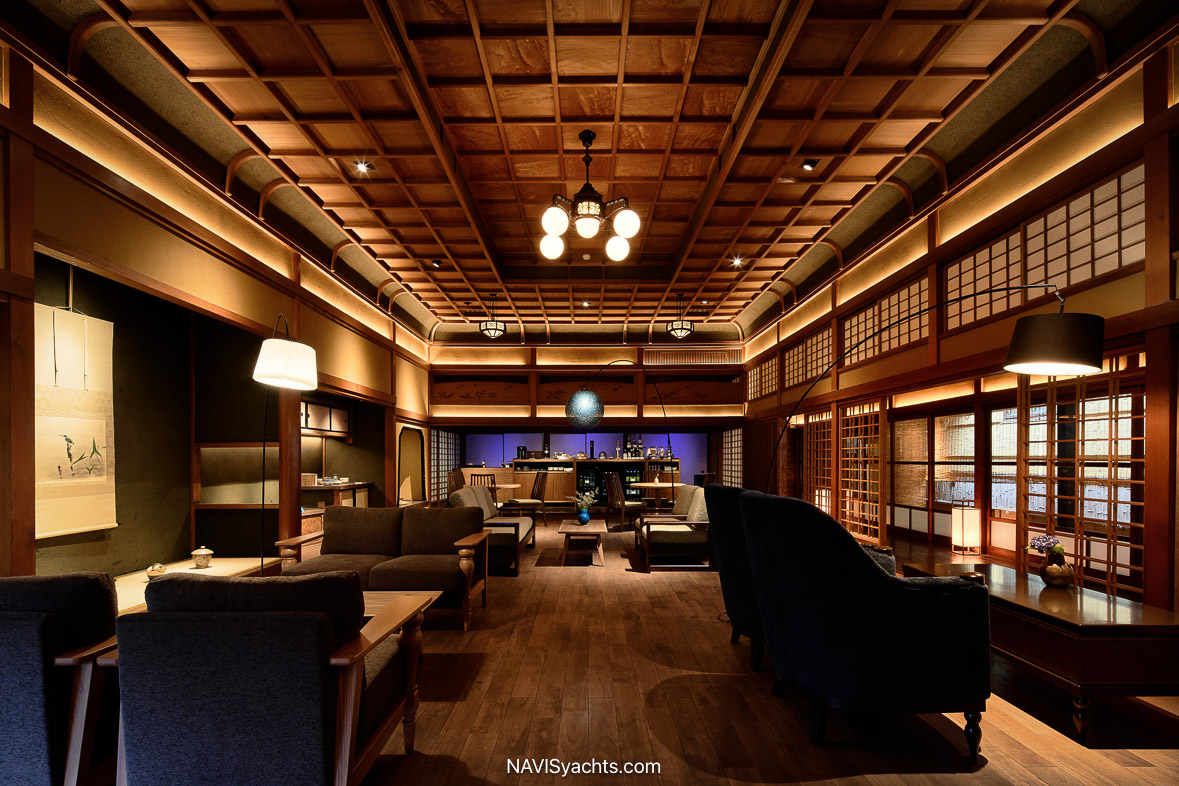
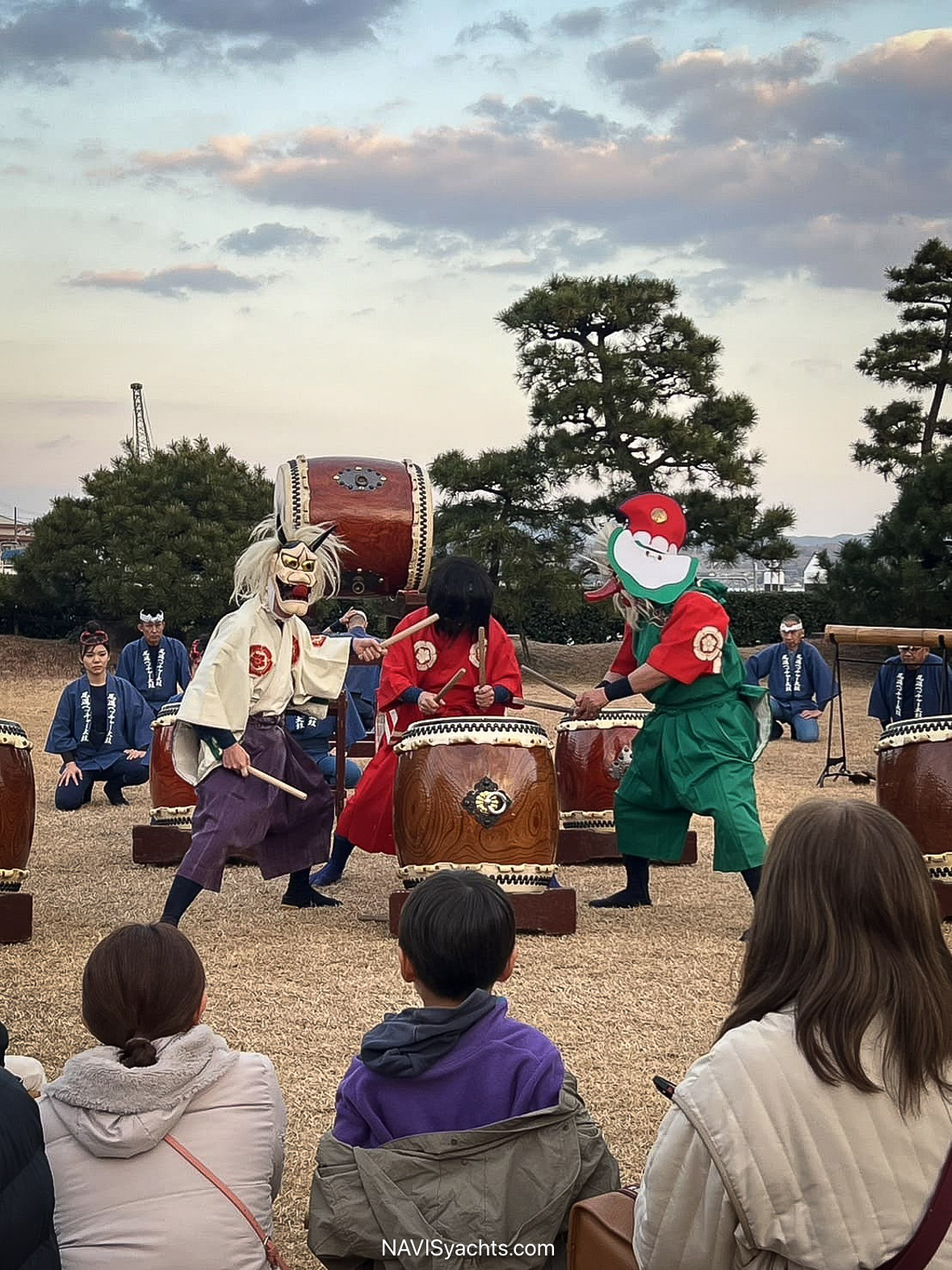
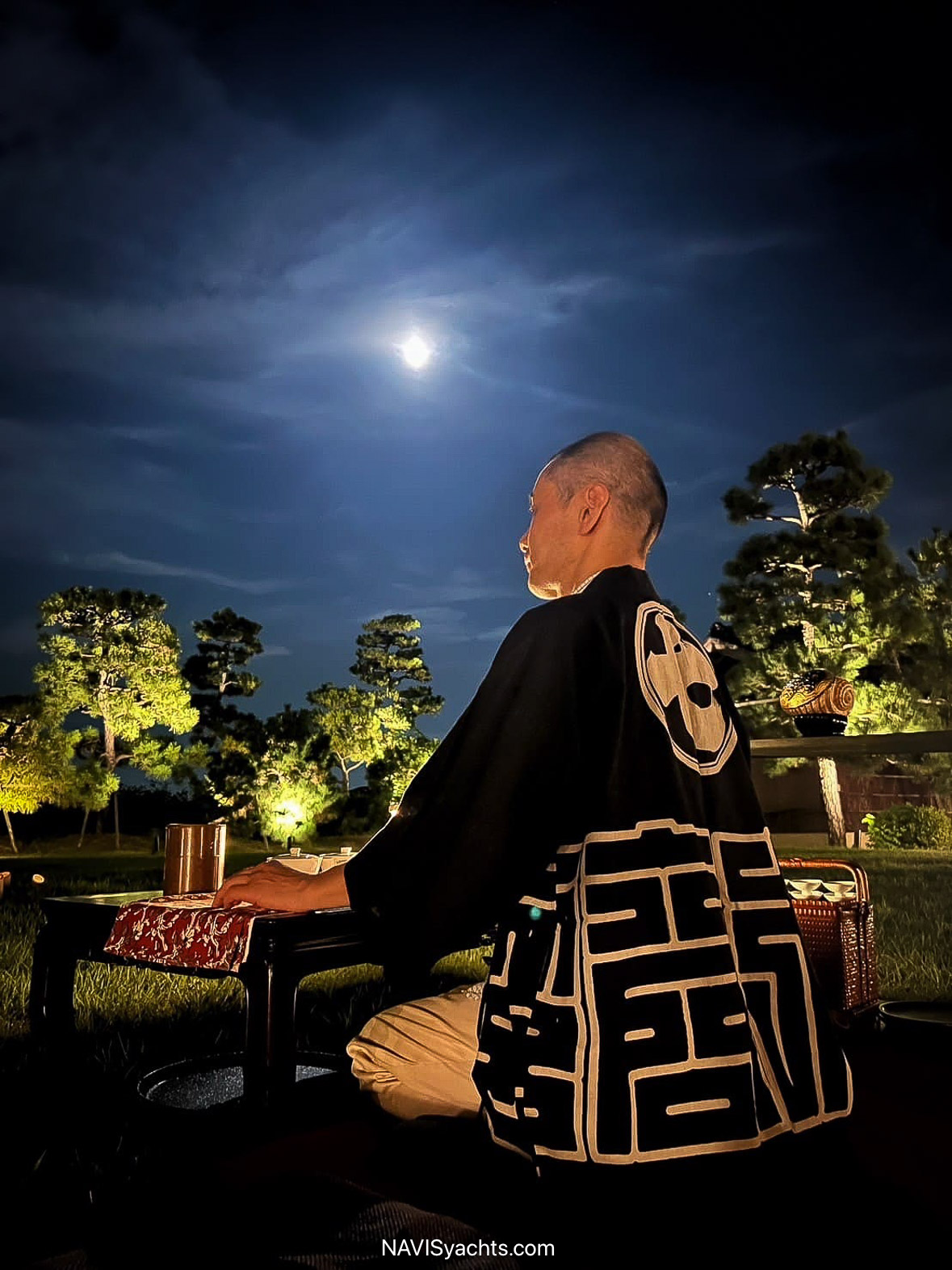
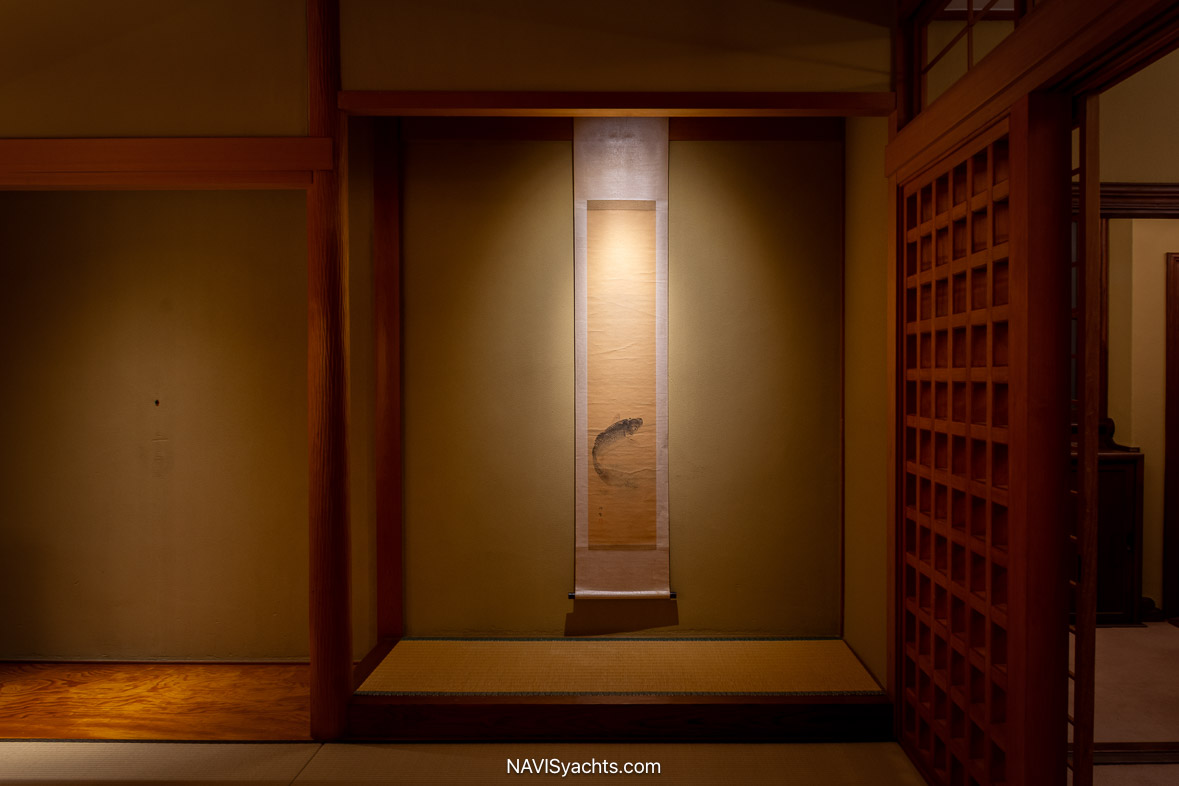
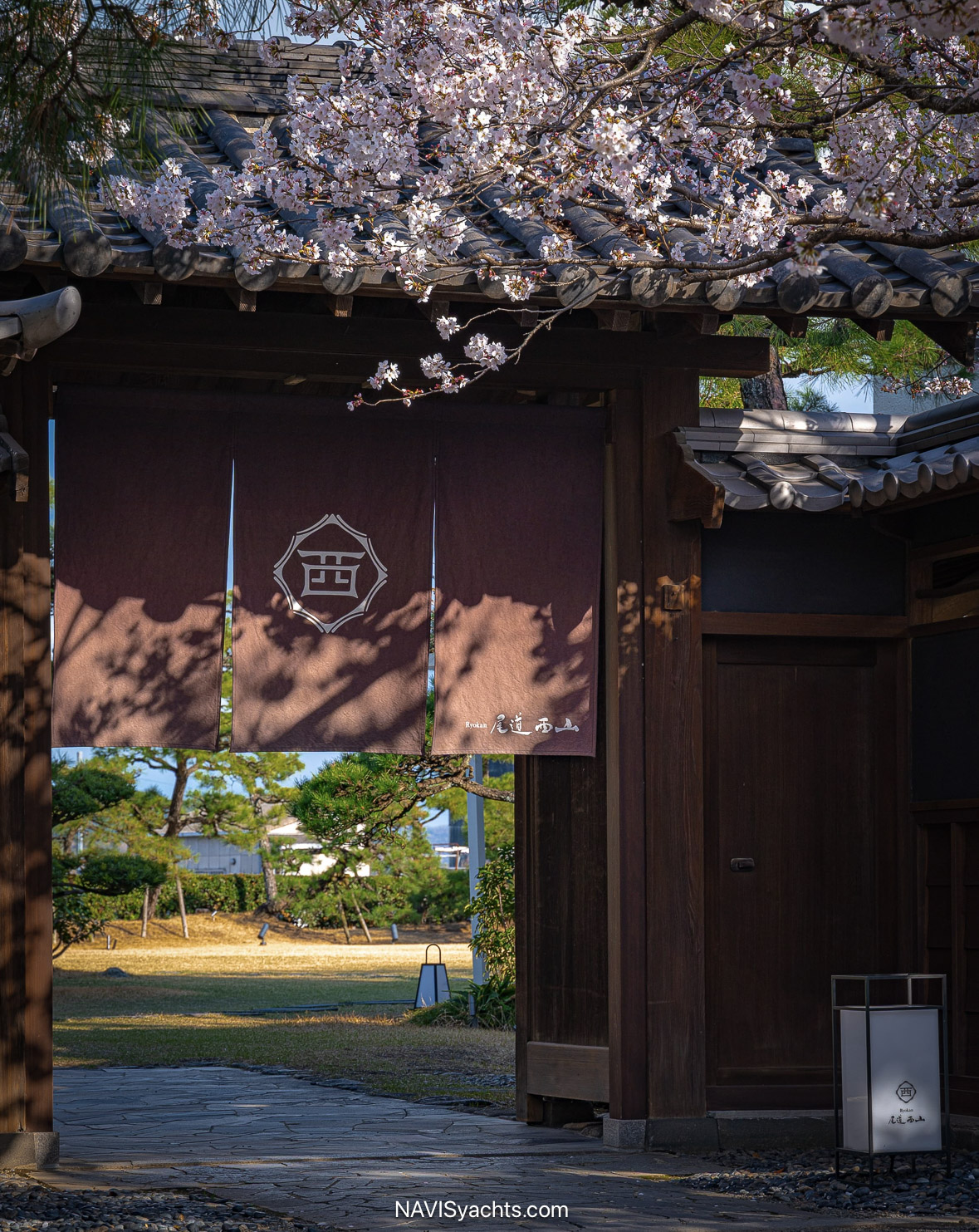
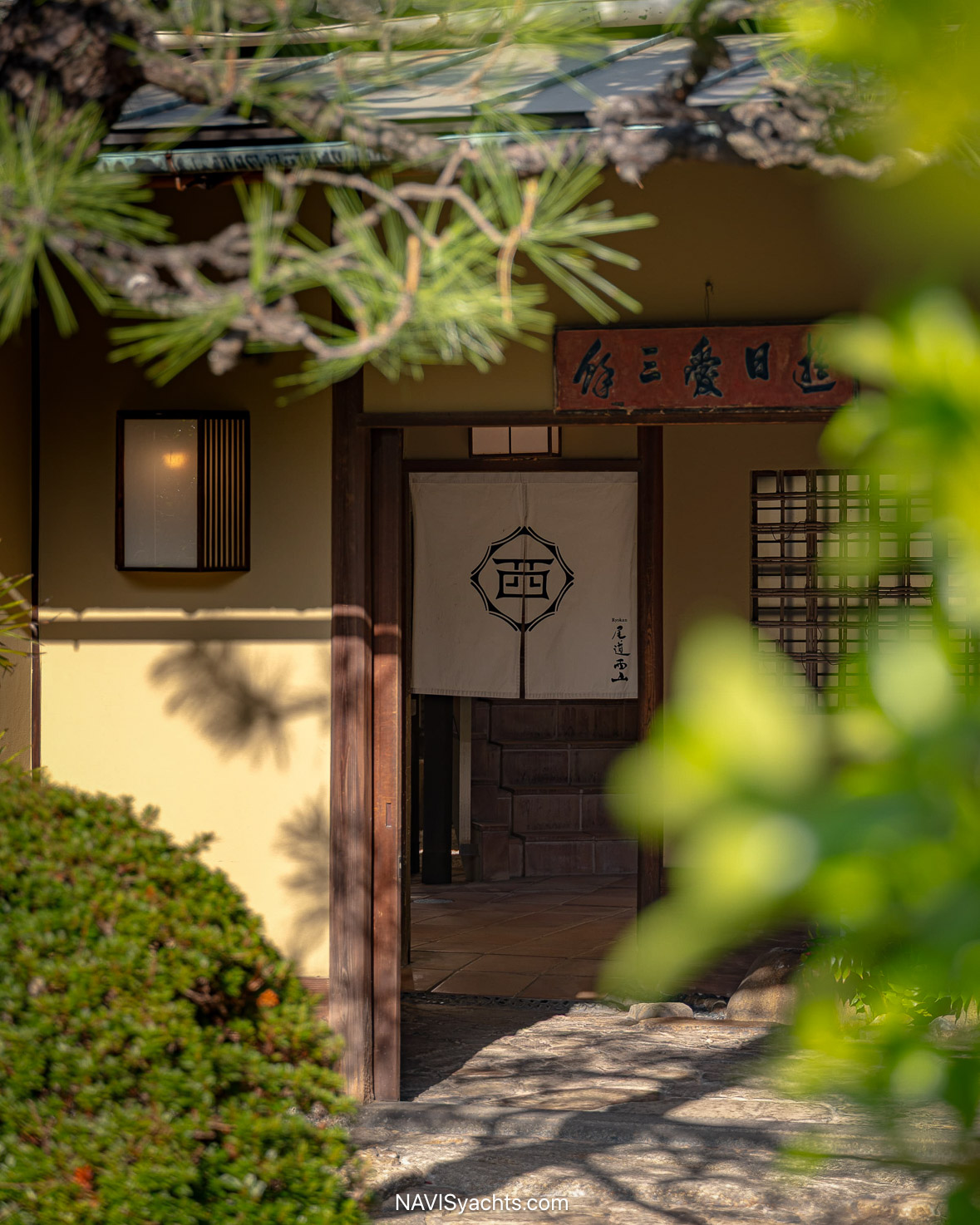
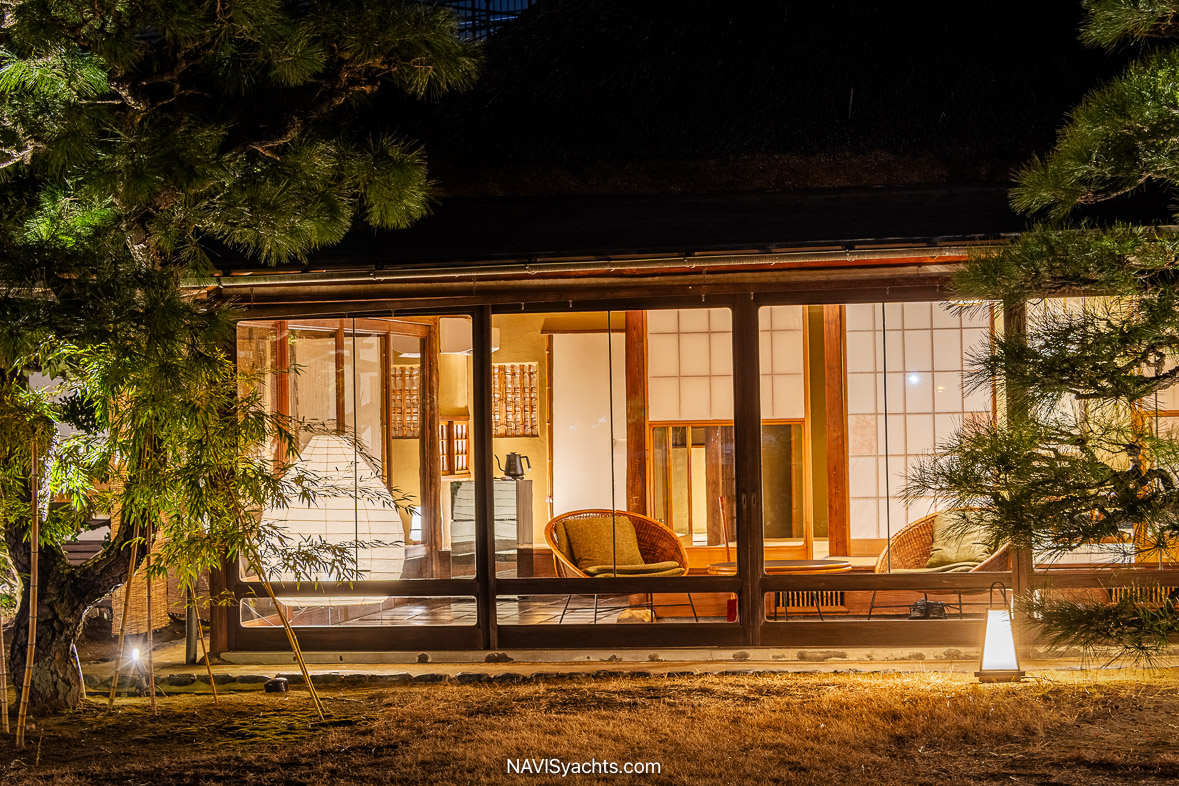
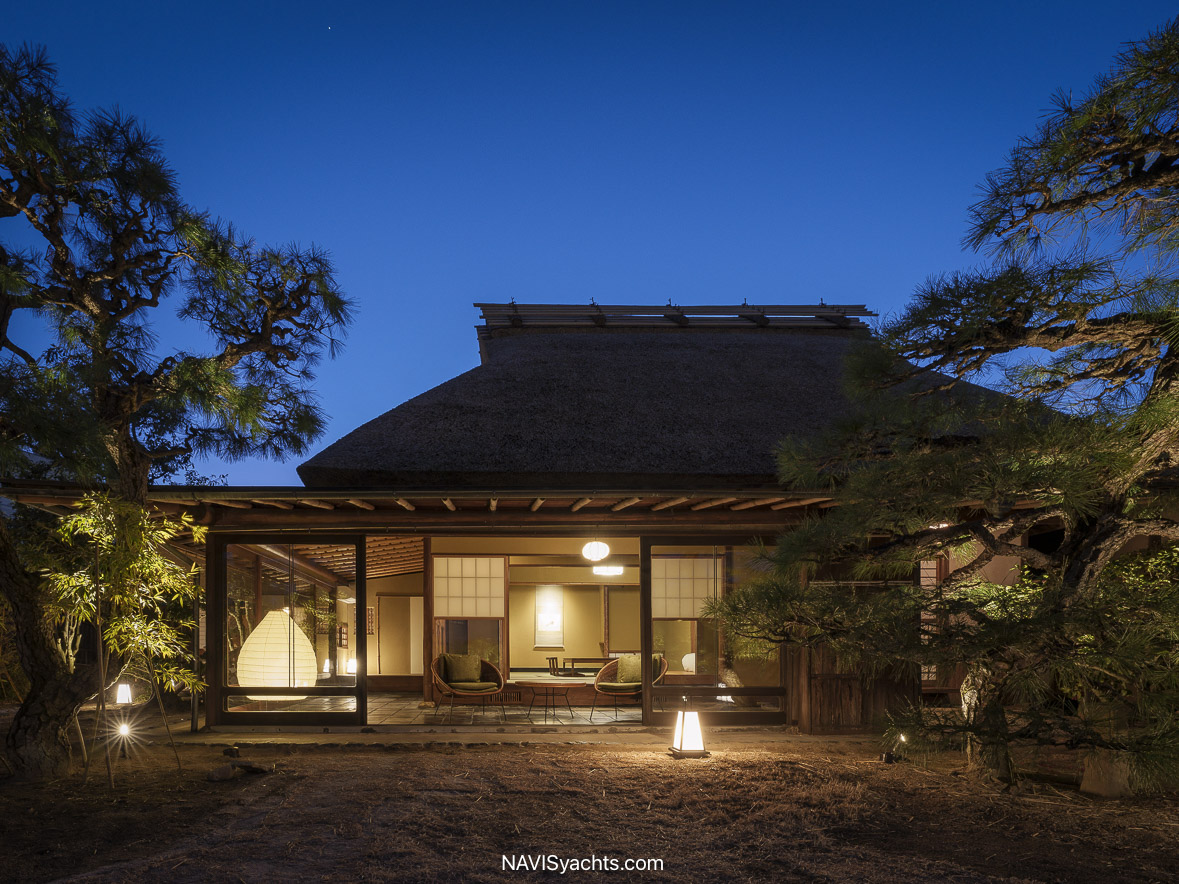
From the moment of arrival, the ryokan reveals its philosophy through thoughtful contradiction. Where other properties might simply preserve historic elements behind glass, Nishiyama transforms them into functional poetry. Wood from the original tokonoma alcoves now become room keys, while centuries-old roof tiles have been reimagined as entrance décor, speaking to a deeper understanding of how history might co-exist energetically with the present. This is not preservation for its own sake, but rather an intimate dialogue between past and present that honors both without sacrificing either.
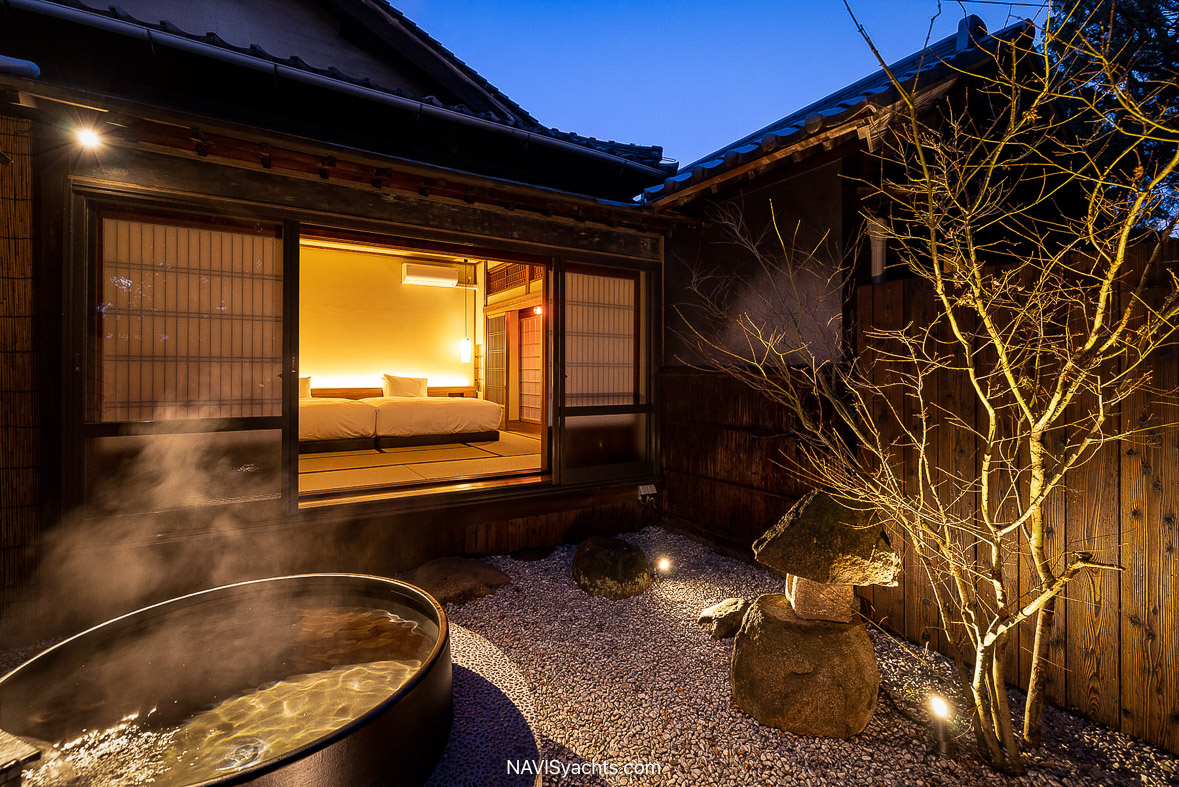
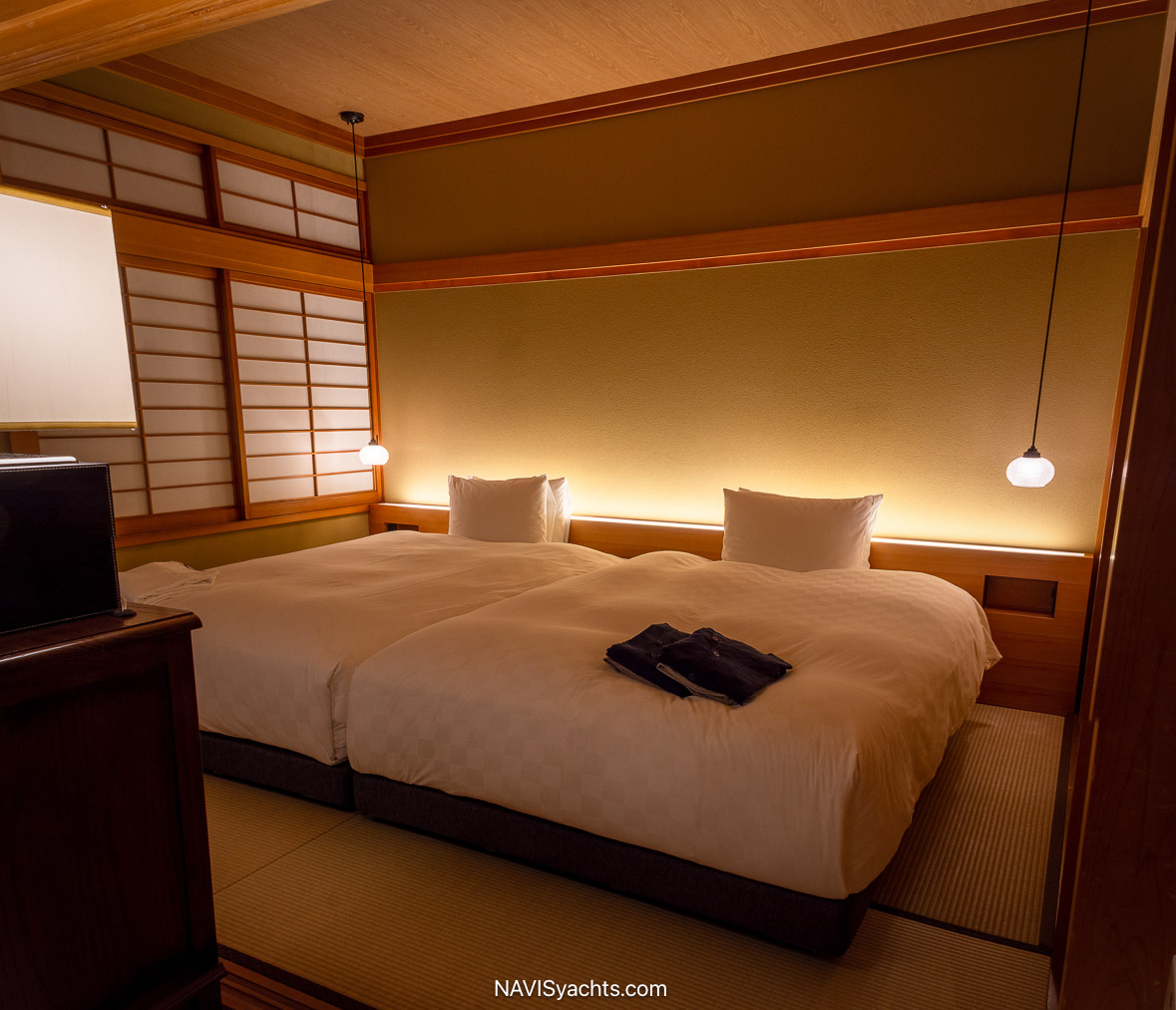
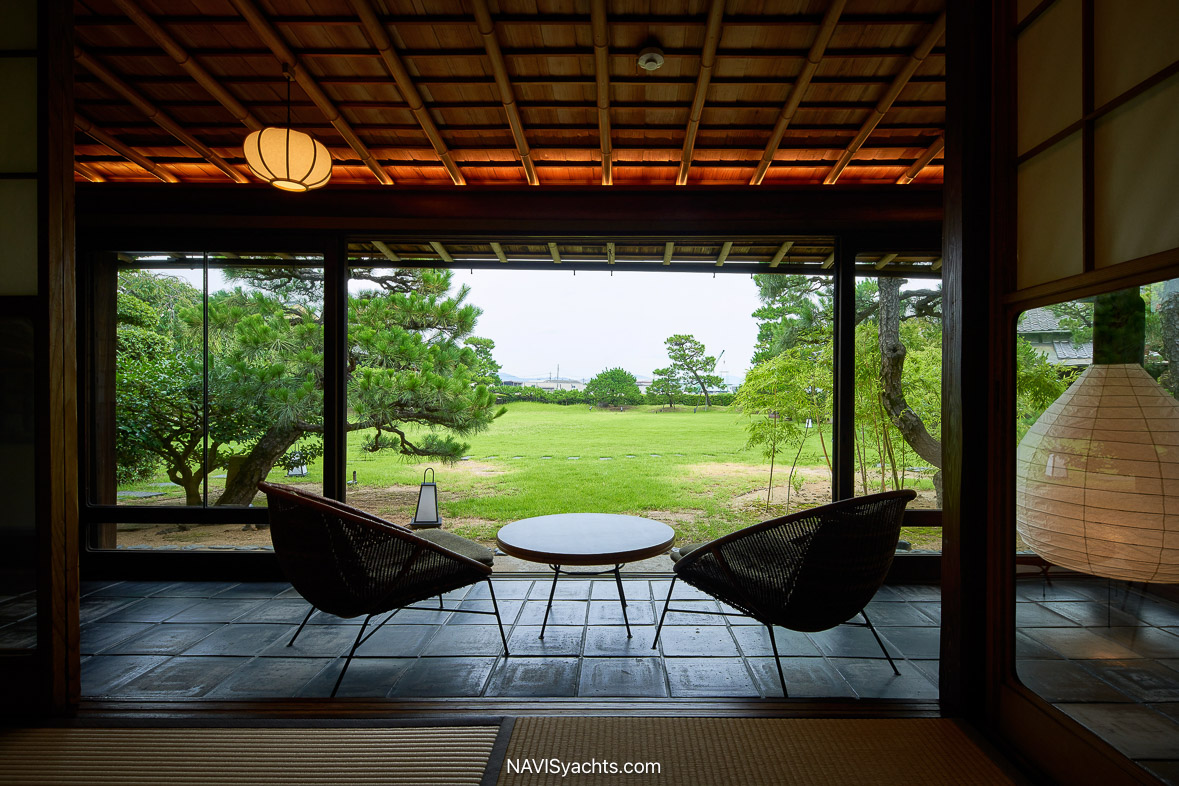
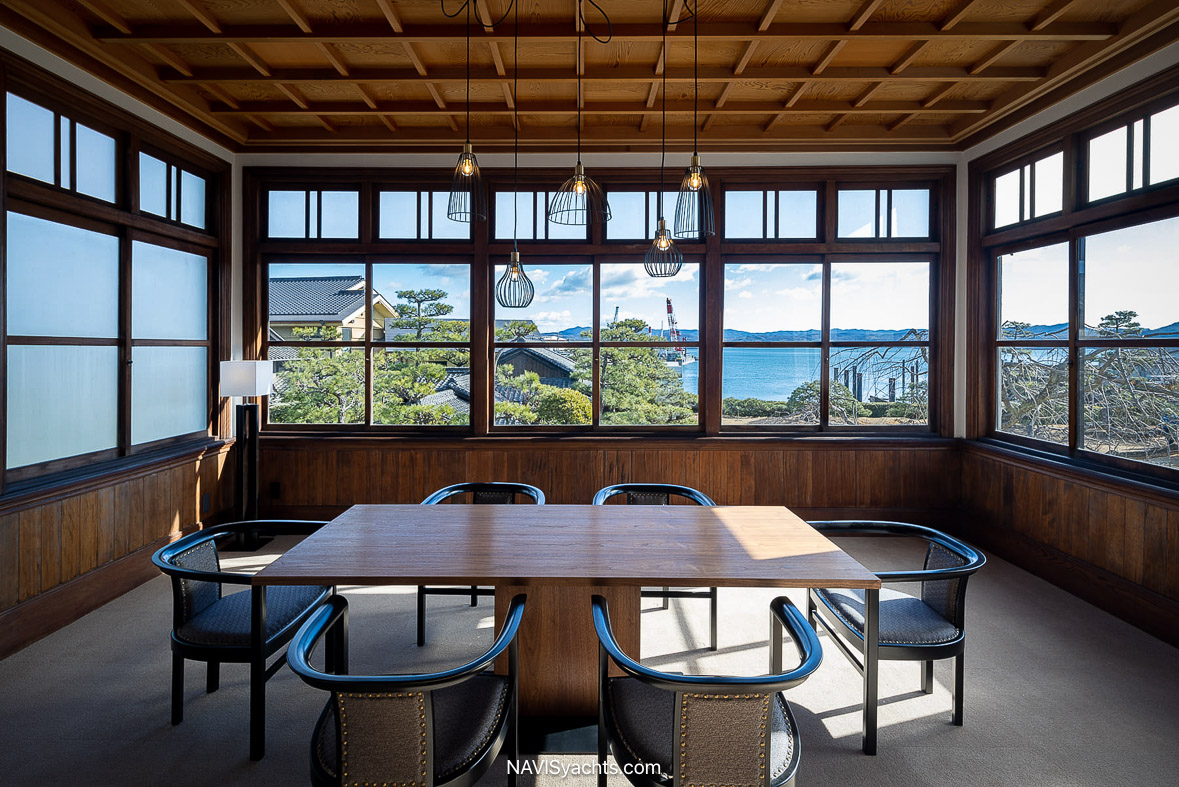
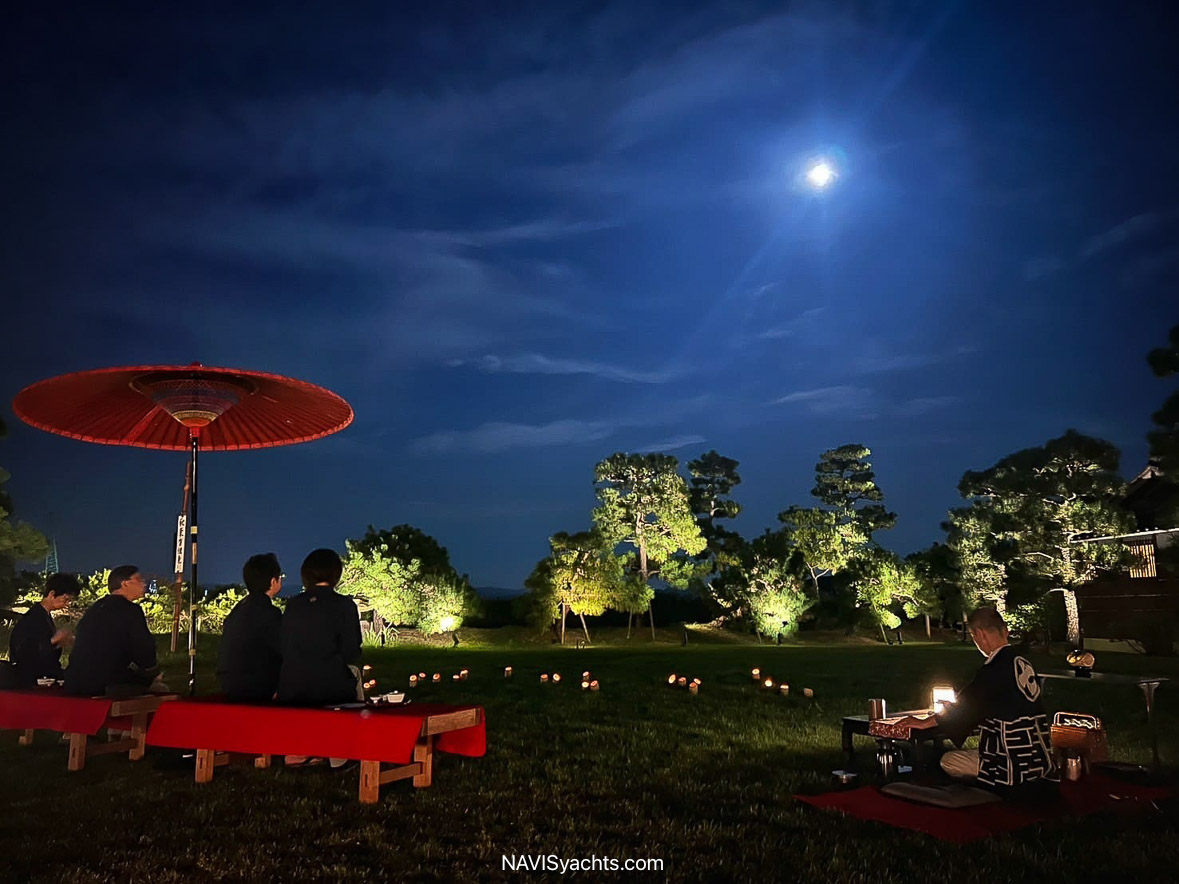
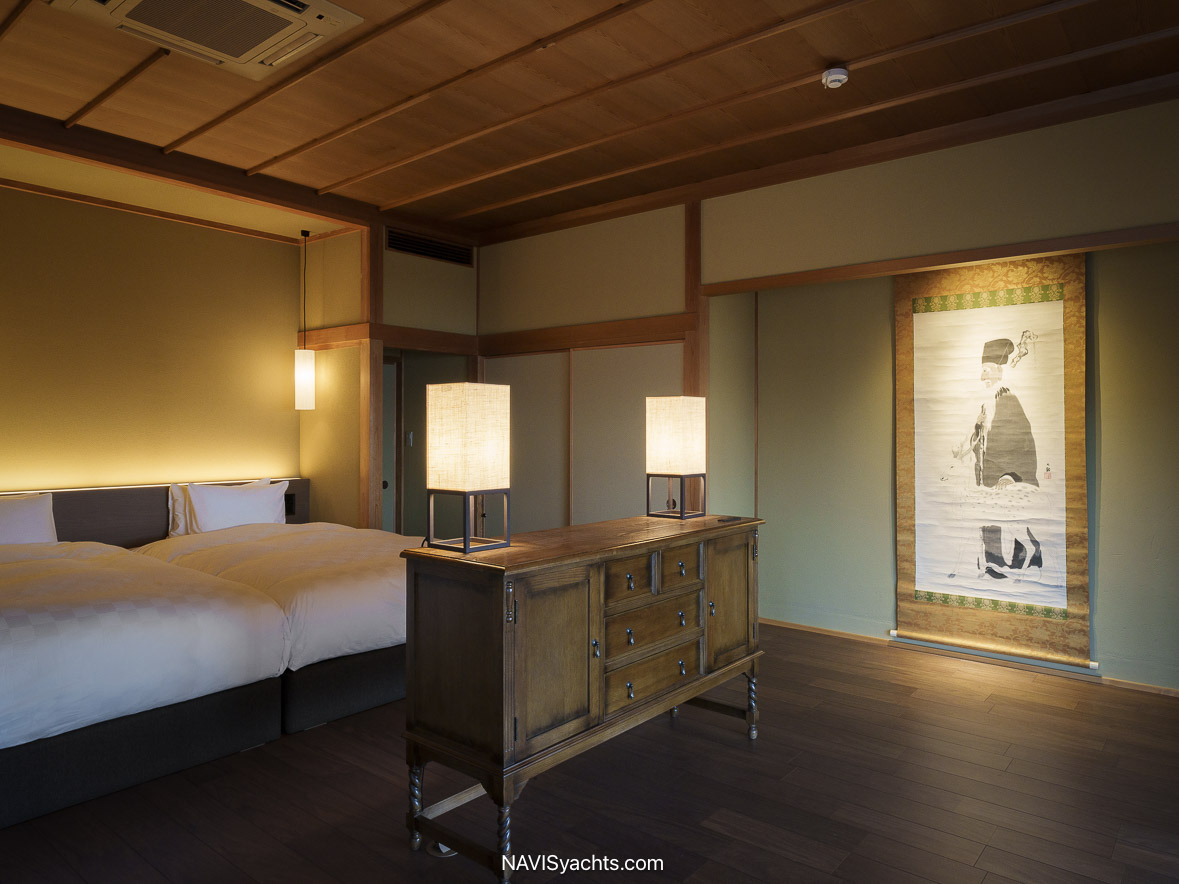
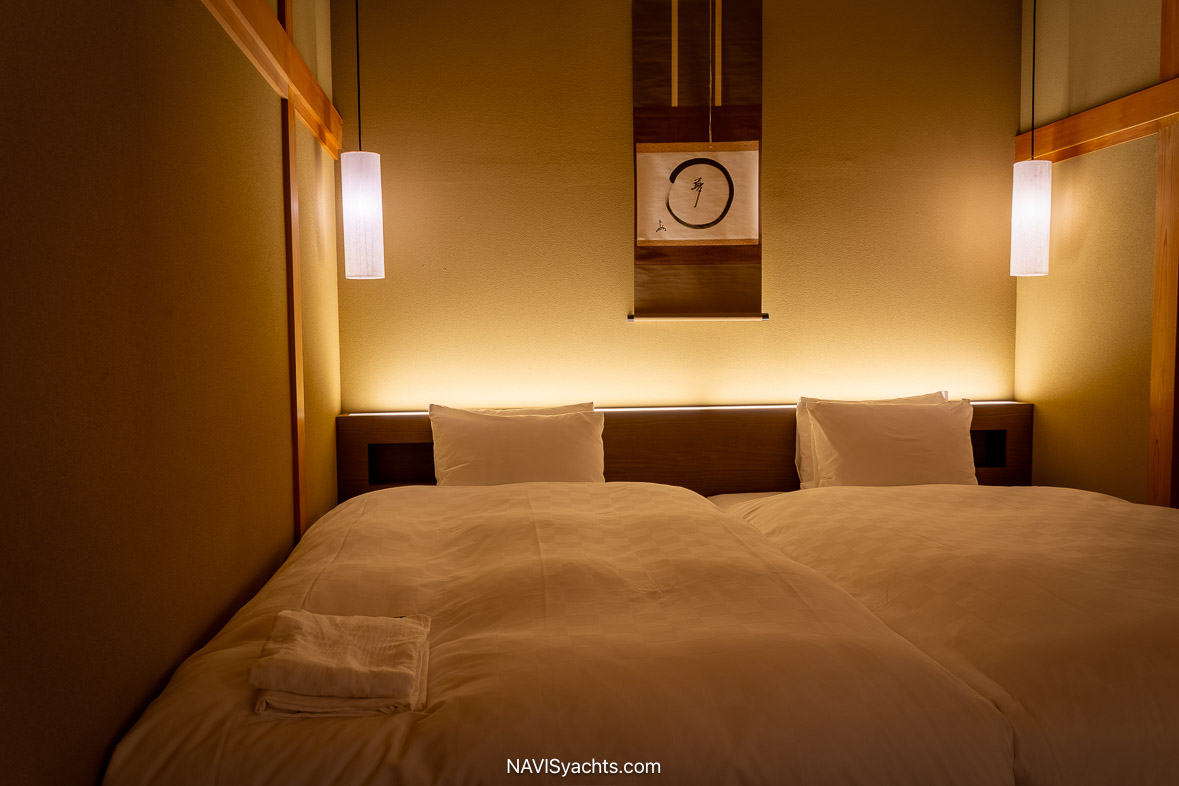
The property’s eleven accommodations, most housed in freestanding buildings, mix classic Japanese tradition with varying amounts of contemporary Western furniture and design. They rest within tranquil gardens that breathe with the rhythm of the seasons. Each suite carries its own personality while orchestrating the coherence of the whole in a delicate balance that speaks to confident design philosophy. The interiors achieve something remarkable: spaces that feel both ancient and immediate, wrapped in the simplistic quietude that modern life has trained us to forget we crave.
Dining as Regional Dialogue
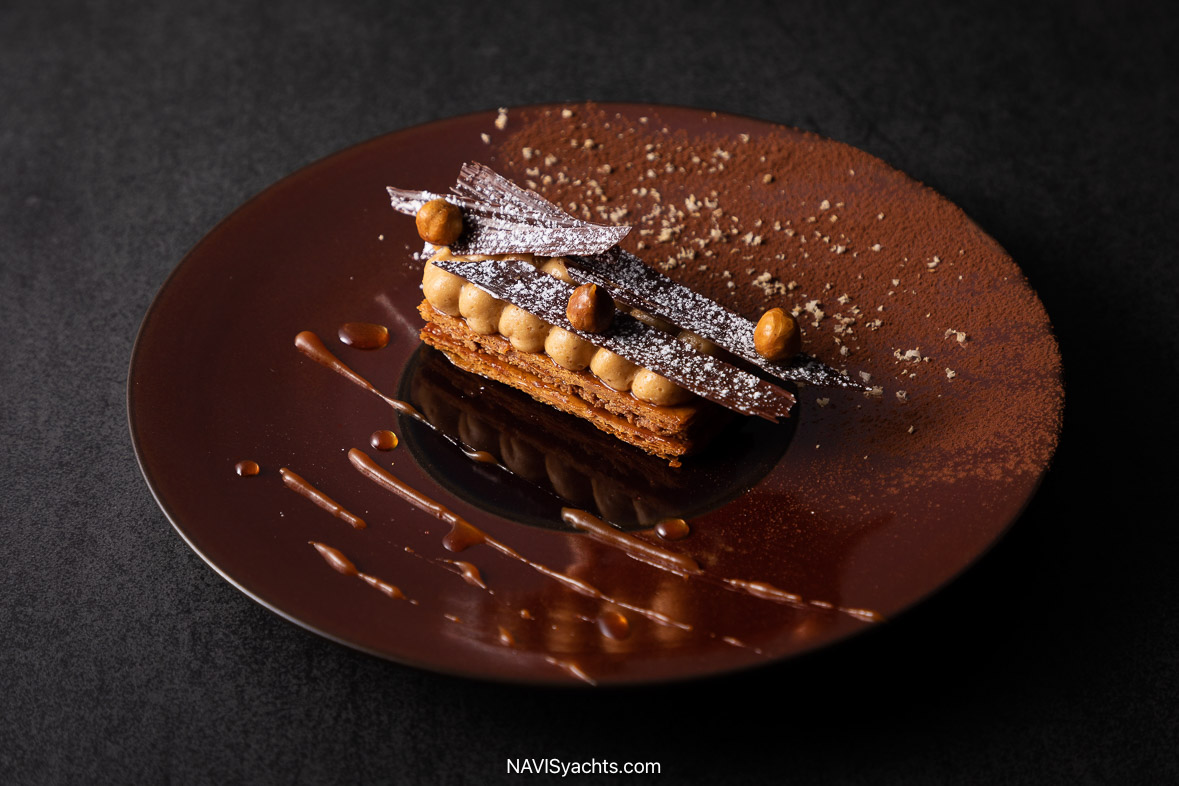
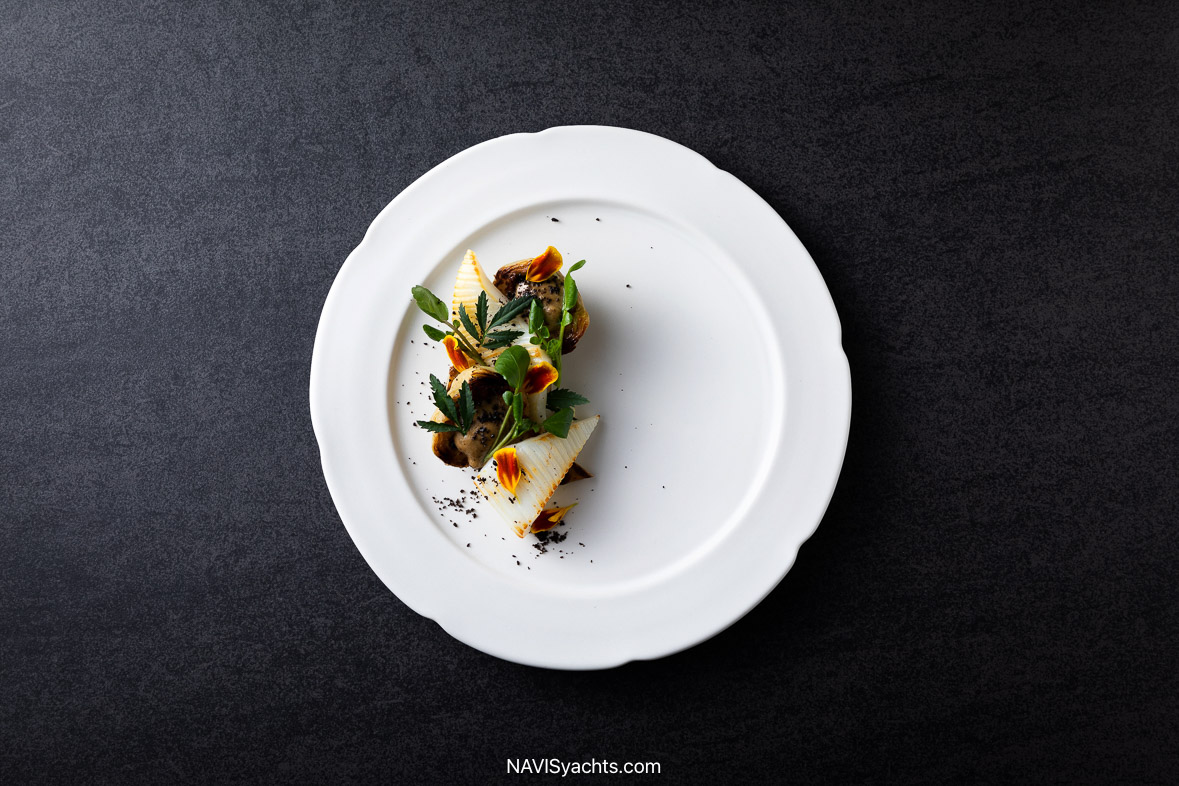
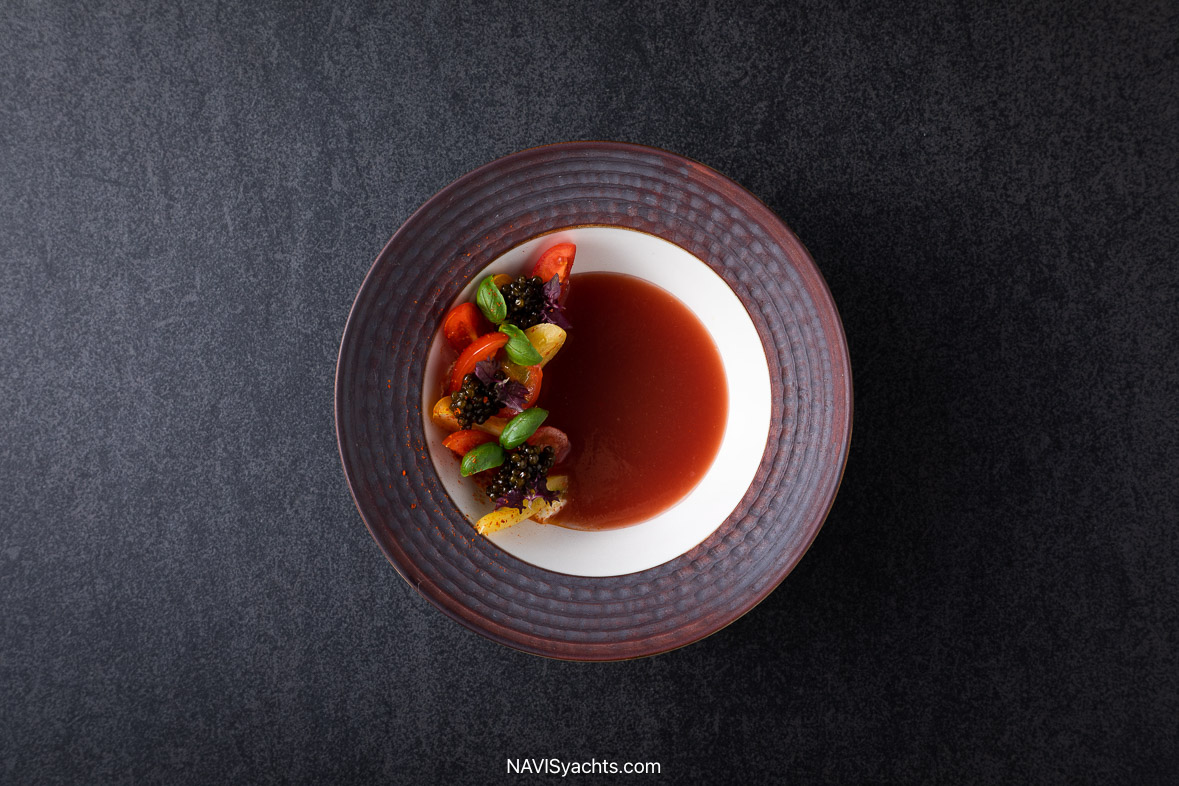
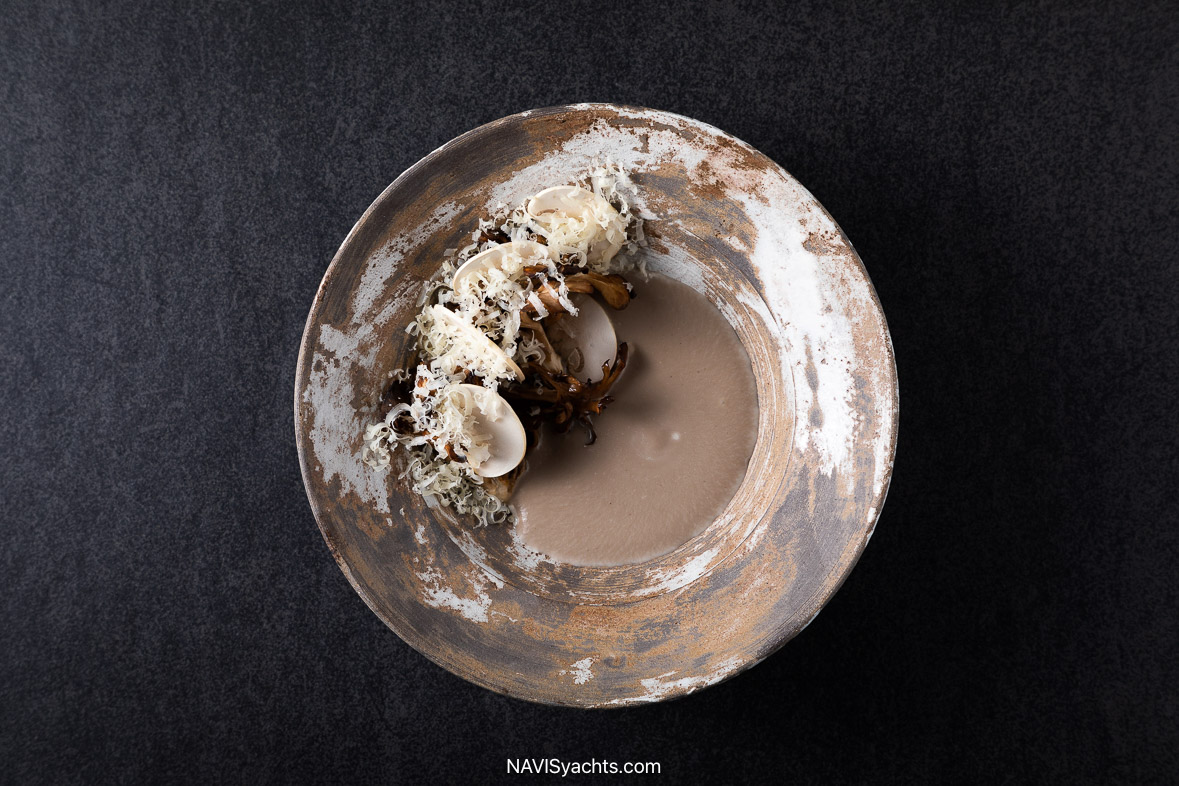
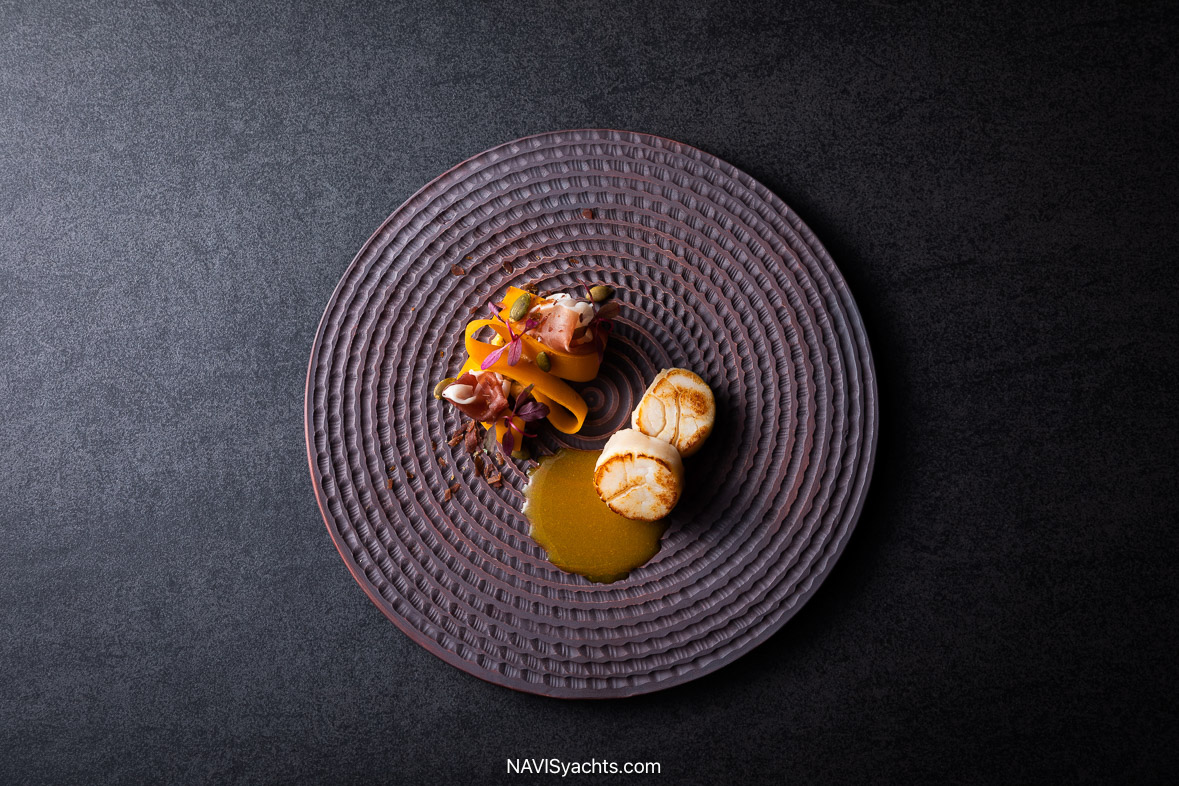
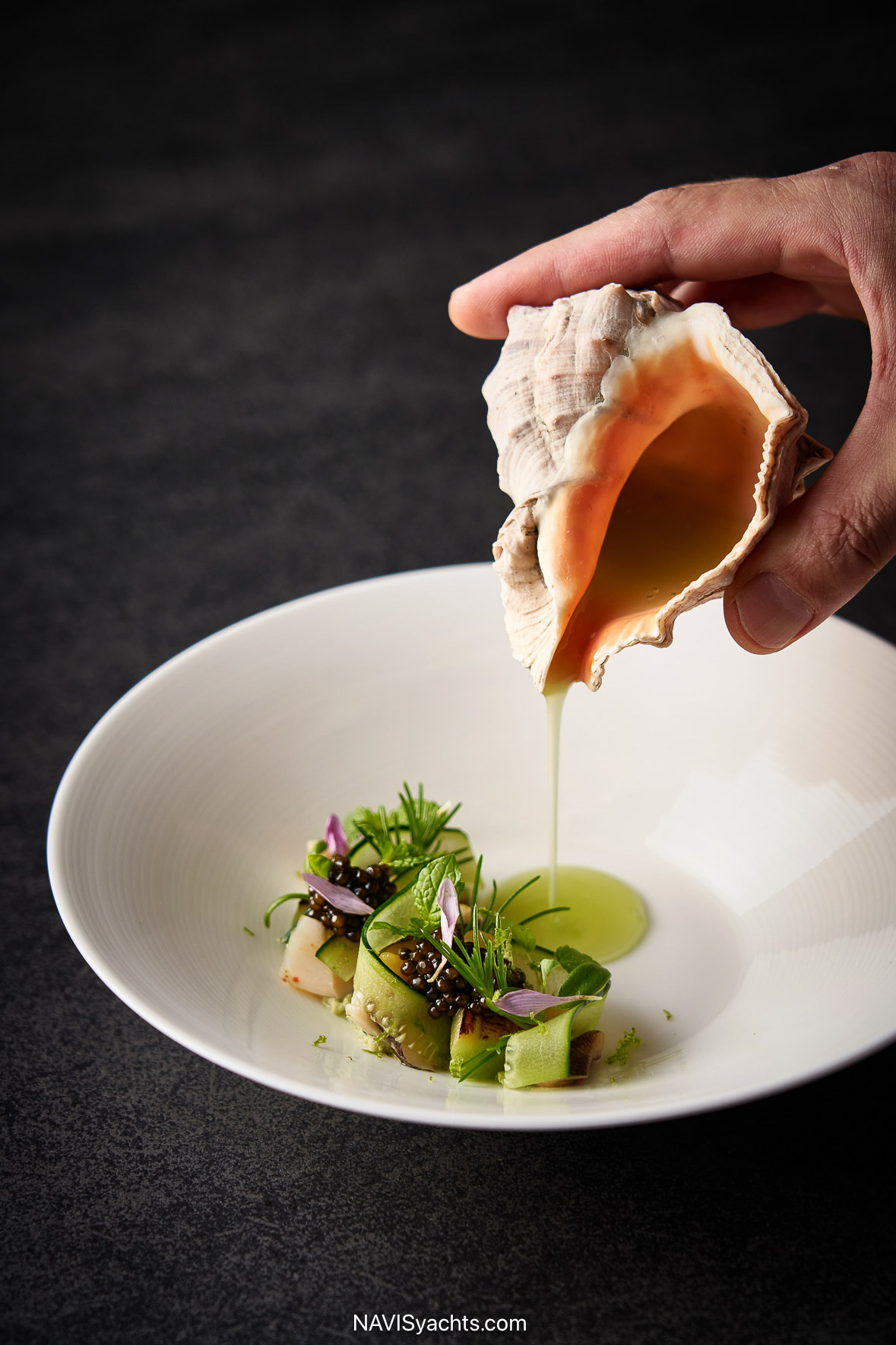
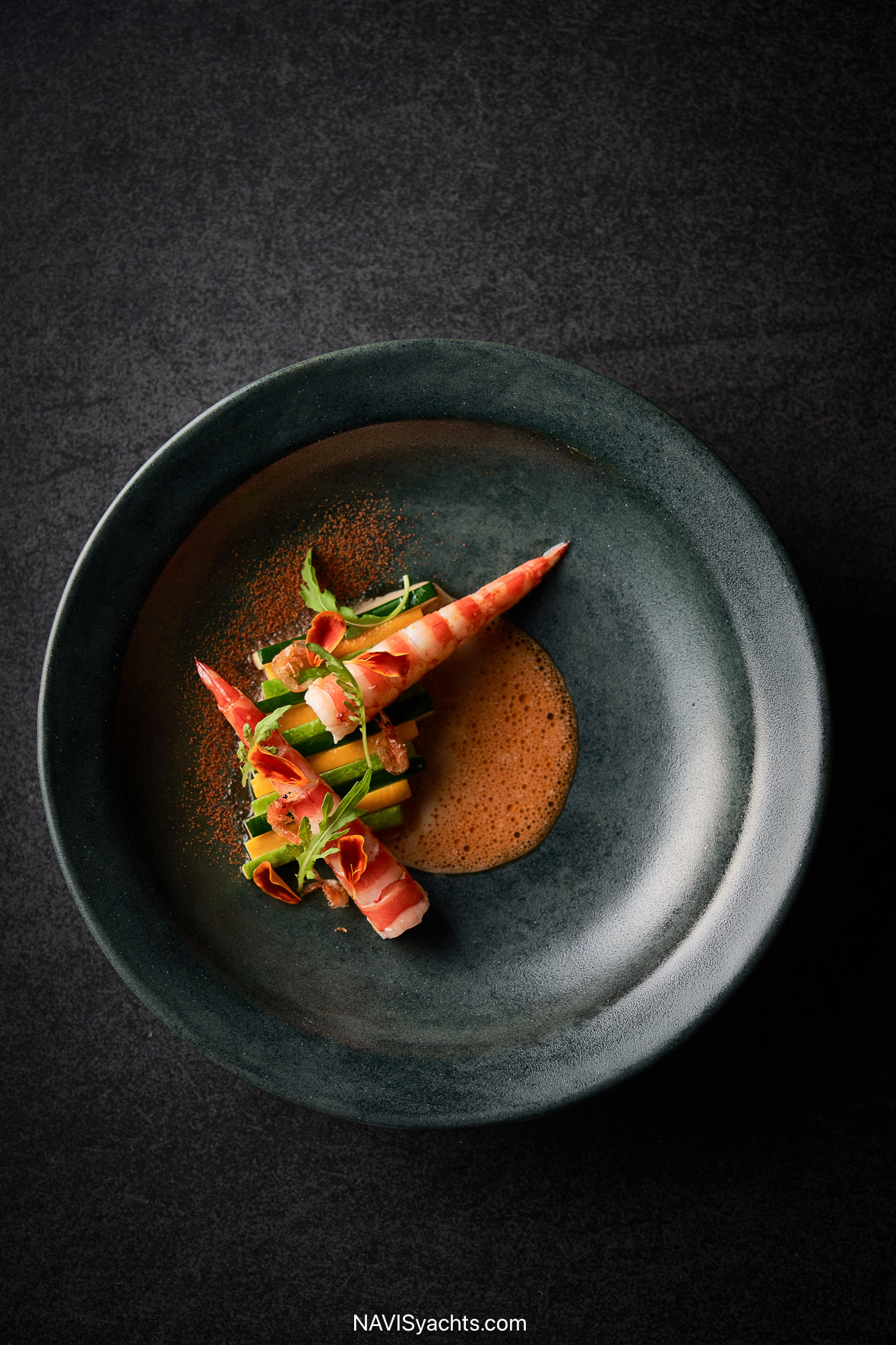
The culinary experience here centers on Yosoro, the glass-walled restaurant whose name draws from nautical tradition to mean both “steady” and “welcome.” Headed by MICHELIN-starred chef, Kota Tanaka, Yosoro’s French-infused cuisine embodies a duality that captures the ryokan’s own essence. The views here are accented by the ripples of the inland sea, which serves a purpose yet recedes in favor of the real drama of culinary preparation. Here, the open kitchen becomes theater without spectacle, where each course emerges as part of ongoing dialogue between chef and guest. The cuisine reads like correspondence from the Setouchi region itself: local scallops paired with canola flower and Mihara blood orange, Ehime abalone, regional flounder, and Onomichi wagyu prepared with poetic precision and carefully paired with the finest vintages. This is not fusion for its own sake, but rather a confident interpretation of place through the dual lens of seasonal availability and ancestral technique.
Recognition and Philosophy
The property’s recognition in 2024 as a One MICHELIN Key hotel secures it within Japan’s most distinguished hospitality tier. Similar to MICHELIN’s coveted culinary Stars, its Key designation evaluates properties across five criteria: architecture and interior design, service quality and consistency, overall personality and character, value for price, and contribution to guest experience within its setting. Ryokan Onomichi Nishiyama excels precisely because it understands and actively imbues these elements as interconnected rather than discrete achievements, embodying what the Japanese call omotenashi, a hospitality that anticipates need before it’s expressed. This isn’t the performative attentiveness found in luxury chains, but rather the intuitive care that emerges when staff understand their role as custodians of authentic experience rather than simply providers of service. As a guest one consistently notes the exceptional warmth and professionalism of the team, with descriptors like “transformative,” suggesting something much deeper than satisfaction.

Photos: Ryokan Onomichi Nishiyama Media | Words: Janine Devine