
CMH Heli-Skiing & Summer Adventures
In April 1965, placing a group of skiers at the top of a run in British Columbia’s Bugaboos could take almost an hour. The Bell helicopter had only two passenger seats, so pilot Jim Davies carried the guests upward in stages while mountain guide Hans Gmoser organized them on the snow. On the first ski day, a rack attached to the helicopter’s landing gear came loose and had to be recovered and repaired. Then they continued.
Six guests had arrived for that first week of paid, guided helicopter skiing, beginning on April 4. Their base was a vacant lumber camp below the Bugaboo Spires, reached by car, truck, and snowmobile over approximately 45 kilometers of logging road. One rain-soaked transfer took nine hours. A guest eventually suggested charging an additional $30 to fly people into camp instead. An inconvenience had revealed the future.
The original advertisement promised seven to twelve helicopter lifts, each opening a descent of three to five miles. The price was $203 per person for a group of fifteen or $266 for a group of ten. The terrain included North Post Spire, Mount Conrad and Pigeon Spire, names that still convey the scale of the landscape Gmoser had chosen.
Those two experimental weeks helped establish modern commercial heli-skiing. More than sixty years later, CMH Heli-Skiing & Summer Adventures operates across over three million acres of British Columbia mountain terrain. Yet the central idea remains close to Gmoser’s original proposition: use an aircraft to reach a place that skiing alone could not easily reach, step out, and allow the mountain to determine what happens next.
A Map Without Pistes
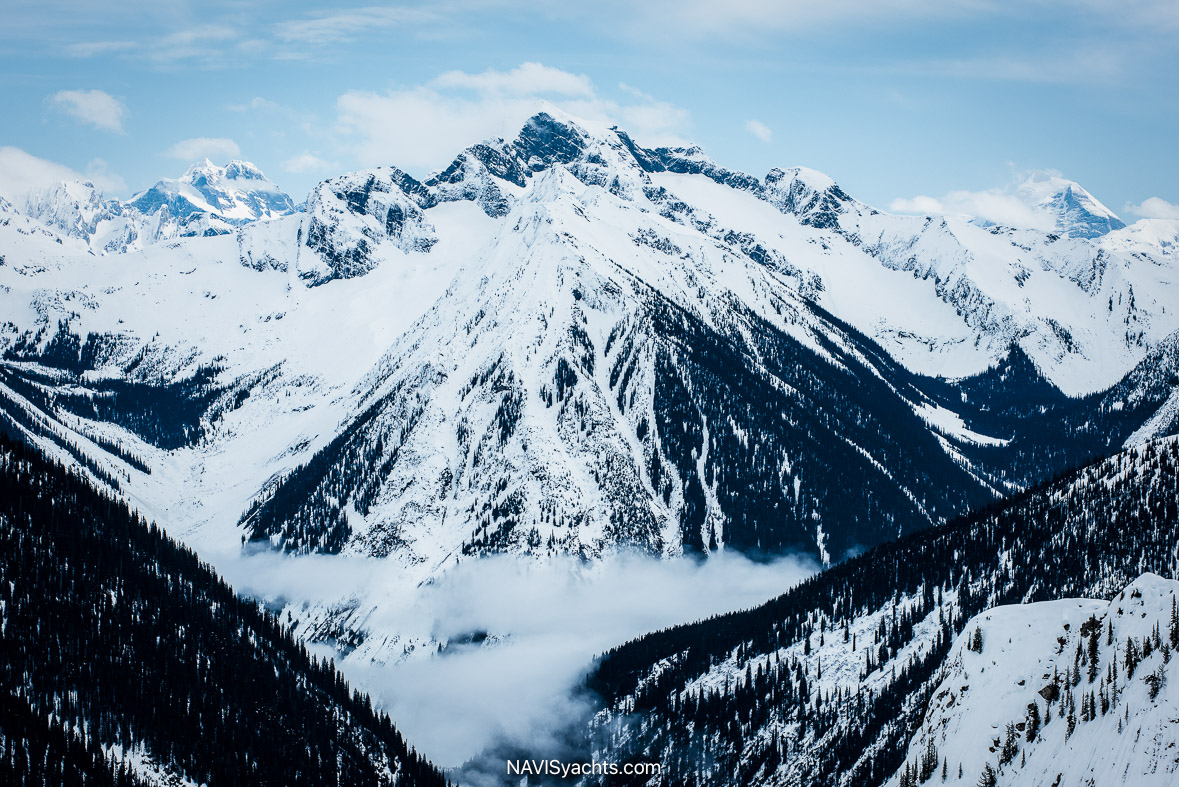
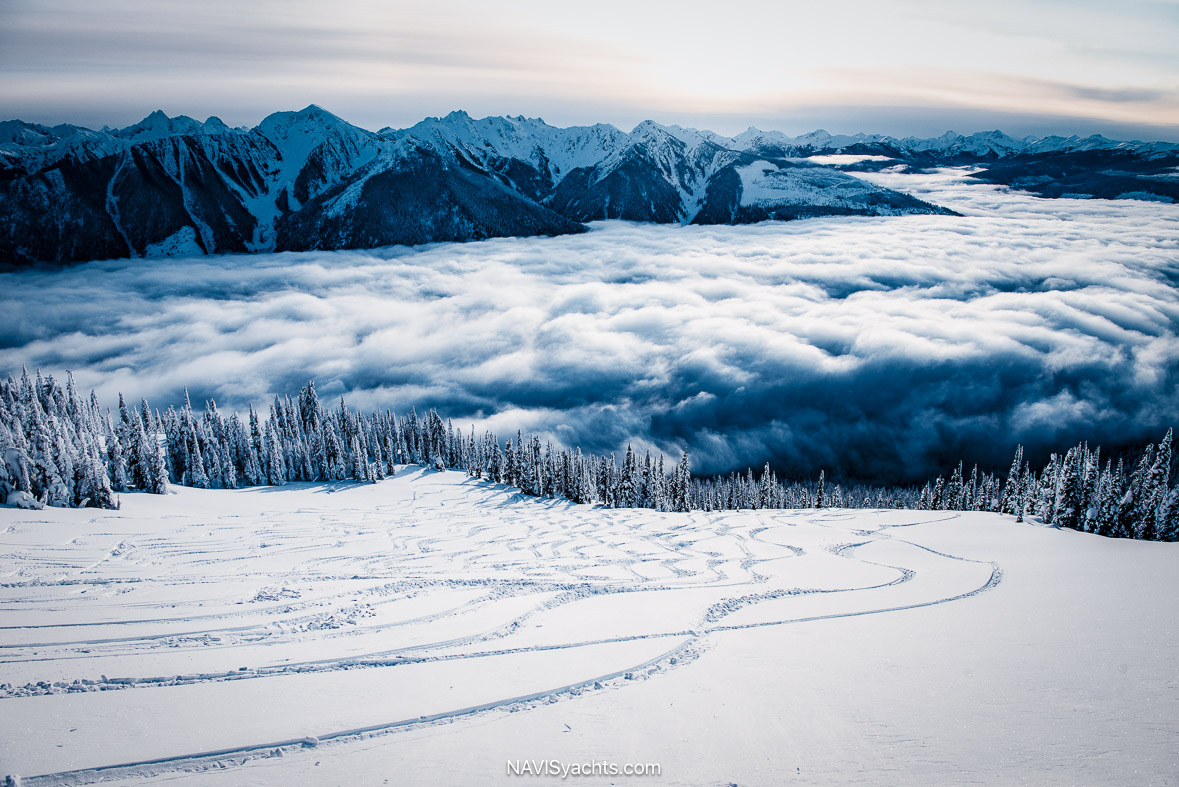
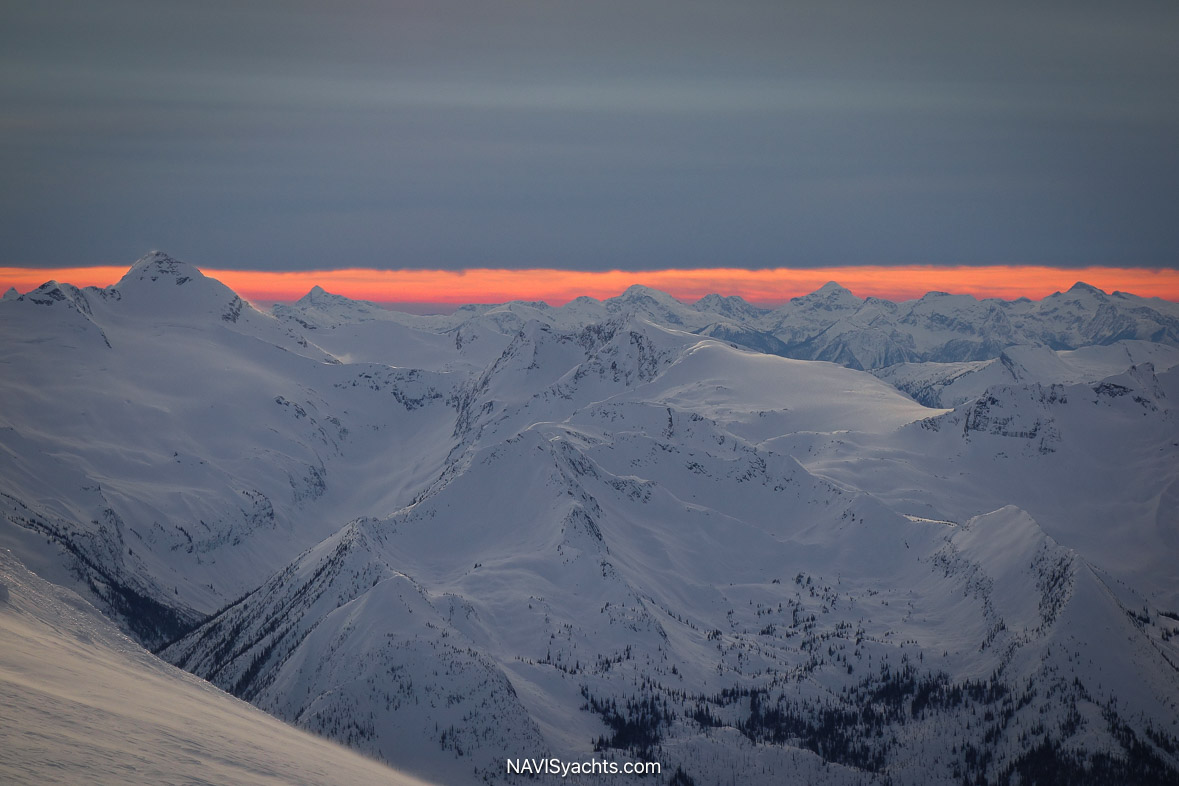
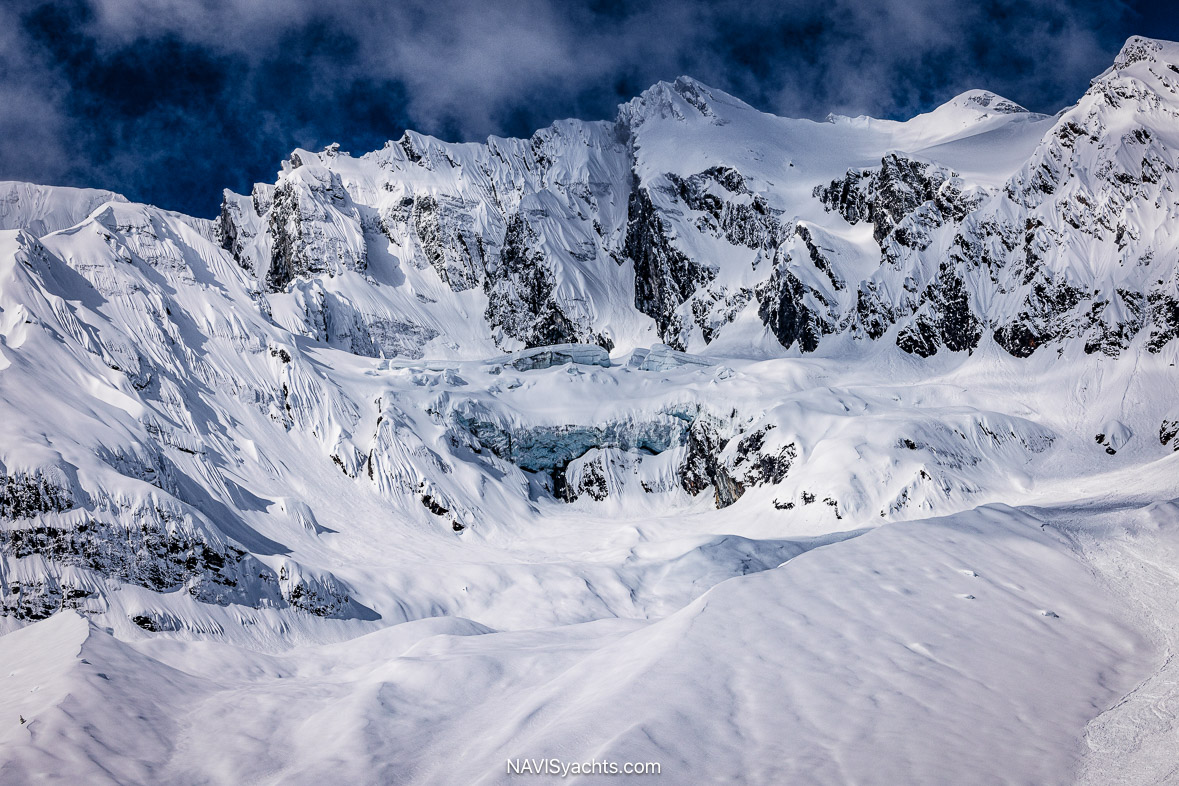
Three million acres is difficult to picture. CMH compares its tenure to approximately one-third of Switzerland and says it is twenty-three times larger than the combined skiable terrain of every resort in North America. At any one time, the operation accommodates no more than 450 guests across that expanse.
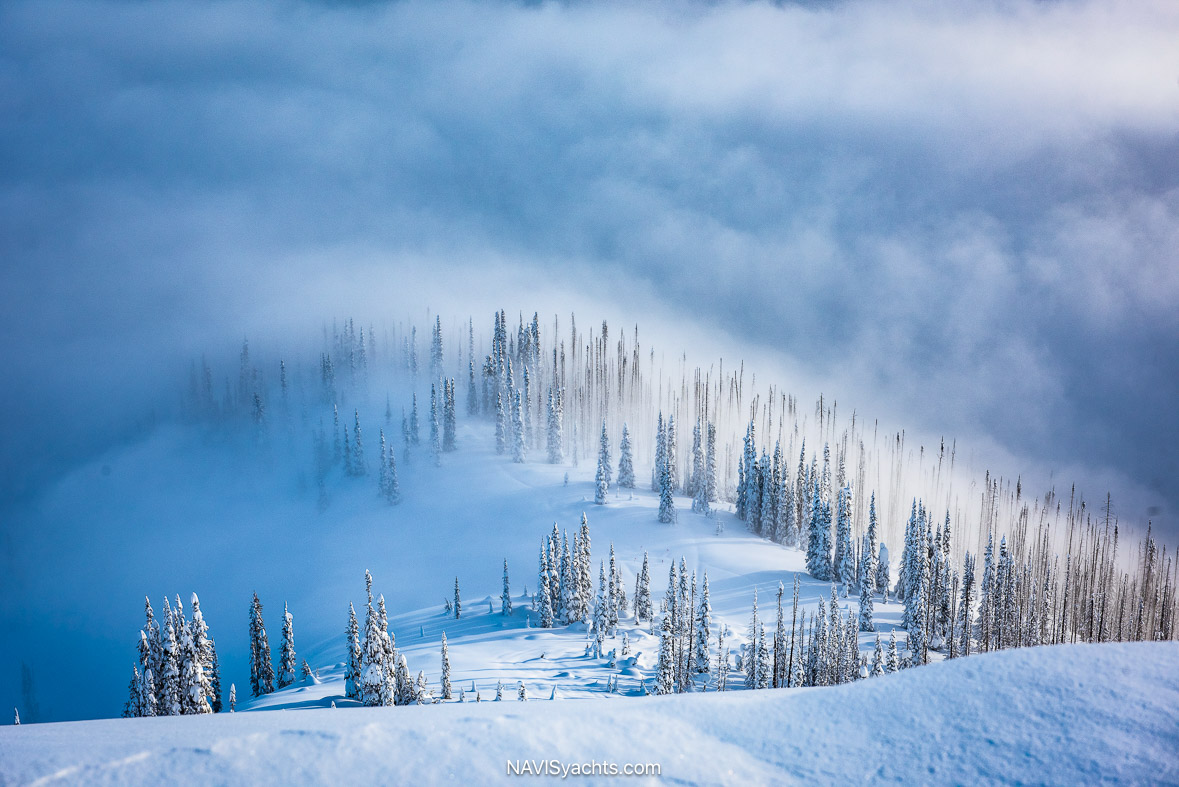
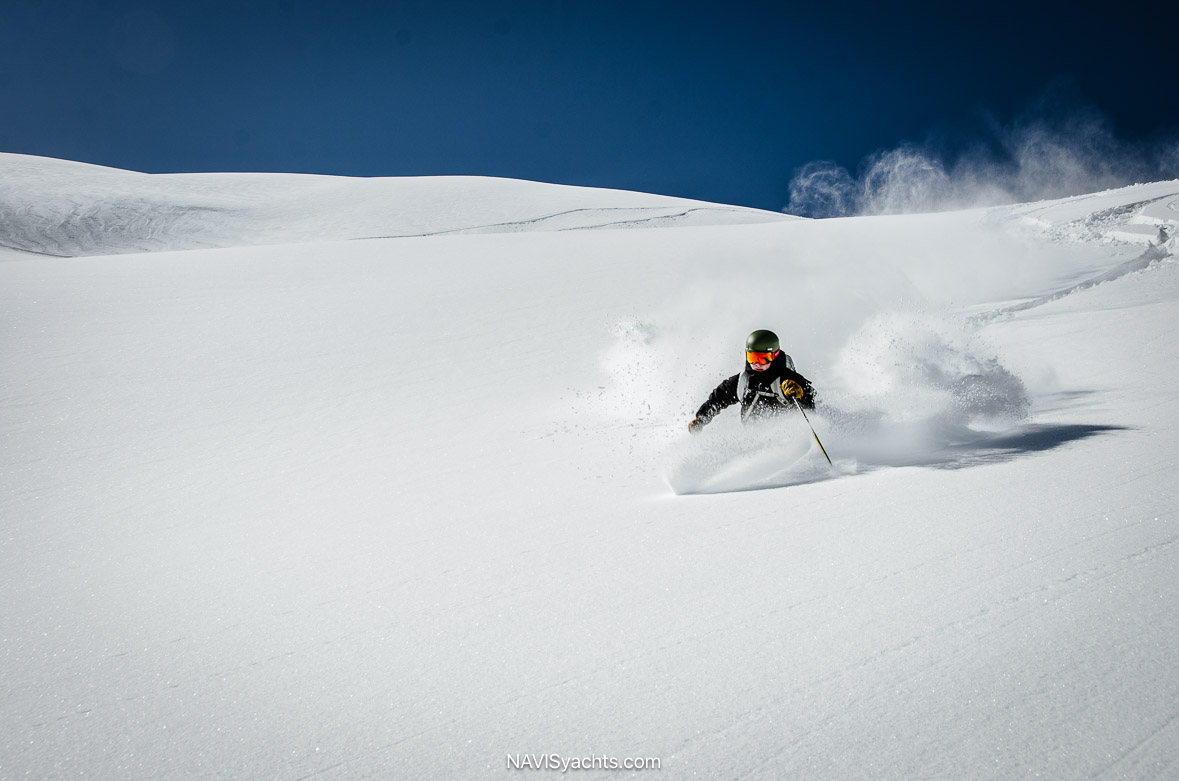
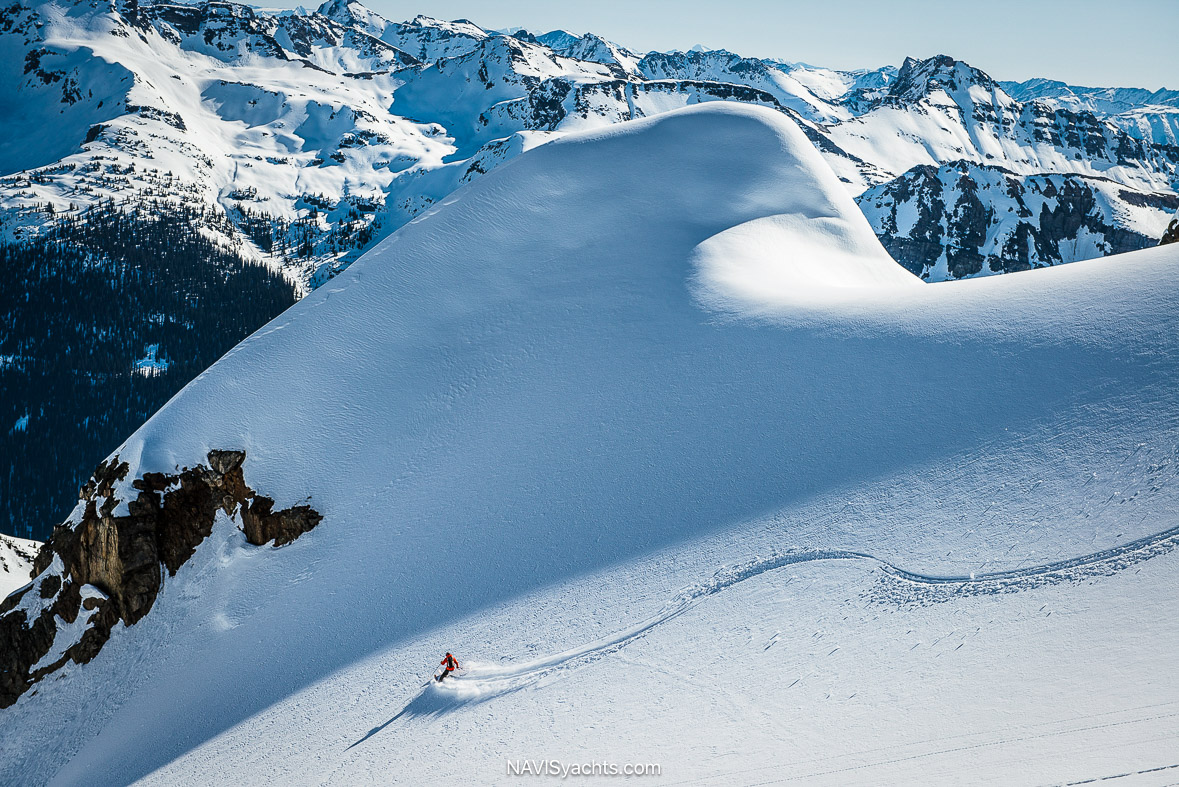
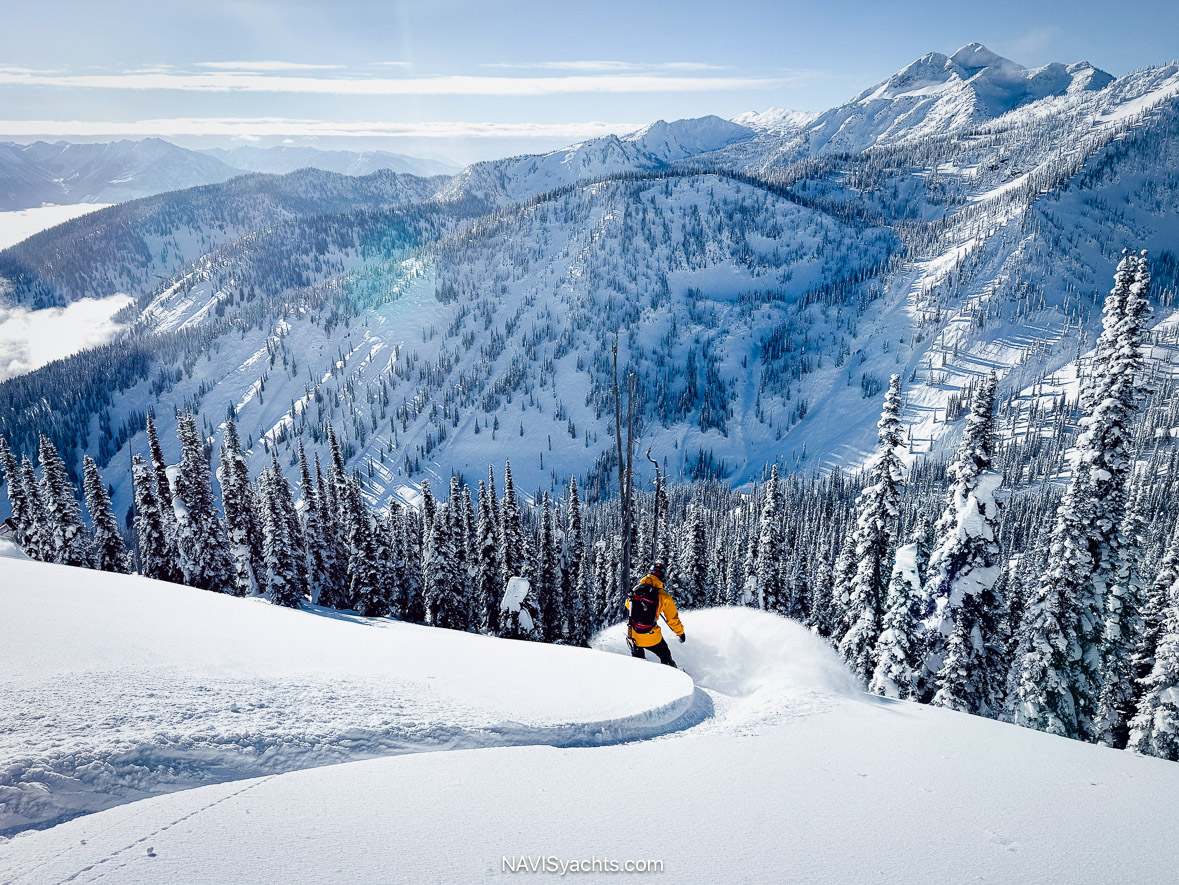
Scale matters here for a reason that has little to do with collecting statistics. At a conventional resort, the mountain is organized for the skier. Trails are cut, named and graded; lifts return repeatedly to predetermined points; boundaries establish where the experience begins and ends. CMH reverses that relationship. The skiing takes place across eleven areas in the Purcell, Selkirk, Monashee and Cariboo ranges, where weather, visibility and snow conditions influence which part of the map becomes skiable on a particular day.
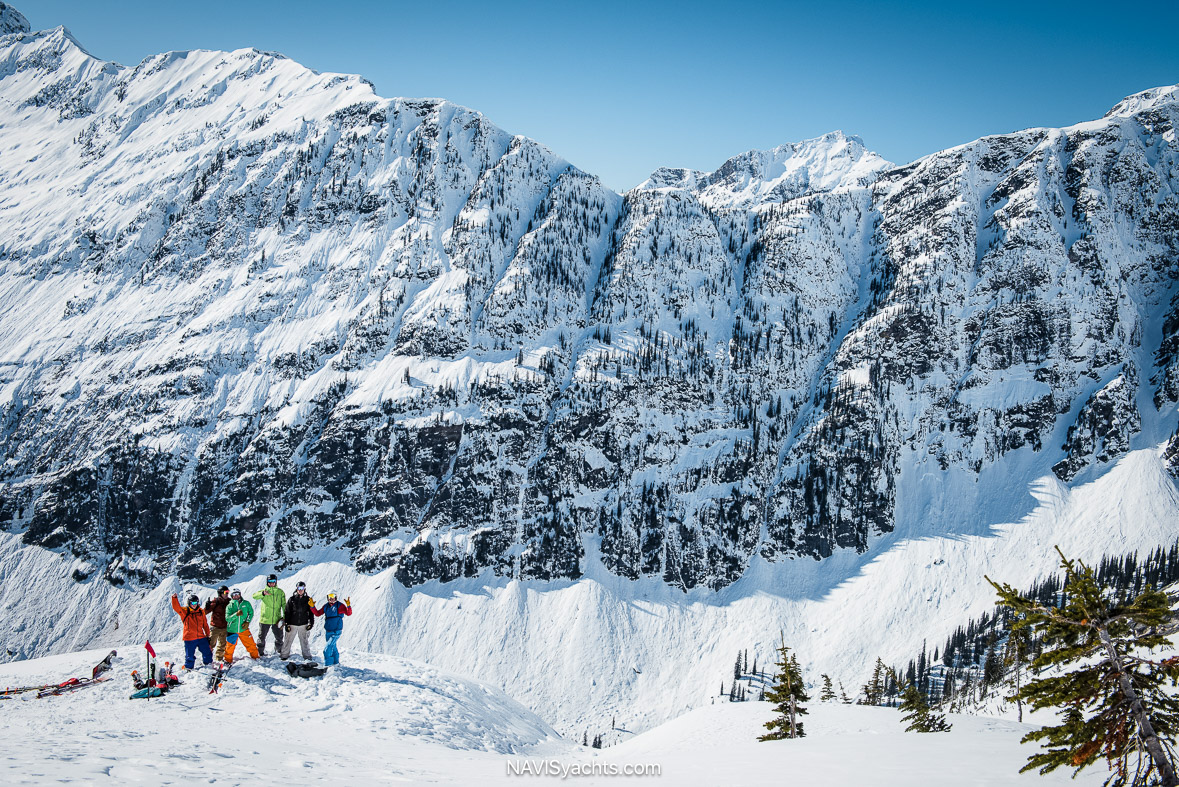
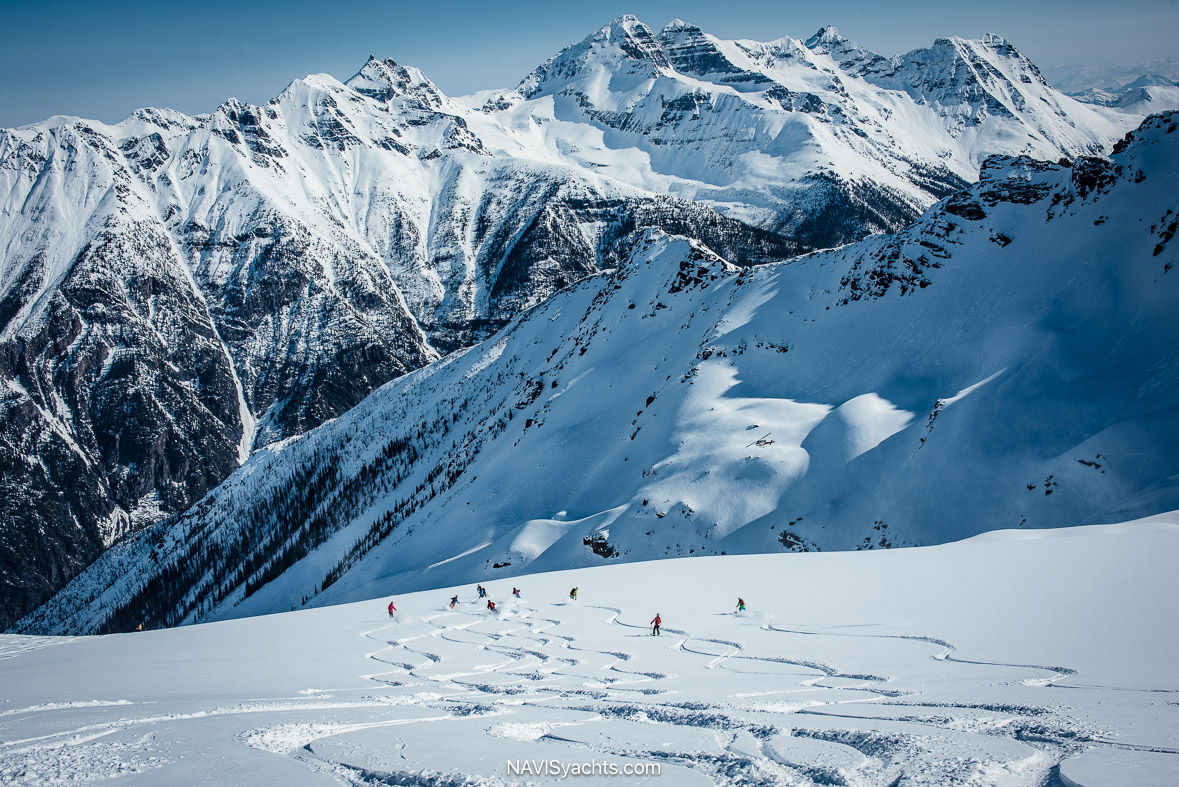
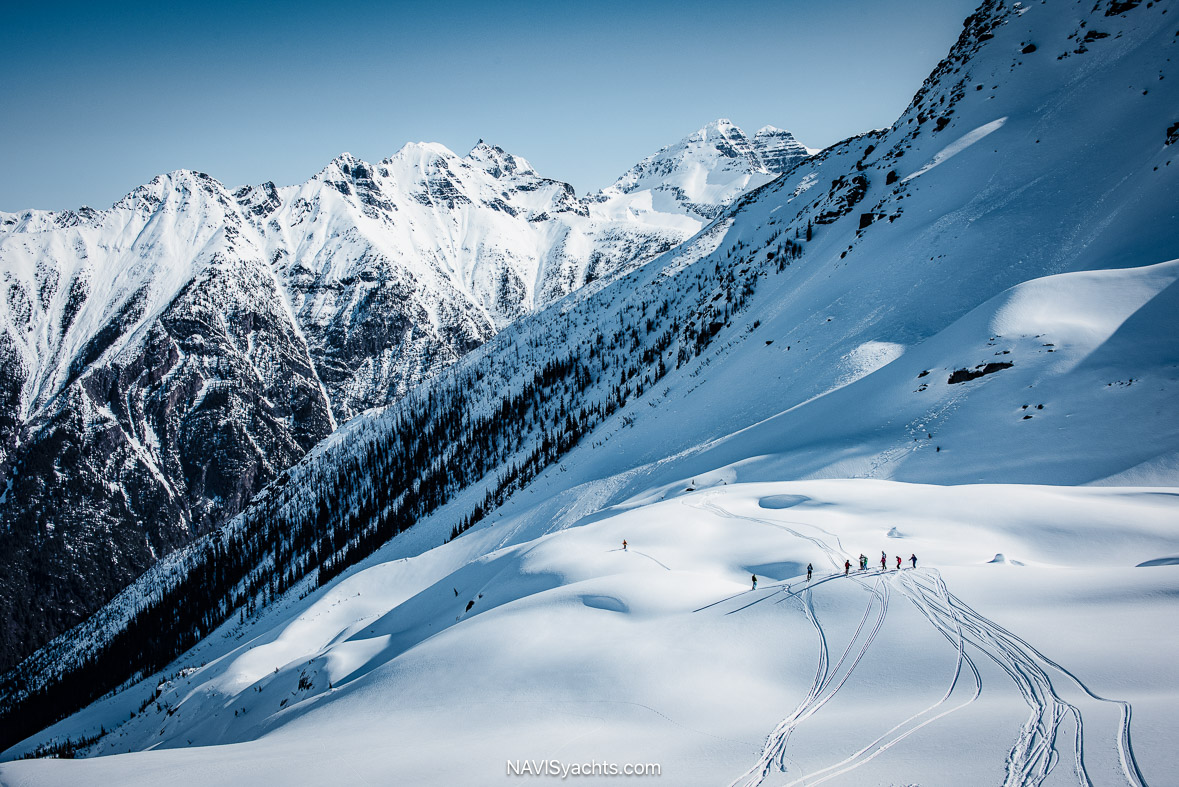
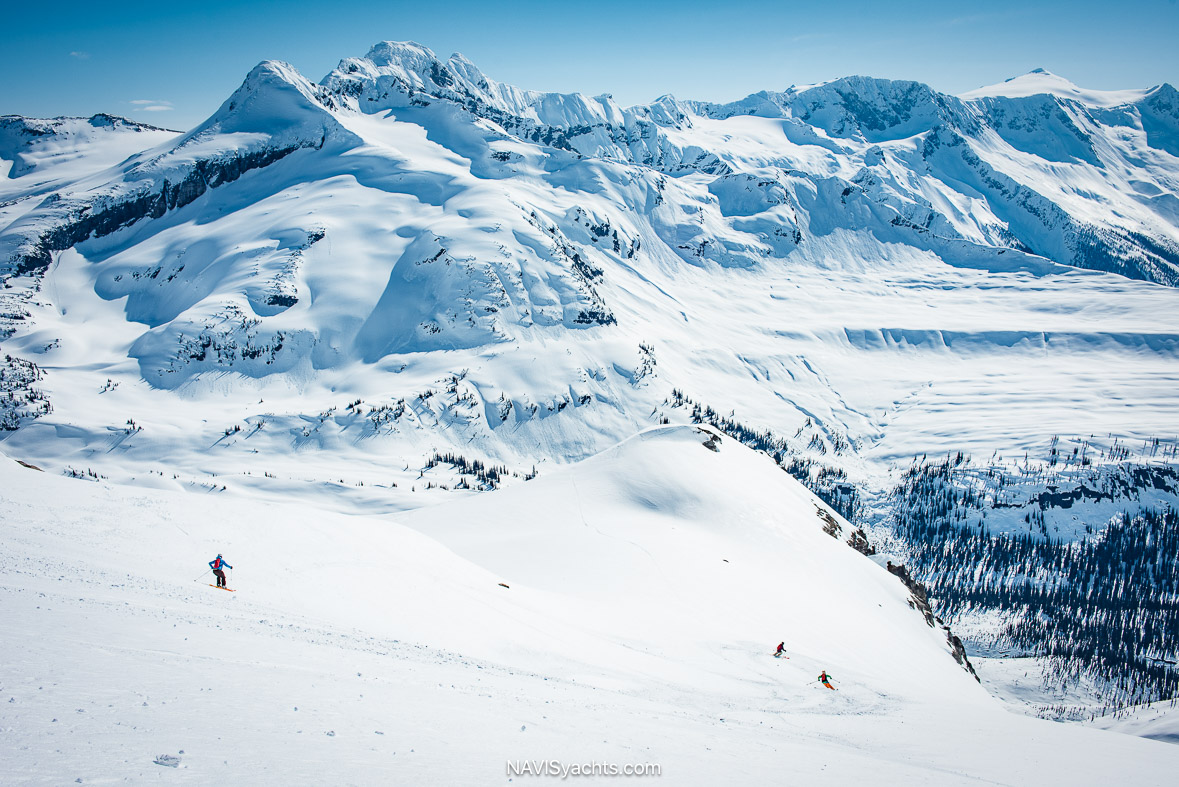
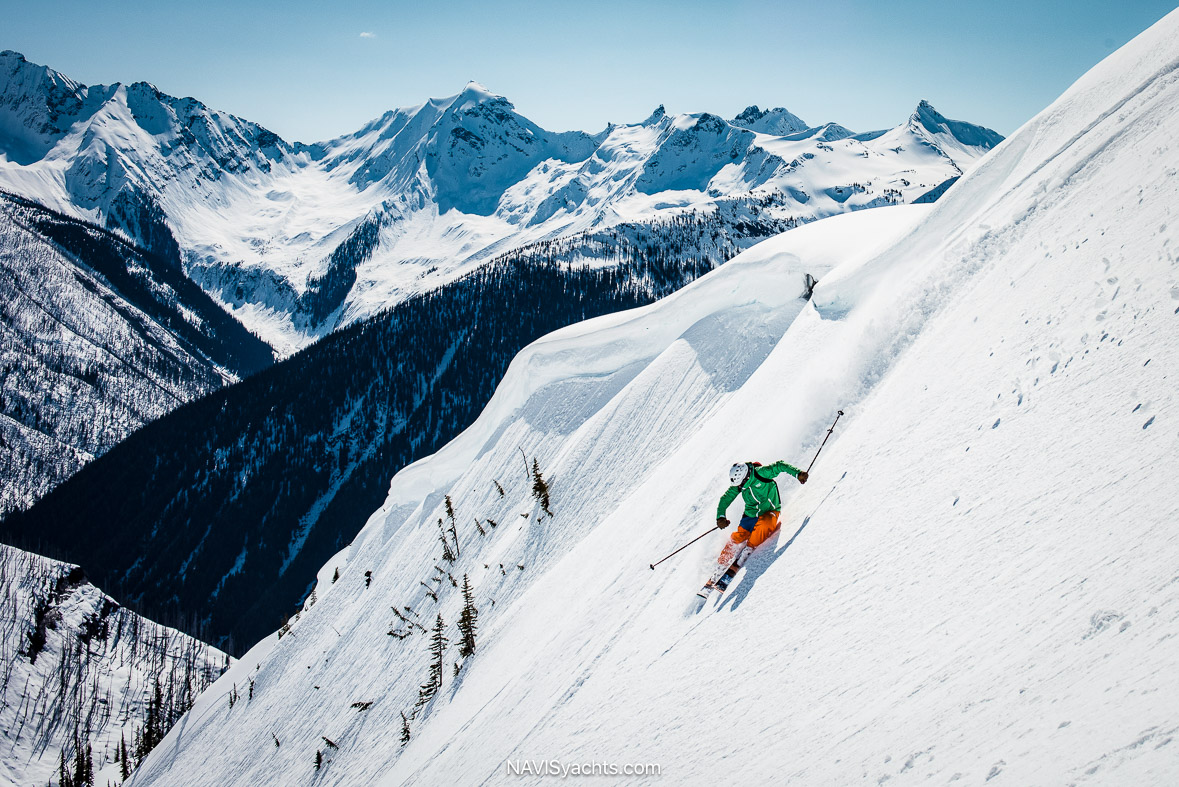
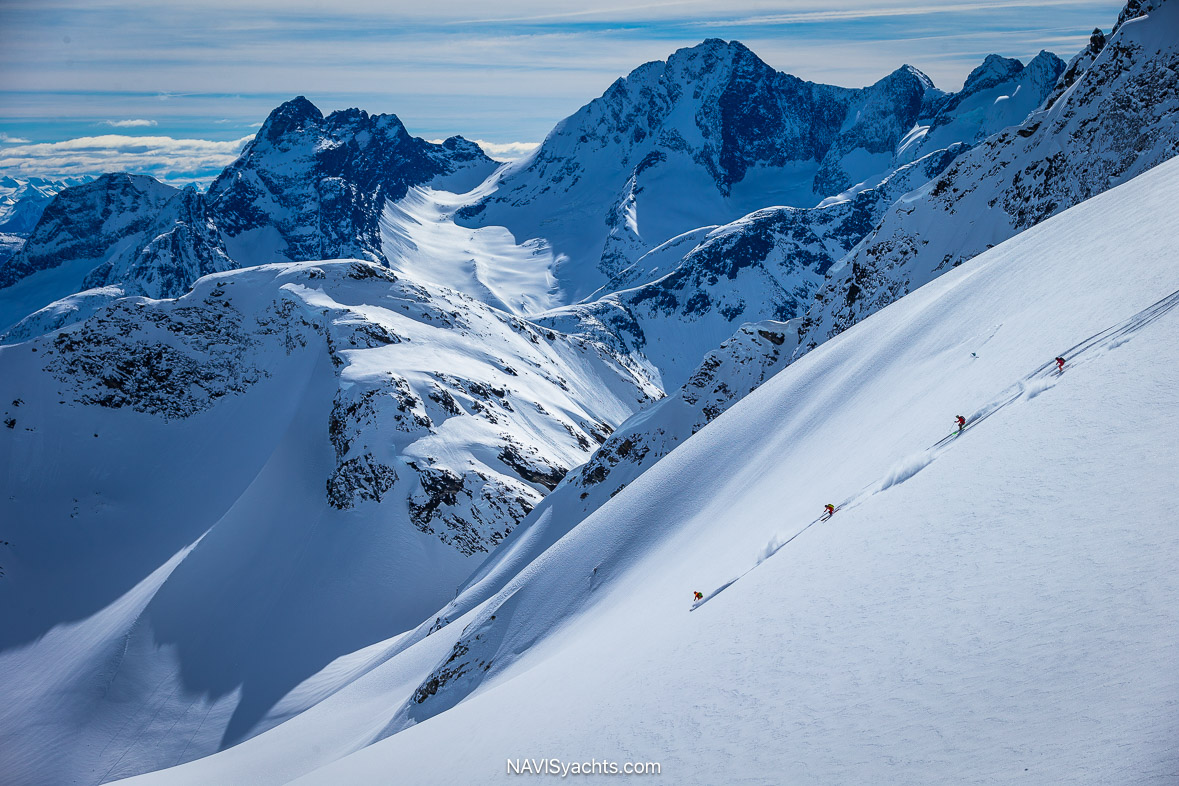
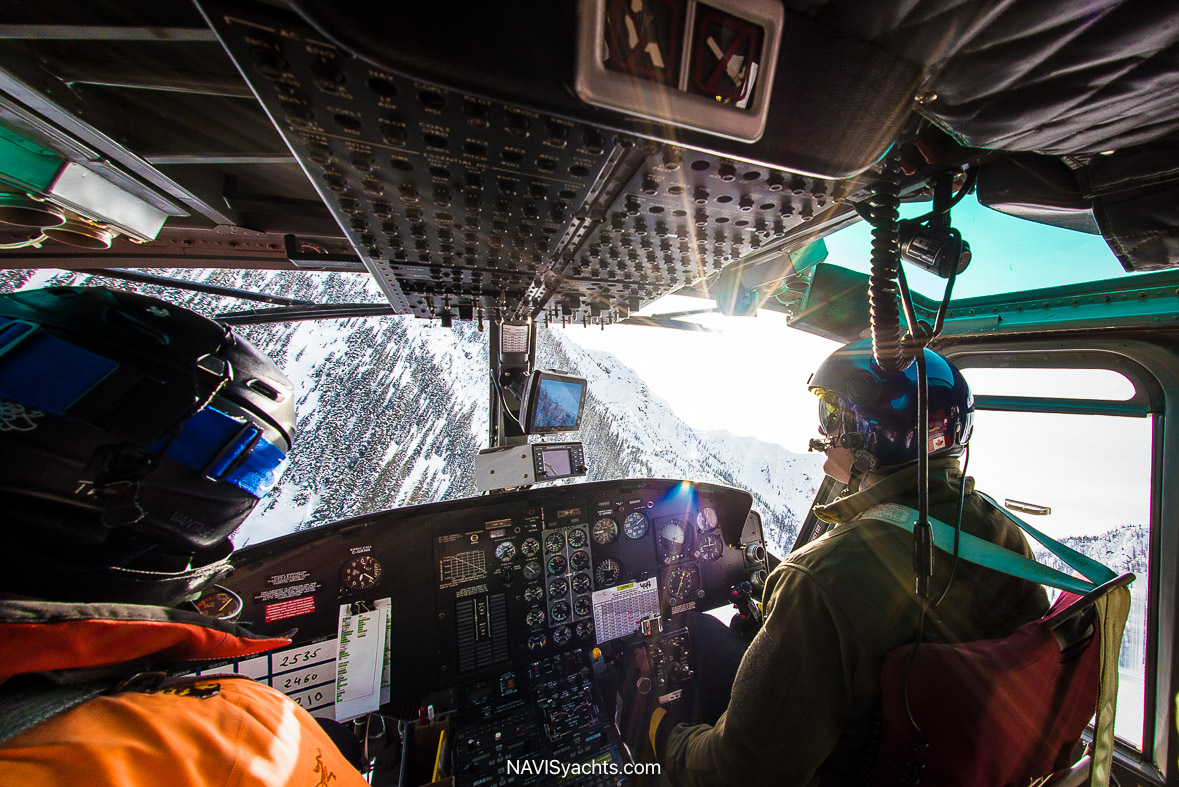
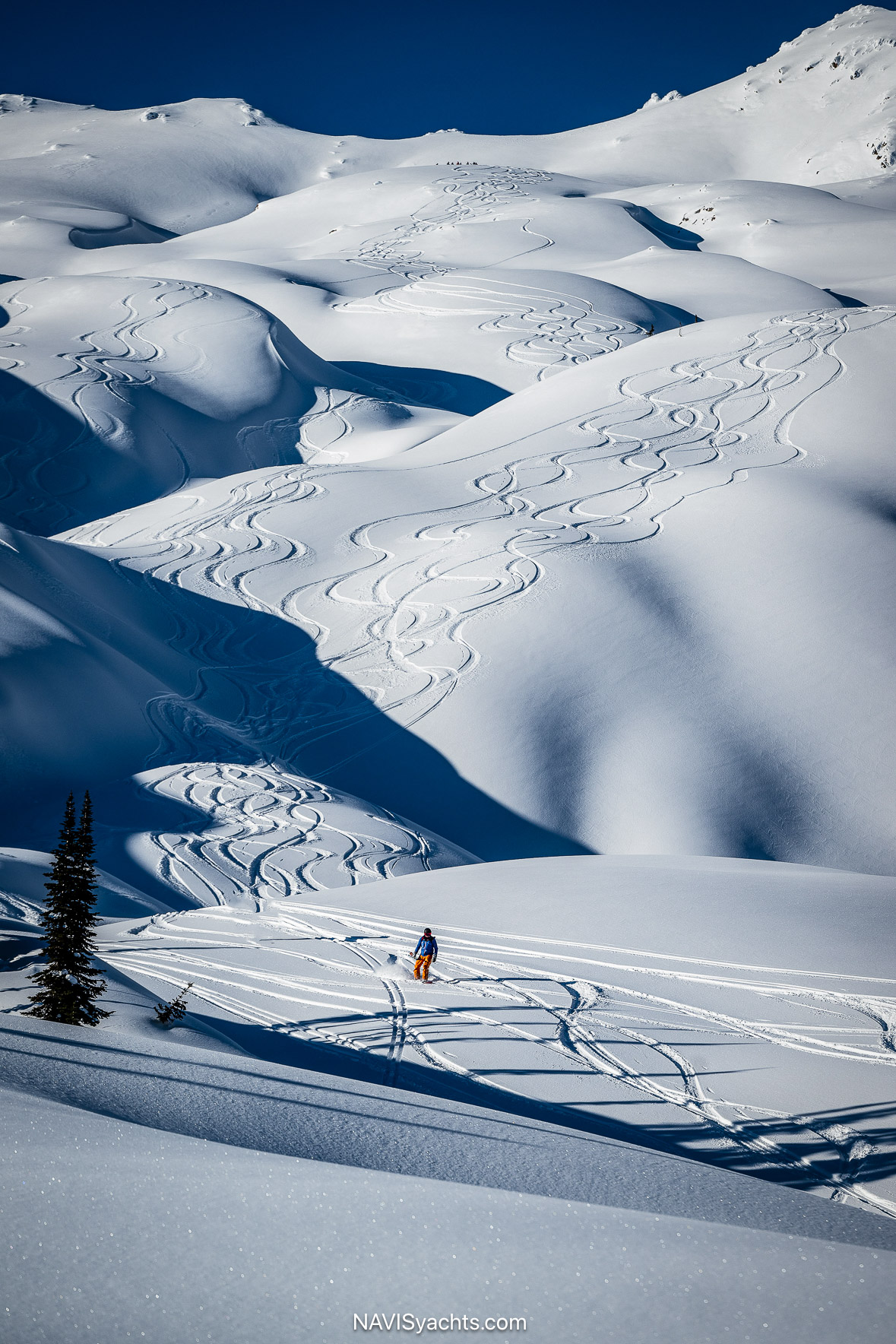
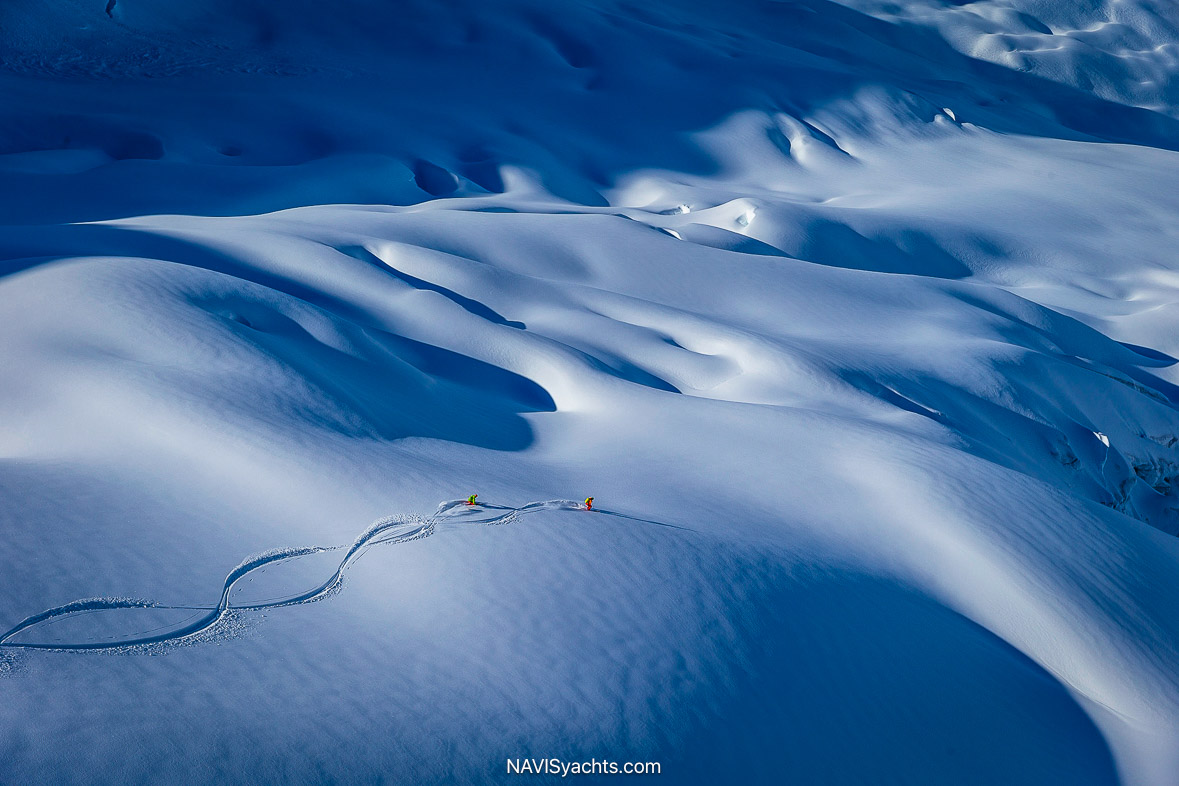
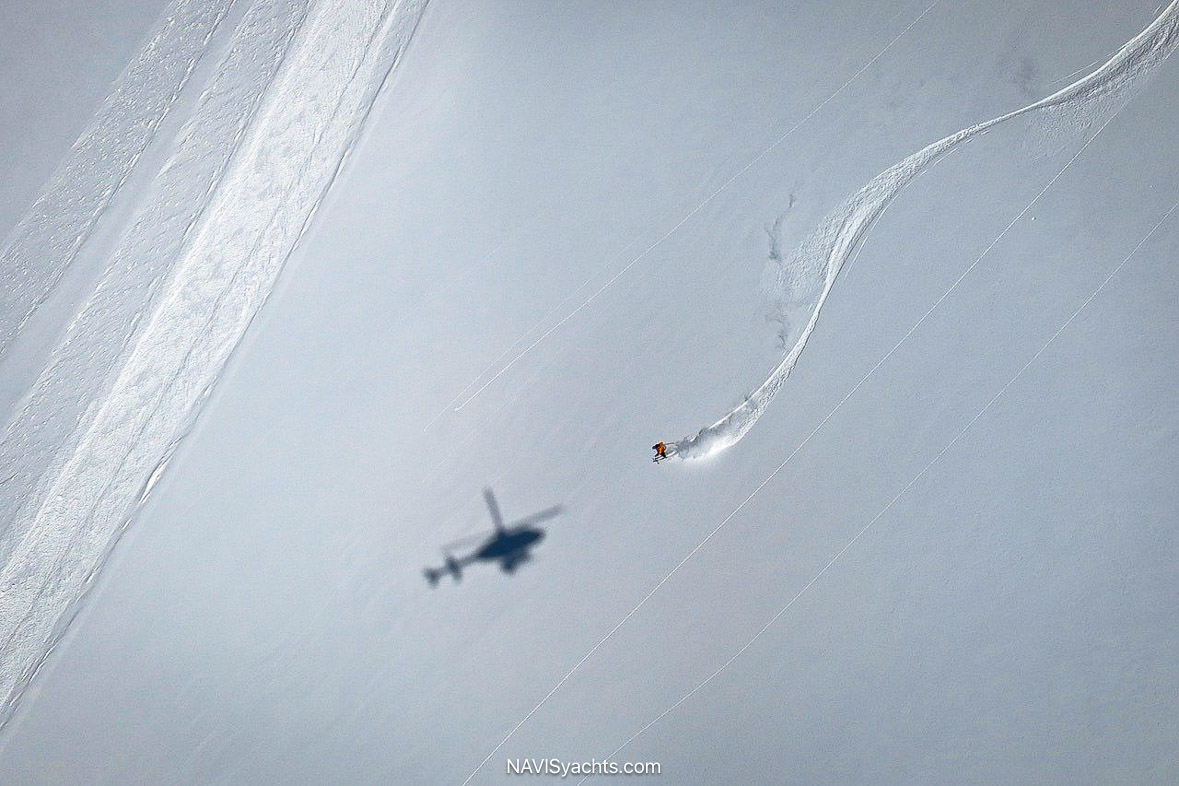
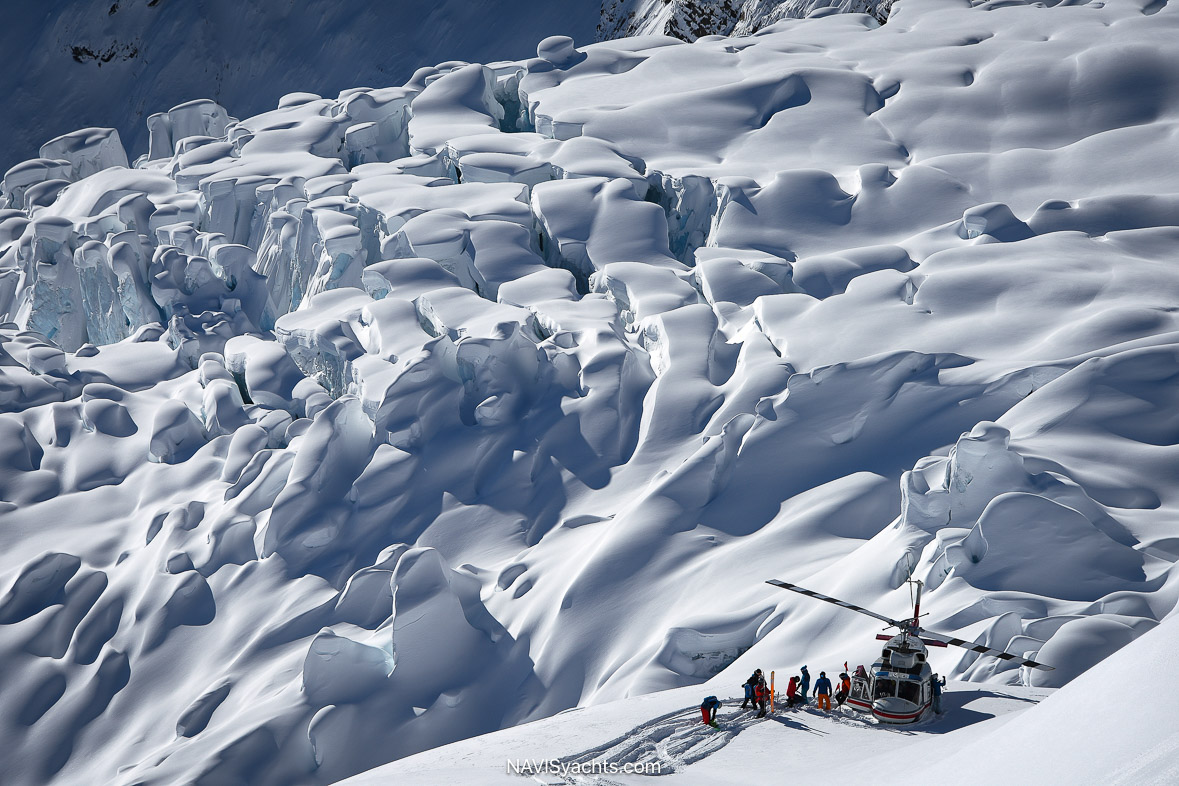
The helicopter changes the geometry of skiing. It can place a group above an alpine bowl, carry it toward a glacier, or move it into forested terrain when conditions make the high alpine less suitable. A descent ends where the aircraft can collect the group and carry it toward the next line.
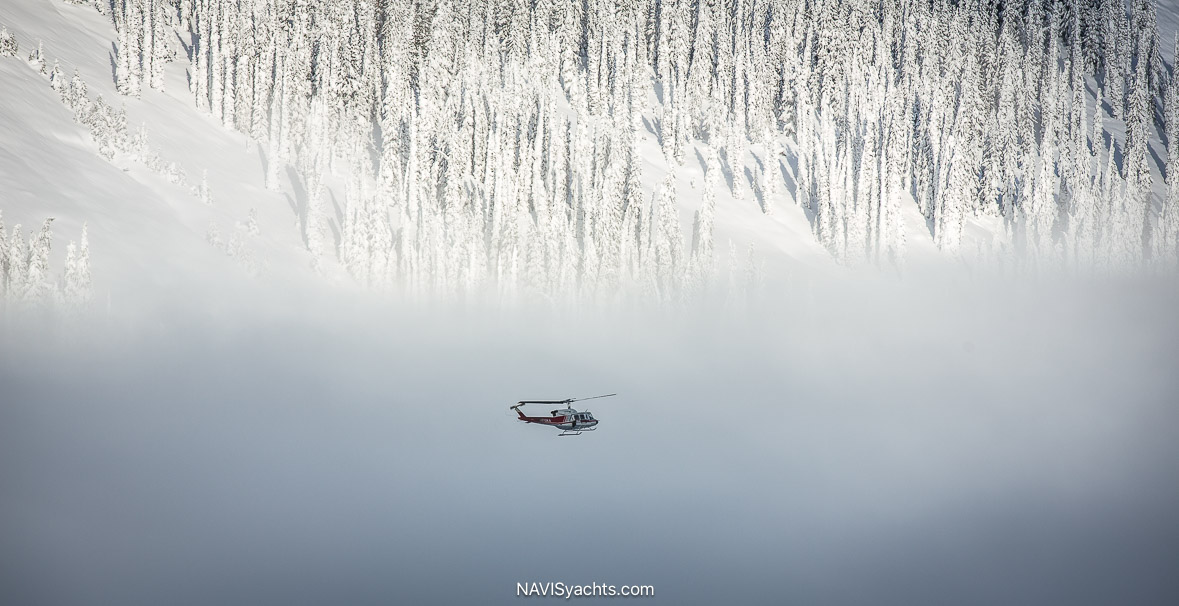
The experience also has an unusual rhythm. The helicopter’s mechanical intensity gives way to stillness as soon as it departs. Rotor noise recedes, the air settles, and the skiers are left with their guide in terrain without visible resort infrastructure. The aircraft provides access, but its absence creates the moment people have traveled to find.
Eleven Expressions of the Same Idea
CMH’s destinations are not interchangeable. Their balance of alpine and forest terrain, lodge access, group structure and required skiing ability produces different versions of the experience.
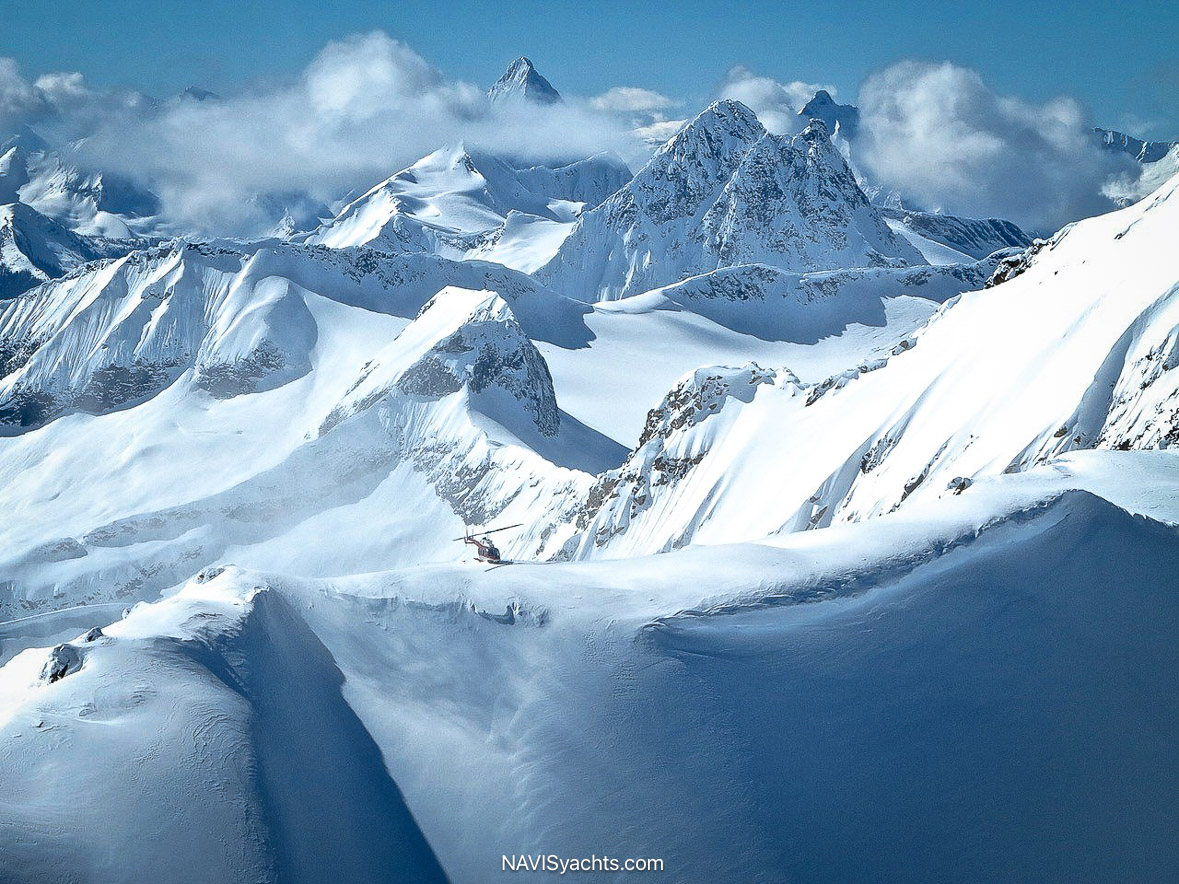
The Bugaboos remain the natural point of origin. Granite spires rise above terrain divided between approximately sixty percent trees and forty percent alpine. CMH presents the area as suitable for a broad range of guests, from relaxed skiers approaching heli-skiing for the first time to experts. History is present without turning the place into a museum: this is still mountain terrain chosen for skiing, not simply the site where an industry began.
The Monashees offer a different proposition. The terrain is predominantly forested, and the experience is geared toward strong skiers seeking steep tree skiing and a deep snowpack. Its road-accessed lodge stands beside a river, but the surrounding mountains preserve the sensation of remoteness. On days when the alpine is obscured, the trees can become the principal event.
Galena pushes the emphasis towards drops, pillows and close forest skiing. Approximately eighty percent of its terrain is among the trees, and CMH positions it for strong and expert guests. Bobbie Burns also favors experienced skiers, combining a remote fly-in lodge with fast, challenging terrain. Adamants uses an A-Star B3 helicopter and smaller groups to reach distant areas, placing greater emphasis on mobility and the number of turns.
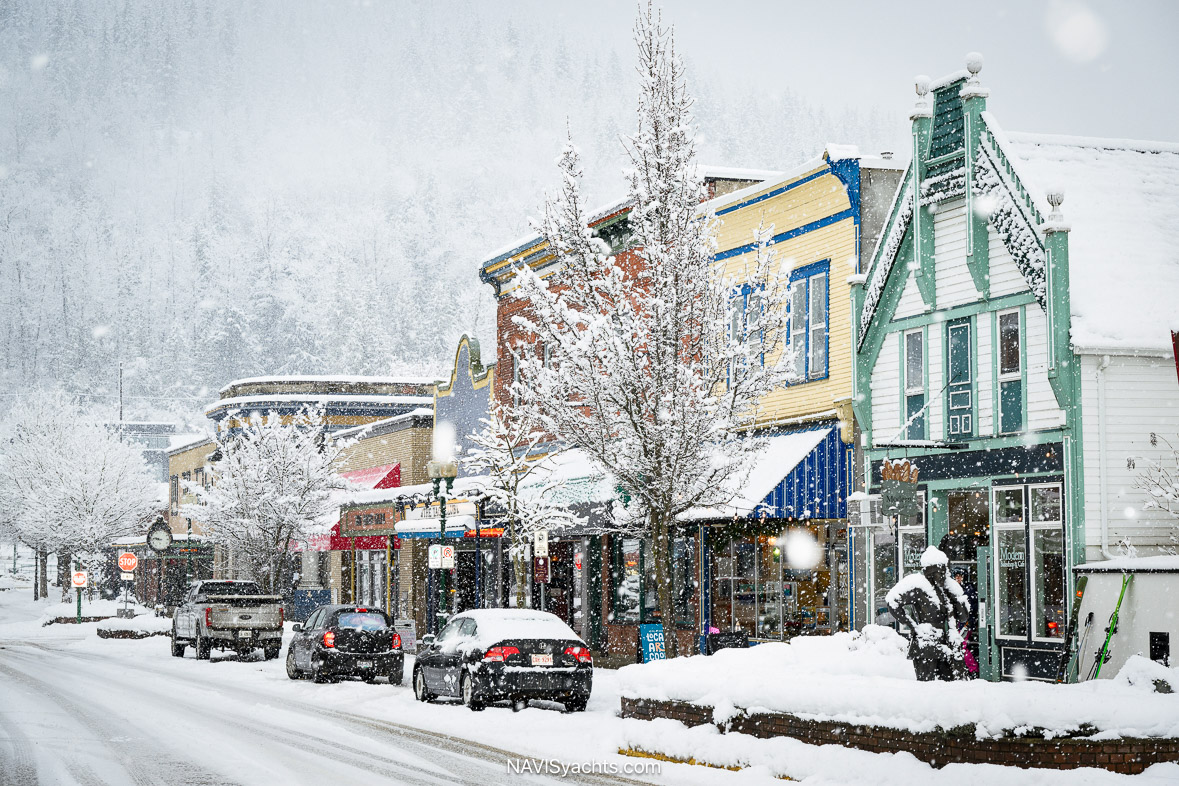
Not every CMH journey requires disappearing into a remote lodge. At Revelstoke and Kootenay, guests stay in established mountain towns and fly into the backcountry each morning.
The format preserves greater independence: skiing beyond the lift network during the day, followed by restaurants, shops, and the activity of a mountain town at night. This distinction is useful for groups that want expansive terrain without sacrificing the flexibility of an in-town stay.
Purcell shortens the commitment further. Located approximately two hours from Banff, it condenses the experience into a single day. Eight guests ski with two guides across roughly 2,000 square kilometers, with more than 250 established runs spanning glaciers, alpine bowls, and forest. Purcell allows an experienced resort skier to cross the psychological distance between imagining heli-skiing and boarding the aircraft for the first time.
The Lodge After the Last Flight
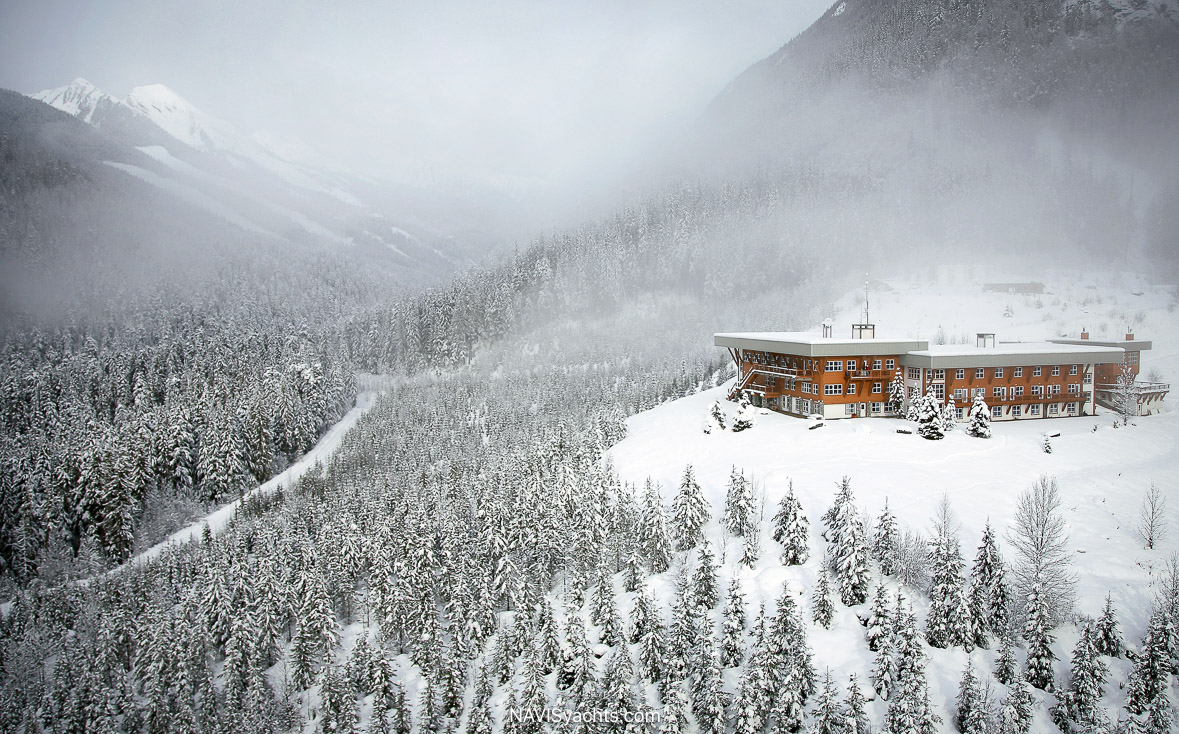
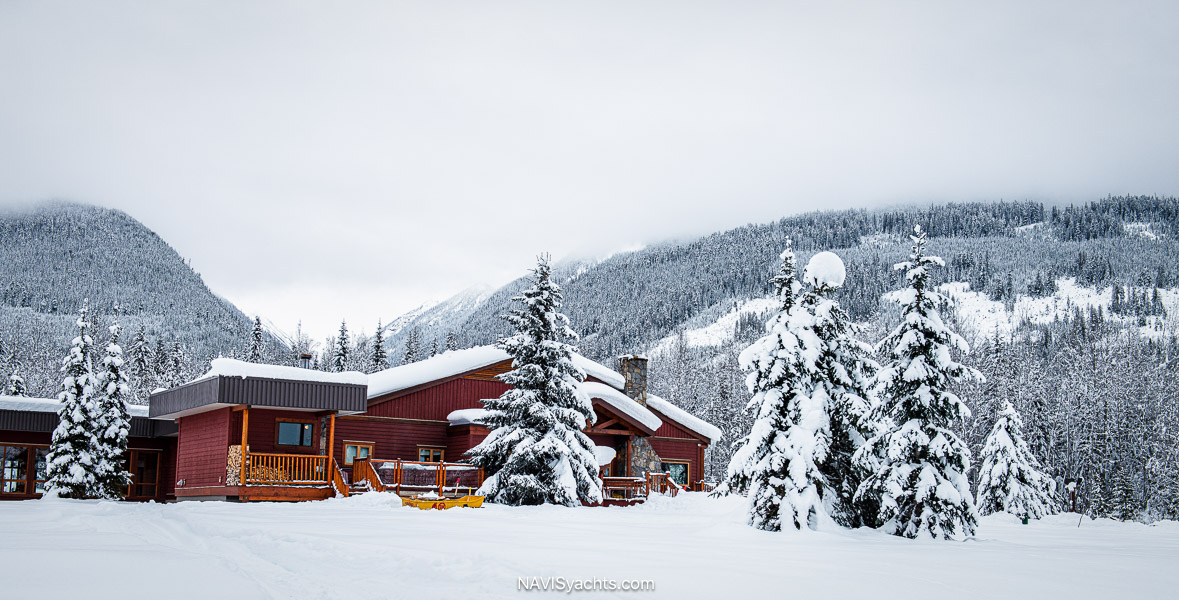
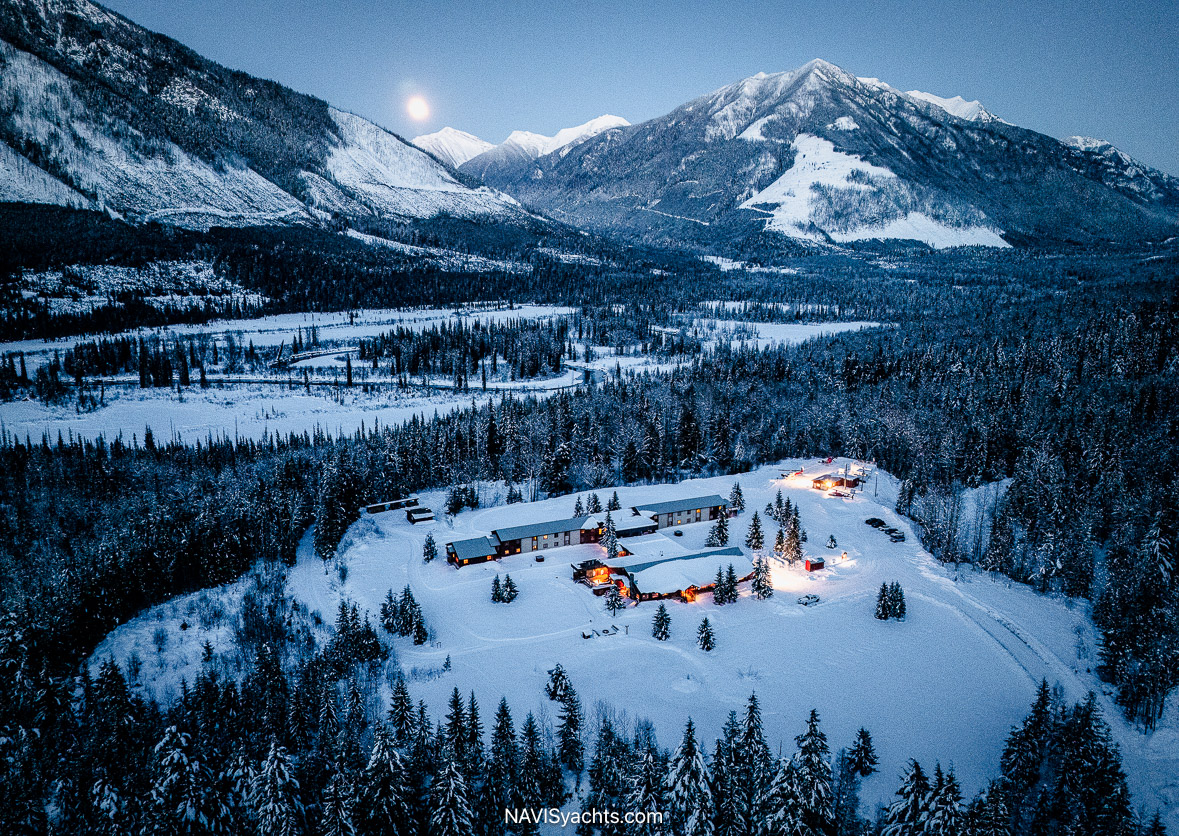
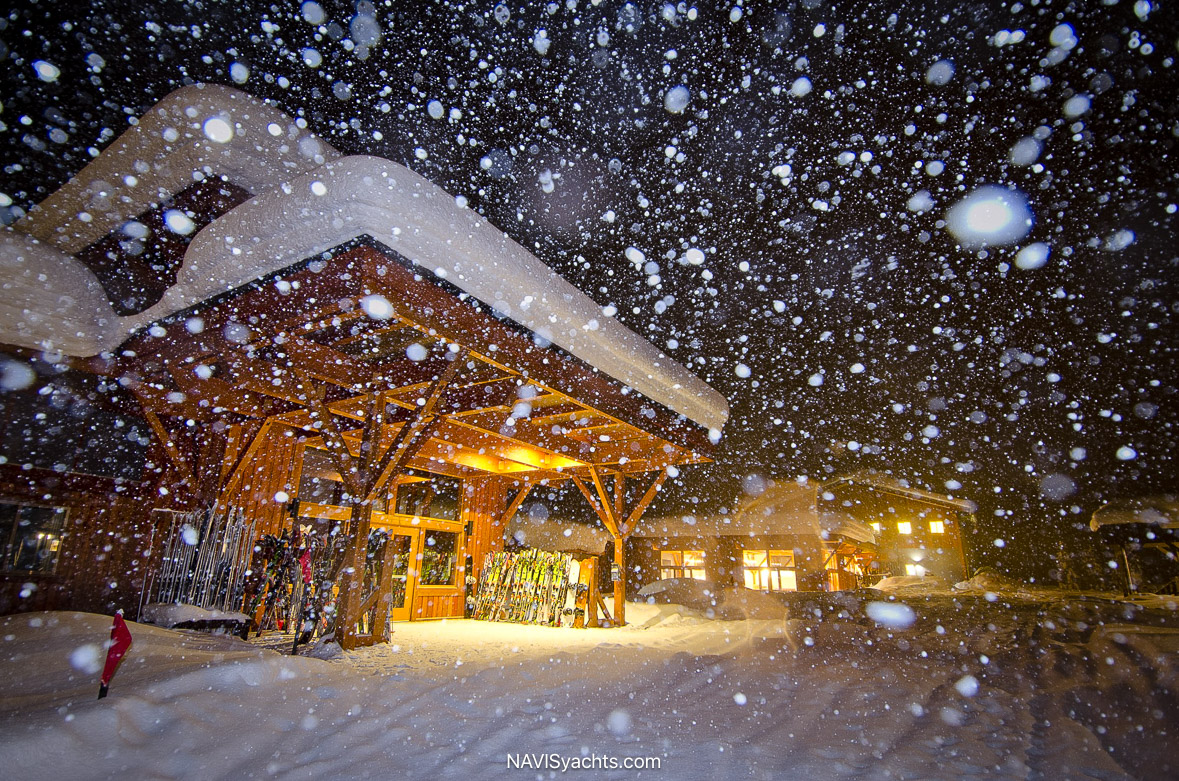
CMH’s fly-in lodges create another kind of journey. Reached by air and separated from surrounding towns, they become self-contained mountain worlds where the accommodation, guiding and rhythm of the day are organized around the terrain.
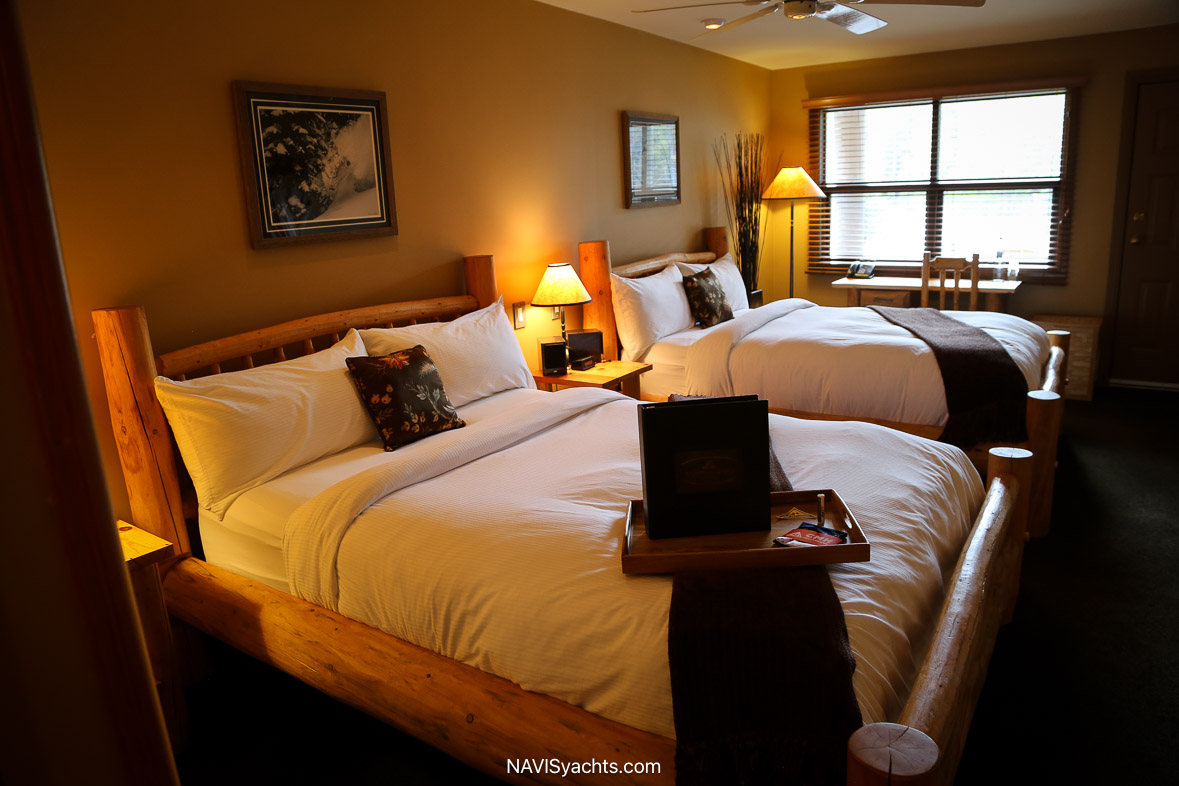
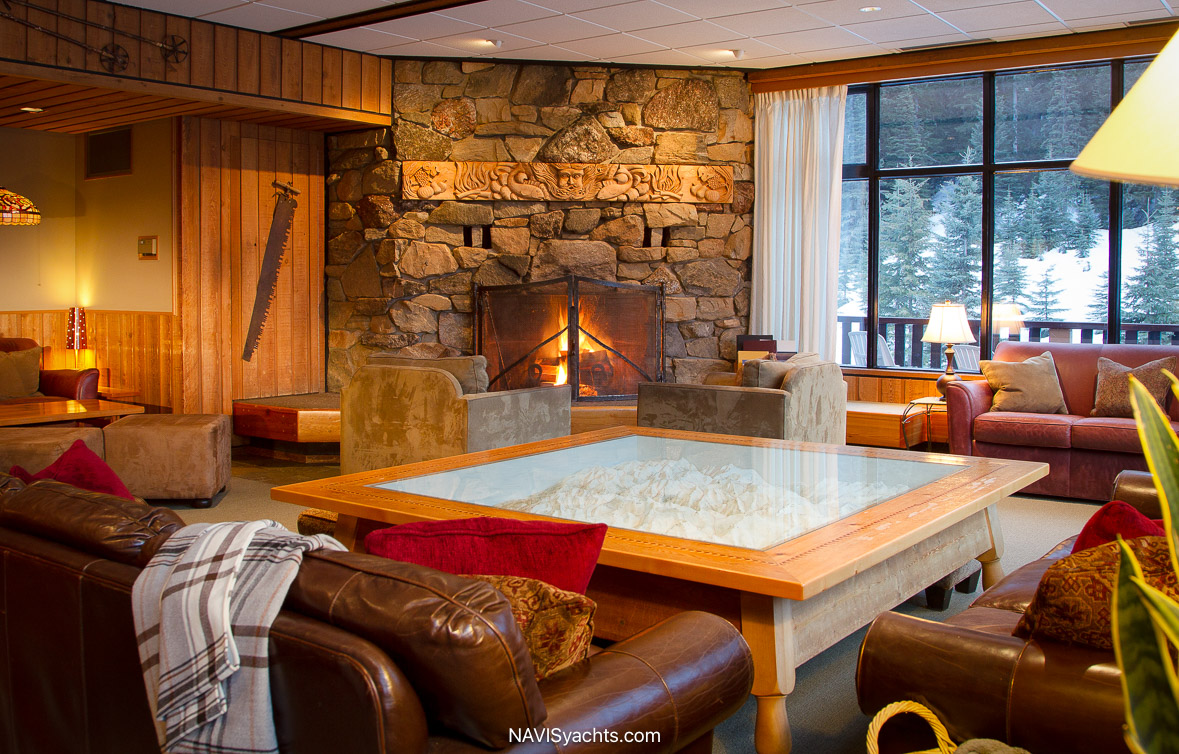
The separation from ordinary life begins before the first descent. There are no surrounding streets, shops or competing plans. The lodge contains the entire evening: private rooms, meals, drinks, massage, equipment preparation, conversation and the gradual recovery required to ski the following morning again. Housekeeping and logistics recede from view, leaving the guest’s attention on skiing, rest and the people sharing the week.
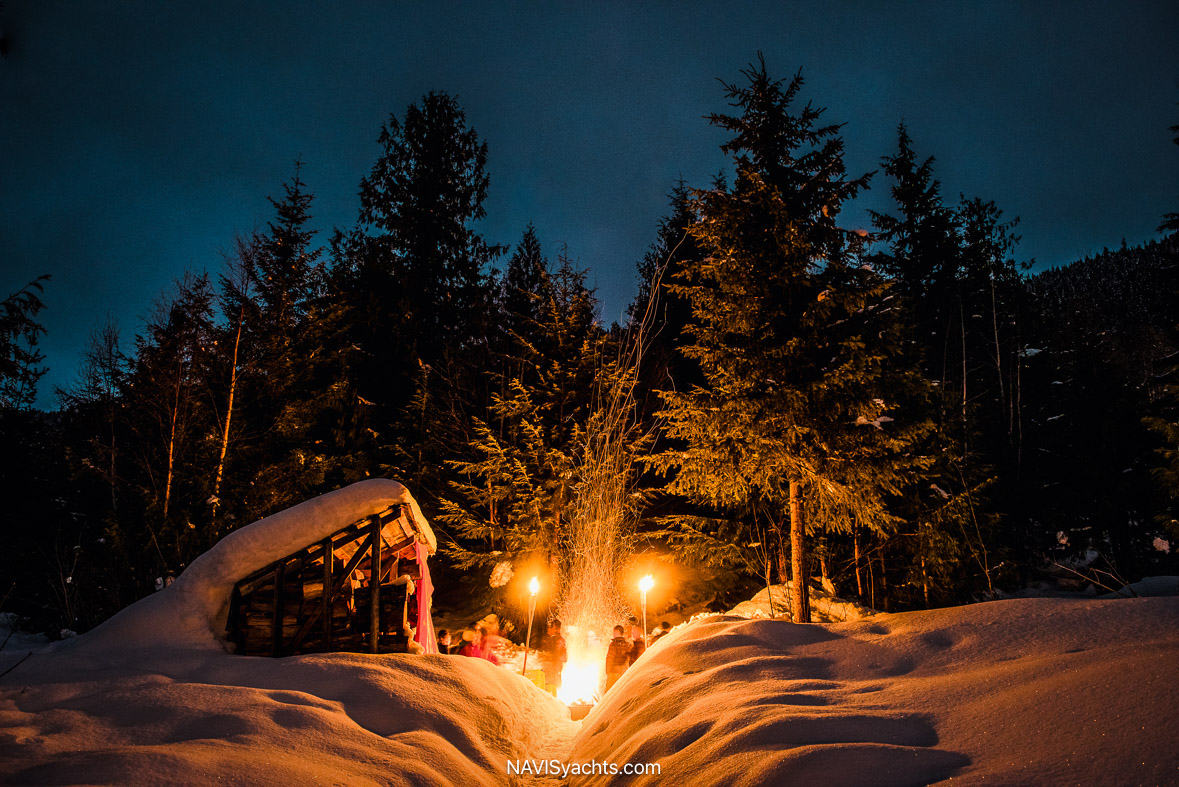
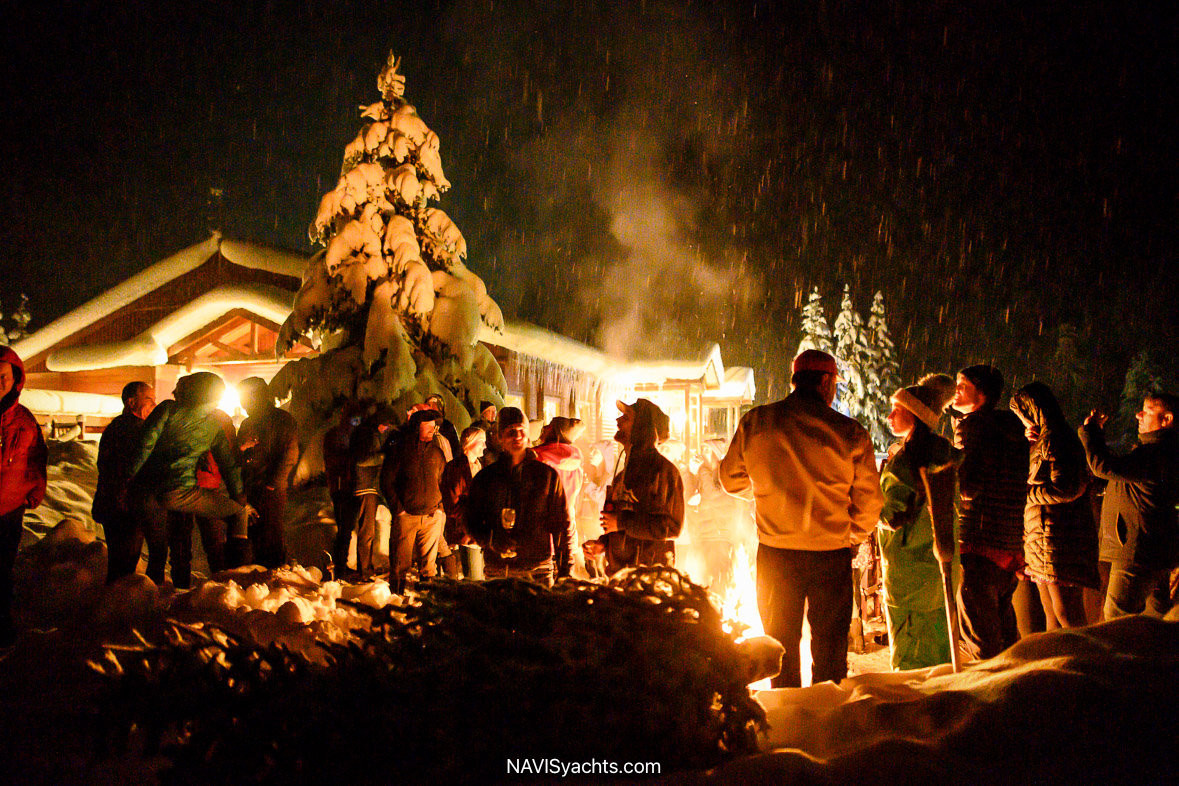
CMH has a term for the atmosphere that develops there: Hüttenzauber, or “hut magic.” The expression comes from the European mountain culture that helped shape the company. It describes the energy inside a lodge after people return from a shared day outdoors: the thawing of cold faces, stories exchanged over dinner, and the familiarity that can develop among guests who were strangers when they first boarded the helicopter.
This is a quieter form of luxury. Isolation removes decisions. At the larger lodges, the communal dimension becomes part of the experience. Guests ski with people of a similar pace, return together, and find that the day continues around the table. The lodge is an extension of the mountain.
Valemount carries the model furthest towards private travel. A charter aircraft brings guests to a ten-room backcountry lodge in the Cariboo Range, where more than 400 runs provide the daily terrain options. With a private lodge, helicopter, guides, and meals organized around one group, pace and access no longer have to accommodate unrelated guests. Luxury here lies in removing competing schedules and letting the experience take shape from the people occupying the lodge.
The Idea That Outgrew the Helicopter
Gmoser’s experiment did not remain small for long. Seventy skiers arrived in 1966, followed by 150 in 1967. The leapfrog rotation he developed to move groups through the terrain remains recognizable in CMH’s present operation, although the aircraft, guiding systems, and group formats have evolved.
The company has also carried helicopter-assisted travel into summer. From remote lodges CMH Bugaboos, Bobbie Burns, and come summer of 2028, and Cariboos, guests can reach glaciers, ridgelines, alpine meadows and via ferrata routes without undertaking the technical expedition such landscapes might otherwise demand. Programs include guided hiking, trail running, photography and painting workshops. The activity changes the aircraft, shortening the distance between a traveler and a landscape that would otherwise remain out of reach.
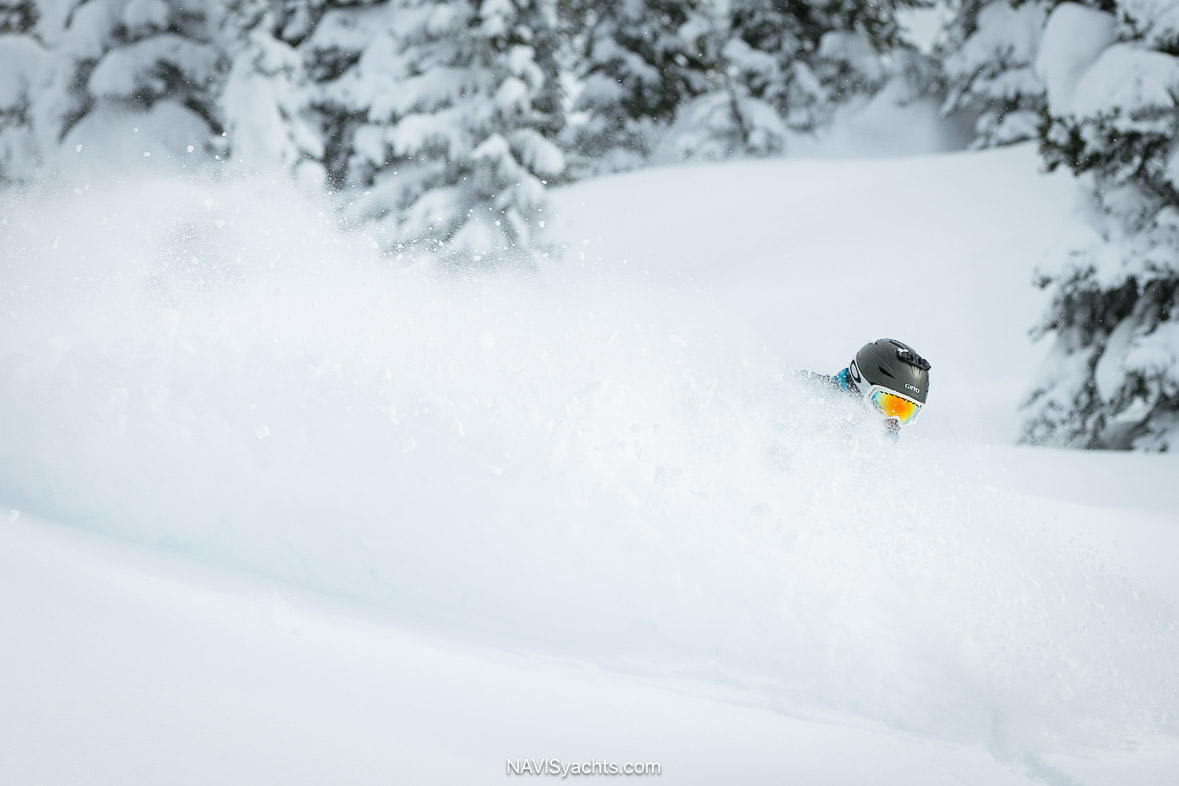
Winter is where that idea finds its clearest expression. CMH did remove the fixed lift, the marked piste, and much of the repetition that defines a resort day. In their place came a changing sequence of decisions about weather, terrain, snow and pace.
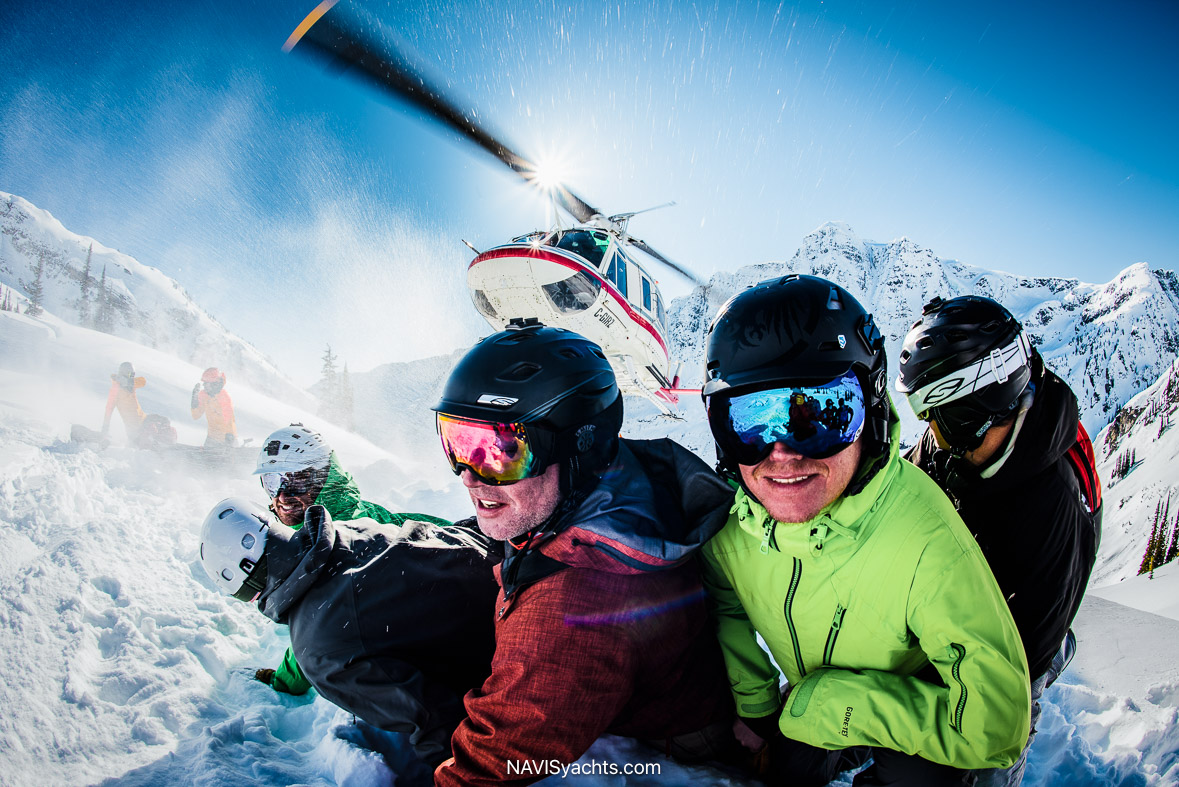
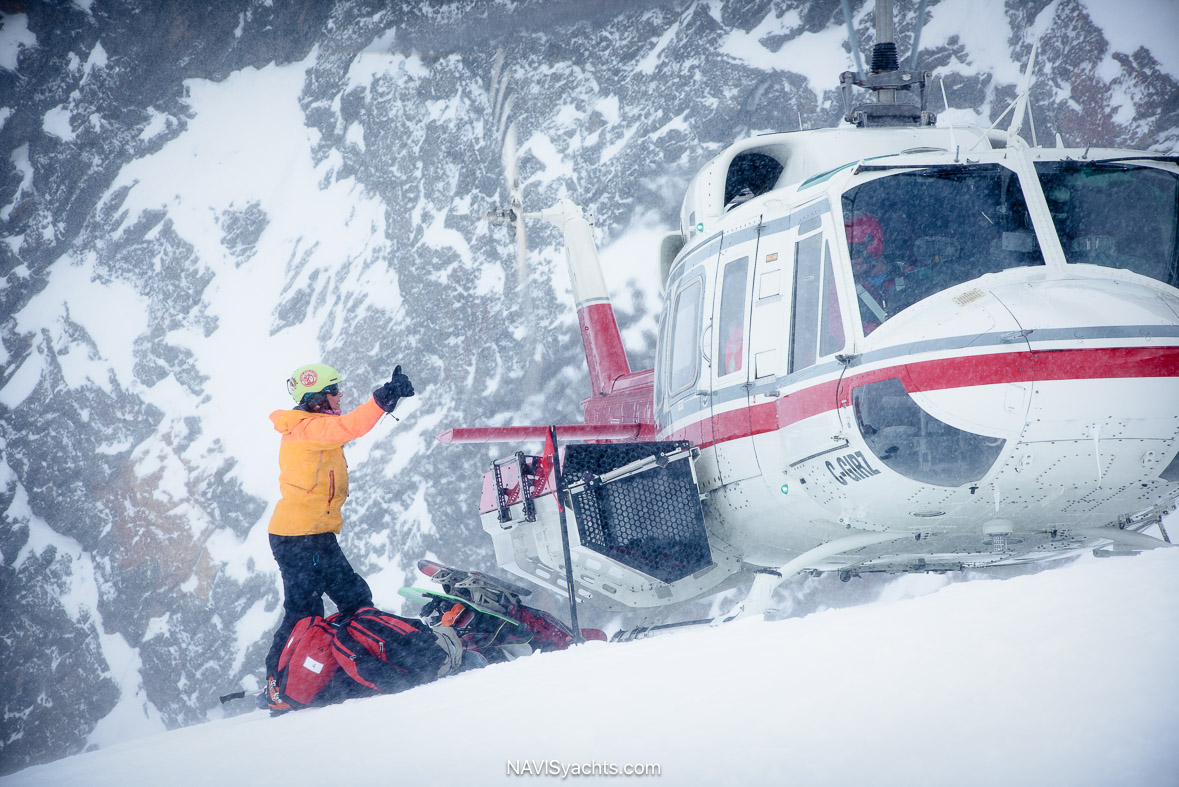
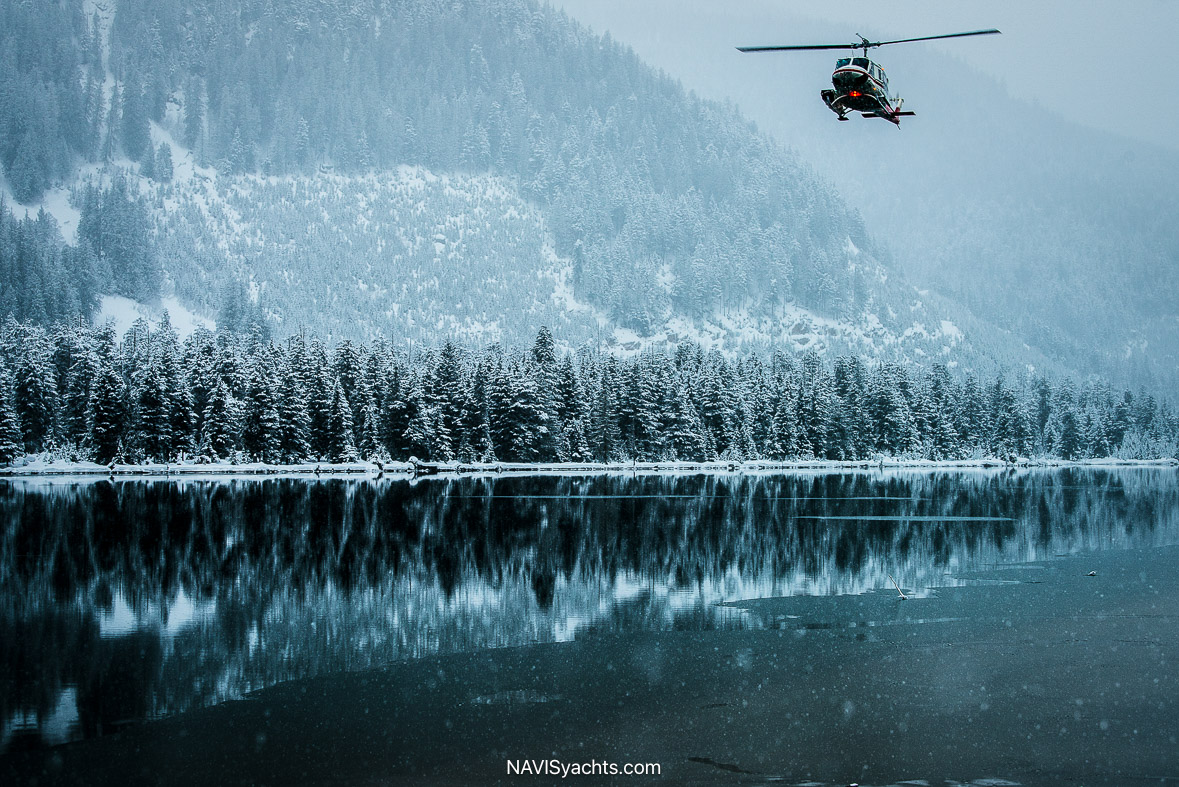
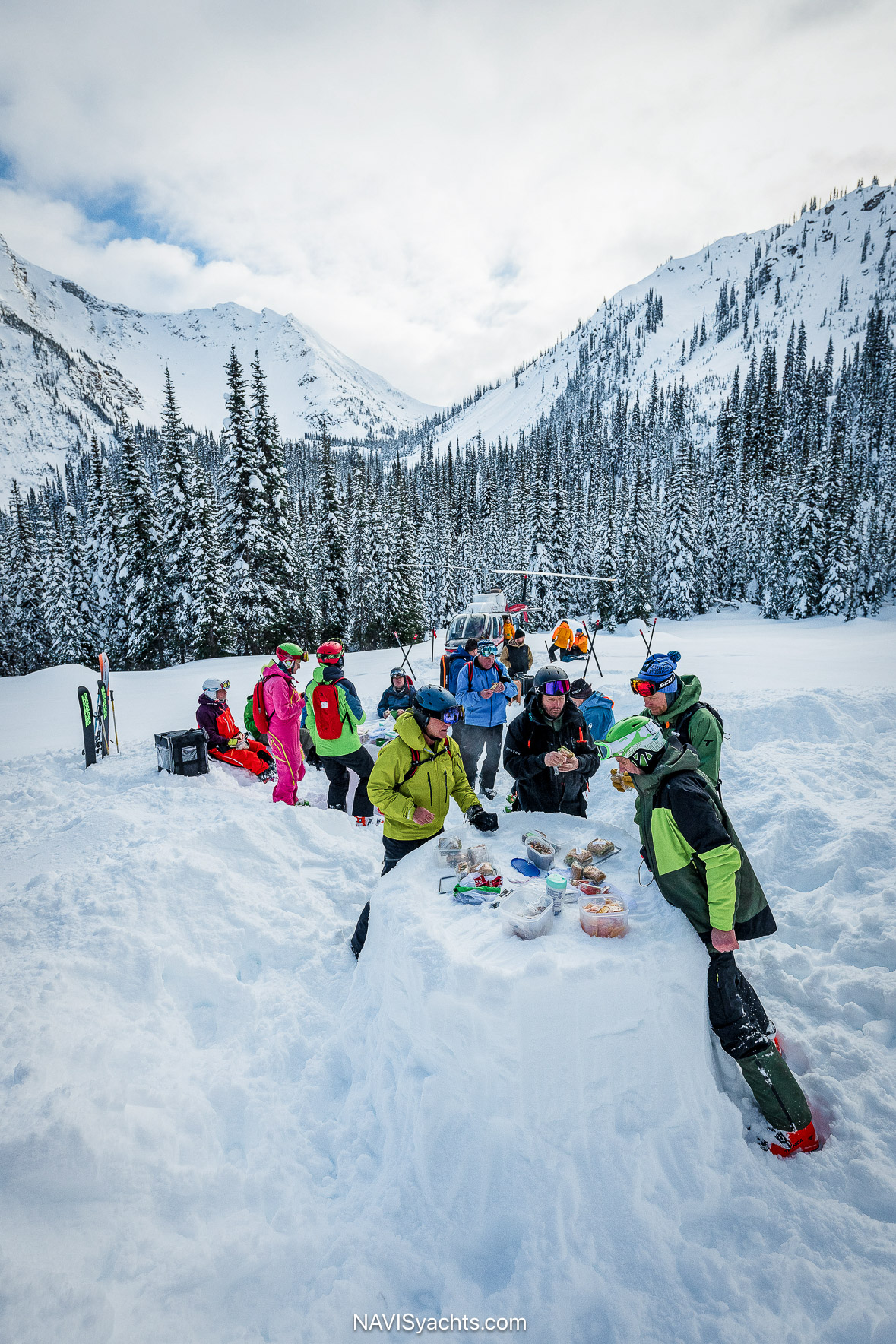
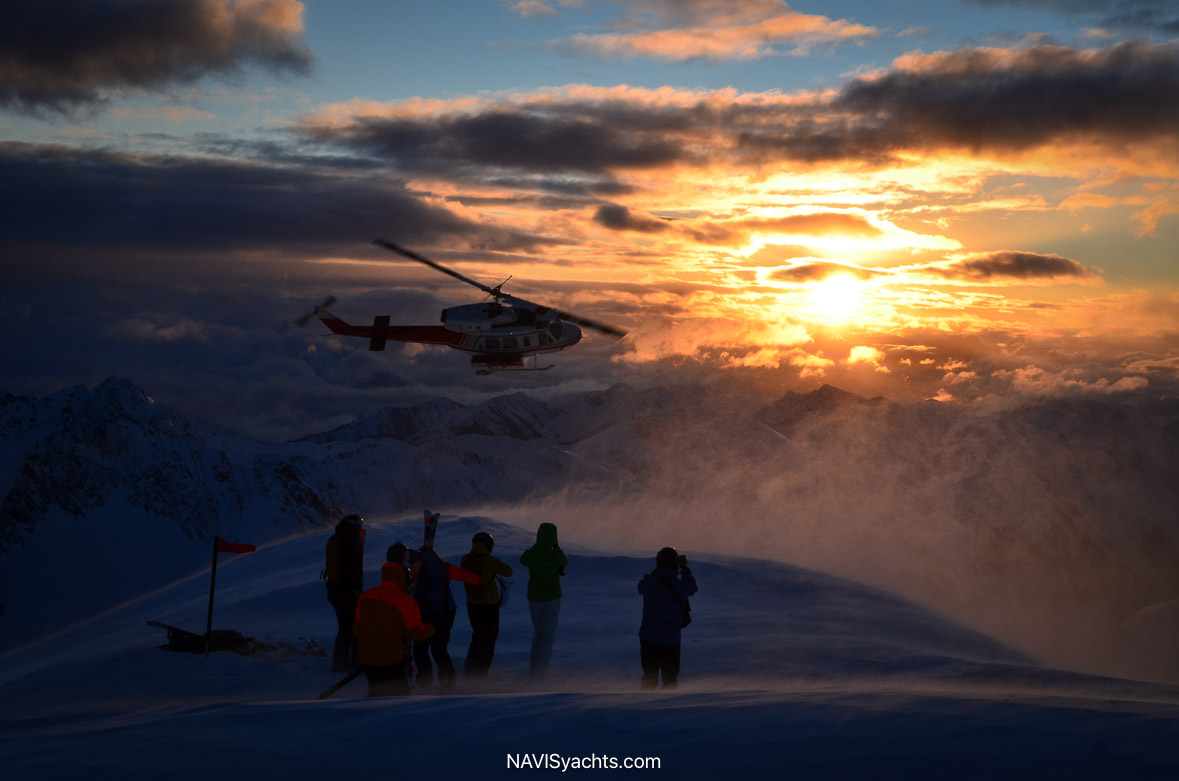
The first guests in 1965 waited as a two-seat Bell helicopter carried them upward one pair at a time. Today’s operation is larger by almost every measure, yet every descent still begins with a similarly brief transition. The helicopter settles onto the snow. The group steps out. Skis and poles are unloaded, the guide prepares to move, and the aircraft rises again.
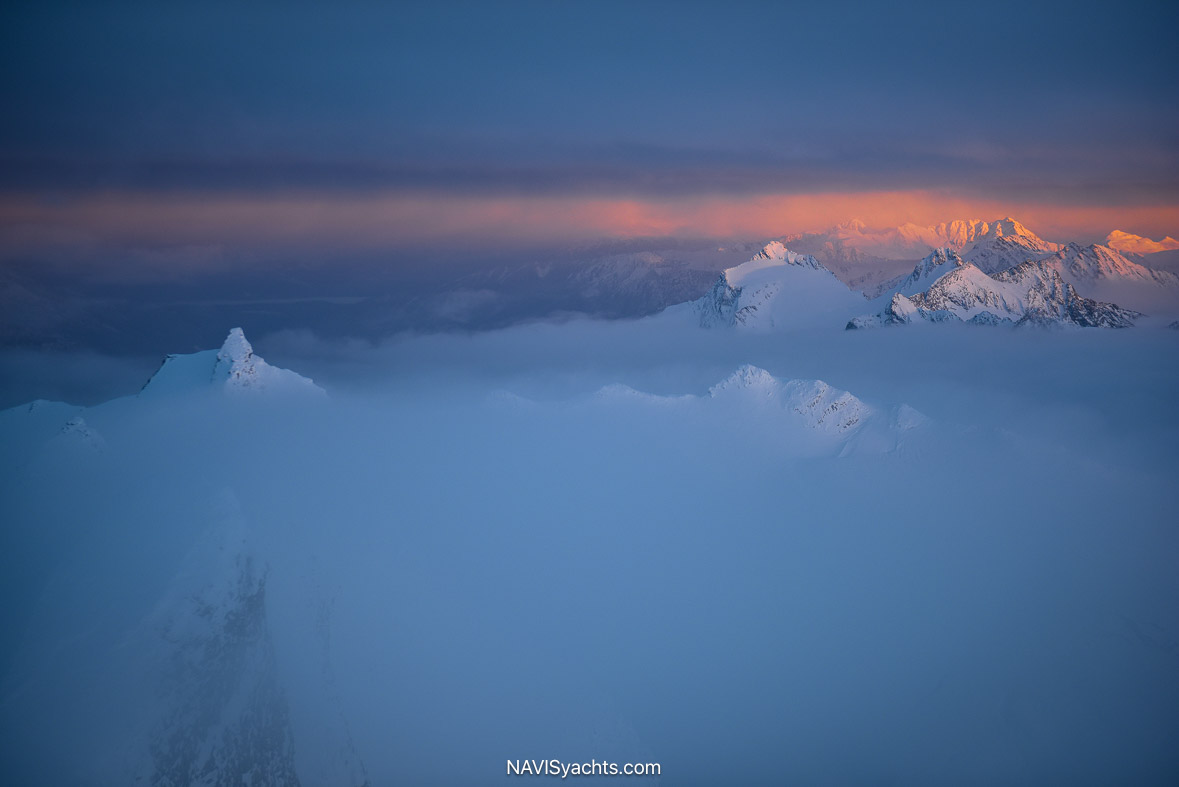
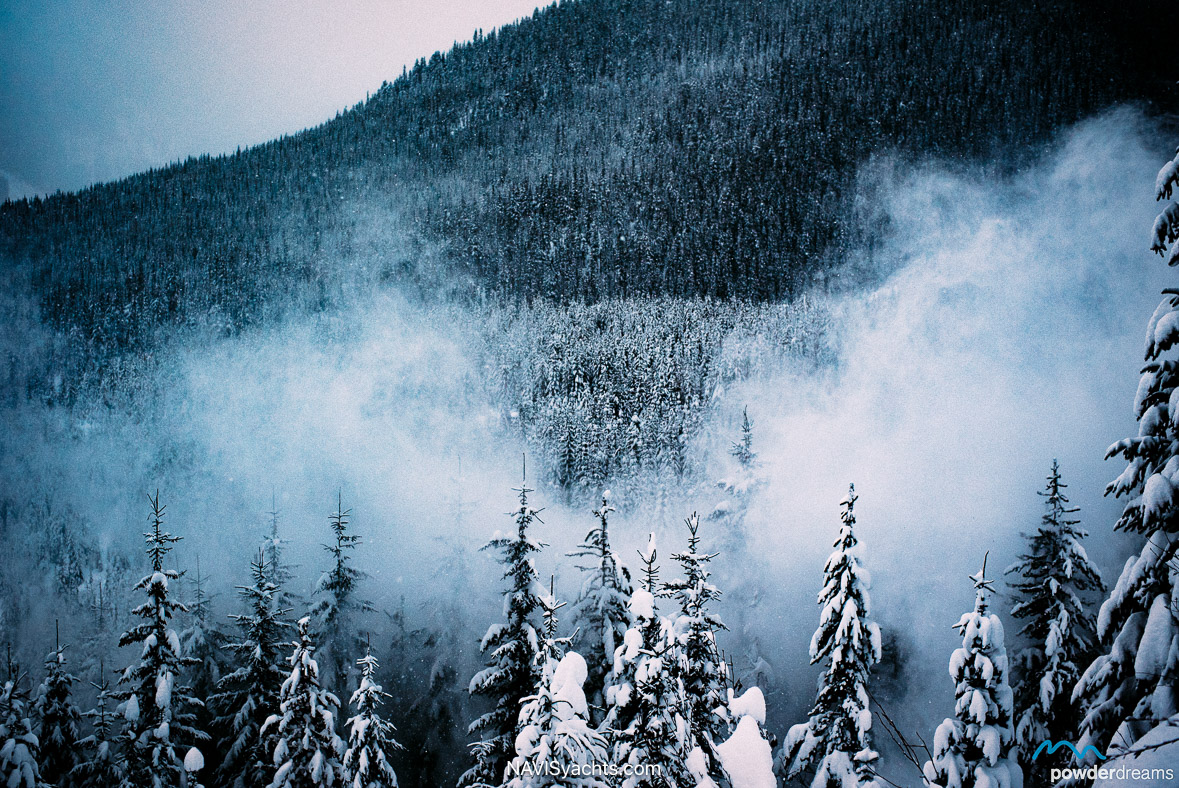
For a few seconds, the mountains fill with rotor wash. Then the helicopter turns away, the sound diminishes, and three million acres become silent.
Written By Tomas Ferrero - Photographed By Mike Arzt & The Public Works