
Tordrillo Mountain Lodge
It began with ten barrels of aviation fuel, eight skiers and a Bell Jet Ranger pointed toward a range few people had explored on skis. There was no lodge waiting at the other end. The plan was to fly into Alaska’s Tordrillo Mountains, ski under the long light of June and fish for king salmon when the snow softened beyond its best hour.
By the end of that first week, the possibilities had become difficult to ignore.
The group returned the following year with an A-Star helicopter and began pushing farther across the range. Over six seasons, they explored north and south of Finger Lake and cataloged more than 50 descents. Among them were Olympic downhill champion Tommy Moe and Alaska heli-ski pioneer Mike Overcast, whose early expeditions would eventually lead to Tordrillo Mountain Lodge.
What started as an improvised journey into unmapped ski terrain gradually became one of Alaska’s most private winter operations. The fuel barrels have given way to dedicated aircraft, two small lodges, and a carefully developed hospitality program. However, the essential proposition remains unchanged: to enter this landscape, one must still leave the road system behind.
Forty Minutes Beyond Anchorage
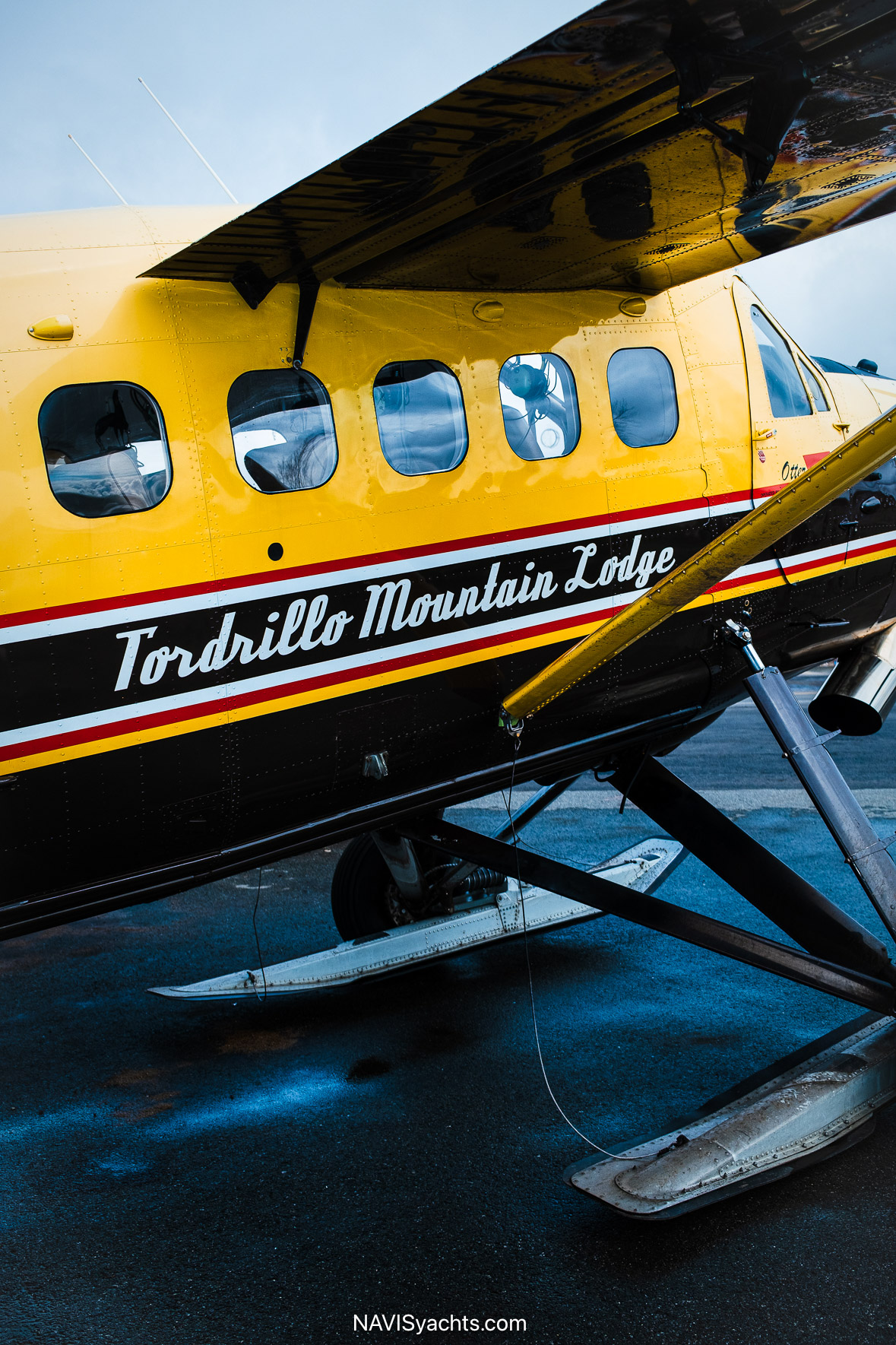
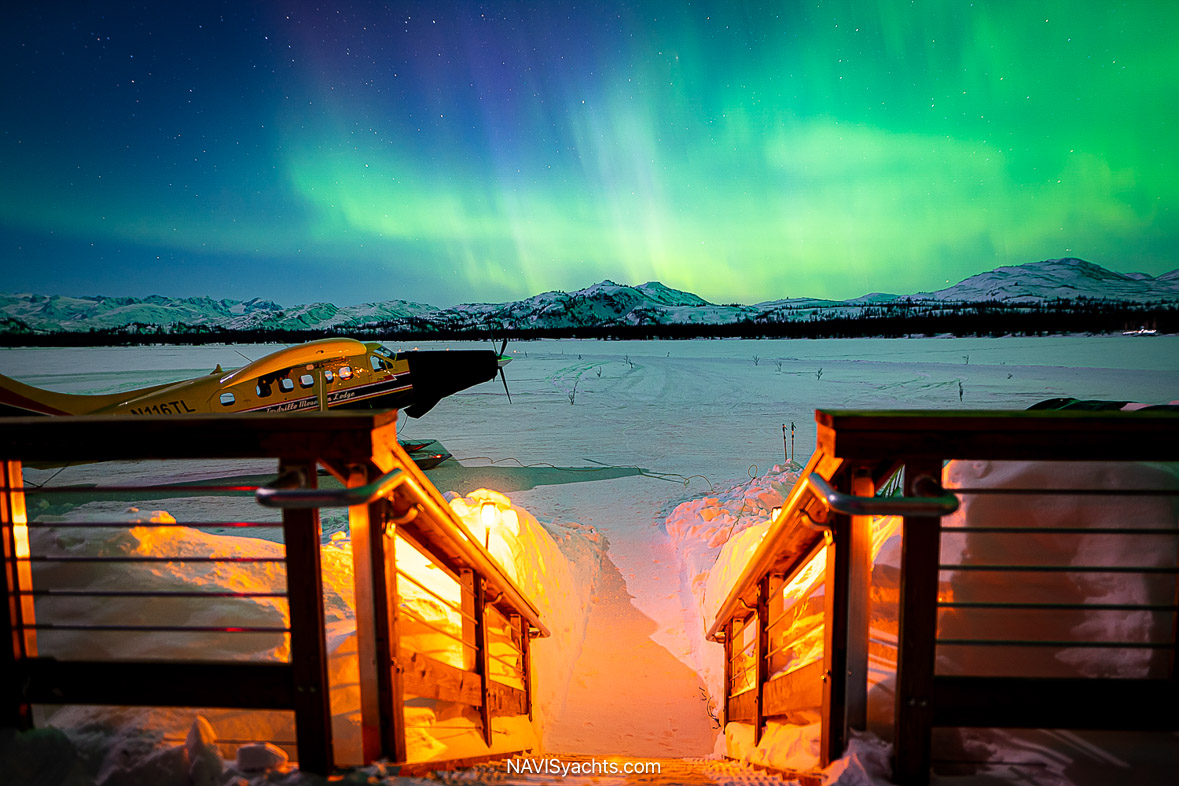
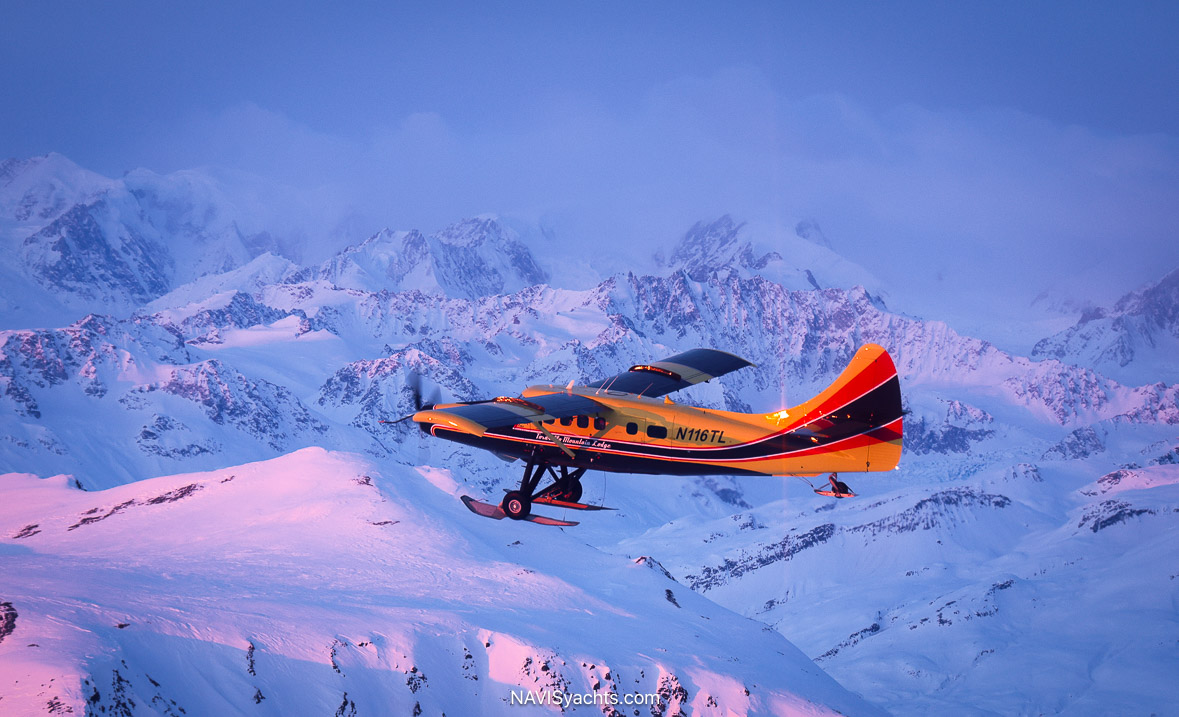
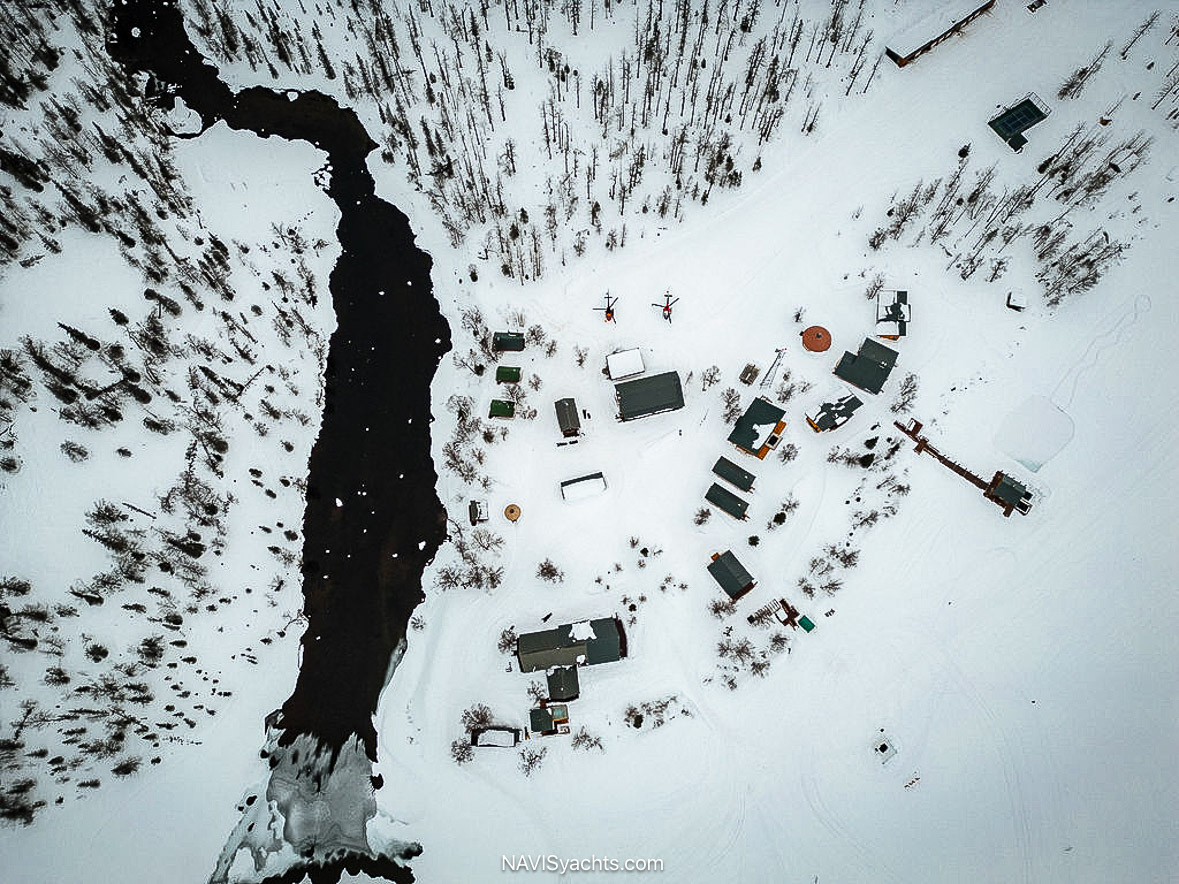
Tordrillo Mountain Lodge sits on Judd Lake, approximately 60 miles northwest of Anchorage. The final stage of the journey is a 40- to 45-minute flight from Lake Hood, the city’s seaplane base. As Anchorage recedes, roads and subdivisions give way to water, forest and the rising contours of the Alaska backcountry.
There is no road to the lodge.
That absence defines more than its geography. Arrivals, provisions, equipment and departures depend on aircraft and weather. The transition is unusually complete: less than an hour after leaving Alaska’s largest city, guests arrive at a frozen lake beneath a heavily glaciated mountain range.
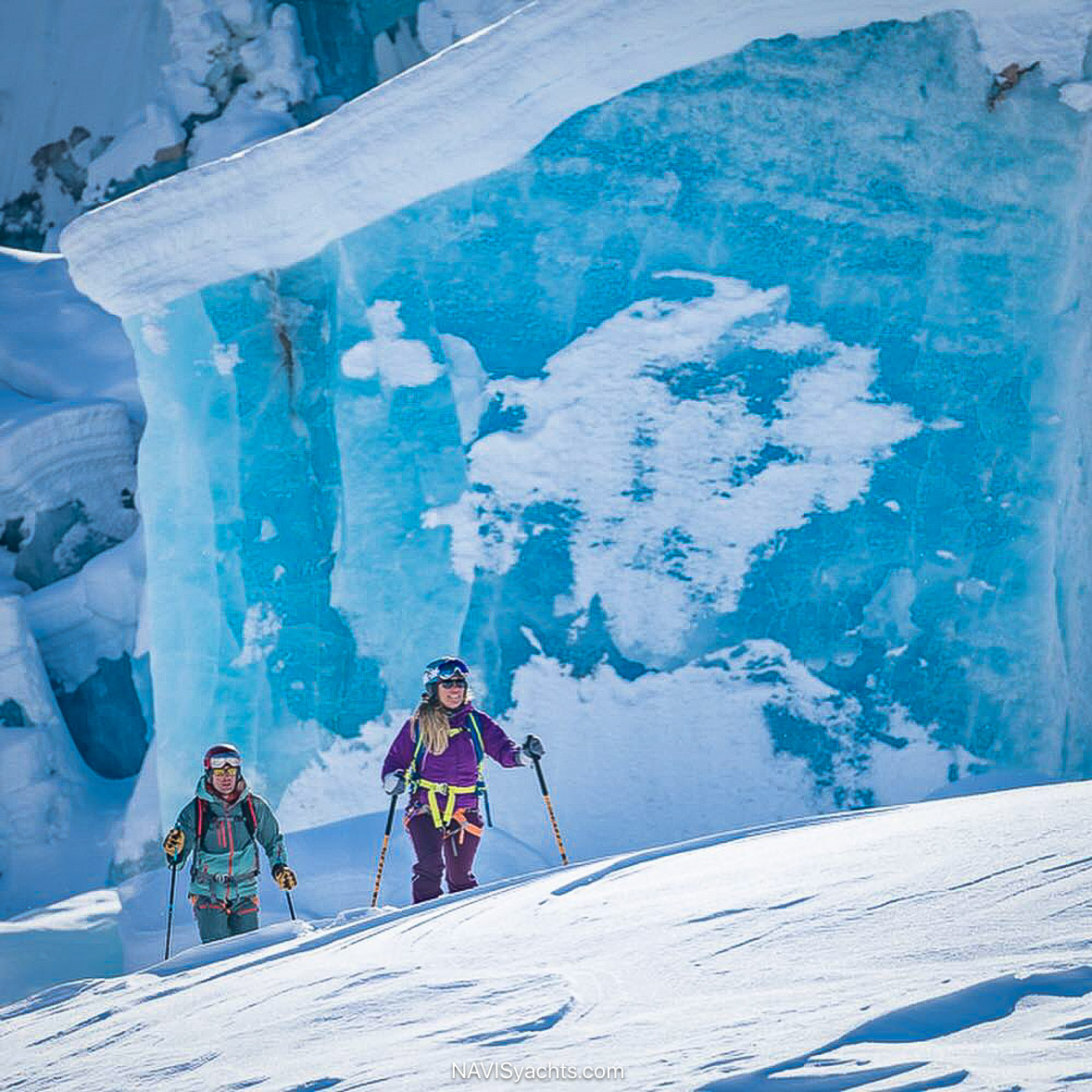
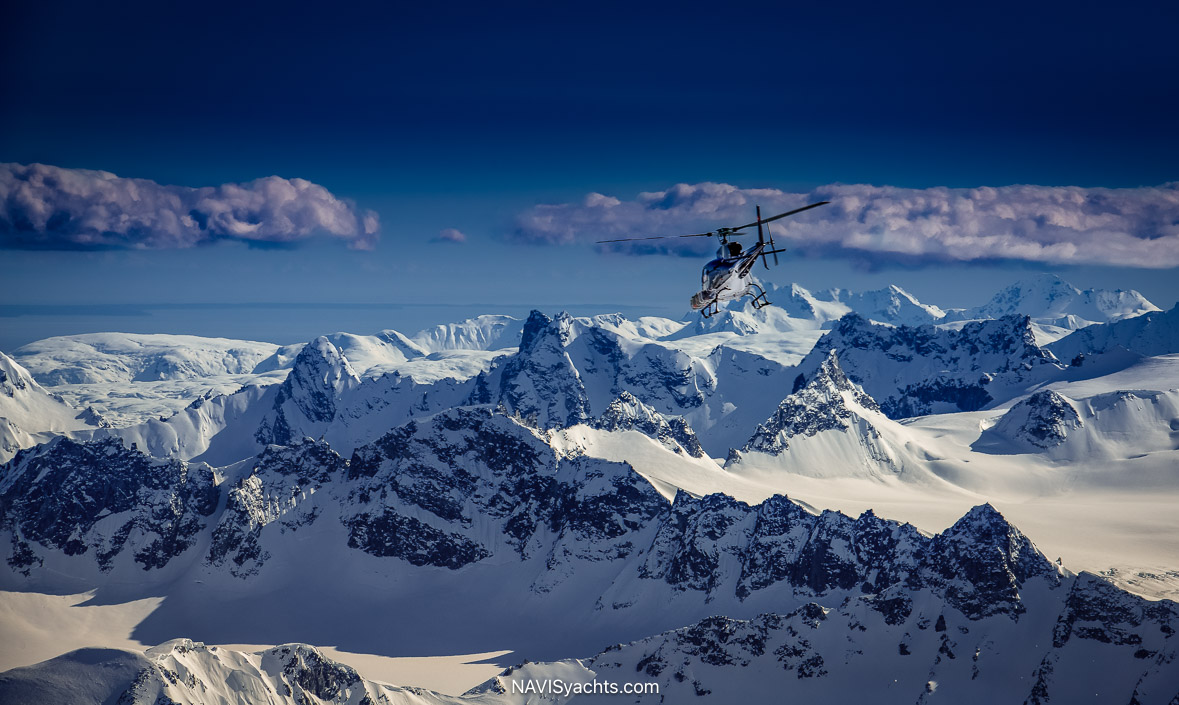
The Tordrillos occupy a complex position between the Alaska Range and the northern reaches of the Aleutian volcanic arc. Mount Torbert rises to 11,413 feet, while Mount Spurr and Hayes Volcano contribute to a landscape shaped by ice and volcanic activity. Major glaciers descend through the range, and on clear days the horizon opens toward Denali and the volcanic summits surrounding the lodge.
This is not a ski area in any conventional sense. No lifts, pistes, base villages, or roads connect one sector to another. The infrastructure is airborne.
Forty minutes beyond Anchorage, the roads disappear.
A Mountain Range Without Lift Lines
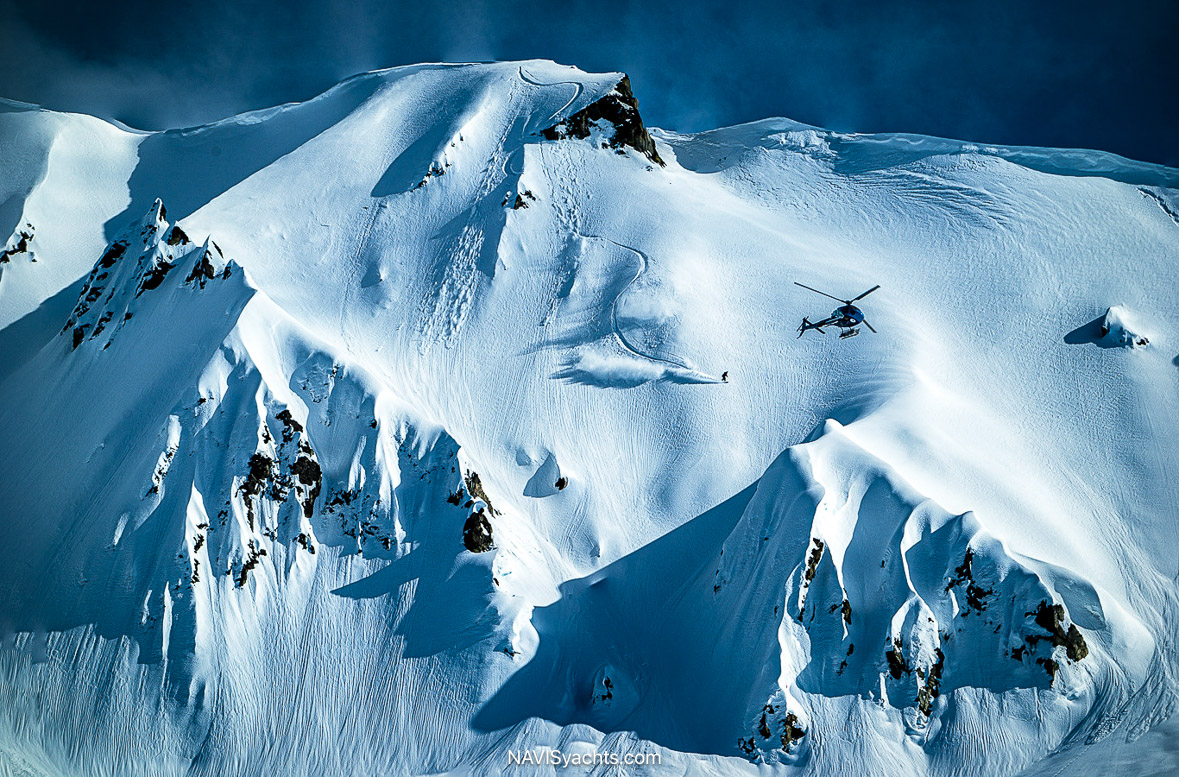
Tordrillo publishes access to more than 1.2 million acres of heli-ski and snowboard terrain, with descents beginning as high as approximately 7,500 feet and finishing near 2,000 feet.
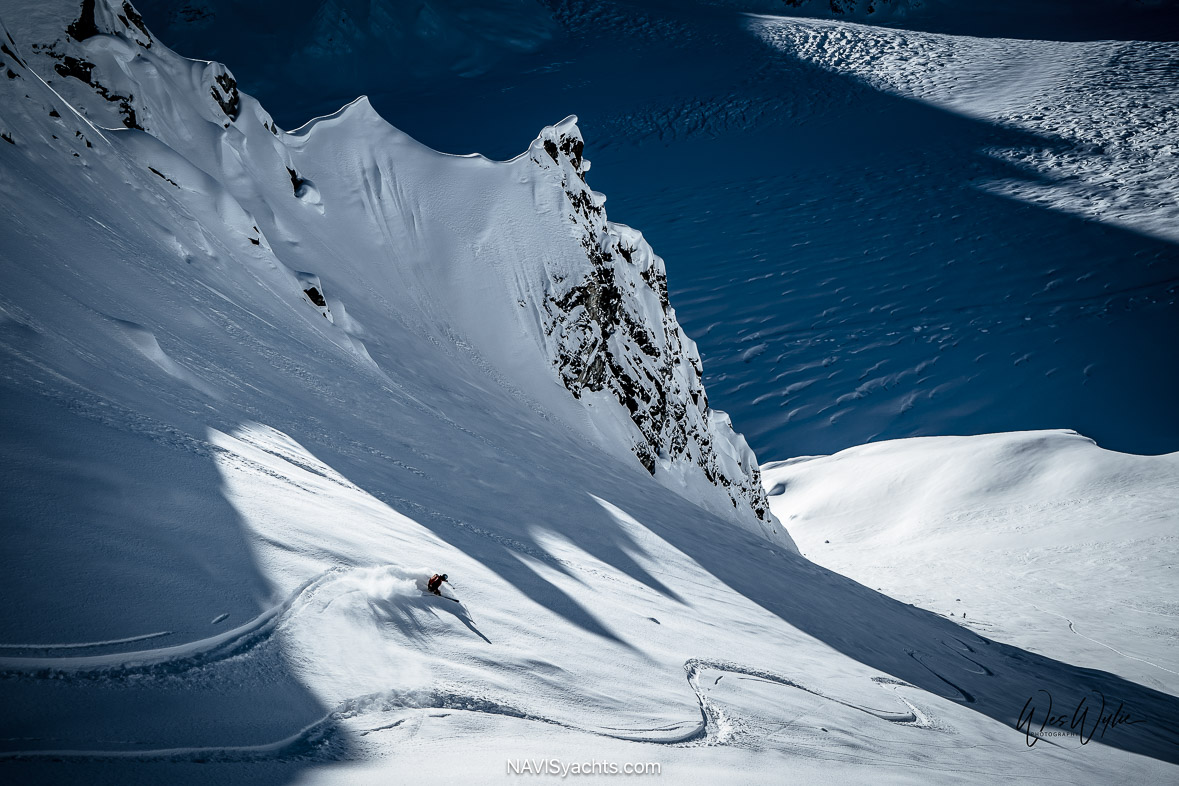
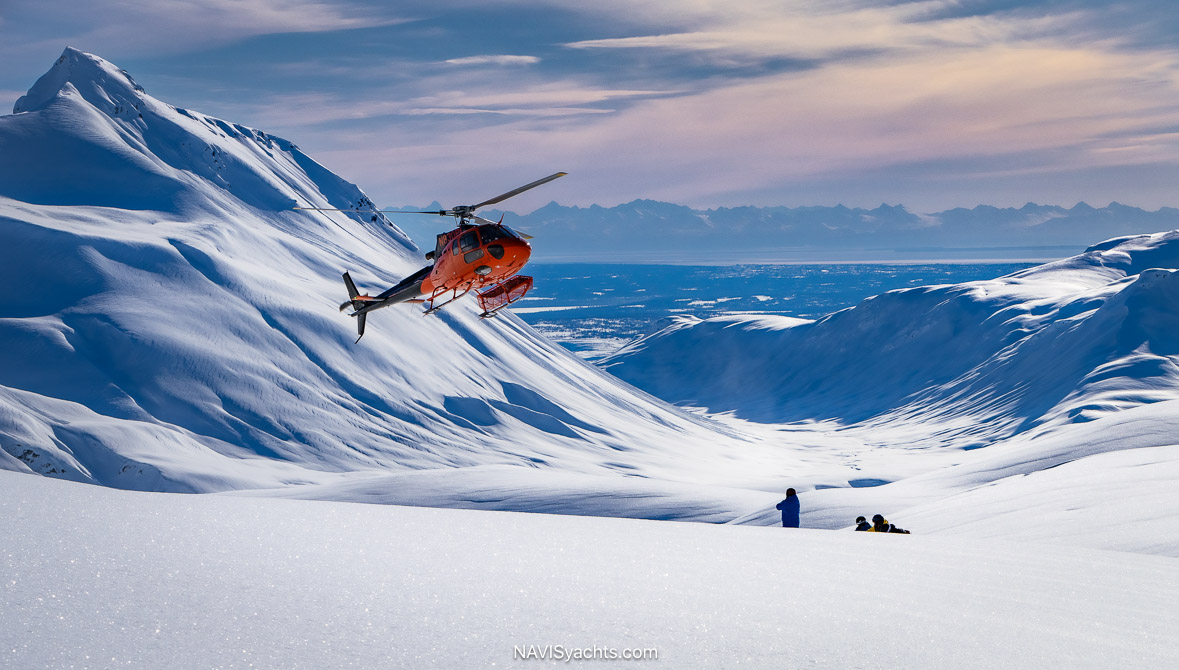
The scale lets guides choose among glaciers, open faces, and couloir-cut peaks, adapting each day to snow, visibility, and the group’s ability.
The experience is intended not only for experts. Powder-capable intermediate skiers and snowboarders can be directed toward more forgiving terrain, while advanced groups can pursue steeper and more technical lines when conditions permit.
Each morning begins with a review of weather and snow. Guides combine field observations, snow-pit information, and data from remote weather stations with the knowledge accumulated through years of exploring the range. Pilots and guides then determine which sectors offer the best combination of snow, visibility, and exposure.
Tordrillo reports approximately 600 inches of snow in a season. The number indicates abundance, but the real value of such a large operating area is choice. Snow does not fall or settle uniformly across 1.2 million acres. Wind, elevation, aspect, and previous storms alter the surface from one valley to the next. The operation’s advantage lies in having enough terrain and local experience to find the places where the mountain has preserved the best conditions.
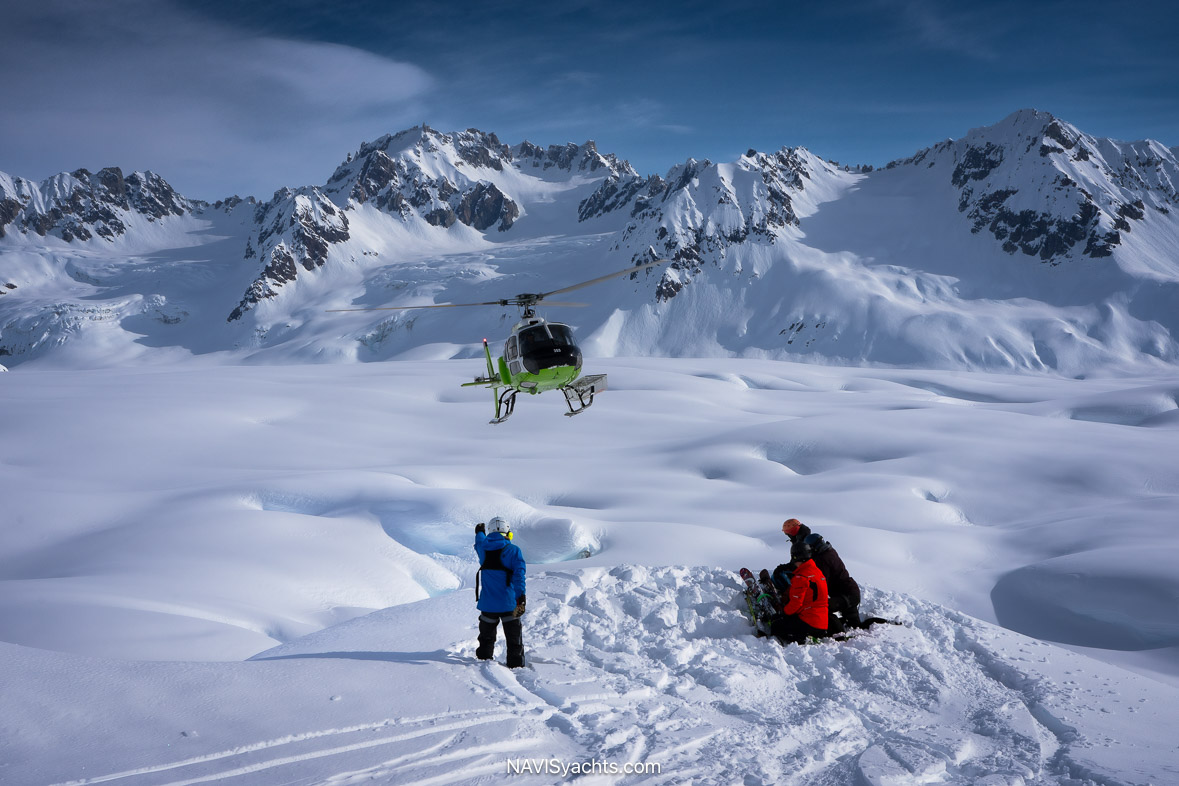
On flying days, guests leave after breakfast and remain in the backcountry through much of the day. Lunch travels with them: soup, hot drinks, sandwiches and snacks served in the terrain rather than back at the lodge. The helicopter remains the connecting thread, collecting the group at the bottom of one descent and carrying it toward the next decision.
Safety equipment supplied to each guest includes an avalanche transceiver, airbag backpack, shovel, probe and harness. Demonstration skis or snowboards and poles are also available, while guests bring their own boots. Terrain selection remains responsive throughout the day. When weather moves into the range, guides can turn toward gentler slopes and areas with less avalanche exposure, or return to the alternatives waiting at Judd Lake.
Built by Exploration
The lodge did emerge from the skiing.
During an expedition in 2004, the founders saw Judd Lake while skiing far from their existing base. Its position offered access to the surrounding heli-ski terrain and to the headwaters of the Talachulitna River. They subsequently acquired Judd Lake Lodge and established a permanent foothold in the mountains they had been exploring.
That history gives Tordrillo a character that cannot be manufactured through amenities alone. The operation grew from repeated flights, exploratory descents, and the gradual accumulation of knowledge about where to ski, where not to ski, and how conditions move through the range.
Tommy Moe brought an unusual background to the project. At the 1994 Winter Olympics in Lillehammer, he won gold in the downhill and silver in the super-G. Yet ski racing and backcountry guiding demand different forms of judgment. The stopwatch disappears; terrain, weather, snow stability, and the group’s collective ability become decisive. At Tordrillo, Moe’s identity is not limited to that of an Olympic champion attached to a lodge. He is one of the guides responsible for understanding the mountains in which the operation was built.
Mike Overcast’s experience includes heli-ski guiding, avalanche work, snow blasting, and wilderness operations across Alaska. Together with a team of veteran pilots and guides, the founders have turned early exploration into a small-scale operation in which access remains closely controlled.
A Lodge Scaled to the Landscape
Tordrillo’s winter accommodations are intentionally limited.
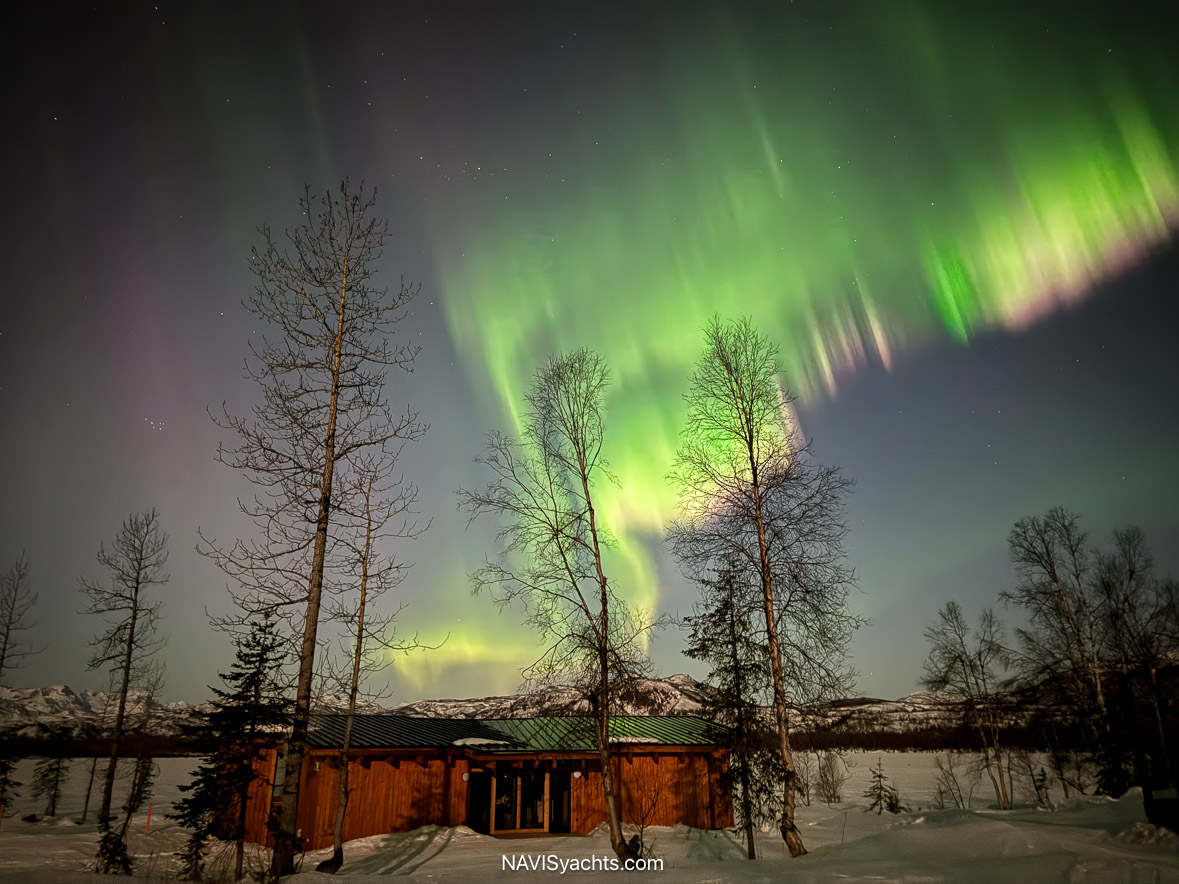
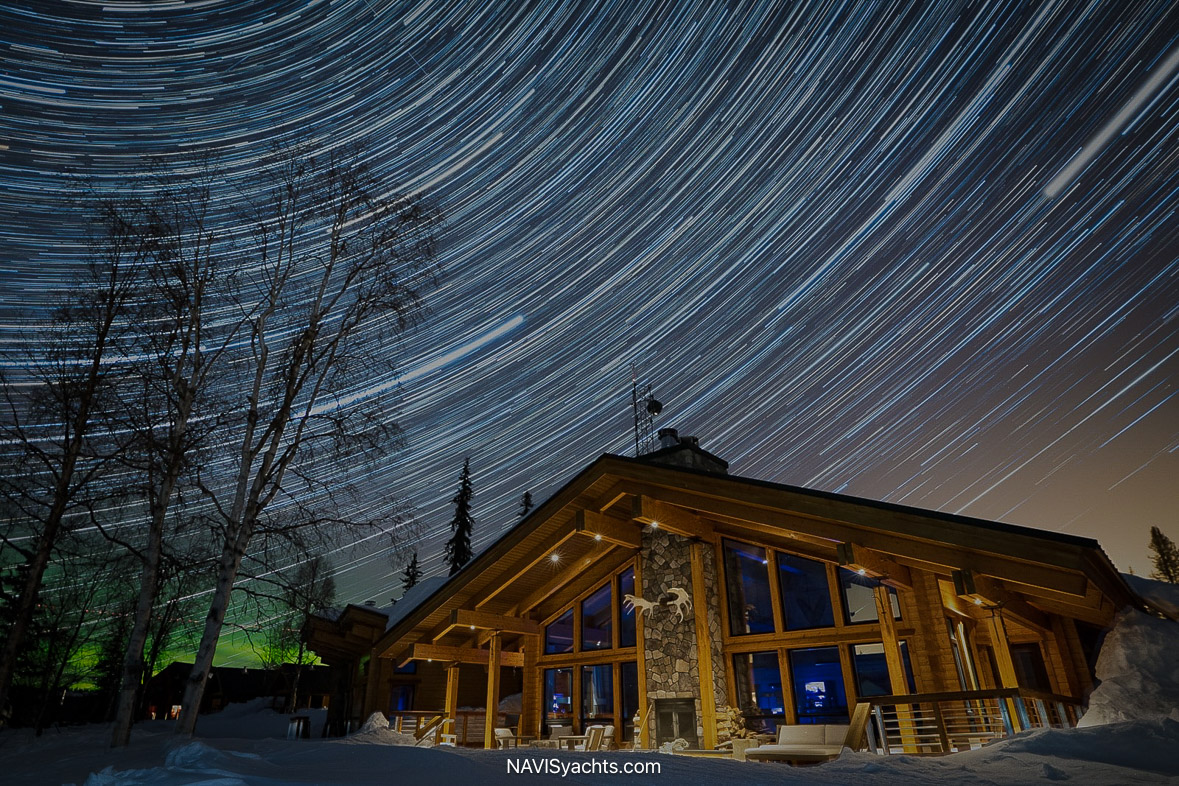
The three-story Main Lodge contains six guest rooms and accommodates twelve people. Renovated in 2017, its 5,600 square feet are arranged around broad views of Judd Lake, with a dining room, bar, wine cellar, cedar decks, sauna and hot tub. Two separate one-bedroom cabins provide additional privacy beside the main building.
Judd Lake Lodge takes a more contemporary architectural direction, combining timber with steel and accommodating eight guests in four en-suite bedrooms. It has its own chef, bar, massage services and wood-fired hot tub.
The modest capacities matter. A lodge for eight or twelve guests changes the rhythm of a heli-ski week. Equipment, meals and daily planning can be organized around a small number of people, while the dining room becomes part of the shared experience rather than an anonymous restaurant.
Food is designed to support long days outside. Breakfast combines fresh fruit, house-made pastries, and a hot dish. Field lunches are practical enough to travel by helicopter, while dinner returns the day to a slower pace. Published menus draw on Alaskan seafood and regional ingredients, including halibut, black cod, king crab, scallops, oysters from Kachemak Bay and white king salmon, alongside game and produce grown seasonally at the property.
Preparing for the Next Descent
In February 2026, Tordrillo opened a 2,400-square-foot Wellness Center designed around the physical demands of its adventure programs. Its winter relevance is immediate: heli-skiing can place guests through repeated cycles of cold, altitude, muscular exertion and recovery over consecutive days.
The center includes a movement studio, gym, treatment rooms and spaces for massage, mobility and breathwork. A wood-fired Nordic sauna and immersion in the cold water of Judd Lake create a distinctly Alaskan form of contrast therapy. Three Japanese-inspired hot-water spas are positioned around the property, while the lodge’s Shiftwave system uses vibration, guided breathing and a zero-gravity chair to encourage relaxation after skiing.
The most unconventional element is the AlpenSauna, a mobile sauna designed to be transported by helicopter. Currently offered only during the summer season, Tordrillo has positioned it beside waterfalls, glacial pools, on a 28-mile icefield, and at elevated locations overlooking the surrounding mountains.
After dinner, the range disappears into the darkness beyond Judd Lake. Equipment is prepared, weather data is reviewed, and plans remain provisional until morning. No one can manufacture a clear sky, stable snow, or permission from the mountain.
The next day may lead to an open glacier, a protected slope, or a couloir first entered years ago by a small group carrying its own fuel into the Tordrillos. The aircraft has changed. The lodge has changed. The essential question has not: where will the mountains allow the helicopter to land?
Guides chooseamong glaciers, open faces, and couloir-cut peaks, adapting each day to snow, visibility, and the group’s ability.

Written by Tomas Ferrero - Photographed by Tordrillo Mountain Lodge media