
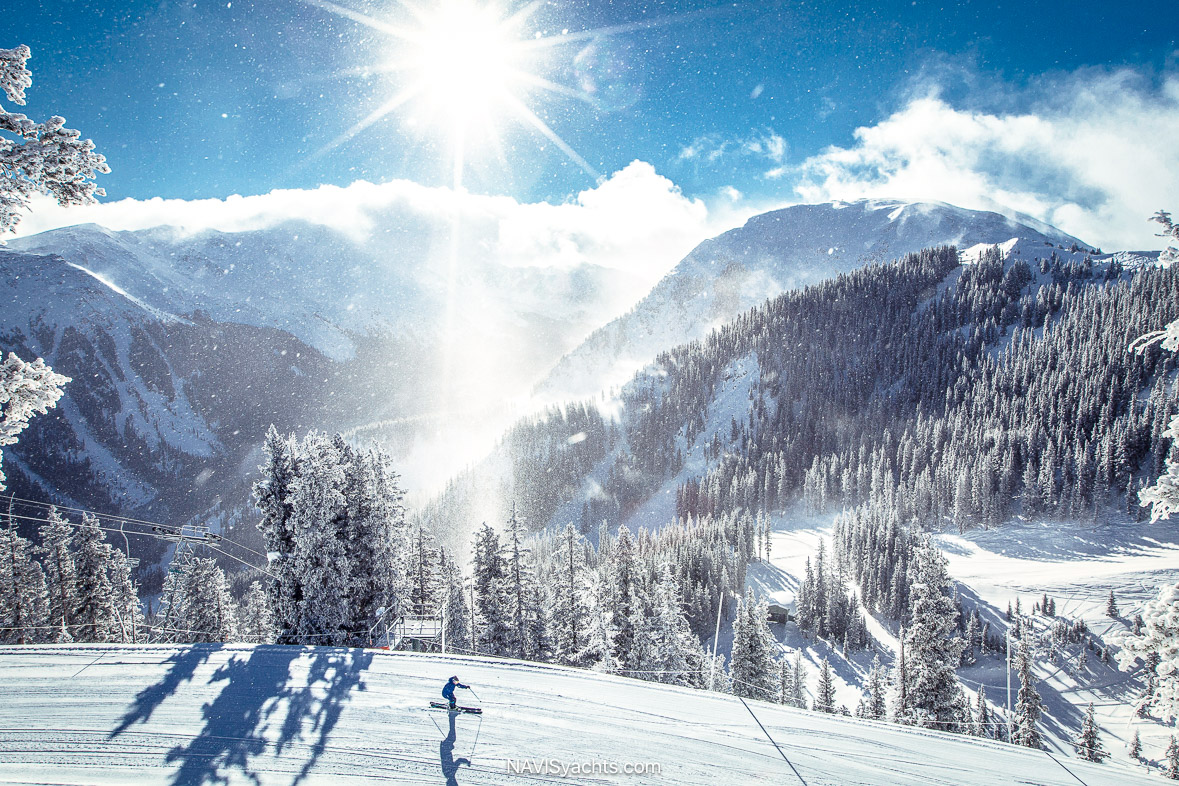
At 9,200 feet in New Mexico, expectations need adjusting. Taos Ski Valley begins at an elevation higher than the summits of many ski areas, then keeps climbing into the Sangre de Cristo Mountains until Kachina Peak tops out above 12,000 feet. Up here, the New Mexico of desert horizons gives way to spruce and fir, steep bowls, narrow chutes and exposed ridgelines. It is serious terrain, and for generations it has given accomplished skiers a very good reason to make the journey to this remote corner of the Southwest.
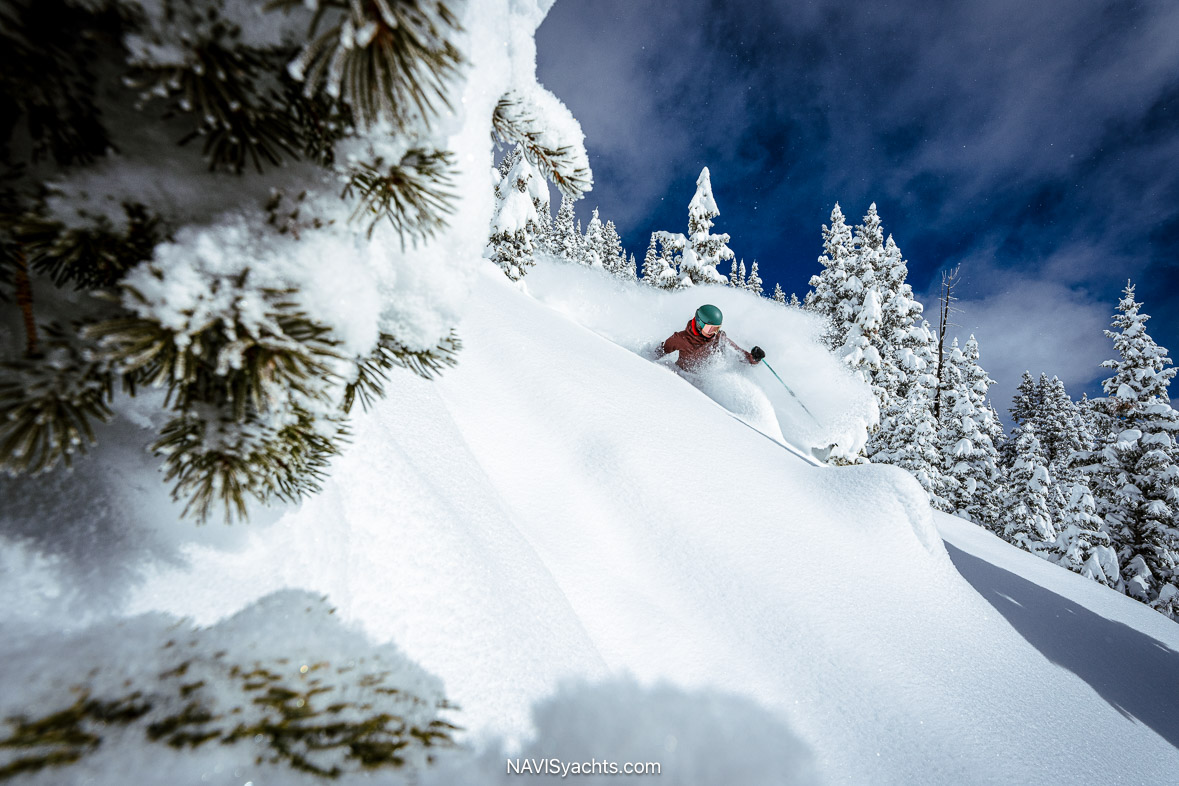
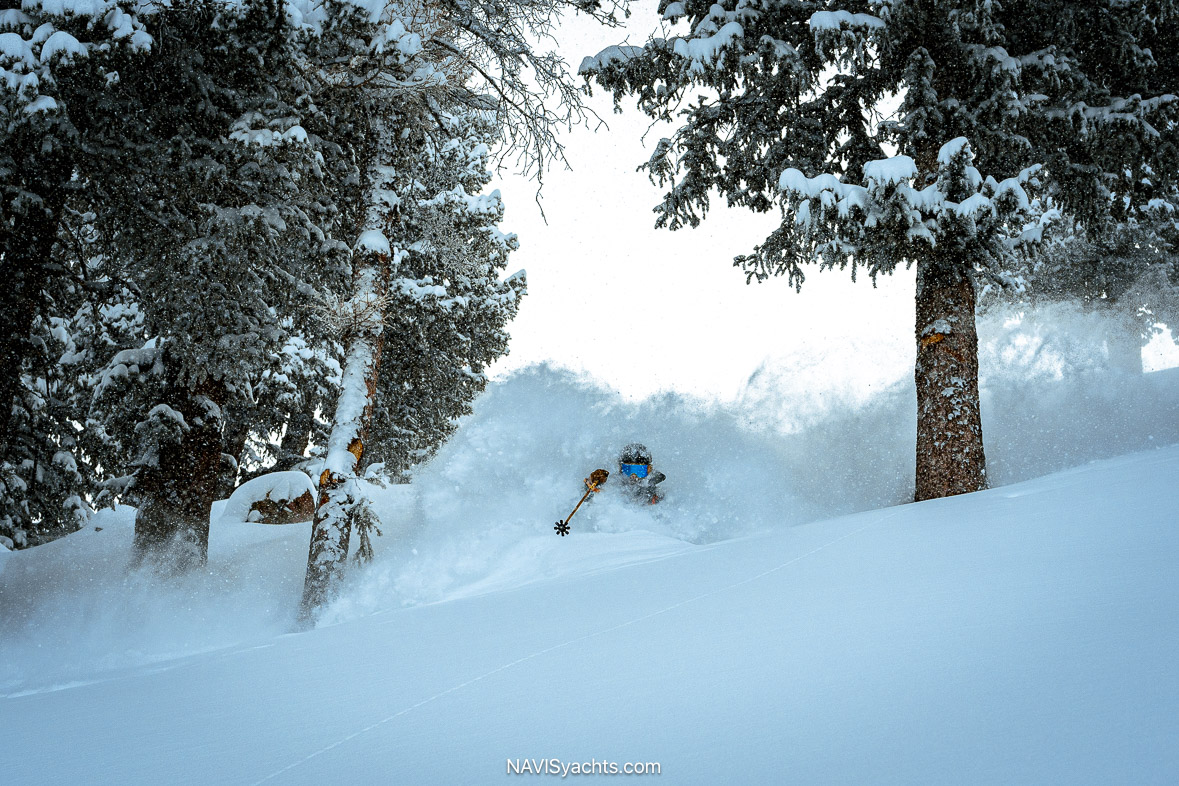
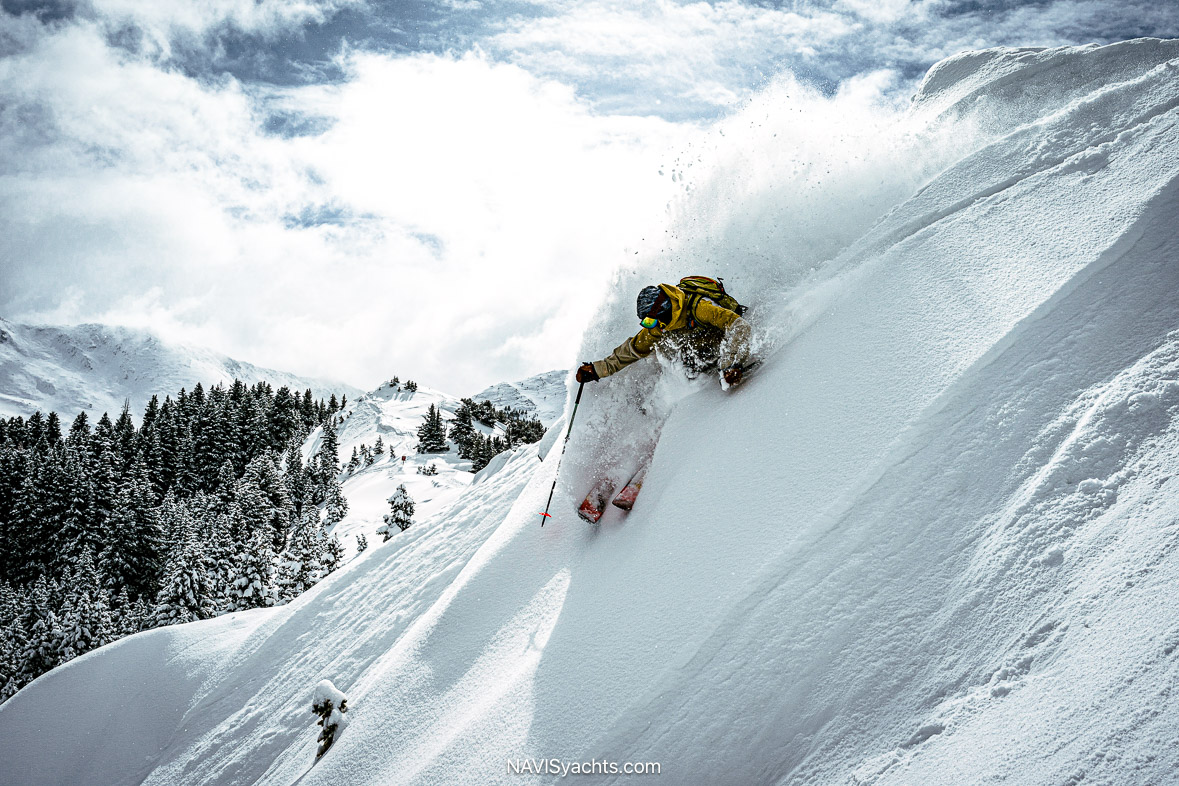
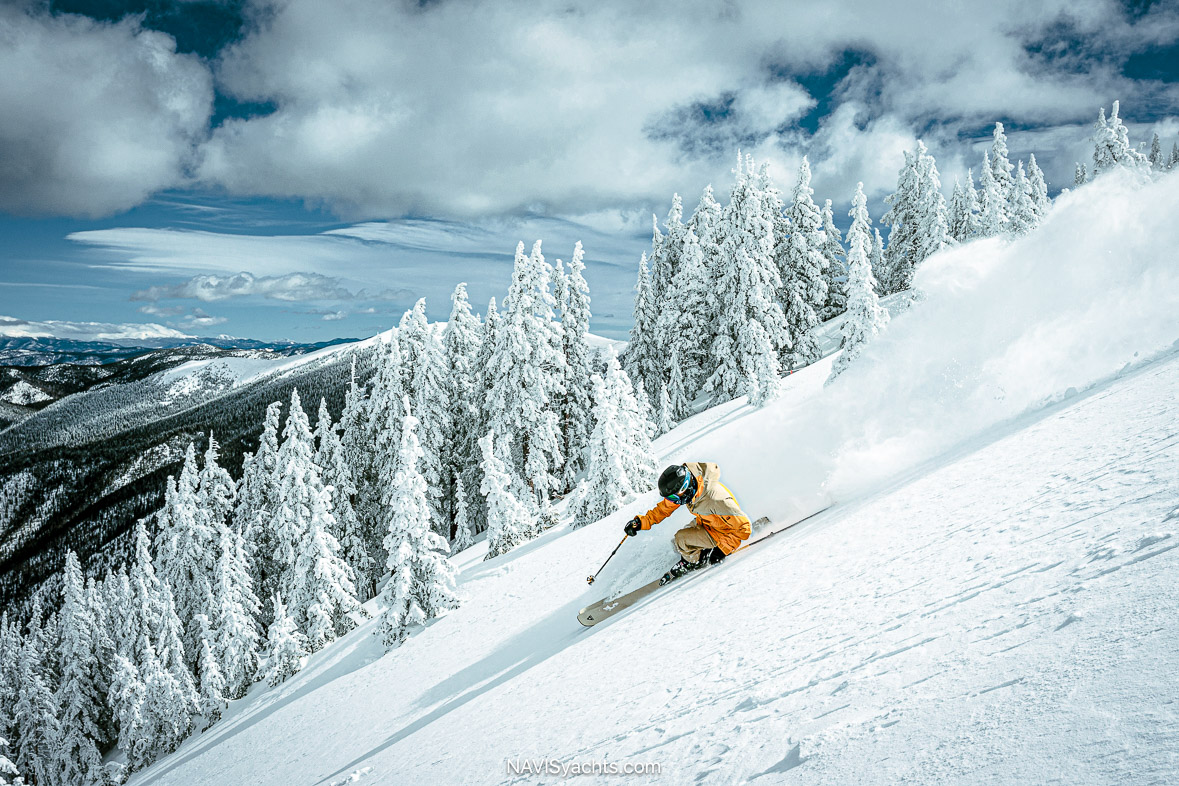
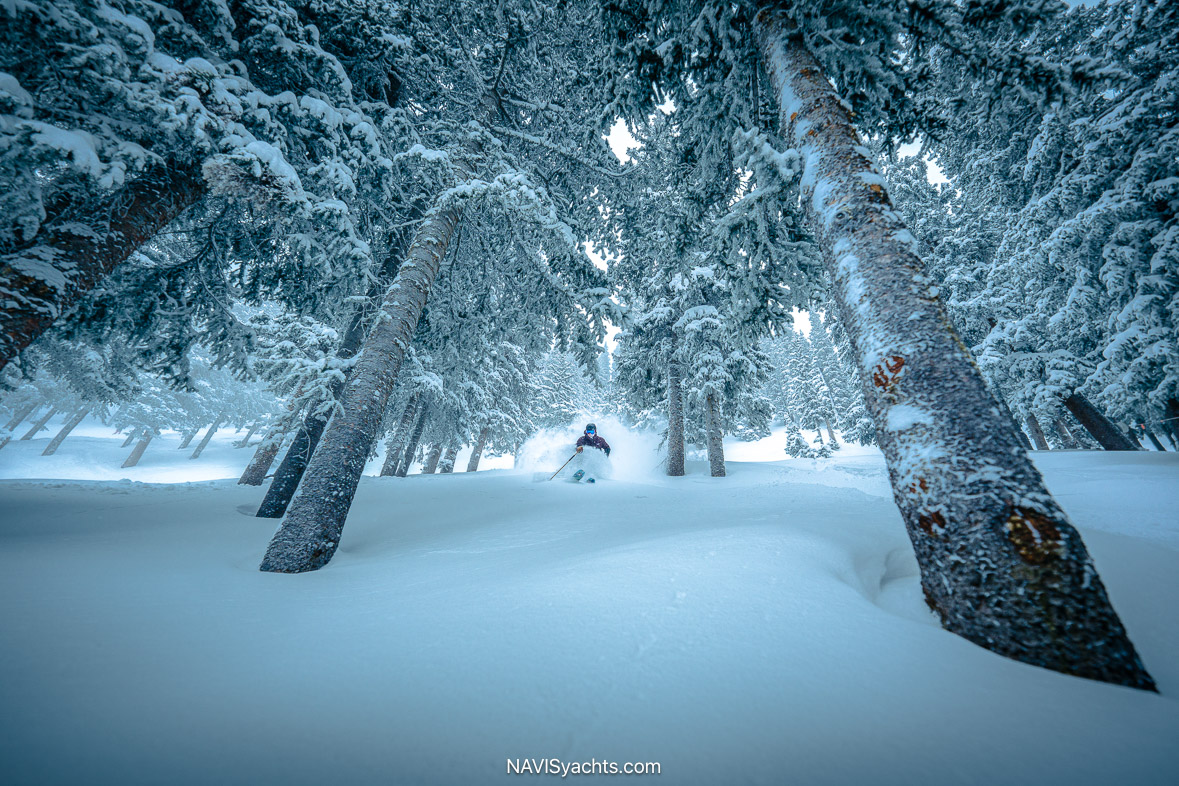
Altitude also plays a defining role in what every skier ultimately comes looking for: snow. Taos sits unusually far south for a major American ski mountain, yet its high elevation brings the colder conditions capable of preserving the dry powder for which the resort is known. Storms climbing into the Sangre de Cristo Mountains lose moisture as they rise, while New Mexico’s generally dry climate helps keep that snow from carrying the heavier moisture content encountered in more maritime mountain regions. The result, when conditions align, is the kind of light snow that makes a steep mountain considerably more interesting.
Long before anyone came here carrying skis, however, these mountains belonged to a much older story. The name Taos is derived from the Tiwa language of the Taos Pueblo, the Indigenous community whose multi-storied adobe settlement stands just north of the modern town. The Pueblo and its people remain a living community, not a historical footnote to the destination, and their presence gives Taos a continuity unusual among North American ski regions. Later came Spanish settlement and the name Sangre de Cristo, “Blood of Christ,” followed by artists drawn to Northern New Mexico’s landscape and light, and eventually a German-born skier named Ernie Blake, who looked toward the mountains above Taos and imagined something entirely different.
In 1955, Blake founded the ski valley that still carries the Taos name. Seven decades later, that unlikely meeting of New Mexico and European ski culture remains one of the most intriguing reasons to look more closely at what developed high in these mountains.
Taos never built its reputation by making skiing easy. The mountain became known for terrain that asks something of its skiers: bowls, glades, bumps and chutes, with some of its most coveted lines requiring a hike after the lift has done all it can.
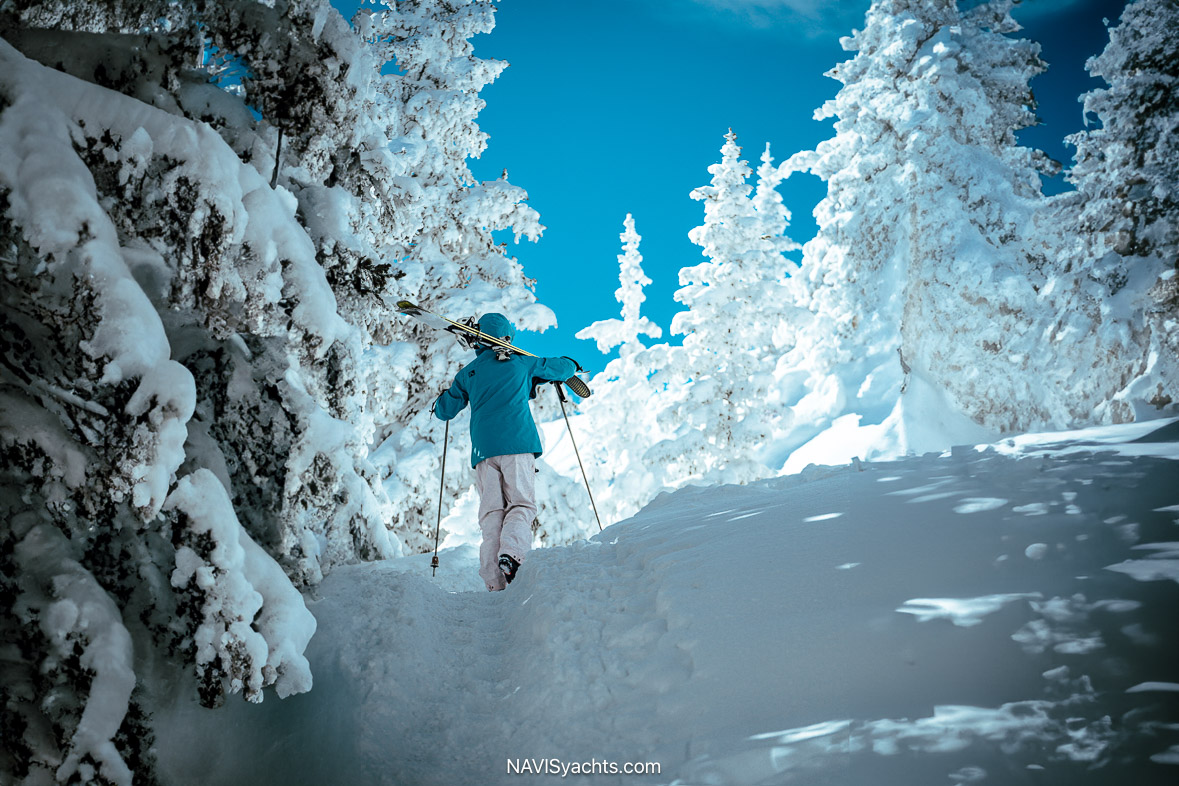
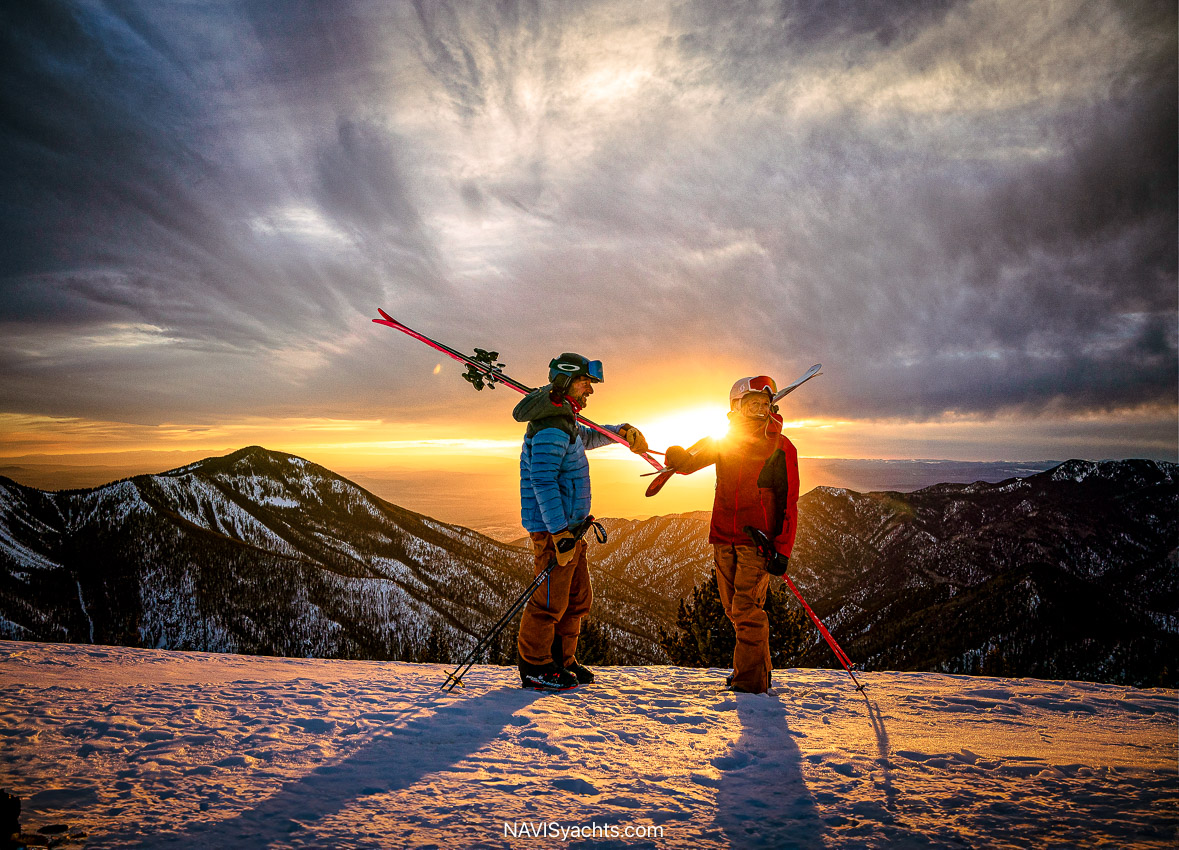
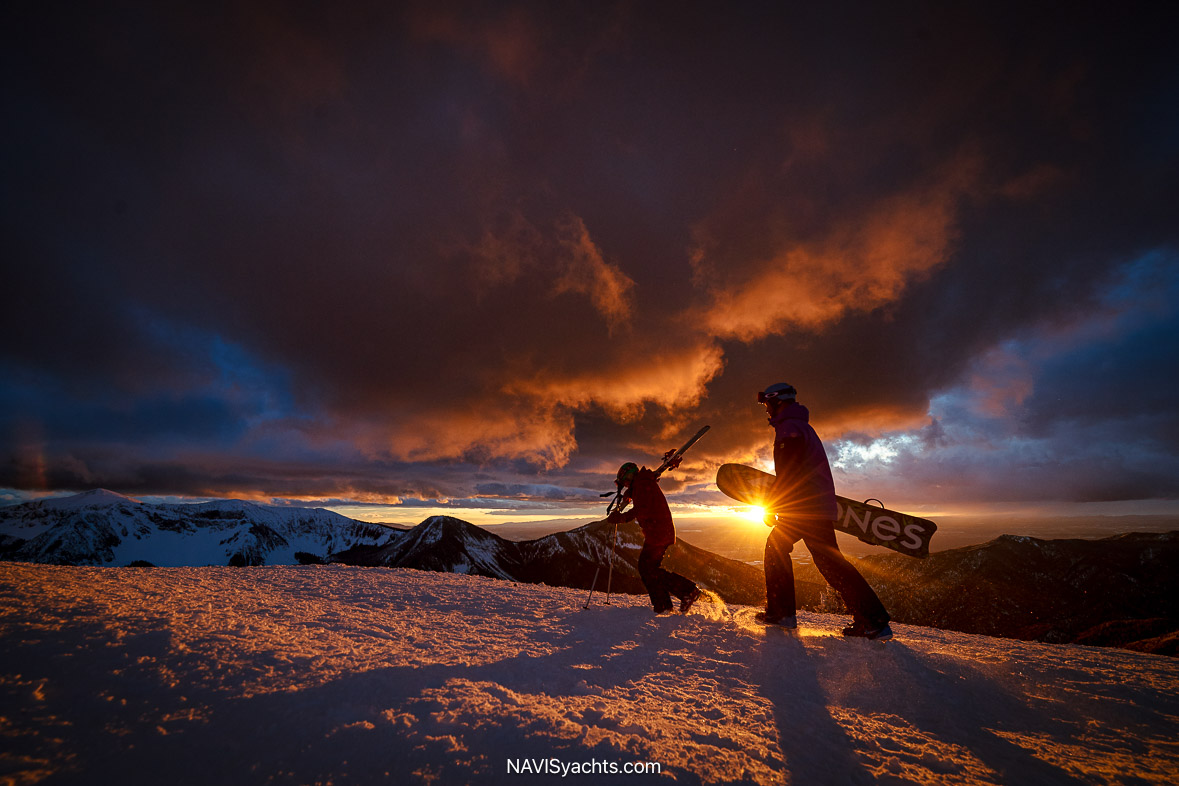
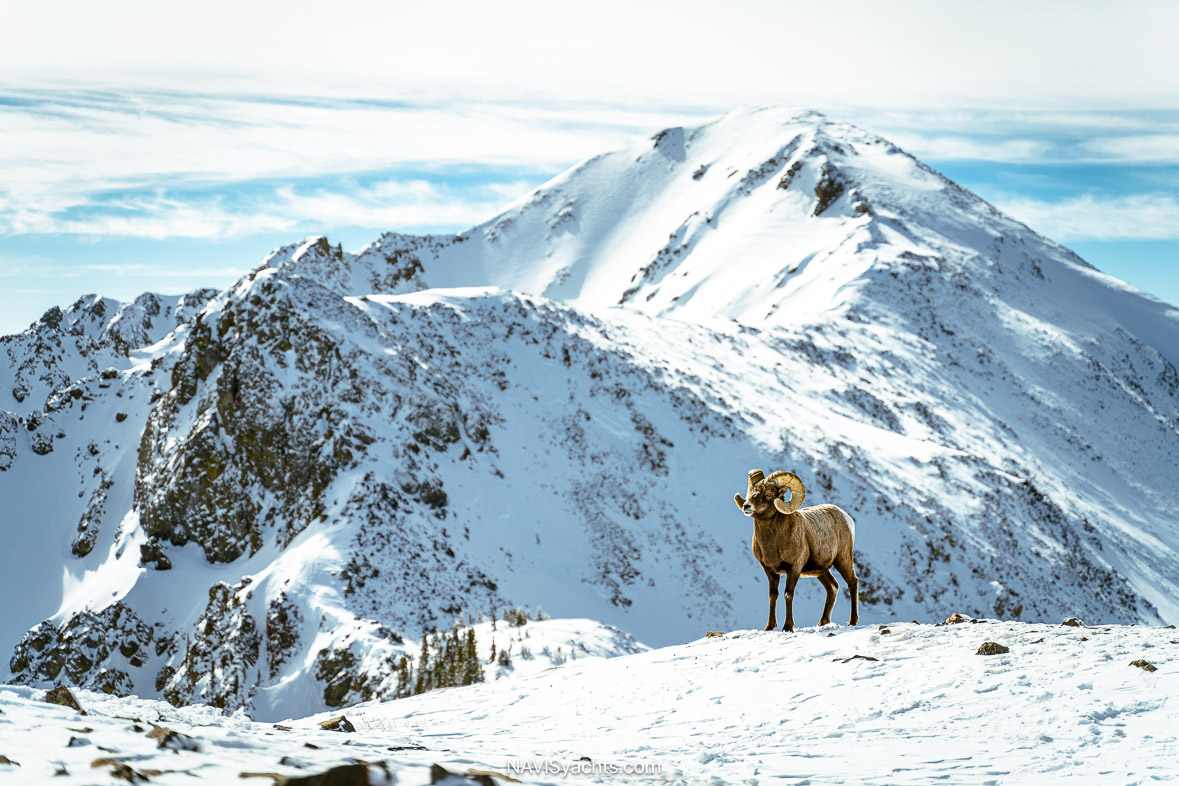
Kachina Peak is the obvious landmark. At 12,481 feet, it stands above the ski area with terrain descending from close to its summit. Elsewhere, ridges such as Highline and West Basin have long supplied the sort of hike-to skiing that gives a run a different value when earning access requires carrying skis uphill first. These are not incidental pockets hidden around the edges of the resort. They helped establish Taos among skiers who measure a mountain by what it demands of them.
That reputation can make the resort sound more forbidding than it is. Taos has terrain across ability levels, and instruction has been part of the mountain’s culture almost from its beginning. Ernie Blake understood that building a ski area with demanding terrain also meant teaching people how to ski it. The resulting ski school became one of the resort’s signatures, and today instruction ranges from children’s and first-timer programs to coaching for experienced skiers searching for better technique, steeper terrain and fresh snow.
There is something appealingly old-fashioned about that idea. A week at Taos need not simply produce a collection of runs. A skier might actually leave better than when they arrived.
A skier might actually leave better than when they arrived.
Beyond the Slopes
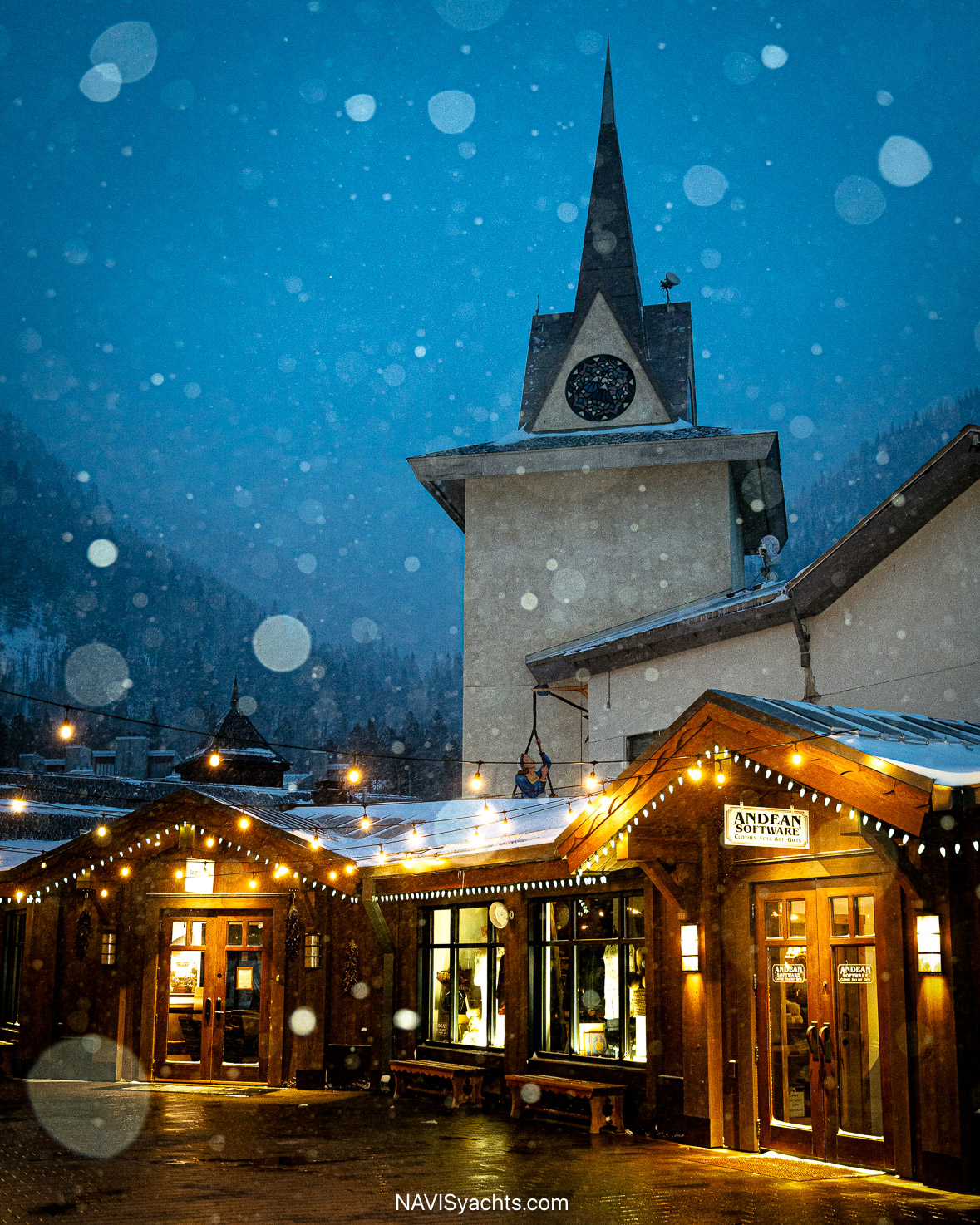
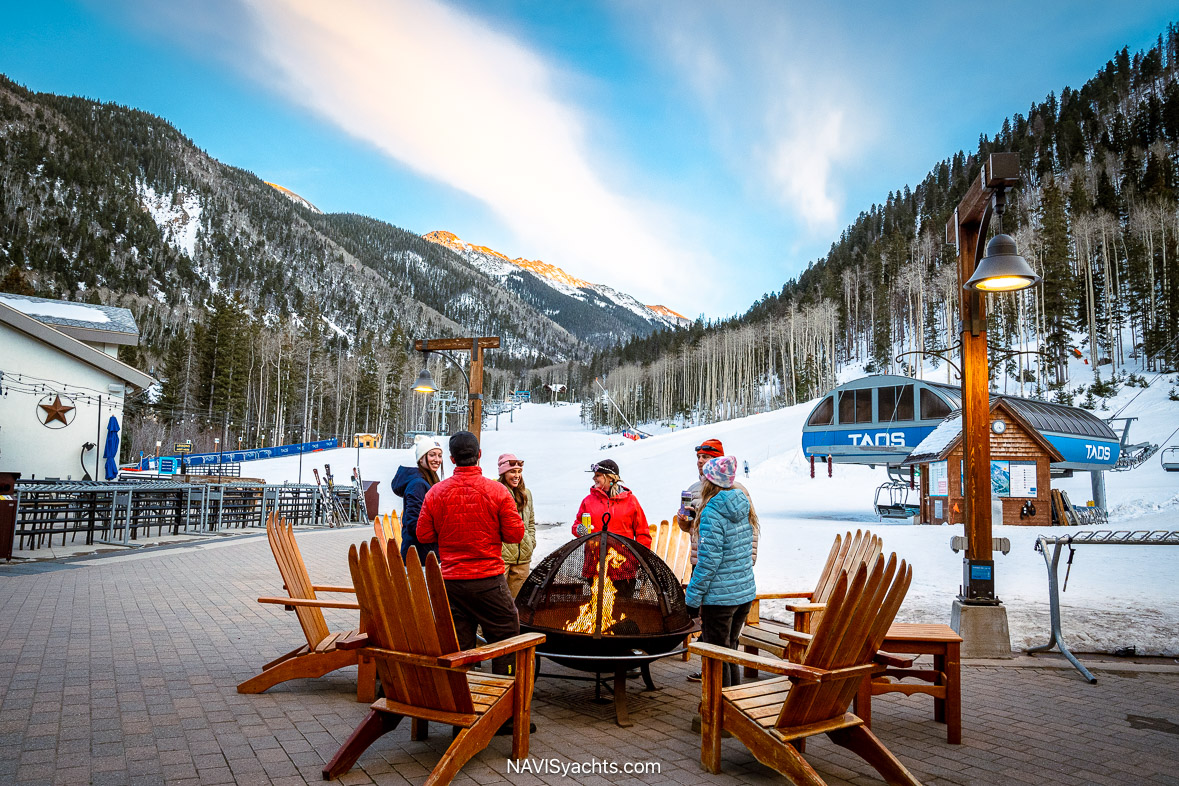
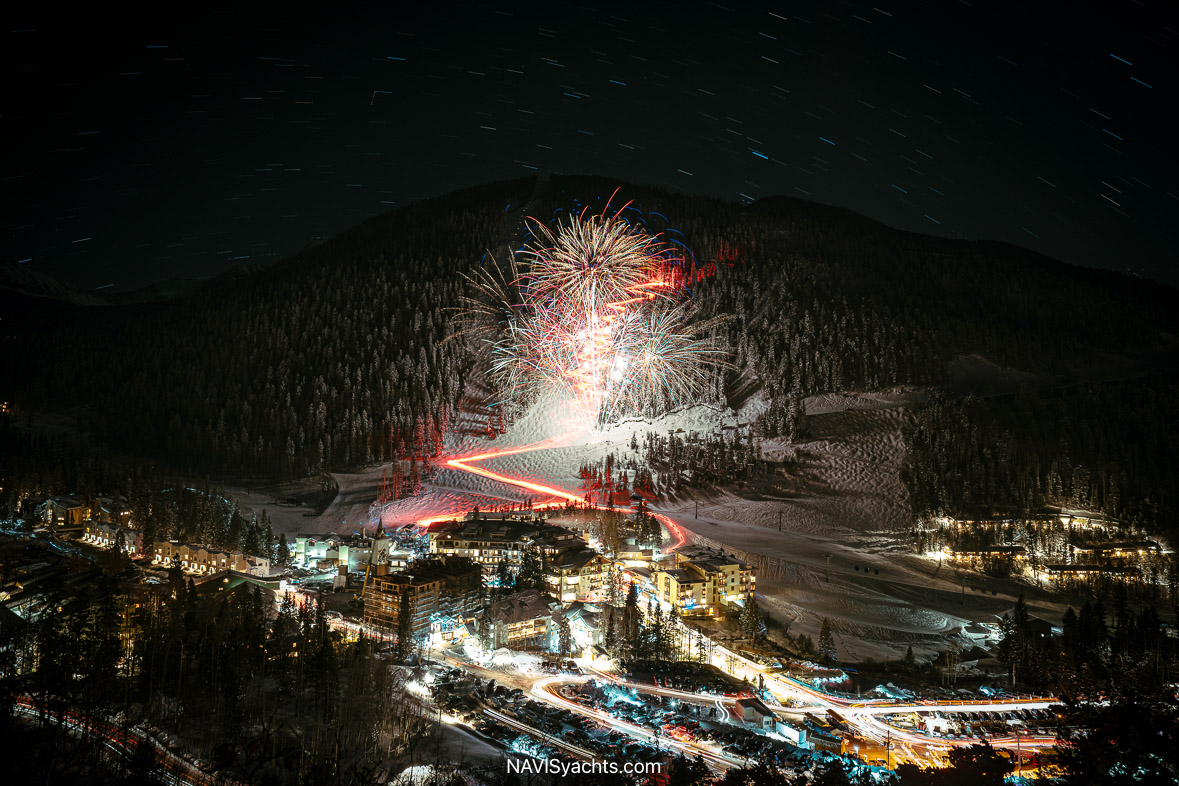
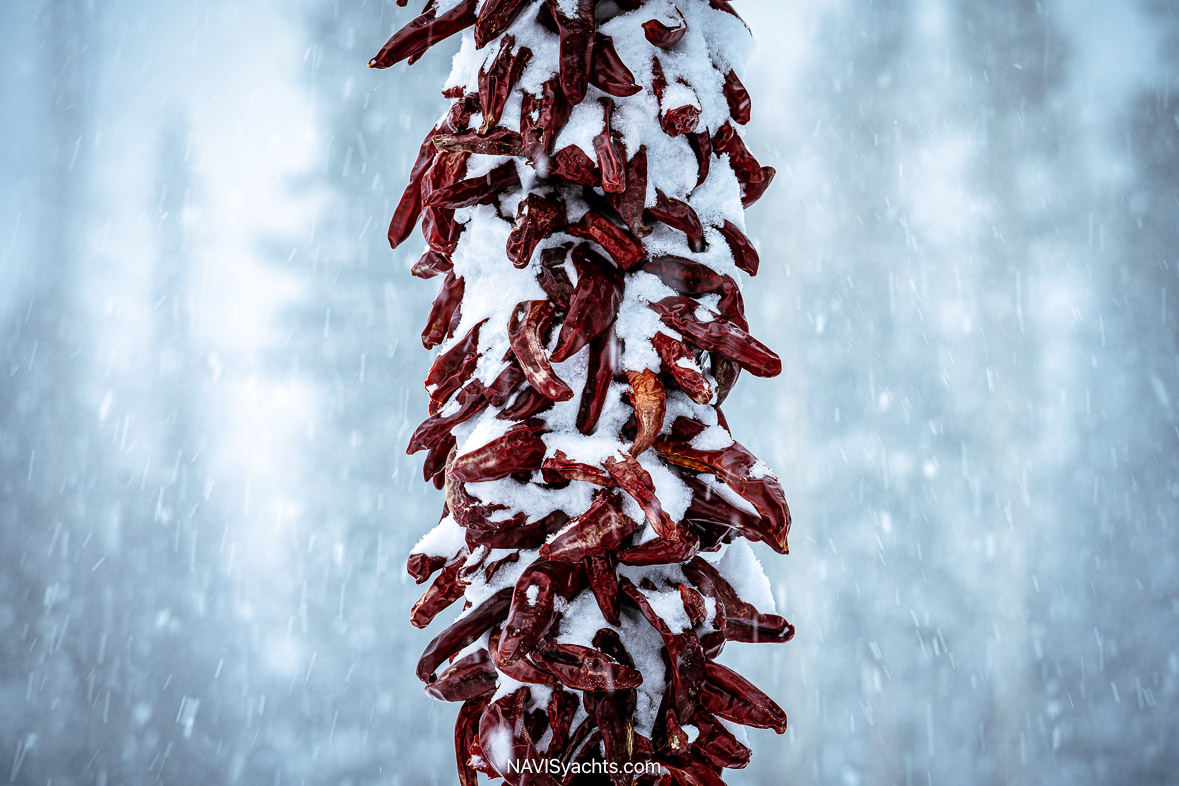
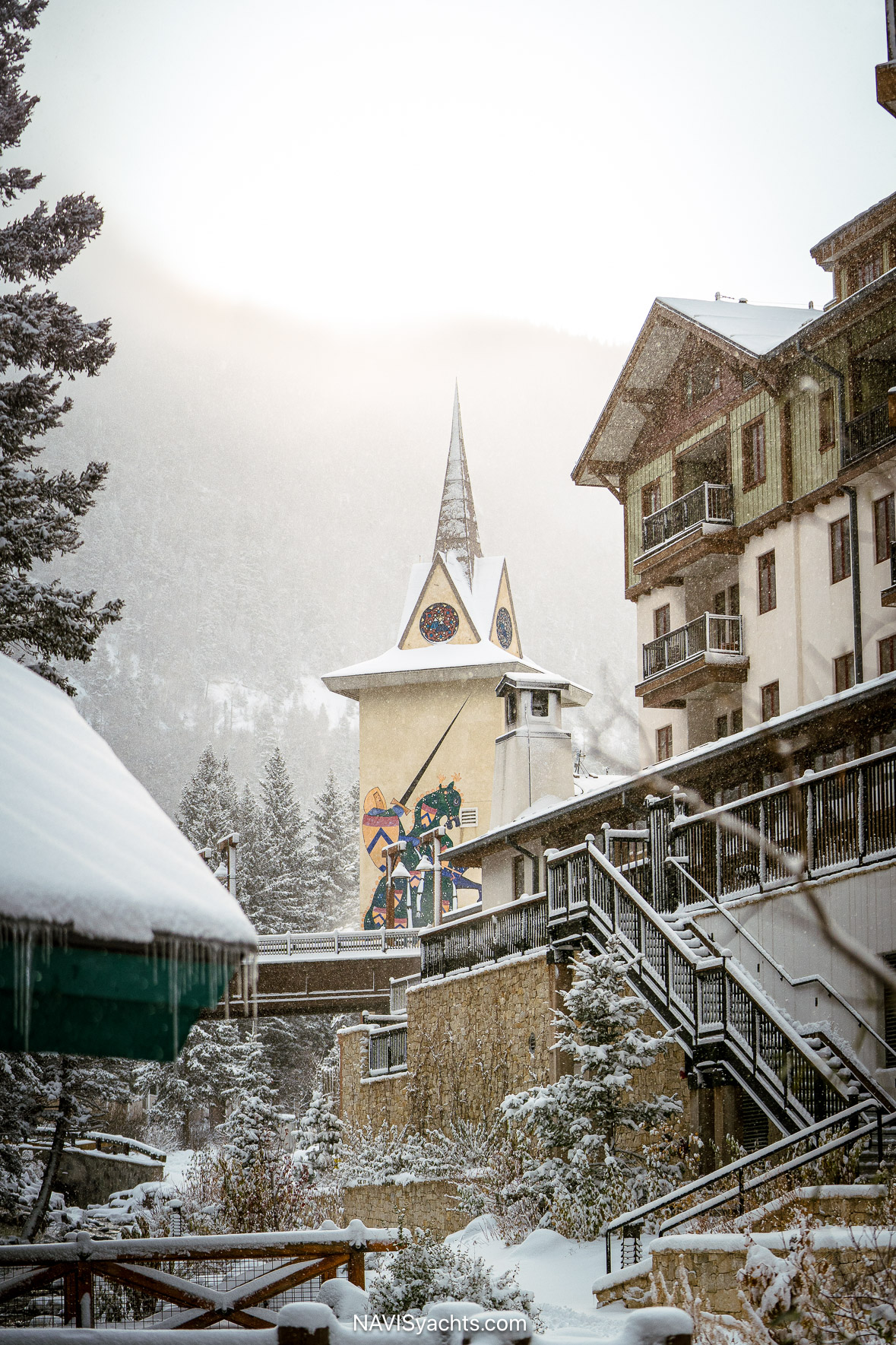
A day at Taos does not have to end with the last run. The village at the base keeps the experience concentrated around the mountain, with restaurants, après-ski, wellness and accommodations all within easy reach of the lifts. Here, the European influence introduced by Ernie Blake meets Northern New Mexico most naturally at the table, where Alpine traditions sit alongside the chiles, ingredients and flavors of the Southwest.
That culinary identity is receiving particular attention this winter. Taos Ski Valley is preparing new dining experiences rooted in both its European heritage and its New Mexican setting, an idea considerably more interesting than importing another familiar luxury ski-resort concept.
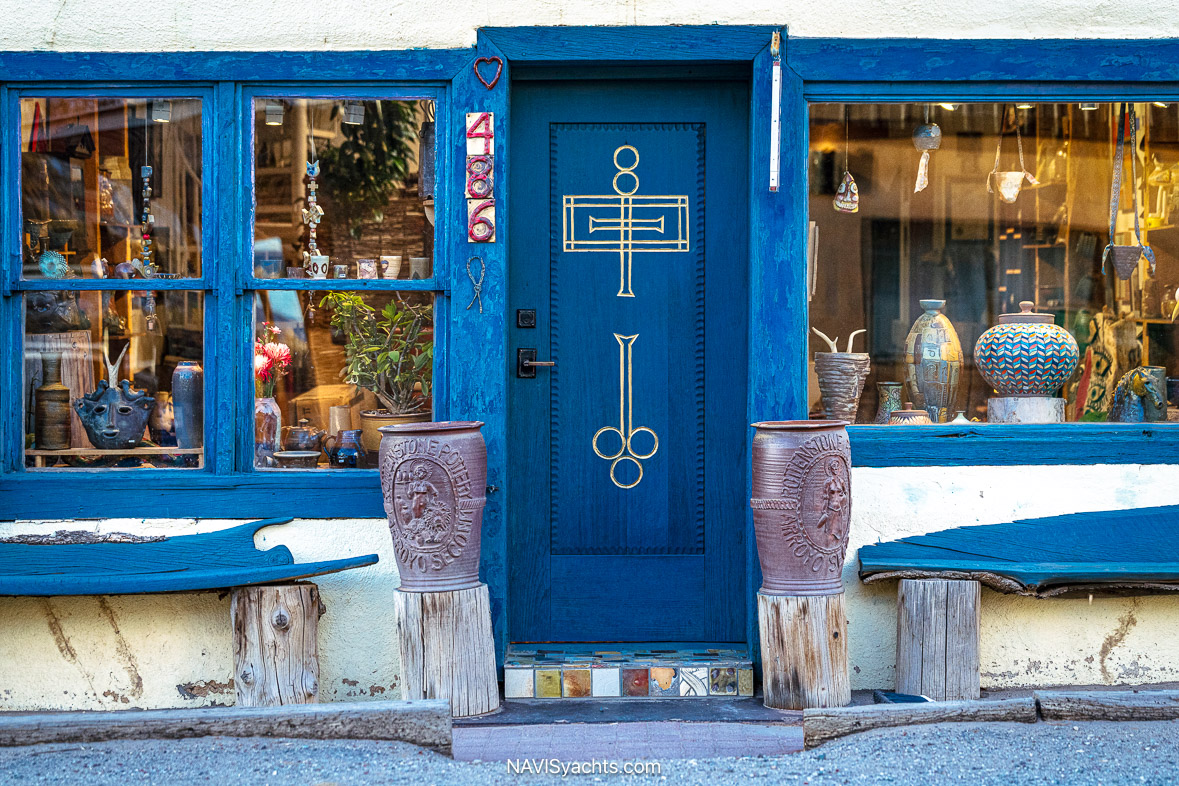
For guests taking a day away from skiing, or for non-skiers interested in understanding the place beyond the mountain, the wider Taos region offers a very different, but equally rewarding, reason to venture down from the valley. The most significant is the Taos Pueblo, roughly 20 miles from the resort and home to a still-living Indigenous community whose history here predates the ski valley by many centuries.
Its remarkable multi-storied adobe structures form part of a UNESCO World Heritage Site, but the Taos Pueblo should not be approached simply as another sightseeing stop. It remains a sovereign community and home to the Red Willow People. When the Pueblo is open to visitors, a visit offers something increasingly rare on a winter holiday: an opportunity to encounter a culture intimately connected to the landscape surrounding the mountain, on its own terms and according to its visitor protocols.
For skiers, that may mean sacrificing a few hours on snow. Taos is one of the rare ski destinations where doing so might actually add something to the journey.
The Blake and a New Expression of Taos Luxury
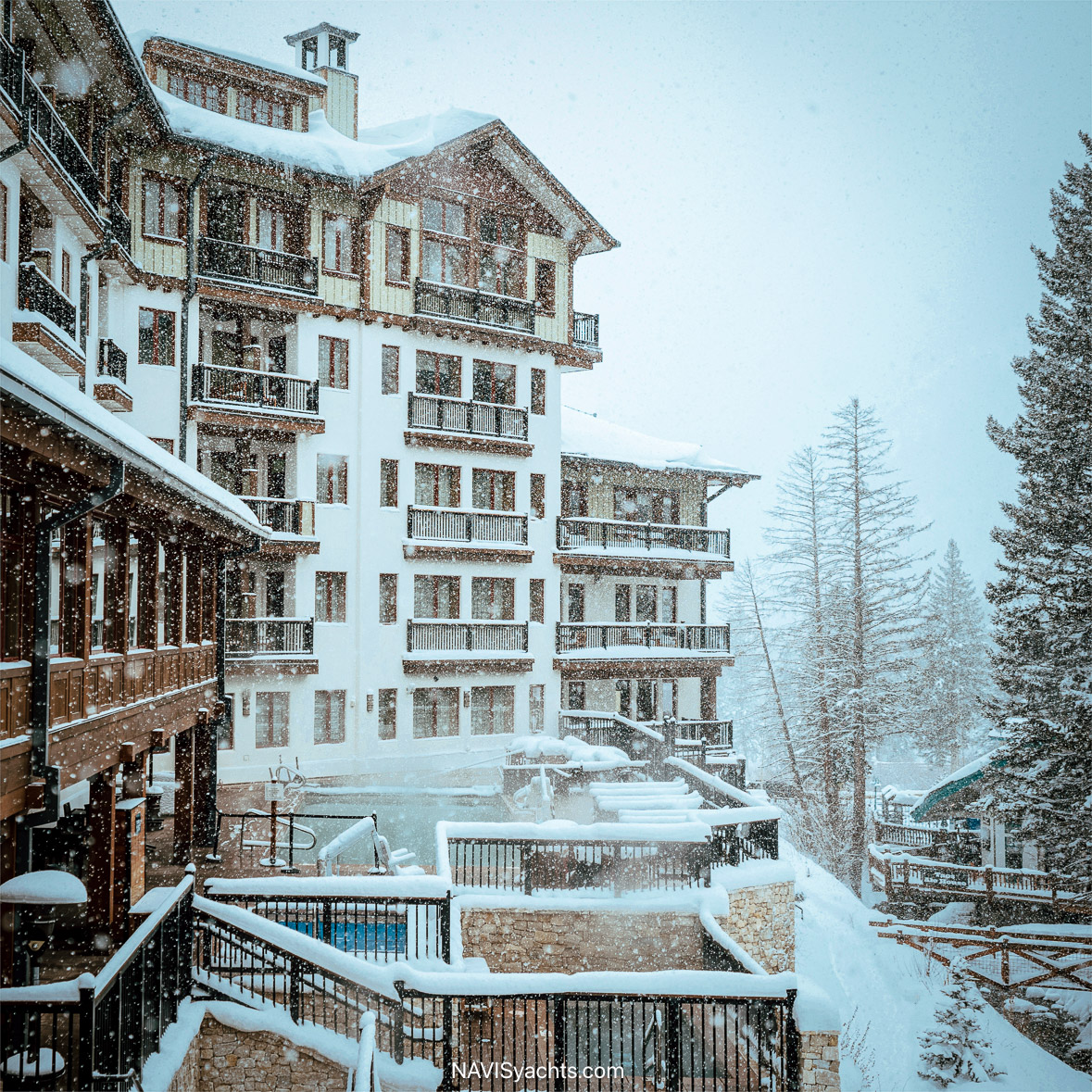
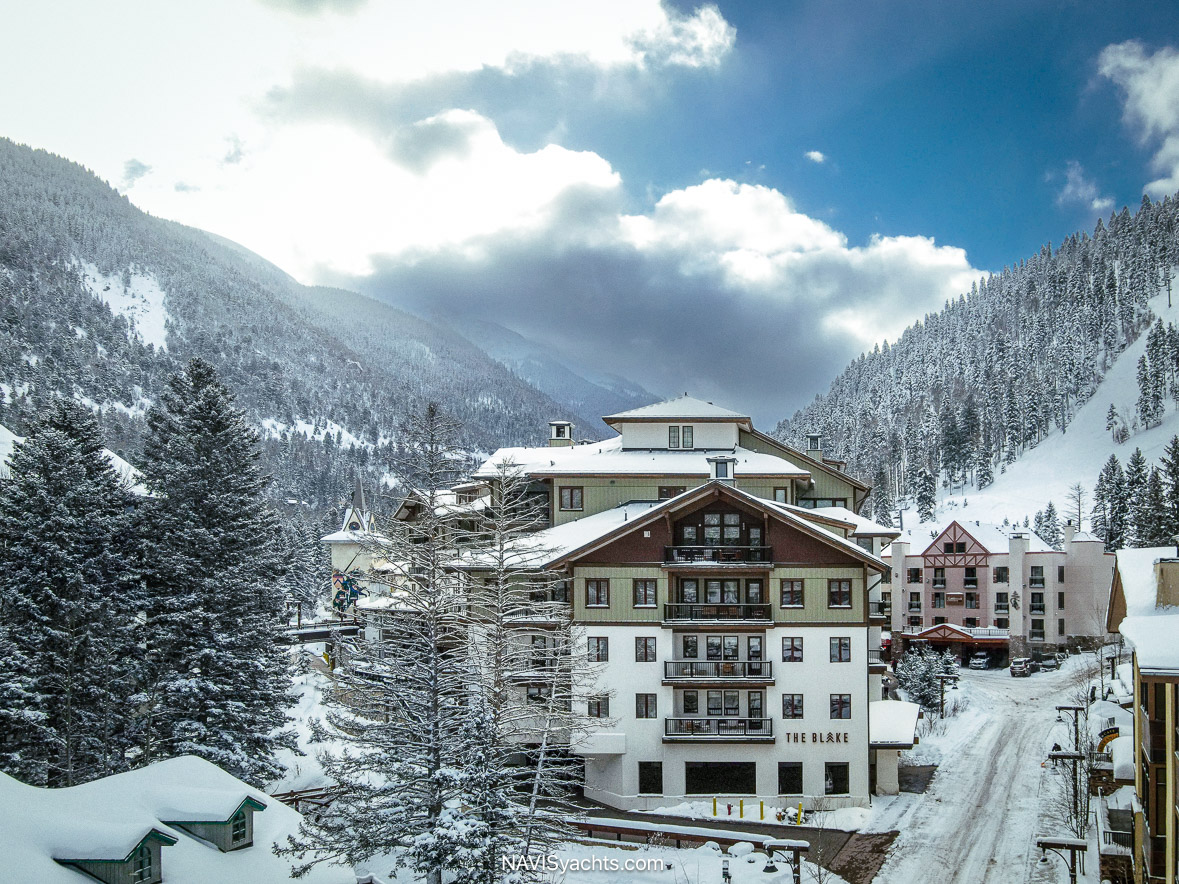
At the center of the village stands The Blake, the slopeside hotel that has become Taos Ski Valley’s principal luxury address.
Its most interesting feature may not be one normally associated with a ski hotel. Art is integral to the property, with works connected to figures including Georgia O’Keeffe and Edward Curtis helping carry the cultural narrative of the wider region indoors. That sense of place is complemented by classic rooms, suites and penthouses, a Spa & Wellness Center and the seamless infrastructure increasingly expected at this level, including ski valet, on-site demo equipment and slope access only steps away.
The service philosophy includes dedicated hausmeisters, another echo of the resort’s European lineage, assisting with details ranging from transportation to in-room grocery delivery.
Guests arriving at Taos Regional Airport on qualifying JSX or Contour services are also offered complimentary transfers to The Blake, making this relatively isolated mountain considerably easier to reach than its geography might initially suggest.
This winter introduces a more ambitious proposition.
Taos by Belvedere is designed as a fully hosted mountain experience for private groups of four to 16, combining slopeside penthouse accommodation with private guiding, personalized dining, wellness, concierge service and access to aspects of Taos’s culture, landscape and conservation initiatives.
The concept is essentially one of frictionless skiing: logistics recede so that the mountain and the people sharing it become the focus. First tracks, privately guided days, long lunches, chef-led dinners and restorative downtime are assembled around each group rather than forcing guests into a predetermined resort routine.
That degree of attention comes at a correspondingly elevated price. Rates are expected to begin at $2,750 per person, per night, based on a minimum of four guests, with five nights recommended. It places Taos by Belvedere firmly at the rarefied end of the North American ski experience, with a proposition extending well beyond accommodation. Belvedere’s portfolio is built around remote, experience-led hospitality and conservation rather than conventional resort luxury.
When the Snow Comes
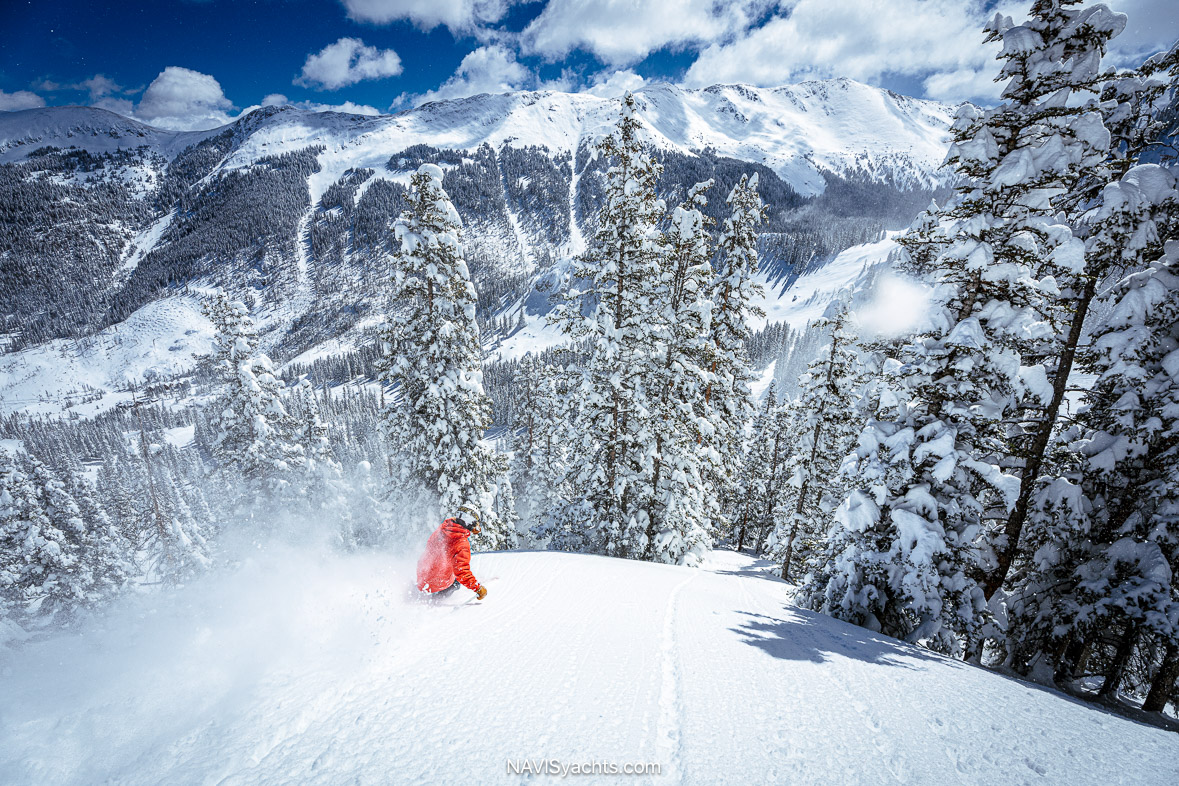
For all the history, art, food and new expressions of mountain hospitality surrounding Taos, winter ultimately makes a much simpler, quieter promise. Snow will begin accumulating high in the Sangre de Cristo Mountains, filling the bowls, settling between the trees and covering the steep, storied lines that have tested generations of skiers here.
And when a storm clears over Kachina Peak, there will be decisions to make. Follow the lifts, shoulder the skis and hike higher, search for untouched snow between the trees, or spend the morning working with an instructor toward terrain that looked intimidating only days earlier. The appeal of Taos has never depended on skiing being effortless. Part of the pleasure seems to lie in discovering how much mountain one is ready for.
The 2026/2027 winter brings greater comfort around that experience, from the slopeside ease of The Blake to the highly personalized approach of Taos by Belvedere. Yet the essential reason for coming remains remarkably uncomplicated: a high New Mexican mountain, cold winter air, steep terrain and the possibility of fresh, dry snow beneath one’s skis.
Perhaps the best journeys leave a few things unanswered. Taos appears to have plenty worth discovering that way.
For now, somewhere above 9,200 feet, another winter is getting ready.
Written by Janine Devine
photographed by Taos ski valley media & Liam Doran